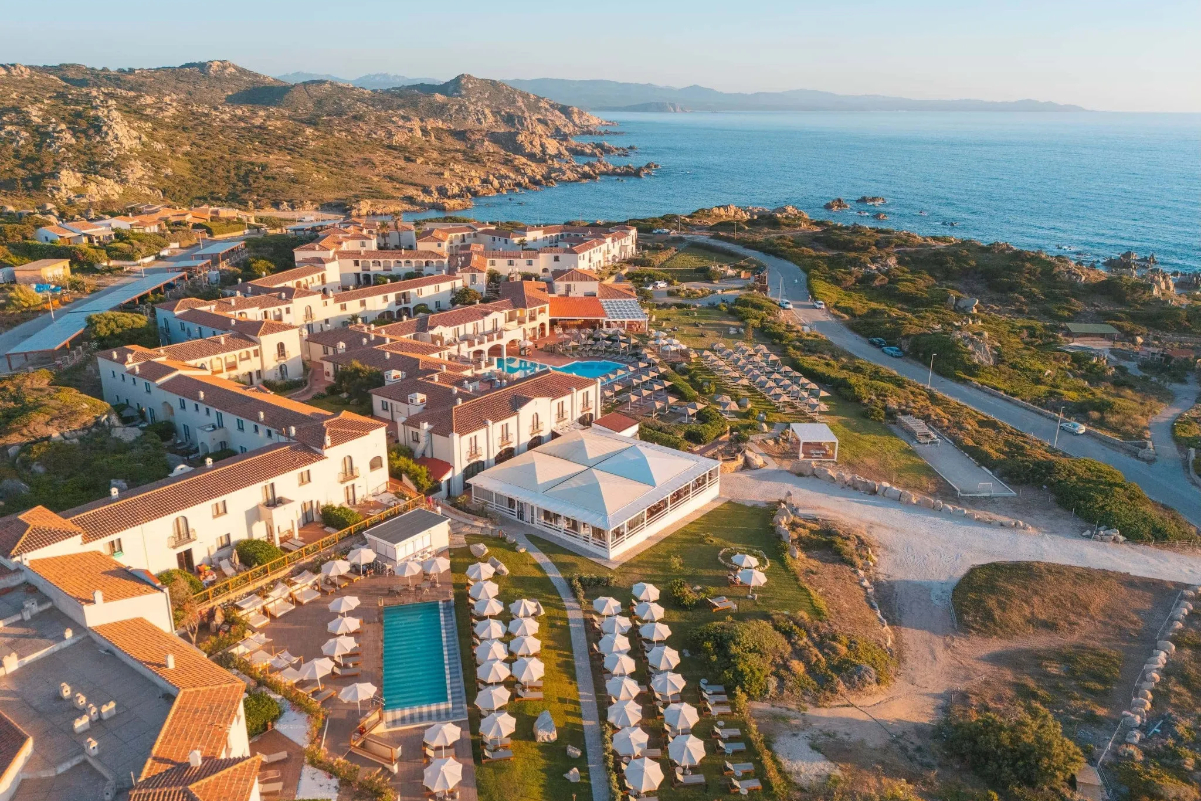
Blackstone, the world’s largest alternative asset manager, is reportedly moving forward with a multi-billion dollar public listing for its flagship Mediterranean hospitality platform, Hotel Investment Partners (HIP). According to financial reports from Madrid-based daily Cinco Días, the private equity giant has set its sights on a valuation ranging between €6 billion and €7 billion ($6.6 billion to $7.7 billion) for the Barcelona-headquartered firm. This strategic move, which has been under consideration for nearly two years, marks a significant milestone in the post-pandemic recovery of the European hospitality sector and signals a robust appetite for leisure-focused real estate assets.
The proposed initial public offering (IPO) is expected to take place on the Spanish stock exchange, with a formal filing with the National Securities Market Commission (CNMV) anticipated in early October. If the current timeline holds, the listing would debut in late October or early November. The decision to pursue an IPO over a direct sale suggests that Blackstone sees greater long-term value in the public markets, leveraging the current strength of the Spanish tourism industry and a stabilizing interest rate environment in the Eurozone.
The Genesis and Growth of Hotel Investment Partners
Hotel Investment Partners was founded in 2015 by Banco Sabadell and was subsequently acquired by Blackstone in 2017 for approximately €630 million. At the time of the acquisition, the portfolio was primarily focused on the Spanish market. Under Blackstone’s ownership, HIP underwent a period of aggressive expansion and capital reinvestment, transforming into the leading owner of resort hotels in Southern Europe.
Over the past seven years, Blackstone has utilized its significant capital reserves to institutionalize a fragmented Mediterranean hotel market. The firm implemented a "buy-fix-sell" strategy on a massive scale, acquiring undermanaged or capital-starved properties in prime "sun and beach" locations and investing hundreds of millions of euros in renovations and rebranding. Today, the HIP portfolio comprises 72 hotels totaling more than 21,000 rooms across Spain, Greece, Italy, and Portugal. However, the reported IPO perimeter specifically focuses on a core portfolio of 61 high-performing assets that align with the investment profiles of institutional public market investors.
The HIP business model is distinct in its approach to management. While HIP owns the physical real estate and oversees the strategic asset management, it frequently partners with major international hotel operators such as Marriott International, Hyatt, Hilton, and Barceló Hotel Group. This allows the company to benefit from global distribution systems and loyalty programs while maintaining control over the quality and capital expenditure of the physical assets.
Strategic Chronology: From Acquisition to Public Markets
The journey toward the Madrid listing has been shaped by shifting macroeconomic conditions and the unprecedented disruption of the global travel industry.
In 2017, Blackstone’s entry into the Spanish hotel market via HIP was seen as a bet on the recovery of the Spanish economy following the Eurozone debt crisis. Between 2018 and 2019, HIP expanded rapidly, acquiring portfolios from smaller Spanish chains and individual owners, establishing a dominant position in the Canary Islands, the Balearic Islands, and the Costa del Sol.
The onset of the COVID-19 pandemic in 2020 temporarily halted the company’s momentum, as global travel came to a standstill. However, Blackstone utilized this period to accelerate renovation projects, ensuring that the portfolio would be "future-proofed" for the eventual return of tourism. In 2021 and 2022, as travel restrictions eased, HIP expanded its footprint outside of Spain, making significant acquisitions in Greece (including properties in Crete and Corfu) and Italy.
By 2023, rumors began to circulate that Blackstone was weighing strategic options for HIP, including a potential sale to sovereign wealth funds or a public listing. The firm reportedly held preliminary talks with various parties, but the volatility in the debt markets and high interest rates made a direct sale at the desired valuation challenging. The current pivot to an IPO in late 2024 reflects a more favorable window, characterized by record-breaking tourism arrivals in the Mediterranean and a cooling of inflation that has allowed the European Central Bank to begin easing monetary policy.
Supporting Data: The Strength of the Mediterranean Tourism Market
The timing of the IPO is bolstered by exceptionally strong performance metrics within the Spanish and broader Mediterranean hospitality sectors. According to data from the Spanish National Statistics Institute (INE), Spain welcomed a record 85.1 million international tourists in 2023, a 19% increase from the previous year. This momentum has continued into 2024, with spending by international tourists reaching new heights.
For HIP, these macro trends translate into significant growth in key performance indicators (KPIs). Revenue Per Available Room (RevPAR) across the Mediterranean has seen double-digit growth compared to pre-pandemic levels, driven largely by the "premiumization" of the market. Blackstone’s investment of over €600 million in repositioning HIP’s assets has allowed the company to command higher Average Daily Rates (ADR) as travelers increasingly seek high-end, experiential resort stays.
Furthermore, the Spanish stock market has shown resilience. The successful IPO of the Spanish beauty and fashion giant Puig earlier in 2024 provided a "proof of concept" for large-scale listings in Madrid, demonstrating that there is sufficient liquidity and investor demand for well-capitalized, market-leading Spanish enterprises.
Official Responses and Market Sentiment
As of late September, neither Blackstone nor representatives for Hotel Investment Partners have issued formal statements regarding the specific details of the IPO filing. A Blackstone spokesperson declined to comment on the report from Cinco Días, citing the firm’s policy on market speculation. Similarly, HIP has maintained a quiet period, though internal sources suggest the company’s management team, led by CEO Alejandro Hernández-Puértolas, has been preparing the organizational structure for the rigors of public company reporting for several months.
Industry analysts view the potential IPO as a landmark event for the European Real Estate Investment Trust (REIT) landscape. "Blackstone’s decision to list HIP in Madrid is a massive vote of confidence in the Spanish capital markets and the enduring appeal of Mediterranean leisure real estate," noted a senior analyst at a major European investment bank. "The €6 billion to €7 billion valuation reflects not just the value of the bricks and mortar, but the platform’s ability to generate consistent cash flow in a sector that has proven to be incredibly resilient to economic headwinds."
Analysis of Implications for the Hospitality Industry
The public listing of HIP would have several far-reaching implications for the hospitality and private equity sectors:
1. The Institutionalization of the Resort Sector
Historically, the resort market in Southern Europe was dominated by family-owned businesses and smaller local chains. HIP’s emergence as a public entity would further the institutionalization of this asset class. Public investors will now have a direct vehicle to gain exposure to Mediterranean "sun and beach" real estate, a sector that was previously difficult to access through public equities.
2. A Blueprint for Private Equity Exits
For Blackstone, the HIP IPO serves as a case study in successful thematic investing. By identifying a fragmented sector (Mediterranean resorts) and applying a disciplined capital improvement program, the firm has created a market leader. A successful exit through an IPO, rather than a private sale, provides a roadmap for other private equity firms holding large real estate portfolios in Europe.
3. Impact on the Spanish Economy
A €7 billion listing would make HIP one of the largest companies on the Spanish stock exchange by market capitalization, potentially earning it a place in the IBEX 35 index in the future. This would increase the weighting of the tourism and real estate sectors in the Spanish benchmark, reflecting the vital importance of these industries to the national GDP.
4. Future Consolidation
With the capital raised from an IPO, HIP would be well-positioned to continue its acquisition spree. The Mediterranean remains a fragmented market, and a publicly traded HIP would have the currency and the mandate to consolidate further assets in Italy, Greece, and potentially North Africa or the Eastern Mediterranean.
Conclusion and Outlook
As the filing date in early October approaches, the financial community will be closely watching for the finalized prospectus, which will provide deeper insights into HIP’s debt levels, dividend policy, and specific asset valuations. While the IPO market can be fickle, the combination of Blackstone’s institutional backing, the high-quality nature of the 61-hotel portfolio, and the current boom in European leisure travel creates a compelling narrative for investors.
The transition of Hotel Investment Partners from a private equity-backed venture to a publicly traded powerhouse marks the end of one chapter and the beginning of another. For the Mediterranean hospitality industry, it signifies a maturation of the market, where sun-drenched resorts are no longer just vacation destinations, but sophisticated financial assets capable of anchoring a multi-billion dollar public company. If successful, the HIP IPO will likely be remembered as the definitive transaction that signaled the full-scale institutionalization of the European leisure real estate market.