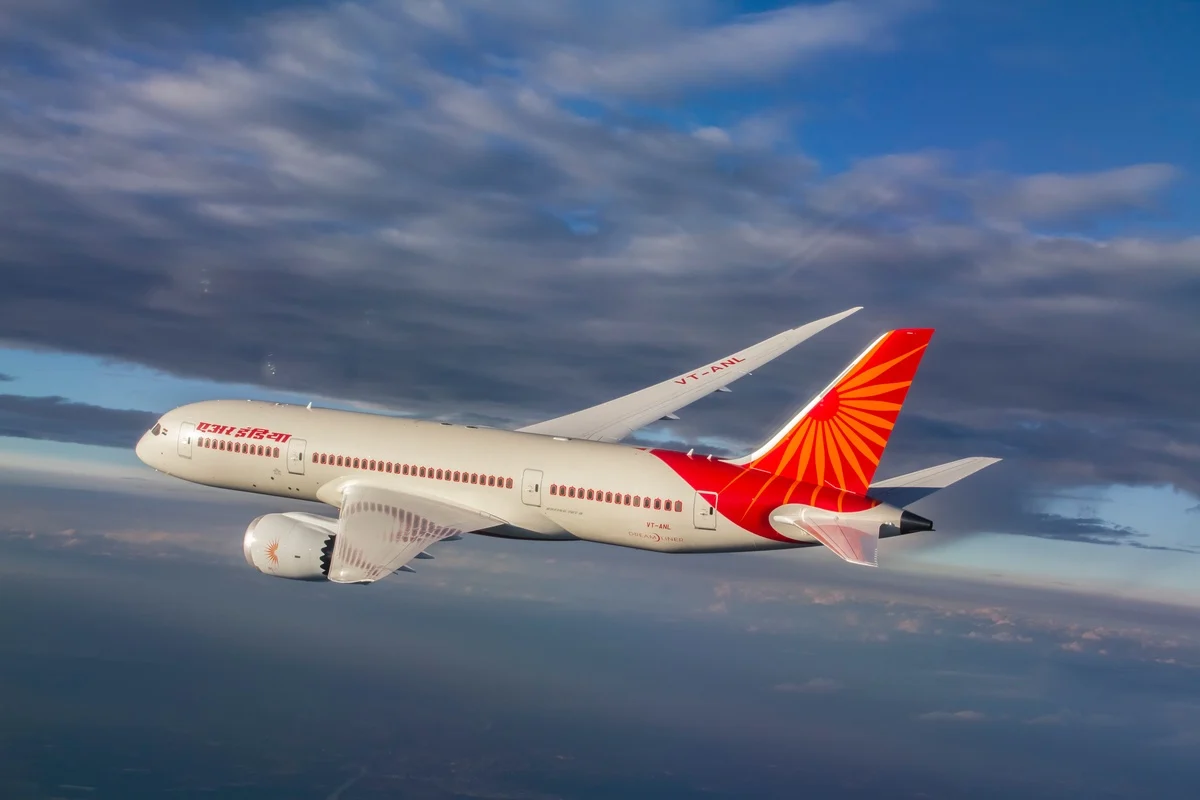
Tata Sons and Singapore Airlines (SIA) are reportedly finalizing a substantial capital infusion of approximately INR 100 billion, equivalent to $1.1 billion, to bolster the ongoing transformation of Air India. This move underscores the commitment of the airline’s primary stakeholders to navigate the carrier through a turbulent financial period marked by significant losses and the complexities of a multi-airline merger. According to sources familiar with the matter, this funding is not a blanket grant but is strictly contingent upon the achievement of specific operational and financial performance milestones. The capital will be released in staggered installments, signaling a shift in strategy by the owners who, while willing to provide the necessary liquidity for a turnaround, are increasingly demanding tangible results in exchange for their continued investment.
Under the proposed arrangement, the financial contribution will be divided according to the respective ownership stakes of the two entities. Tata Sons, the primary promoter, holds a 74.9% stake in the airline, while Singapore Airlines maintains a 25.1% share. This proportional funding model ensures that both partners remain aligned in their long-term vision for the carrier, which was privatized in early 2022 after decades of government control. While Air India has not officially responded to inquiries regarding the specifics of the funding timeline, the move is seen as a critical lifeline as the airline attempts to modernize its fleet, improve service standards, and integrate various business units into a cohesive global competitor.
The Context of Financial Turbulence and Strategic Necessity
The decision to inject fresh capital comes on the heels of a challenging fiscal year that has tested the resilience of the Tata Group’s aviation ambitions. In fiscal year 2026, the Air India Group—which includes the flagship full-service carrier, Air India Express, and the recently integrated AIX Connect—reported a combined net loss of approximately INR 222 billion ($2.3 billion). This figure represents a staggering increase from the INR 108 billion ($1.1 billion) loss recorded in the previous year. Furthermore, the group’s revenue saw a decline of nearly 9%, falling to INR 718 billion ($7.5 billion).
These financial setbacks are attributed to several converging factors. The costs associated with integrating Vistara into Air India, refurbishing an aging fleet, and the massive upfront investments required for new aircraft orders have weighed heavily on the balance sheet. Additionally, fluctuating fuel prices and intensified competition in the domestic Indian market, primarily from low-cost leader IndiGo, have squeezed margins. By tying the new $1.1 billion funding to performance milestones, Tata Sons and Singapore Airlines are implementing a disciplined fiscal framework designed to ensure that the capital is utilized to drive efficiency and operational excellence rather than merely covering historical deficits.
A Chronology of the Air India Transformation
To understand the significance of this latest funding round, it is essential to trace the trajectory of Air India since its return to the Tata fold. The journey has been characterized by ambitious expansion plans and the daunting task of dismantling years of bureaucratic inertia.
- January 2022: Tata Group officially takes over Air India from the Government of India, marking the end of 69 years of state ownership.
- September 2022: The airline unveils "Vihaan.AI," a comprehensive five-year transformation roadmap. The plan aims to increase Air India’s domestic market share to 30% and significantly expand its international footprint.
- February 2023: Air India makes global headlines by placing a historic order for 470 aircraft from Boeing and Airbus, a deal valued at an estimated $70 billion at list prices.
- August 2023: The airline reveals a new brand identity and livery, symbolizing a departure from the past and a commitment to a premium, modern passenger experience.
- Late 2024 – Early 2025: The merger process between Air India and Vistara enters its final stages, aimed at creating a single, formidable full-service entity. Simultaneously, the low-cost arms, Air India Express and AIX Connect, complete their integration.
- 2026: Financial reports reveal doubling losses, prompting the current discussions for a $1.1 billion performance-linked capital injection.
Performance Milestones and Operational Objectives
The "milestone-based" nature of the new funding suggests that the investors are focusing on key performance indicators (KPIs) that have historically been pain points for the airline. While the specific details of these milestones remain confidential, industry analysts suggest they likely center on four primary areas: cabin experience, on-time performance (OTP), digital infrastructure, and workforce integration.
One of the most critical challenges facing Air India is the inconsistent quality of its cabin interiors, particularly on long-haul flights. A significant portion of the new capital is expected to be earmarked for the "Project Vihaan" cabin refurbishment program. This involves replacing seats, carpets, and in-flight entertainment systems on older Boeing 777 and 787 aircraft to bring them in line with global premium standards. Investors are likely looking for a specific percentage of the fleet to be fully refurbished by set dates as a condition for subsequent funding tranches.
On-time performance is another metric under intense scrutiny. In the highly competitive Indian aviation sector, reliability is a key differentiator for corporate travelers. Air India has struggled with delays due to technical snags and supply chain issues affecting spare parts. The funding milestones may require the airline to reach and maintain specific OTP rankings relative to its domestic and international peers.
Furthermore, the digital transformation of the airline is a priority. This includes the implementation of advanced AI-driven revenue management systems, modernized booking platforms, and improved customer service interfaces. The goal is to reduce operational overheads while enhancing the "guest experience," a term frequently used by Tata leadership to describe their service philosophy.
The Strategic Role of Singapore Airlines
Singapore Airlines’ participation in this funding round is a significant vote of confidence in the long-term potential of the Indian aviation market. Despite the current losses, SIA remains a crucial strategic partner, providing not only capital but also technical expertise and operational best practices. For SIA, a 25.1% stake in a revitalized Air India offers a strategic gateway into one of the world’s fastest-growing travel markets, which is otherwise difficult to penetrate due to regulatory restrictions on foreign carriers.
The partnership also allows Singapore Airlines to leverage India as a secondary hub for its global network. By aligning Air India’s service standards with its own world-class reputation, SIA aims to capture a larger share of the lucrative sixth-freedom traffic—passengers traveling between two countries via a third country. This synergy is expected to be a major driver in meeting the performance milestones set by the shareholders.
Market Dynamics and Competitive Landscape
The Indian aviation market is currently a study in contrasts. While passenger demand is surging, with domestic traffic reaching record highs post-pandemic, the operating environment remains brutally competitive. IndiGo, the market leader, currently commands over 60% of the domestic market share, benefiting from a lean cost structure and a massive, standardized fleet of Airbus A320 family aircraft.
Air India’s strategy is to position itself as a premium alternative that can compete on both domestic and long-haul international routes. However, it faces pressure not only from IndiGo but also from emerging players like Akasa Air and the established international "Big Three" Gulf carriers—Emirates, Qatar Airways, and Etihad—which dominate the traffic between India and the West.
The $1.1 billion injection is intended to give Air India the "staying power" required to sustain this high-stakes competition. By improving its product and reliability, Air India hopes to command higher yields (average fare per passenger), which is essential for offsetting its high operational costs. The shift toward performance-linked funding is a clear signal to the market that the era of "open-ended" support is over, and the airline must now prove its ability to convert capital into sustainable market share and, eventually, profitability.
Broader Implications for the Indian Aviation Sector
The success or failure of Air India’s transformation has implications that extend far beyond the Tata Group and Singapore Airlines. As the national "flag carrier" in spirit, if not in legal status, Air India’s performance is closely tied to India’s broader economic ambitions of becoming a global aviation hub. The Indian government has expressed a desire to see Indian carriers fly more of the country’s international traffic, which is currently dominated by foreign airlines.
If Air India can successfully meet its performance milestones and utilize the $1.1 billion effectively, it could catalyze a shift in the regional aviation landscape. A stronger Air India would likely lead to increased investment in airport infrastructure, particularly in Delhi and Mumbai, as these cities strive to compete with hubs like Dubai and Singapore.
However, the path to recovery remains steep. The doubling of losses in the most recent fiscal year serves as a stark reminder of the "legacy baggage" that continues to haunt the airline. From complex labor relations following the merger of four different corporate cultures to the technical challenges of maintaining a diverse fleet, the hurdles are manifold.
The decision by Tata Sons and Singapore Airlines to double down on their investment, while imposing stricter conditions, reflects a pragmatic approach to a monumental task. It acknowledges that while the vision for a world-class Air India remains intact, the execution must be disciplined, data-driven, and results-oriented. As the installments of the INR 100 billion are released, the global aviation industry will be watching closely to see if this historic turnaround can finally take flight or if the headwinds of the Indian market will continue to ground the "Maharajah’s" ambitions.