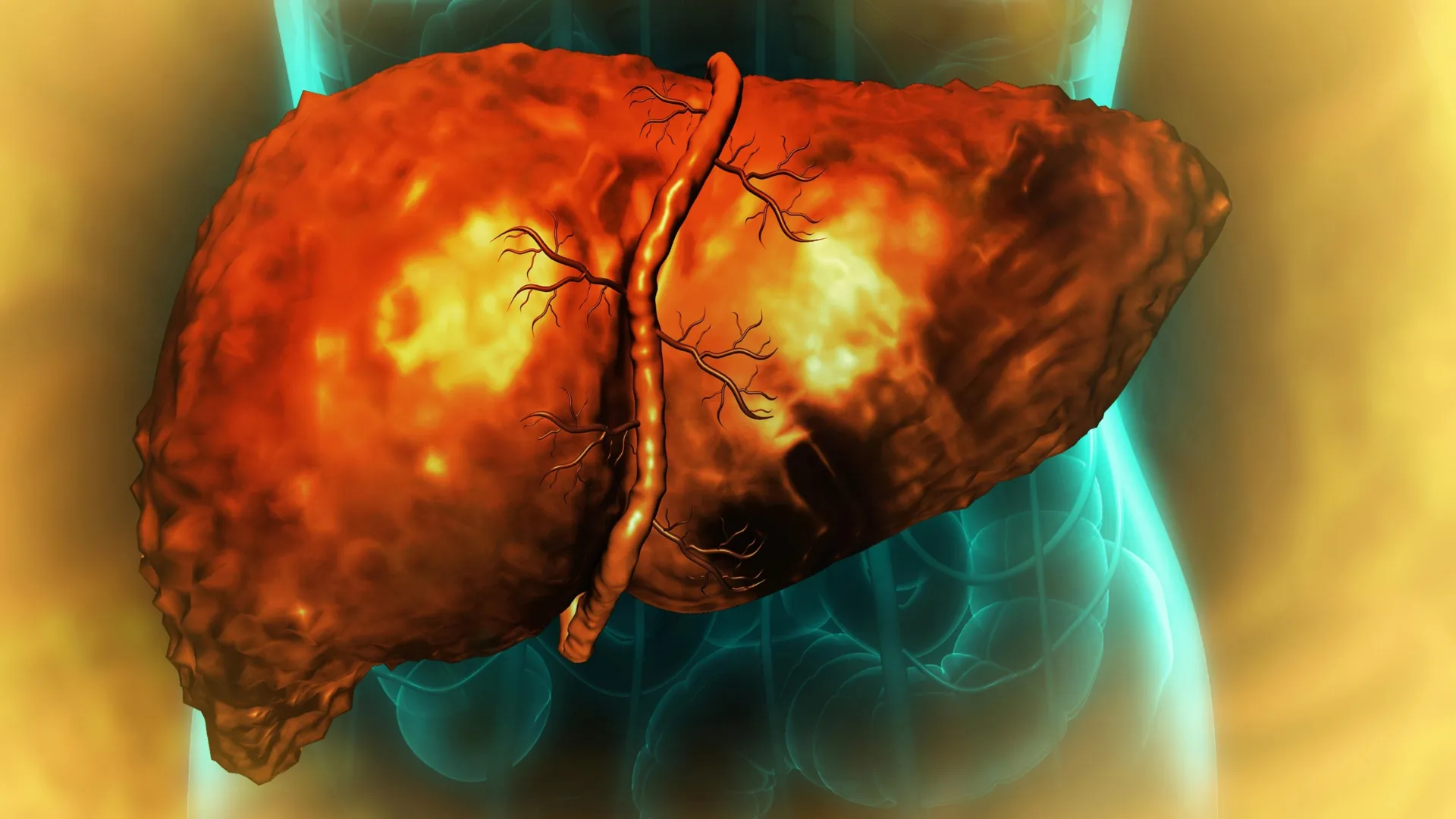
Liver disease, a complex and often silent threat, has long been understood to stem from a constellation of well-known culprits. Chronic heavy alcohol consumption, the metabolic consequences of obesity such as fatty liver disease, diabetes, and elevated cholesterol levels, alongside viral infections like hepatitis B and C, have dominated the medical and public understanding of liver health risks. However, emerging research is casting a spotlight on a less recognized, yet potentially pervasive, threat: environmental chemicals. A groundbreaking study published in the esteemed journal Liver International by researchers at Keck Medicine of USC suggests that exposure to tetrachloroethylene, widely known as PCE, may be a significant, and previously underappreciated, risk factor for serious liver damage.
PCE, a synthetic, colorless liquid with potent grease-dissolving properties, has been a workhorse in various industries for decades. Its efficacy has made it indispensable in the dry-cleaning sector, where it’s the primary solvent used to remove stains and dirt from fabrics. Beyond the laundry, PCE finds its way into a surprising array of consumer products, including adhesives used in arts and crafts, spot removers for household use, and polishes designed for stainless steel appliances. Its industrial applications are equally diverse, ranging from metal degreasing to its use as a chemical intermediate. This widespread presence in both industrial processes and everyday products creates multiple pathways for human exposure, often without individuals being fully aware of the potential risks.
The implications of this research are profound, suggesting that the complex etiology of liver disease may extend beyond individual lifestyle choices and known pathogens to encompass the invisible landscape of environmental toxins. The Keck Medicine of USC study, the first of its kind to directly examine the association between PCE levels in human blood and the presence of significant liver fibrosis, offers compelling evidence that environmental factors can play a substantial role in liver health.
The Silent Scar: Understanding Liver Fibrosis
Liver fibrosis is a critical stage in the progression of liver disease. It occurs when the liver experiences repeated injury, triggering an inflammatory response and the subsequent buildup of scar tissue. While the liver possesses a remarkable capacity for regeneration, persistent damage can overwhelm this ability, leading to a gradual accumulation of scar tissue. This scarring, if left unchecked, can stiffen the liver, impairing its intricate functions, which include detoxification, protein synthesis, and bile production. In its advanced stages, severe fibrosis can lead to cirrhosis, a condition characterized by extensive scarring and irreversible liver damage. Cirrhosis significantly elevates the risk of life-threatening complications such as liver failure, liver cancer, and ultimately, death.
The findings from the Keck Medicine study illuminate a concerning dose-response relationship between PCE exposure and liver fibrosis. The research team observed a clear pattern: as the concentration of PCE detected in an individual’s blood increased, so too did the likelihood of developing significant liver fibrosis. This correlation is particularly alarming, as it suggests that even seemingly low levels of exposure, when chronic, could contribute to detrimental health outcomes.
Dr. Brian P. Lee, MD, MAS, a leading hepatologist and liver transplant specialist at Keck Medicine and the study’s lead author, emphasized the significance of these findings. "This study, the first to examine the association between PCE levels in humans and significant liver fibrosis, underscores the underreported role environmental factors may play in liver health," Dr. Lee stated. He further elaborated, "The findings suggest that exposure to PCE may be the reason why one person develops liver disease while someone with the exact same health and demographic profile does not." This insight challenges the traditional paradigm of liver disease risk assessment, urging a broader consideration of environmental influences.
Pathways of Exposure: Where PCE Lurks
The ubiquitous nature of PCE means that exposure can occur through various channels, often subtly and unknowingly.
Inhalation and Dermal Contact: The Dry Cleaning Connection
One of the primary routes of human exposure to PCE is through inhalation. Dry-cleaned clothing, a common item in many households, can act as a slow-release reservoir for the chemical. As garments hang in closets or are worn, they gradually emit small amounts of PCE into the surrounding air, leading to ongoing low-level exposure for individuals and their families. Furthermore, workers in dry-cleaning facilities face a heightened risk due to prolonged and direct contact with the chemical during their daily operations. This occupational hazard has been a recognized concern for years, prompting regulatory measures.
Contamination of Water Sources
Another significant pathway for PCE exposure is through contaminated drinking water. Accidental spills during industrial use or improper disposal of PCE-containing waste can lead to the chemical leaching into the soil. From there, it can migrate through the soil layers and eventually reach groundwater aquifers, contaminating the sources of our tap water. This presents a systemic risk, as large populations can be exposed through their daily water consumption.
Consumer Products: An Unseen Threat
The presence of PCE in common household products, such as arts and crafts adhesives, spot removers, and stainless steel polishes, further expands the potential for exposure. While the concentrations in these individual products may be low, cumulative use and repeated contact can contribute to overall body burden. This is particularly concerning for individuals who frequently use such products or for children whose developing bodies may be more susceptible to the toxic effects of chemicals.
A History of Concern: PCE and Carcinogenicity
Concerns regarding the health effects of PCE are not new. The International Agency for Research on Cancer (IARC), a leading global authority on cancer research, classifies PCE as a probable human carcinogen. Scientific evidence has linked PCE exposure to an increased risk of several types of cancer, including bladder cancer, multiple myeloma, and non-Hodgkin lymphoma. Moreover, Dr. Lee’s previous research and other studies have also pointed to an association between PCE exposure and an elevated risk of liver cancer.
Recognizing the inherent toxicity of PCE, regulatory bodies in many developed nations have taken steps to mitigate its use. The United States Environmental Protection Agency (EPA), for instance, has initiated a 10-year phaseout of PCE use in dry cleaning, aiming to reduce its environmental presence and human exposure. The agency has also prohibited certain other applications of the chemical and implemented workplace safety regulations to protect individuals employed in industries where PCE is still utilized.
Despite these efforts, PCE may continue to be encountered in specific products and industrial applications, particularly in regions with less stringent regulatory frameworks. This global disparity in regulation highlights the ongoing need for vigilance and continued research into the effects of such chemicals.
Unpacking the Data: The NHANES Study
To rigorously investigate the potential link between PCE and liver disease, Dr. Lee and his research team meticulously analyzed data from the National Health and Nutrition Examination Survey (NHANES). NHANES is a vital public health program conducted by the Centers for Disease Control and Prevention (CDC) that provides a comprehensive, nationally representative picture of the health and nutritional status of the U.S. population. The survey collects a wealth of data, including physical examinations, laboratory tests, and interviews, offering a unique snapshot of public health trends.
The researchers focused on blood measurements from individuals aged 20 years and older, utilizing data collected between 2017 and 2020 – the most recent period for which the requisite data were available. This timeframe allowed for an examination of current exposure levels and their association with liver health markers.
A significant finding from the NHANES data was that approximately 7% of the surveyed population exhibited detectable levels of PCE in their blood. This statistic underscores the widespread nature of PCE exposure across the U.S. population, even among individuals who may not have direct occupational or known environmental exposure.
The core of the study involved correlating the presence of PCE in blood with the incidence of significant liver fibrosis. The results were stark: individuals with detectable levels of PCE in their blood were found to be three times more likely to have significant liver fibrosis compared to those with no detectable PCE exposure. This elevated risk remained statistically significant even after the researchers controlled for a wide range of confounding factors, including age, sex, race, ethnicity, and educational attainment. This adjustment is crucial, as it helps to isolate the effect of PCE from other demographic variables that could influence liver health.
Socioeconomic Disparities and Exposure Patterns
An intriguing and somewhat unexpected finding emerged from the analysis regarding socioeconomic patterns of PCE exposure. The study revealed that individuals from higher-income households were more likely to have been exposed to PCE. This observation, at first glance, might seem counterintuitive, given the known health risks associated with chemical exposure.
Dr. Lee offered a plausible explanation for this disparity: "People with higher incomes may be more likely to use dry cleaning services, which could increase their exposure to PCE," he suggested. The convenience and perceived quality of dry cleaning services often appeal to individuals with greater disposable income. However, he also pointed out the flip side of this equation: "However, people who work in dry cleaning facilities may also face elevated risk due to prolonged, direct exposure to PCE at work." This highlights a dual risk: both consumers of services that utilize PCE and workers directly handling the chemical are susceptible.
The relationship between PCE exposure and liver fibrosis became even more pronounced when the researchers examined the specific concentrations of PCE in the blood. Their analysis demonstrated a striking dose-dependent effect: for every one nanogram per milliliter (ng/mL) increase in PCE concentration – a unit representing one-billionth of a gram – the odds of having significant liver fibrosis increased five-fold. This exponential increase in risk with rising PCE levels provides strong support for a causal link, suggesting that the body’s cumulative burden of the chemical directly correlates with the severity of liver damage.
A Potential Key to Unexplained Liver Disease
Perhaps one of the most compelling aspects of this research is its potential to illuminate cases of liver disease that currently lack a clear explanation. For many patients who develop liver disease, the absence of traditional risk factors such as heavy alcohol use or conditions like obesity and diabetes can be baffling. This new research offers a potential answer, pointing towards environmental exposures as a significant, yet often overlooked, contributor.
"Patients will ask, ‘How can I have liver disease if I don’t drink and I don’t have any of the health conditions typically associated with liver disease?’ and the answer may be PCE exposure," Dr. Lee stated. This hypothesis suggests that environmental toxins like PCE could be responsible for a subset of liver disease cases that have historically been attributed to unknown or "idiopathic" causes.
While the study establishes a strong association between PCE exposure and significant liver fibrosis, it is important to note that it does not definitively prove direct causation. However, the robust nature of the association, coupled with the clear dose-response relationship observed, strongly suggests that environmental chemicals warrant closer scrutiny in the ongoing research and clinical management of liver disease.
A Call for Broader Environmental Toxin Research
The implications of this study extend beyond the specific chemical PCE. Dr. Lee expressed a strong hope that future research will broaden its scope to investigate a wider array of environmental chemicals and their potential effects on liver health. "No doubt there are other toxins in our environment besides PCE that are dangerous to the liver," he remarked. This sentiment underscores the urgent need for comprehensive research into the cumulative and synergistic effects of various environmental exposures on human health.
The findings also hold significant promise for improving early detection and intervention strategies for liver disease. By identifying individuals with higher PCE exposure, clinicians may be able to proactively screen for liver fibrosis, even in the absence of conventional risk factors. This early detection could lead to more timely interventions, potentially halting or reversing the progression of liver damage and improving patient outcomes.
"We hope our research will help both the public and physicians understand the connection between PCE exposure and significant liver fibrosis," said Dr. Lee. "If more people with PCE exposure are screened for liver fibrosis, the disease can be caught earlier, and patients may have a better chance of recovering their liver function." This proactive approach could revolutionize how liver disease is managed, shifting from reactive treatment of advanced disease to proactive prevention and early intervention based on environmental risk assessments.
The ongoing scientific endeavor to understand the intricate interplay between our environment and our health continues to evolve. This study on PCE and liver fibrosis serves as a critical reminder that the air we breathe, the water we drink, and the products we use can all have profound and lasting impacts on our well-being, urging a more holistic approach to health research and public health policy.