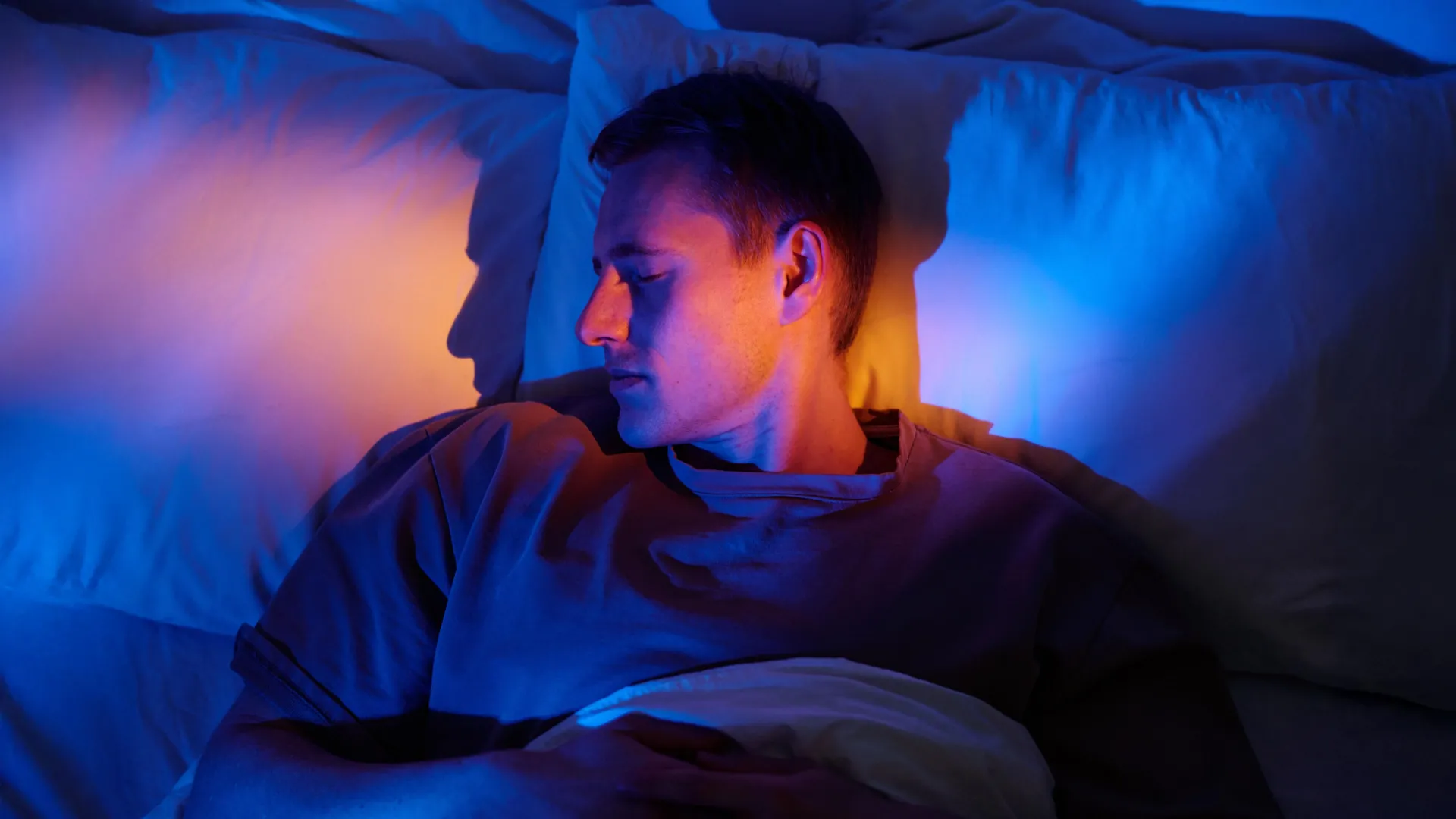
A comprehensive study involving over 11,000 individuals has revealed a significant association between exposure to artificial light at night and detrimental alterations in both the structure and function of the heart. The groundbreaking findings, published on September 9th in the esteemed European Heart Journal, shed new light on a pervasive environmental factor with potentially serious implications for cardiovascular health.
Unveiling the Silent Threat: Professor Lu Qi’s Research Initiative
The research was spearheaded by Professor Lu Qi, a distinguished figure in public health and cardiovascular research at Tulane University in New Orleans, USA. Professor Qi articulated the impetus behind the study, stating, "Previous observational studies have linked nighttime light exposure with a higher risk of cardiovascular disease, but little is known about the related cardiac structure and functional changes. We carried out this research to find out what happens to the heart over time when people are exposed to too much light at nighttime." This inquiry aimed to bridge a critical knowledge gap, moving beyond correlation to understand the mechanistic impact of light pollution on cardiac physiology.
The scientific community has long recognized the disruptive effects of light at night on human circadian rhythms, sleep patterns, and hormonal regulation. However, the direct, quantifiable impact on the physical architecture and operational efficiency of the heart remained an area requiring more rigorous investigation. Professor Qi’s team sought to provide concrete evidence of these cardiac modifications, thereby strengthening the argument for addressing light pollution as a public health concern.
A Robust Methodology: Tracking Nighttime Light Exposure and Cardiac Health
The study drew upon a substantial cohort of 11,071 participants meticulously recruited from the UK Biobank, a world-leading biomedical research resource. This large-scale dataset provided a fertile ground for robust statistical analysis and the identification of subtle yet significant trends. To accurately quantify individual exposure to artificial light during the nocturnal period, each participant was equipped with a sophisticated light sensor worn on their wrist. This device continuously monitored ambient light levels for a full seven-day period, capturing a detailed snapshot of their typical nighttime environment.
Following this initial data collection phase, a period of approximately three years elapsed. During this interval, participants underwent comprehensive cardiac Magnetic Resonance Imaging (MRI) scans. Cardiac MRI is a state-of-the-art diagnostic tool, renowned for its ability to provide exceptionally detailed, non-invasive imaging of the heart. These high-resolution scans enabled scientists to meticulously examine the intricate structural components of the heart, including the size and thickness of its chambers and walls, as well as to assess its functional capabilities, such as its pumping efficiency and the coordinated movement of its muscle.
The research team then meticulously compared data from participants who reported experiencing nighttime light levels exceeding three lux (a measure of illuminance) with those who were exposed to minimal or negligible levels of artificial light during the night. This comparative approach allowed for the isolation of the specific effects of elevated nighttime light exposure on cardiac health, controlling for other potential confounding factors. The threshold of three lux was chosen as it represents a level of illumination that, while often imperceptible to the conscious eye, can still be sufficient to disrupt the body’s natural biological processes.
Tangible Changes Within the Heart: Structural and Functional Deterioration
The analysis of the cardiac MRI scans yielded compelling and concerning results. Individuals who were exposed to higher levels of artificial light at night exhibited significant structural changes within their hearts. Specifically, the wall of the left ventricle, the heart’s primary pumping chamber responsible for circulating oxygenated blood to the entire body, showed a notable thickening. This thickening of the ventricular wall, a phenomenon known as cardiac remodeling, had a direct consequence on the chamber’s capacity. As the wall became more robust, the internal volume available for blood within the left ventricle was consequently reduced.
Beyond structural alterations, the scans also revealed functional impairments. Evidence suggested that the heart muscle was exhibiting a diminished ability to contract and relax effectively during each heartbeat. This reduced cardiac flexibility is considered an early indicator that the heart’s overall efficiency is beginning to decline. The detrimental effects were not confined to the left ventricle; changes were also detected in the right ventricles, which pump blood to the lungs, and the left atria, the upper chambers that receive oxygenated blood from the lungs.
Professor Qi elaborated on the significance of these findings, emphasizing, "This is the first study of its kind, and it shows that exposure to higher levels of light at nighttime is linked to cardiac remodeling. This is where the structure and function of the heart changes, and we typically see it in response to chronic stress or injury to the heart. It’s our body’s way of adapting to that stress, but ultimately it weakens the heart and can lead to heart failure." This statement underscores the potential long-term trajectory of these light-induced changes, linking them to a cascade of events that can compromise cardiac health and potentially lead to severe conditions like heart failure.
The concept of cardiac remodeling is well-established in cardiovascular medicine, often occurring in response to conditions such as hypertension, heart valve disease, or myocardial infarction (heart attack). The novel contribution of this study is the identification of artificial light at night as a potential environmental trigger for this maladaptive process, operating independently or synergistically with other known risk factors.
Light Pollution: An Emerging Cardiovascular Risk Factor
Professor Qi concluded his remarks with a strong statement on the broader implications of the research: "Light pollution has emerged as a new risk factor for cardiovascular disease. Our findings, together with evidence from other studies, suggest that reduction of nighttime light exposure should be considered as one of the potential strategies for preventing heart disease by clinicians and policy makers." This assertion positions light pollution not merely as an aesthetic nuisance or an environmental issue, but as a tangible and actionable public health challenge with direct links to cardiovascular morbidity and mortality.
The escalating prevalence of artificial light at night, driven by urbanization, industrialization, and increased energy consumption, has transformed the nocturnal landscape globally. This phenomenon, often termed "light pollution," has been linked to a host of adverse health outcomes, including sleep disturbances, metabolic disorders, and an increased risk of certain cancers. The current study adds a critical piece to this growing body of evidence by demonstrating a direct impact on the heart’s structural integrity and functional performance.
Expert Commentary: Embracing Darkness as a Vital Sign
The publication of these pivotal findings was accompanied by a thought-provoking editorial penned by Professor Thomas Münzel of the University Medical Center Mainz, Germany, and his esteemed colleagues. The editorialists strongly advocated for a re-evaluation of clinical practices, suggesting that healthcare professionals should more actively inquire about their patients’ sleep environments. They argued that this consideration is particularly crucial for individuals already managing existing cardiovascular conditions.
"It is time for clinicians, particularly those managing patients with heart failure or atrial fibrillation, to start asking about the sleep environment: how dark the bedroom is, whether the patient works night shifts, and how much screen use occurs after sunset," the editorialists stated. This call to action highlights a shift in perspective, urging clinicians to incorporate environmental factors into their patient assessments.
The editorial offered practical, cost-effective recommendations for mitigating nighttime light exposure. "The advice is simple and inexpensive: blackout curtains, warm-coloured bedside lighting, and covering the small standby LEDs on household electronics," they suggested. These accessible interventions underscore the agency individuals have in protecting their cardiovascular health by creating a darker sleep sanctuary.
On a broader public health scale, the implications are even more profound. "From a public health perspective, the implications are larger still. Light pollution is one of the few environmental hazards that cities can control directly and affordably," the editorialists emphasized. They pointed to readily available solutions for urban planning and infrastructure: "Shielded fixtures, warm-spectrum bulbs, and dimming or motion-activated streetlights are already available, energy-efficient, and climate-friendly." These recommendations align with sustainable development goals and demonstrate that addressing light pollution can yield multiple benefits, including energy savings and reduced carbon emissions.
A Paradigm Shift: Darkness as Essential for Cardiovascular Well-being
The editorial concluded with a powerful synthesis of the study’s significance: "Ultimately, this study is more than an interesting observation. It provides a crucial link between what satellites already show us, i.e. a planet glowing ever brighter at night, and the clinical reality unfolding inside our chests: hearts that are becoming stiffer, weaker, and less efficient. The relationship is biologically coherent, the effect sizes are clinically meaningful, and the dose-response is unambiguous: more light, worse outcomes." This statement eloquently articulates the convergence of global environmental monitoring with individual physiological health. The visible increase in artificial light observed from space now has a discernible and concerning correlate within the human cardiovascular system.
The editorialists advanced a compelling argument for recognizing darkness as a fundamental component of health: "The takeaway is clear, darkness deserves recognition as a vital sign, as essential to cardiovascular health as blood pressure control and clean air." This paradigm-shifting assertion elevates darkness from a mere absence of light to an active and necessary condition for optimal physiological function, particularly for the cardiovascular system. Just as maintaining healthy blood pressure and breathing clean air are paramount, so too is ensuring adequate periods of darkness for the body’s restorative processes, including those that govern cardiac health.
Broader Impact and Future Directions
The implications of this research extend beyond individual health choices and clinical recommendations. It calls for a concerted effort from urban planners, policymakers, and energy providers to re-evaluate current lighting strategies. The over-illumination of urban environments, often driven by perceptions of enhanced safety or aesthetic appeal, may be inadvertently contributing to a growing epidemic of cardiovascular disease.
Further research is warranted to elucidate the precise biological mechanisms through which nighttime light exposure impacts cardiac remodeling. Understanding these pathways could lead to the development of targeted interventions or therapies. Additionally, longitudinal studies examining the long-term consequences of sustained nighttime light exposure on cardiovascular health outcomes, such as heart attack and stroke, will be crucial in solidifying the evidence base.
The findings of Professor Lu Qi’s study, amplified by the insightful commentary of Professor Thomas Münzel and his colleagues, represent a significant step forward in our understanding of the complex interplay between our environment and our health. They serve as a potent reminder that even seemingly innocuous aspects of modern life, such as the ubiquitous glow of artificial light at night, can harbor profound implications for our well-being, urging a collective re-evaluation of our relationship with light and darkness. The call to action is clear: to protect our hearts, we must learn to embrace the restorative power of darkness.