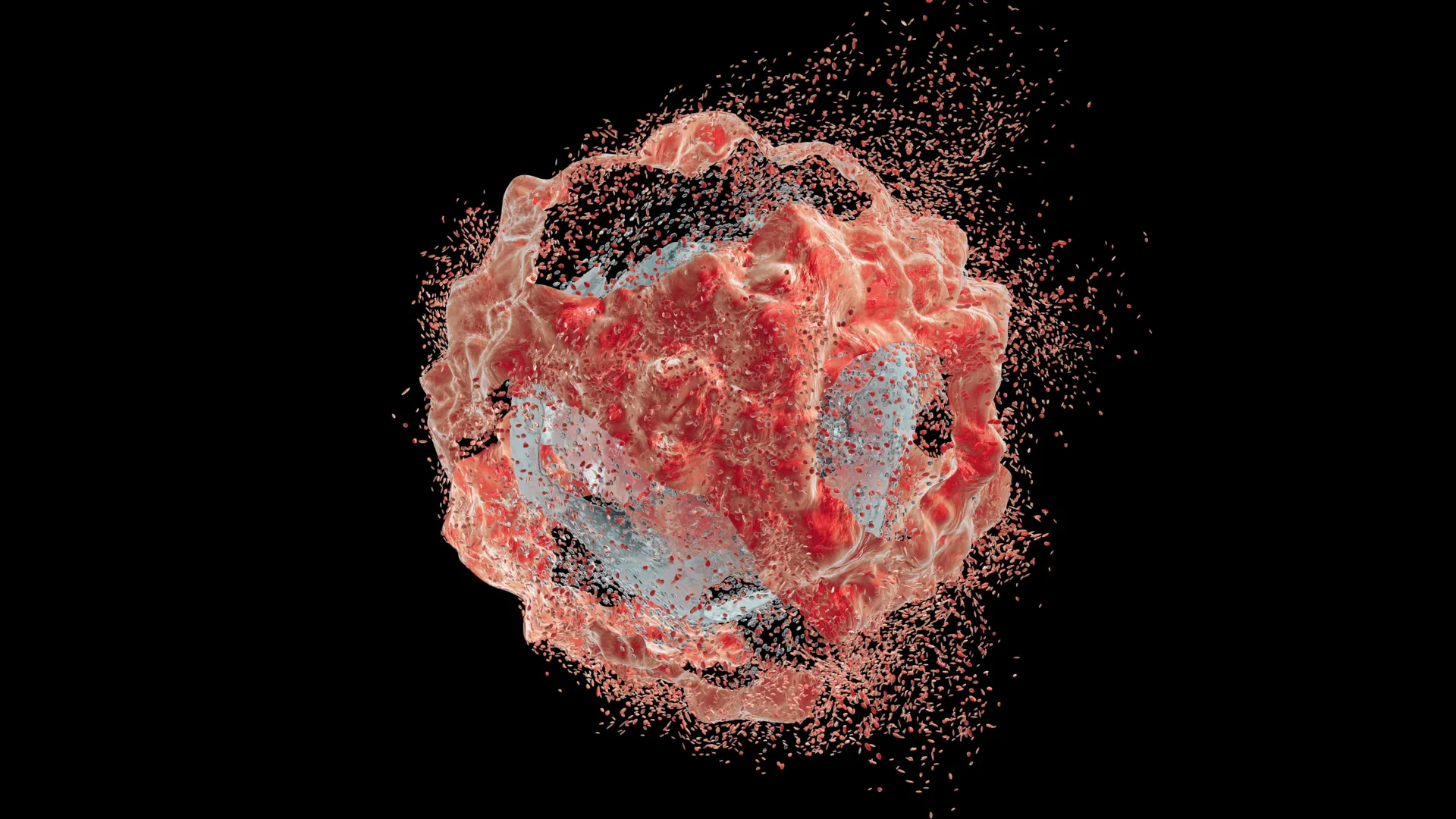
Researchers at Sylvester Comprehensive Cancer Center have identified a groundbreaking approach to dismantle one of pancreatic cancer’s most formidable defenses, paving the way for a novel clinical trial. The innovative strategy centers on inhibiting IL1RAP, a crucial receptor that orchestrates inflammatory signaling and plays a pivotal role in coordinating the complex network of cells surrounding pancreatic tumors, often referred to as the tumor microenvironment. This pioneering work is now poised to enter a first-of-its-kind neoadjuvant clinical trial, which will combine IL1RAP-targeted therapy with chemoimmunotherapy in patients with surgically operable pancreatic cancer, administered before their scheduled surgery.
The Persistent Challenge of Pancreatic Cancer Treatment
Pancreatic cancer has long been recognized as one of the most challenging and deadliest forms of cancer to treat successfully. Its aggressive nature and tendency to spread early, coupled with a highly resistant tumor microenvironment, contribute to its grim prognosis. For decades, treatment strategies have struggled to overcome these inherent biological hurdles. While recent advancements, such as the development of KRAS-targeted therapies, have shown promise in extending survival for patients with metastatic disease, bringing these cutting-edge treatments to patients with surgically resectable tumors is a lengthy process that is still years away. This leaves an urgent and unmet need for innovative therapeutic avenues for individuals whose cancer can still be surgically removed, offering a critical window for intervention.
The tumor microenvironment is not merely a passive bystander in cancer progression; it is an active participant. This intricate ecosystem comprises a diverse array of cells, including cancer-associated fibroblasts (CAFs), immune cells (both pro-tumorigenic and anti-tumorigenic), blood vessels, and extracellular matrix components. These elements interact dynamically with cancer cells, creating a protective shield that can foster tumor growth, promote metastasis, and, crucially, confer resistance to conventional therapies like chemotherapy and radiation. Understanding and modulating this complex interplay is paramount to developing more effective treatments.
Unraveling the Role of IL1RAP in Tumor Resistance
In a significant study published in the prestigious journal JCI Insight, Jashodeep Datta, M.D., and his team at Sylvester Comprehensive Cancer Center have elucidated how IL1RAP acts as a central linchpin, effectively linking tumor cells, immune cells, and fibroblasts into a cohesive, coordinated system that underpins treatment resistance. This coordinated network actively works to support the cancer’s survival and ability to evade therapeutic interventions.
Pancreatic tumors, like many other cancers, do not thrive in isolation. Instead, they are deeply reliant on the support and signaling from their surrounding cellular neighbors. These stromal cells provide essential growth factors, nutrients, and signals that enable cancer cells to adapt to stressful conditions, proliferate unchecked, and, most importantly, develop resistance to treatments designed to eradicate them. IL1RAP, researchers have discovered, is a key mediator in this supportive infrastructure.
"When we target IL1RAP, we are essentially blocking a shared ‘helper’ receptor that a multitude of inflammatory signals depend on to transmit their messages," explained Dr. Datta, a renowned pancreatic and hepatobiliary surgical oncologist, co-leader of the Gastrointestinal Site Disease Group at Sylvester, and the senior author of the study. "This receptor acts as a critical node in the communication network that fuels tumor growth and protects it from therapeutic attack."
Disrupting the Inflammatory Network: A New Paradigm
The discovery that IL1RAP serves as a convergence point for multiple inflammatory signals is particularly significant. By inhibiting this single receptor, researchers anticipate the disruption of a much broader network of tumor-promoting pathways. This is especially relevant in pancreatic cancer, which often establishes a highly inflamed tumor microenvironment that simultaneously suppresses the immune system. This paradoxical state of being "inflamed but immune-suppressed" significantly diminishes the efficacy of both chemotherapy and immunotherapy, two cornerstones of modern cancer treatment. High levels of IL1RAP appear to be instrumental in maintaining both this pro-tumorigenic inflammation and the resulting treatment resistance.
The hypothesis is straightforward: if IL1RAP is instrumental in maintaining the tumor’s protective system, then disrupting its function could render these defenses more vulnerable and easier to overcome.
Preclinical Evidence: Transforming the Tumor Microenvironment
The preclinical studies conducted by the Sylvester team provided compelling evidence to support this hypothesis. Their research demonstrated that inhibiting IL1RAP profoundly altered the tumor microenvironment in several critical ways. Notably, the abundance of immune-suppressive cells within the tumor decreased significantly. Concurrently, the activity and functionality of T cells, crucial components of the anti-cancer immune response, were enhanced. Furthermore, the tumors exhibited reduced fibrosis, a hallmark of a stiff and resistant tumor stroma, and showed a more robust response to combination therapies.
This innovative approach represents a departure from solely focusing on directly attacking cancer cells. Instead, the strategy aims to fundamentally alter the protective microenvironment that shields them, thereby creating conditions that allow existing therapies to operate with greater effectiveness. This "environmental reprogramming" is a key innovation that could unlock new avenues for treatment.
From Bench to Bedside: The Clinical Trial Journey
The identification of IL1RAP as a potential therapeutic vulnerability, coupled with the compelling evidence linking its activity to treatment response, has provided a strong scientific foundation for translating these findings into clinical practice. Based on these promising early-stage results, Sylvester Comprehensive Cancer Center is moving forward with a groundbreaking neoadjuvant clinical trial. This trial will investigate the safety and efficacy of combining an IL1RAP-targeted treatment with standard chemoimmunotherapy in patients diagnosed with operable pancreatic cancers, administered in the crucial period leading up to surgical resection.
"Moving this work into a clinical trial is a landmark development for our GI cancer program at Sylvester," Dr. Datta stated enthusiastically. "We are testing a clear, patient-centered strategy designed to disrupt IL1RAP using a treatment plan that can be readily delivered in a clinical setting. This represents a tangible step forward in our fight against this devastating disease."
A significant advantage of this neoadjuvant approach is the opportunity for researchers to directly assess the biological impact of the treatment. Because patients will receive therapy before surgery, their tumors can be examined both before and after treatment. This provides an exceptionally direct and valuable window into how the specific biology of each patient’s cancer responds to the therapeutic intervention, offering invaluable insights for refining future treatment strategies and personalizing care.
"Every new approach we explore helps us learn more about this complex disease," remarked Peter Hosein, M.D., a co-author of the study, co-leader of the Gastrointestinal Cancers Site Disease Group at Sylvester, associate director for clinical research at SPCRI, and a professor of clinical medicine at the Miller School. "This trial offers us a unique opportunity to directly connect the fundamental science with patient outcomes, which is absolutely essential for advancing the field and ultimately improving survival rates for pancreatic cancer patients."
Sustained Support for Translational Research
The critical research that underpins this promising new treatment strategy has been made possible through the generous support of The V Foundation for Cancer Research. The team, led by Dr. Datta, was awarded a highly competitive Translational Research Grant, a testament to the scientific merit and potential impact of their work. These grants are awarded to a select group of translational research projects annually, following a rigorous national peer-review process. The V Foundation’s commitment to "bench-to-bedside" research is crucial for accelerating the translation of promising laboratory discoveries into early-phase clinical trials that can benefit patients. The $800,000 awarded over four years will provide essential funding to sustain this vital research and advance the IL1RAP-targeted therapy toward broader clinical application.
Broader Implications and Future Outlook
The implications of this research extend beyond pancreatic cancer. The IL1RAP receptor is implicated in the inflammatory processes of various other cancers, suggesting that this therapeutic strategy could potentially be applicable to a wider range of malignancies. By targeting the tumor microenvironment and its intricate signaling networks, researchers are opening up new frontiers in cancer therapy, moving beyond traditional cytotoxic approaches to more sophisticated, multi-pronged strategies.
The success of this neoadjuvant trial will not only provide critical data on the safety and efficacy of IL1RAP inhibition in pancreatic cancer but will also serve as a powerful proof-of-concept for similar approaches in other cancer types. The ability to directly observe the biological changes induced by the therapy in human tumors offers an unparalleled opportunity to refine our understanding of treatment resistance mechanisms and develop even more targeted and effective interventions. As the field of oncology continues to evolve, strategies that harness the body’s own immune system and reprogram the tumor microenvironment are expected to play an increasingly significant role in achieving durable responses and improving patient outcomes. The work at Sylvester represents a significant stride in this direction, offering a renewed sense of hope for patients facing this formidable disease.