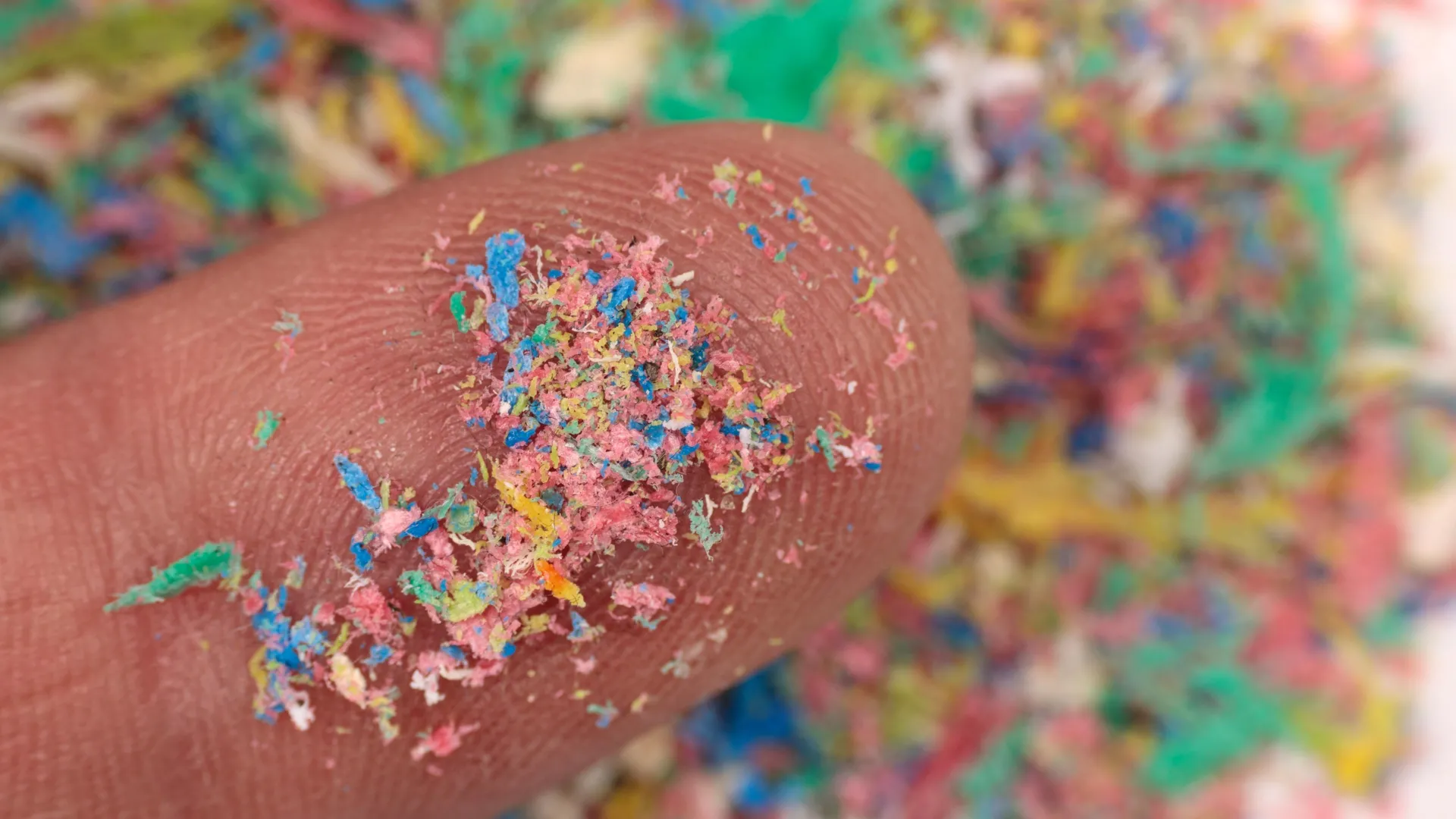
The World Institute of Kimchi (WiKim), a prominent government-funded research institution operating under the Ministry of Science and ICT, has unveiled groundbreaking findings suggesting that a specific lactic acid bacterium isolated from the fermented staple, kimchi, possesses the remarkable ability to bind to nanoplastics within the human intestine, thereby promoting their removal from the body. This discovery, spearheaded by a research team led by Drs. Se Hee Lee and Tae Woong Whon, offers a potential biological avenue to combat the growing public health concern of nanoplastic accumulation.
The Pervasive Threat of Nanoplastics
Nanoplastics, defined as plastic particles measuring less than one micrometer in diameter, are a ubiquitous environmental pollutant. They are generated through the gradual degradation of larger plastic debris, a process accelerated by sunlight, physical abrasion, and microbial activity. These microscopic fragments are insidious, permeating our environment and finding their way into the human body through various pathways, most notably contaminated food and drinking water. The minuscule size of nanoplastics is particularly alarming, as it enables them to bypass natural biological barriers. Once ingested, they can traverse the intestinal lining and potentially translocate to vital organs such as the kidneys and brain, raising significant concerns about long-term health impacts, including inflammation, oxidative stress, and potential disruptions to cellular functions.
Despite the escalating awareness of nanoplastic pollution as a critical environmental and public health issue, effective strategies for mitigating their accumulation within the gastrointestinal tract remain in their nascent stages of development. Current approaches primarily focus on reducing plastic waste generation and improving waste management, with biological interventions largely unexplored.
A Kimchi-Derived Solution Emerges
The WiKim research team focused their investigation on a specific lactic acid bacterium, Leuconostoc mesenteroides CBA3656, a strain meticulously isolated from traditional Korean kimchi. The objective was to assess its efficacy in adsorbing and binding to polystyrene nanoplastics (PS-NPs), a common type of nanoplastic used in various consumer products and widely detected in environmental samples.
The research employed a multi-stage experimental design, beginning with standard laboratory conditions. Under these controlled settings, Leuconostoc mesenteroides CBA3656 demonstrated a robust adsorption efficiency of 87%. This performance was found to be highly competitive, closely mirroring that of a reference strain, Latilactobacillus sakei CBA3608, which exhibited an 85% adsorption rate.
Simulating the Human Intestinal Environment
The critical phase of the study involved evaluating the bacteria’s performance under simulated human intestinal conditions. This simulated environment is crucial for understanding how the bacteria would function within the complex and dynamic biological landscape of the human gut. The results here revealed a significant divergence in performance between the two bacterial strains. While the adsorption rate of Latilactobacillus sakei CBA3608 plummeted drastically to a mere 3% under these simulated conditions, Leuconostoc mesenteroides CBA3656 maintained a substantially higher and more impressive adsorption level of 57%.
This stark contrast highlights a key characteristic of the kimchi-derived strain: its remarkable ability to form stable bonds with nanoplastics even in an environment that closely replicates the human intestinal tract, with its varying pH levels, enzymatic activity, and the presence of other gut microbiota. This resilience suggests that Leuconostoc mesenteroides CBA3656 could be a viable candidate for developing probiotic interventions aimed at nanoplastic reduction.
Evidence from Animal Models
To further validate these findings and assess the in-vivo implications, the research team conducted experiments using a germ-free mouse model. Germ-free animals are crucial for such studies as they lack pre-existing gut microbiota, allowing researchers to isolate the effects of the administered probiotic without confounding factors.
In these animal trials, both male and female mice that were administered Leuconostoc mesenteroides CBA3656 exhibited a more than twofold increase in the quantity of nanoplastics detected in their feces when compared to a control group that did not receive any probiotic treatment. This observation strongly suggests that the probiotic bacterium actively facilitates the excretion of nanoplastics from the body by binding to them within the intestinal lumen, thereby preventing their reabsorption and promoting their elimination. The consistency of the results across both sexes further underscores the potential broad applicability of this intervention.
Broader Implications and Future Directions
The study’s findings carry significant implications for both public health and the burgeoning field of environmental microbiology. They provide robust scientific evidence that lactic acid bacteria derived from traditional fermented foods like kimchi can exert beneficial effects beyond their well-established roles in food preservation and fermentation. This research expands our understanding of how these microorganisms might interact with and mitigate the impact of environmental micropollutants.
The implications of this research are far-reaching. As plastic pollution continues to escalate globally, impacting ecosystems and human health, the discovery of natural, biological solutions becomes increasingly vital. The use of probiotics derived from fermented foods offers a promising, sustainable, and potentially accessible approach to addressing the challenge of nanoplastic accumulation.
Dr. Sehee Lee, the lead researcher of the study, articulated the significance of their work, stating, "Plastic pollution is increasingly recognized not only as an environmental issue but also as a public health concern. Our findings suggest that microorganisms derived from traditional fermented foods could represent a new biological approach to address this emerging challenge. We will continue to expand the scientific value of kimchi microbial resources to contribute to public health and environmental solutions."
This sentiment underscores the potential for harnessing the rich microbial diversity found in traditional food sources to develop innovative solutions for modern environmental and health crises. The WiKim team’s commitment to further exploring the microbial resources of kimchi signals a promising trajectory for future research in this area.
Background and Chronology of the Research
The World Institute of Kimchi, established in 2017, has been at the forefront of research and development related to kimchi, a cornerstone of Korean cuisine renowned for its nutritional and health benefits. The institute’s mandate includes not only the scientific exploration of kimchi’s components but also the promotion of its global recognition and industrialization.
The genesis of this particular study likely stemmed from the growing scientific interest in the gut microbiome and its profound influence on human health, coupled with the escalating global concern over microplastic and nanoplastic contamination. While the exact timeline of the research project is not publicly detailed, it is reasonable to infer that it involved several phases:
- Initial Screening and Isolation: Researchers would have begun by isolating various lactic acid bacteria from diverse kimchi samples, focusing on those known for their probiotic potential and resilience.
- In Vitro Adsorption Assays: The promising strains, such as Leuconostoc mesenteroides CBA3656, would then undergo laboratory testing to evaluate their ability to bind to nanoplastics under controlled conditions. This phase would have established the baseline adsorption efficiencies.
- Simulated Intestinal Environment Testing: The next critical step would have been to replicate the complex conditions of the human gut to assess the bacteria’s sustained efficacy. This is where the differential performance of the strains would have become apparent.
- In Vivo Animal Studies: Positive results from in vitro studies would have paved the way for animal trials, employing germ-free models to confirm the probiotic effect on nanoplastic excretion in a living organism.
- Data Analysis and Publication: Rigorous analysis of all collected data, followed by peer review and publication in a scientific journal, would mark the culmination of this research phase.
The announcement by WiKim signifies the successful completion of these research stages and the validation of their hypothesis.
Supporting Data and Scientific Rationale
The scientific rationale behind this research is rooted in the understanding of bacterial cell surface properties and their interactions with foreign particles. Lactic acid bacteria, including Leuconostoc species, possess diverse surface molecules, such as exopolysaccharides and surface proteins, which can exhibit varying affinities for different substances. In the case of nanoplastics, these bacterial surface components can act as binding sites, forming complexes with the plastic particles.
The significant drop in adsorption for Latilactobacillus sakei CBA3608 under simulated intestinal conditions suggests that its surface properties might be more susceptible to changes in pH or enzymatic activity present in the gut environment. Conversely, the sustained high performance of Leuconostoc mesenteroides CBA3656 indicates a more robust and stable binding mechanism, less affected by these environmental variables.
The animal study data, showing a twofold increase in fecal nanoplastics, provides direct evidence of enhanced excretion. This is a crucial outcome, as it implies that the ingested nanoplastics, bound by the probiotic, are prevented from entering the bloodstream or accumulating in tissues, and are instead efficiently eliminated from the body.
Official and Expert Reactions (Inferred)
While specific official reactions from government bodies or independent experts are not detailed in the provided content, it is highly probable that this research has garnered significant attention within scientific and governmental circles.
- Ministry of Science and ICT: As the supervising ministry, the Ministry of Science and ICT would likely view these findings as a significant achievement in advancing Korea’s leadership in biotechnology and public health research. They may consider supporting further development and potential commercialization of this probiotic.
- Public Health Organizations: Global health organizations such as the World Health Organization (WHO) and environmental agencies are constantly seeking innovative solutions to address pollution-related health risks. This research offers a novel, biological approach that aligns with their objectives.
- Scientific Community: The broader scientific community, particularly researchers in microbiology, environmental science, and toxicology, would likely welcome these findings as a crucial step forward in understanding and mitigating nanoplastic exposure. The study’s publication in a reputable scientific journal would facilitate wider dissemination and inspire further research.
- Food Industry and Probiotic Manufacturers: Companies involved in the production of fermented foods and probiotics may see this as an opportunity to develop new functional food products with added health benefits related to nanoplastic management.
Broader Impact and Implications for Public Health and Environment
The implications of this research extend beyond the immediate findings. It opens up new avenues for developing functional foods and probiotics that can actively contribute to detoxification processes within the human body.
- Preventative Health Measures: Incorporating kimchi or kimchi-derived probiotics into the diet could become a preventative measure against the long-term health consequences of nanoplastic exposure, particularly for individuals with high exposure risks.
- Sustainable Solutions: This biological approach offers a more sustainable and environmentally friendly alternative to some chemical or physical methods of pollutant removal.
- Economic Opportunities: The potential development of novel probiotic supplements or fortified food products based on this research could create new economic opportunities within the food and biotechnology sectors.
- Global Health Impact: If proven effective and scalable, this discovery could have a significant positive impact on global public health, especially in regions heavily affected by plastic pollution.
The World Institute of Kimchi’s pioneering work in identifying Leuconostoc mesenteroides CBA3656 as a potential nanoplastic binder represents a significant leap forward in our fight against the pervasive threat of microplastic and nanoplastic pollution. This research not only underscores the immense scientific potential of traditional fermented foods but also offers a beacon of hope for developing innovative, nature-based solutions to pressing global health and environmental challenges. The continued exploration of kimchi’s microbial wealth promises to yield further insights into its multifaceted benefits for human well-being and planetary health.