A Rwandan national, Dr. Vincent Brown, 65, residing in north London and formerly known as Dr. Vincent Bajinya, has become the first individual to be formally charged in the United Kingdom with offences directly related to the devastating 1994 Rwandan genocide. The Crown Prosecution Service (CPS) announced these unprecedented charges, marking a significant development in the global pursuit of accountability for one of the 20th century’s most horrific atrocities. Dr. Brown faces one charge of conduct ancillary to genocide and six charges of conduct ancillary to murder as a crime against humanity. His appearance at Westminster Magistrates’ Court on Tuesday is anticipated to initiate a complex legal process that underscores the UK’s evolving commitment to universal jurisdiction for international crimes.
The Charges and the Accused
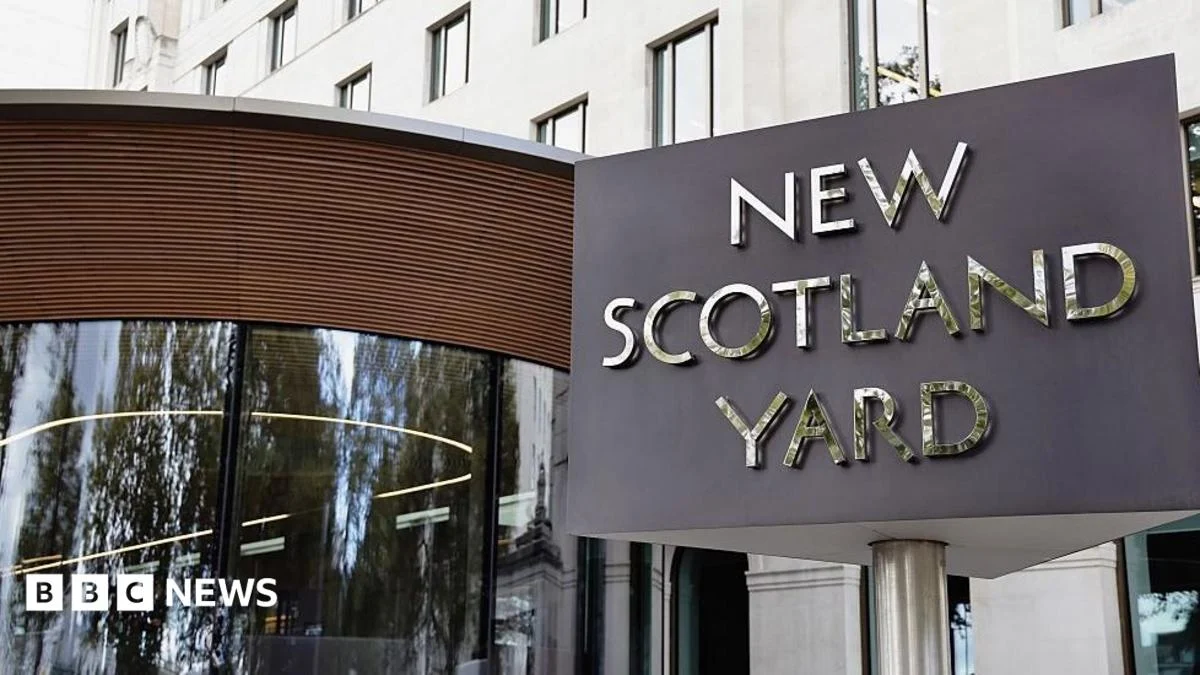
Frank Ferguson, head of the CPS’s Special Crime and Counter Terrorism Division, detailed the gravity of the allegations, stating that Dr. Brown "is alleged to have directed and incited acts of murder and genocide carried out by others." The charges stem from a meticulous review of evidence compiled by the Metropolitan Police’s specialist War Crimes Team. This decision, Ferguson confirmed, followed the conclusion that the legal test for bringing criminal charges had been met, signifying a robust body of evidence against the accused. The specific district of Kigali mentioned in the initial request from the Rwandan government, Rugenge, highlights the localised nature of some of the alleged atrocities, even within the broader, nationwide campaign of extermination.
The investigation into Dr. Brown’s alleged involvement began in September 2019, following a formal request from the Rwandan government. This request sought the investigation of individuals suspected of participation in the genocide within the Rugenge district of Kigali in April 1994. The Metropolitan Police described the seven-year investigation leading to these charges as "complex and extensive," reflecting the inherent difficulties in gathering evidence, locating witnesses, and navigating legal frameworks across international borders decades after the events.
Historical Context: The Rwandan Genocide of 1994
To fully grasp the magnitude of these charges, it is crucial to understand the historical backdrop of the Rwandan genocide. Over approximately 100 days, from April to July 1994, an estimated 800,000 people were systematically murdered across Rwanda. The primary targets were members of the minority Tutsi ethnic group, along with politically moderate Hutus who opposed the extremist Hutu Power ideology. The scale and speed of the killings were unprecedented in modern history, with an average of 8,000 people killed per day, predominantly using rudimentary weapons like machetes, clubs, and firearms.
The roots of the genocide are deeply embedded in Rwanda’s colonial past and subsequent post-independence political landscape. Belgian colonial rule, which ended in 1962, exacerbated existing ethnic divisions by favouring the Tutsi minority and issuing identity cards that explicitly designated ethnicity. This created a rigid social hierarchy and resentment among the Hutu majority. After independence, Hutu-led governments often exploited these divisions, propagating anti-Tutsi rhetoric and institutionalising discrimination.
By the early 1990s, Rwanda was a cauldron of political instability. The Hutu Power ideology, which advocated for the extermination of Tutsis, gained significant traction through state-sponsored media, particularly Radio Télévision Libre des Mille Collines (RTLM), which relentlessly broadcast dehumanising propaganda. Concurrently, the Rwandan Patriotic Front (RPF), a Tutsi-dominated rebel group formed by exiles in Uganda, launched an insurgency in 1990, leading to a civil war. Efforts to broker peace, notably the Arusha Accords of 1993, which proposed power-sharing and the integration of the RPF into the national army, were vehemently opposed by Hutu extremists.
The immediate catalyst for the genocide was the assassination of Rwandan President Juvénal Habyarimana, a Hutu, when his plane was shot down on April 6, 1994. Although the perpetrators remain disputed, Hutu extremists swiftly blamed the RPF and used the event as a pretext to unleash a meticulously planned campaign of extermination. Within hours of the plane crash, roadblocks were erected, prominent moderate Hutu politicians and Tutsi figures were targeted and killed, and the widespread slaughter began. The Interahamwe and Impuzamugambi militias, armed and trained by the government, alongside elements of the Rwandan Armed Forces (FAR) and even ordinary citizens incited by propaganda, carried out the killings with brutal efficiency.
The international community’s response was largely inadequate. The United Nations Assistance Mission for Rwanda (UNAMIR), a peacekeeping force, had its mandate severely curtailed and its numbers drastically reduced after the killings began, leaving Tutsis and moderate Hutus largely unprotected. The genocide only ended in July 1994 when the RPF, under the command of Paul Kagame, defeated the Rwandan government forces and seized control of the country. In the aftermath, the mainly Tutsi forces who took power were also alleged to have killed thousands of Hutu people in retaliation, an aspect that has been subject to various investigations and debates.
The International Pursuit of Justice
The quest for justice for the Rwandan genocide has been a long and arduous journey. Immediately following the atrocities, the United Nations established the International Criminal Tribunal for Rwanda (ICTR) in Arusha, Tanzania, in November 1994. Over its lifespan, which officially ended in 2015, the ICTR indicted 93 individuals, including high-ranking government officials, military leaders, and media executives, for genocide, crimes against humanity, and war crimes. Its work resulted in 62 convictions, providing crucial legal precedent and contributing significantly to the understanding of genocide as a crime.
In parallel, Rwanda itself implemented a unique system of justice known as Gacaca courts. These traditional community-based courts were revived to process the overwhelming number of genocide suspects, estimated to be over a million. From 2002 to 2012, Gacaca courts heard more than 1.2 million cases, aiming to foster reconciliation and provide a form of justice that was accessible and culturally relevant, albeit with criticisms regarding due process and potential for bias.
Beyond these dedicated mechanisms, the principle of universal jurisdiction has allowed national courts in various countries to prosecute individuals for international crimes like genocide, war crimes, and crimes against humanity, regardless of where the crimes were committed or the nationality of the perpetrator or victim. This principle is precisely what underpins the UK’s charges against Dr. Brown. Countries like France, Belgium, Canada, and the Netherlands have previously investigated and prosecuted Rwandan genocide suspects, demonstrating a global commitment to ensuring that perpetrators cannot find safe haven.
The UK’s Role and Commitment to War Crimes Prosecution
The charges against Dr. Vincent Brown mark a watershed moment for the United Kingdom. While the UK has a dedicated War Crimes Team within the Metropolitan Police and the CPS, and has previously been involved in investigations related to other conflicts, this is the first instance of charges being brought for offences directly related to the 1994 Rwandan genocide.
Commander Helen Flanagan, head of Counter Terrorism Policing London, articulated the significance of this development: "This case demonstrates the UK is not a safe haven for individuals suspected of committing international crimes." Her statement reinforces the UK’s stance that those who commit or incite atrocity crimes, irrespective of where or when they occurred, will be pursued and held accountable through due legal process if they come within UK jurisdiction.
The War Crimes Team, formed in 1991, plays a crucial role in fulfilling the UK’s international obligations under various treaties and conventions, including the Geneva Conventions and the Rome Statute of the International Criminal Court (ICC). Its mandate includes investigating allegations of war crimes, crimes against humanity, and genocide committed anywhere in the world, where there is a potential link to the UK (e.g., the suspect resides in the UK). This team operates within the broader framework of Counter Terrorism Policing, reflecting the serious nature of these international crimes.
Commander Flanagan also confirmed that "a number of other investigations remain ongoing into other individuals in the UK for similar offences related to the genocide in Rwanda." This indicates that the charges against Dr. Brown may be the first of several, suggesting a continued and vigorous effort by UK authorities to address the presence of alleged genocide perpetrators within its borders.
Broader Implications and Ongoing Efforts
The prosecution of Dr. Brown carries significant implications, both domestically and internationally. For survivors of the Rwandan genocide, it represents a glimmer of hope for justice, decades after their immense suffering. It sends a clear message that time and distance will not necessarily shield perpetrators from accountability. For the UK, it solidifies its reputation as a country committed to upholding international law and prosecuting the gravest crimes known to humanity. It also highlights the painstaking work required by law enforcement and legal bodies to build cases for historical atrocities, often relying on international cooperation, forensic evidence, and the testimony of elderly witnesses.
The case also brings to the forefront the challenges inherent in prosecuting such crimes. Evidence collection from events that occurred three decades ago, particularly in a different continent, can be incredibly complex. Witnesses may have died, memories may have faded, or documents may be lost. Defence strategies often challenge the authenticity of evidence or the reliability of witness testimonies. Furthermore, legal definitions of genocide and ancillary conduct must be rigorously applied to specific actions.
This landmark case also serves as a stark reminder of the enduring legacy of the Rwandan genocide and the ongoing global efforts to bring justice to its victims. It underscores the principle that perpetrators of such heinous crimes should never feel truly safe, regardless of how long they manage to evade justice. As Dr. Brown prepares to face the UK courts, the proceedings will undoubtedly be watched closely by human rights advocates, legal experts, and the Rwandan diaspora worldwide, all seeking to ensure that accountability prevails for the horrors of 1994. The UK’s commitment, as demonstrated by these charges, reinforces the global legal architecture designed to prevent and punish atrocity crimes, ensuring that "never again" remains a guiding principle in international justice.