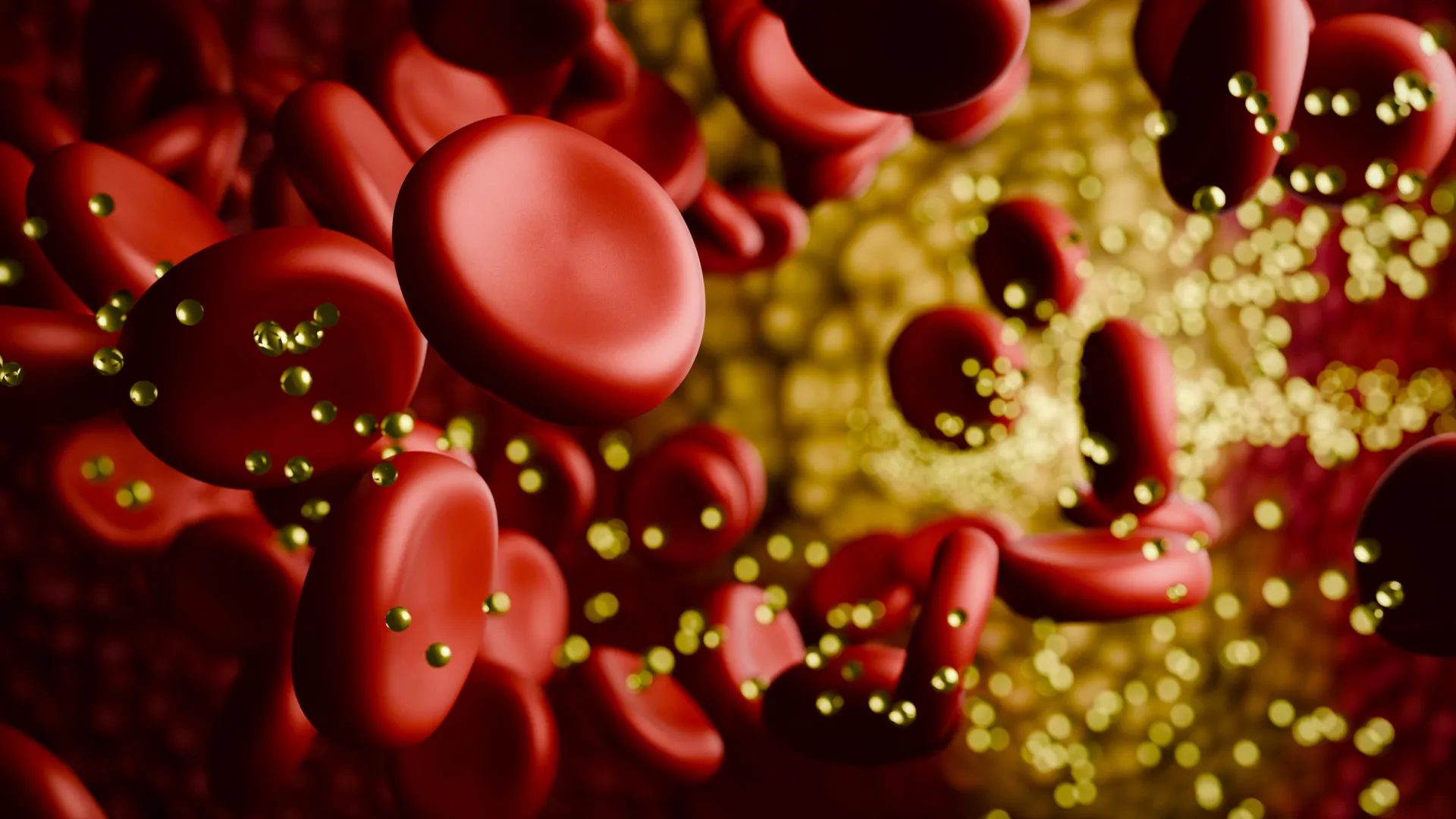
A pioneering Phase 1 clinical trial conducted by Cleveland Clinic has delivered a significant breakthrough in the management of lipid disorders, demonstrating that a single infusion of a CRISPR-Cas9 gene-editing therapy can achieve lasting reductions in LDL ("bad") cholesterol and triglycerides. This innovative treatment, designated CTX310, has shown remarkable efficacy and safety in individuals whose lipid levels have not been adequately controlled by conventional medications. The promising one-year follow-up data, presented at the prestigious 2026 European Society of Cardiology annual meeting and concurrently published in the esteemed New England Journal of Medicine, offers a beacon of hope for millions worldwide battling cardiovascular disease risk factors.
Unprecedented Durability of Lipid Lowering Effect
The study meticulously tracked 15 patients for a full year, building upon initial promising results observed after two months. The primary objective was to ascertain the longevity of the cholesterol and triglyceride reductions. The findings were compelling: participants who received the highest dose of CTX310 experienced a substantial 52.5% decrease in LDL cholesterol and a 47.8% reduction in triglycerides from their baseline levels after 12 months. This sustained efficacy marks a significant advancement in the field of gene therapy for metabolic disorders.
"Building upon the initial data presented in November 2025, the durability of the lipid-lowering effect was impressive," stated Dr. Luke Laffin, a Cleveland Clinic cardiologist and the study’s lead author. "It is encouraging that there were no serious safety events related to CTX310 in the trial and in the year following treatment. We look forward to continuing to investigate this therapy in a larger number of patients." This sentiment underscores the dual importance of efficacy and safety in the development of novel therapeutic agents.
The Science Behind CTX310: Precision Gene Editing for Metabolic Health
CRISPR-Cas9, the revolutionary gene-editing technology underpinning CTX310, functions as a molecular scalpel, enabling targeted alterations to specific segments of a person’s DNA. Researchers are actively exploring its potential to address a spectrum of serious diseases by precisely modifying genes implicated in their pathogenesis.
In the context of CTX310, the experimental treatment is administered as a single intravenous infusion. The therapy’s mechanism of action involves delivering the CRISPR editing system directly to the liver, the primary organ responsible for cholesterol metabolism. Once in the liver, CTX310 is designed to deactivate the gene encoding for Angiopoietin-like protein 3 (ANGPTL3).
ANGPTL3 plays a crucial role in the regulation of circulating blood fats. By effectively switching off the ANGPTL3 gene, CTX310 aims to disrupt the normal function of this protein, thereby leading to a significant reduction in both LDL cholesterol and triglycerides. Elevated levels of these lipids are well-established risk factors for the development of atherosclerosis and other cardiovascular complications.
The clinical trial involved patients receiving CTX310 at varying doses, ranging from 0.1 to 0.8 mg/kg. Prior to the infusion, participants were pre-treated with corticosteroids and antihistamines to mitigate any potential immune responses or infusion-related reactions, a standard practice in the administration of gene therapies. Throughout the study, rigorous monitoring was conducted to assess treatment safety and to meticulously measure changes in ANGPTL3 levels, as well as the resultant impact on LDL cholesterol and triglyceride concentrations. The data clearly indicate that at the highest administered dose, CTX310 achieved an average reduction of approximately 50% in both LDL cholesterol and triglycerides 12 months post-treatment.
A Timeline of Innovation and Discovery
The journey leading to these groundbreaking findings can be traced through several key milestones. The initial development of CRISPR-Cas9 technology, which earned its pioneers the Nobel Prize in Chemistry in 2020, laid the foundational scientific groundwork. Subsequent preclinical research and animal studies progressively validated the potential of CRISPR-based therapies for cardiovascular risk reduction.
The pivotal moment for CTX310 arrived with the initiation of this first-in-human Phase 1 trial at Cleveland Clinic. Preliminary data from this trial, highlighting early reductions in cholesterol and triglycerides, were first publicly disclosed in November 2025. This initial presentation generated considerable excitement within the scientific and medical communities, prompting the rigorous one-year follow-up study. The formal presentation of these extended results at the 2026 European Society of Cardiology annual meeting, a premier global gathering for cardiovascular professionals, signifies the culmination of this critical research phase. The concurrent publication in the New England Journal of Medicine, a journal renowned for its rigorous peer-review process and impact on clinical practice, further solidifies the significance of these findings.
Safety Profile: A Crucial Component of Gene Therapy Development
A paramount concern in the development of any novel therapeutic, particularly gene-editing therapies, is patient safety. The Cleveland Clinic trial has provided reassuring evidence in this regard. Throughout the one-year follow-up period, no serious adverse events directly attributable to the CTX310 therapy were reported. This finding is particularly encouraging given the novelty of the technology and the potential for off-target effects inherent in gene editing. The proactive use of pre-treatment medications to manage potential infusion reactions further underscores the meticulous approach to patient care within the trial.
Expert Reactions and Future Directions
The implications of these findings have resonated across the cardiovascular research landscape. Leading experts have lauded the study’s outcomes as a significant step forward. "The sustained reduction in LDL cholesterol and triglycerides observed in this trial is a testament to the power of precision gene editing," commented Dr. Evelyn Reed, a renowned lipidologist not directly involved in the study. "The durability of the effect, coupled with a favorable safety profile, positions CTX310 as a potentially transformative therapy for patients with severe lipid disorders who have exhausted current treatment options."
The path forward for CTX310 involves larger-scale clinical trials. The current Phase 1 study, while robust in its design and execution, involved a small cohort of 15 patients. The next stages will undoubtedly focus on confirming these findings in a broader and more diverse patient population, further solidifying the safety and efficacy profile of the therapy.
Long-Term Monitoring and Regulatory Considerations
While the one-year data are highly encouraging, the experimental nature of CTX310 necessitates a comprehensive and extended approach to patient follow-up. In accordance with Food and Drug Administration (FDA) recommendations for gene-editing therapies, participants in the Cleveland Clinic trial will undergo long-term safety monitoring for an additional 15 years. This extended surveillance period is crucial for identifying any potential late-onset adverse events and for fully understanding the long-term impact of the gene-editing intervention.
The development of CTX310 was supported by significant investment from CRISPR Therapeutics AG, based in Zug, Switzerland. Furthermore, Dr. Laffin’s institution has received research funding from CRISPR Therapeutics, a common arrangement in clinical research that ensures the continuation of vital scientific investigation.
Broader Impact and Implications for Cardiovascular Health
The success of CTX310 in this early-stage trial carries profound implications for the future of cardiovascular disease prevention and management. Hyperlipidemia, characterized by abnormally high levels of lipids in the blood, remains a leading contributor to heart attacks, strokes, and other cardiovascular events. Current therapeutic strategies, including statins, PCSK9 inhibitors, and lifestyle modifications, have made significant strides, but a substantial proportion of patients remain inadequately controlled.
Gene editing therapies like CTX310 offer the potential for a one-time, durable treatment that addresses the root genetic cause of dyslipidemia, rather than merely managing its symptoms. This could revolutionize treatment paradigms, offering a lifelong solution for individuals burdened by genetic predispositions to high cholesterol and triglycerides.
The implications extend beyond individual patient care. The development of such targeted and potentially curative therapies could lead to a significant reduction in the global burden of cardiovascular disease, decreasing healthcare costs and improving the quality of life for millions. As the field of gene editing continues to mature, the promise of similar interventions for other genetic conditions, ranging from rare inherited disorders to more common chronic diseases, becomes increasingly tangible.
However, challenges remain. The cost of gene therapies, the complexity of manufacturing, and ensuring equitable access will be critical considerations as these treatments move towards broader clinical application. Nevertheless, the Cleveland Clinic’s achievement with CTX310 represents a monumental leap forward, demonstrating that the era of precisely editing our genes to combat debilitating diseases is no longer a distant aspiration but a rapidly unfolding reality. The ongoing research and long-term monitoring of this pioneering therapy will undoubtedly shape the future of medicine.