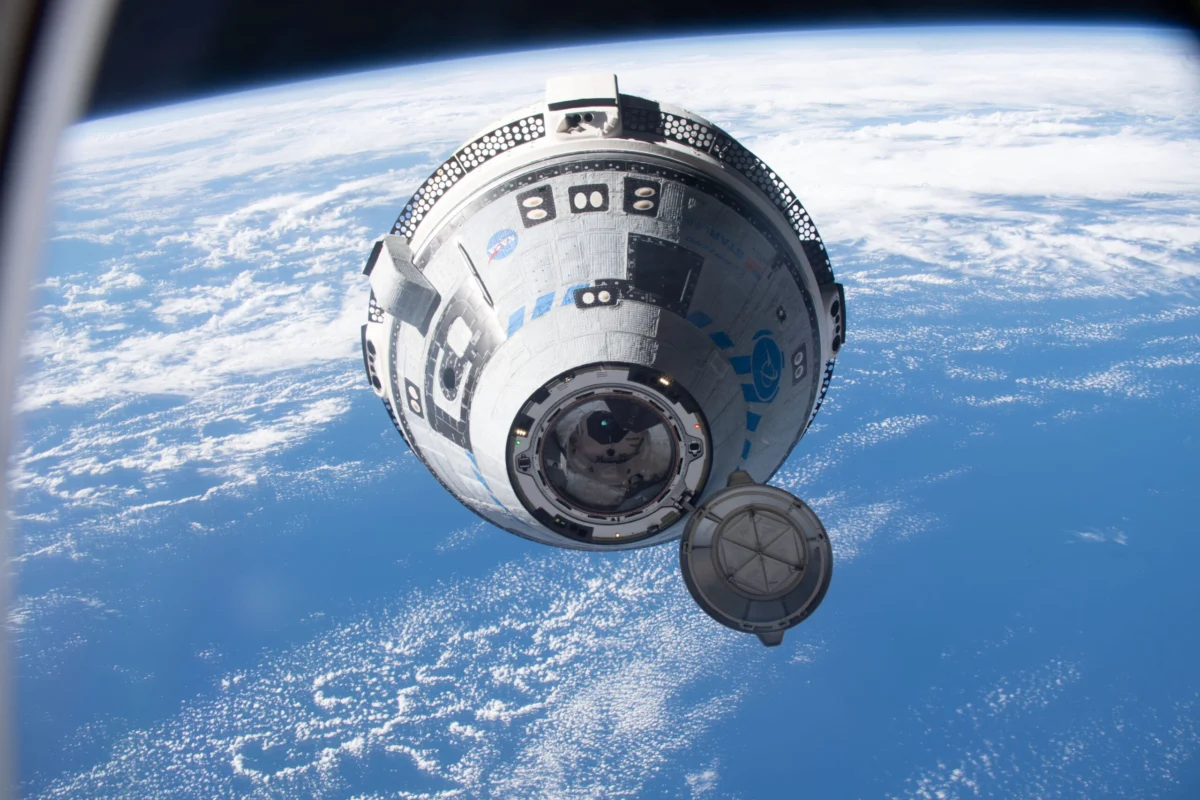
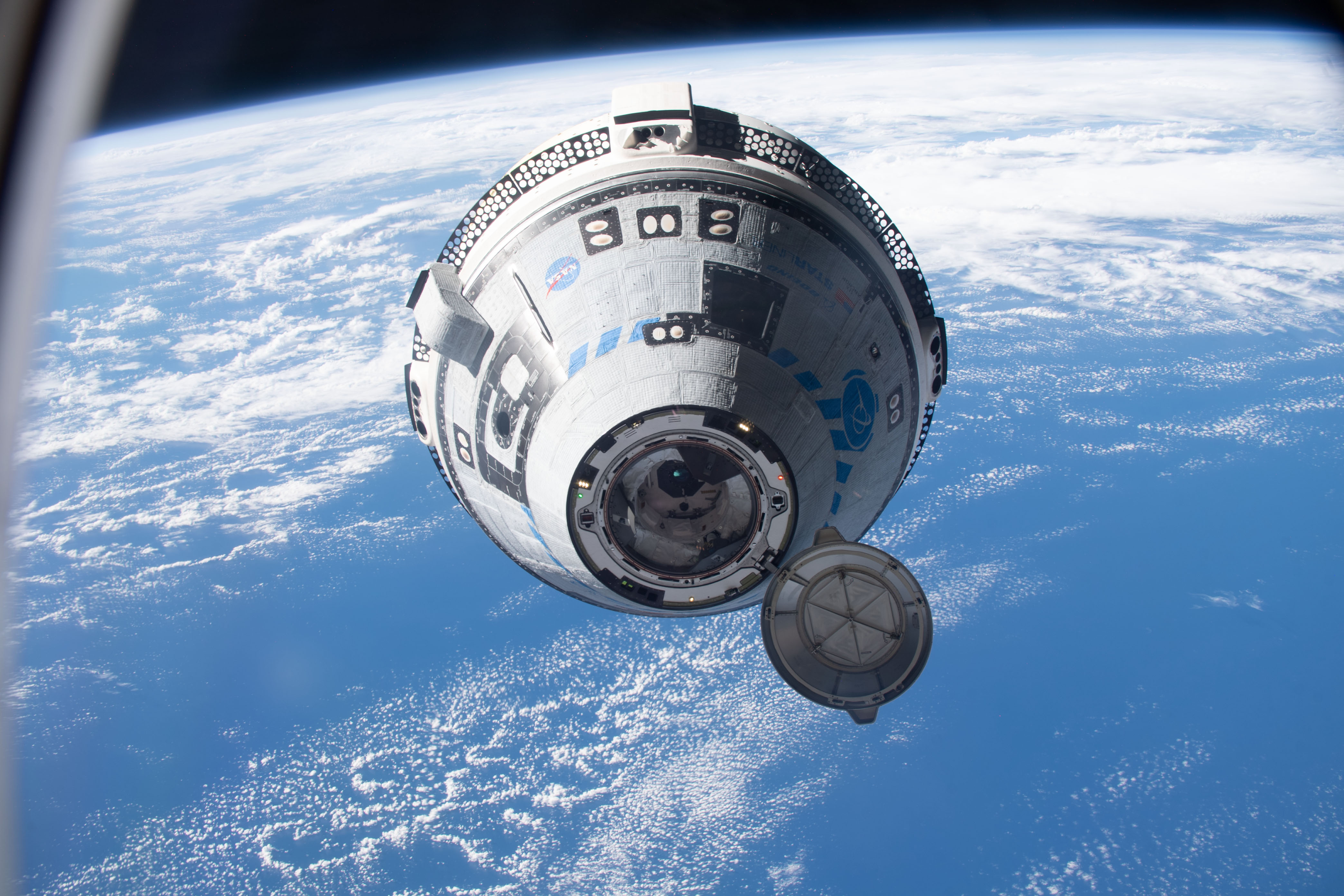
In a highly anticipated news conference scheduled for 3 p.m. EDT on Monday, September 28, 2026, top leadership from NASA and The Boeing Company will convene to provide crucial updates on the development of Boeing’s CST-100 Starliner spacecraft. The briefing is expected to delve into the program’s progress and outline definitive plans for the spacecraft’s integration into regular crew rotation missions to and from the International Space Station (ISS). This event marks a pivotal moment for the Commercial Crew Program, an initiative designed to restore independent American human spaceflight launch capabilities and ensure redundant access to the orbiting laboratory.
The upcoming briefing will be broadcast live on NASA Television, the agency’s website, and the NASA app, accessible to the public at https://www.nasa.gov/live. This accessibility underscores NASA’s commitment to transparency as the Starliner program navigates its final certification milestones. Media representatives already credentialed for the upcoming Crew-13 mission will have the opportunity to participate in person at NASA’s Kennedy Space Center in Florida. Those wishing to ask questions remotely must request a dial-in number from the Kennedy newsroom by emailing [email protected] no later than one hour prior to the start of the call, adhering to NASA’s established media accreditation policy.
A Decade of Development: Starliner’s Journey and Challenges
The journey of the CST-100 Starliner has been one characterized by ambitious goals, significant technical hurdles, and persistent delays. Initiated under NASA’s Commercial Crew Program (CCP) in 2010, the Starliner, alongside SpaceX’s Crew Dragon, was envisioned as a cornerstone of America’s return to launching astronauts from U.S. soil. Boeing was awarded a $4.2 billion contract in 2014 to develop, test, and fly its crew transportation system, a testament to its long-standing legacy in human spaceflight, which includes contributions to the Apollo program, the Space Shuttle, and the ISS itself. The program’s core objective was to end the nation’s reliance on Russian Soyuz spacecraft for astronaut transport following the retirement of the Space Shuttle fleet in 2011.
However, Starliner’s path to readiness has been fraught with challenges. The inaugural uncrewed Orbital Flight Test (OFT-1) in December 2019 encountered multiple software anomalies. A critical timing error prevented the spacecraft from reaching the intended orbit and docking with the ISS, necessitating an early return to Earth. While the capsule landed safely, the mission did not achieve all its objectives, prompting extensive investigations by NASA and Boeing. This incident led to a comprehensive software review and a second uncrewed flight test, OFT-2.
The OFT-2 mission, launched in May 2022, also faced its share of pre-flight and in-flight issues. During the launch attempt in July 2021, 13 propulsion system valves failed to open, causing a significant delay. After extensive troubleshooting and hardware replacement, the mission finally launched. Although OFT-2 successfully docked with the ISS and completed its primary objectives, demonstrating Starliner’s ability to rendezvous and dock autonomously, the experience highlighted the complexities of human-rated spacecraft development and the stringent safety standards demanded by NASA. The delays and technical issues have led to substantial cost overruns for Boeing, reportedly exceeding $1.5 billion in charges against earnings as of 2022, underscoring the financial pressures associated with such high-stakes space endeavors.
The Critical Crew Flight Test (CFT) and Certification Path
Following the completion of OFT-2 and subsequent reviews, the Starliner program has been meticulously preparing for its most crucial milestone: the Crew Flight Test (CFT). This mission will be the first time astronauts will fly aboard the Starliner, validating its readiness for operational missions. The CFT crew, consisting of veteran NASA astronauts, will assess the spacecraft’s performance from launch to docking, living onboard the ISS for a short duration, and then returning to Earth. Every aspect, from life support systems and emergency procedures to communications and re-entry, will be rigorously evaluated.
The certification process for a human-rated spacecraft is exceptionally demanding, involving thousands of hours of testing, analysis, and documentation. NASA’s Commercial Crew Program has a rigorous set of requirements, including robust fault tolerance, redundant systems, and comprehensive safety protocols. The agency works closely with its commercial partners, providing technical expertise and oversight to ensure that every system meets or exceeds these standards. For Starliner, this has meant addressing every anomaly identified during OFT-1 and OFT-2, implementing design changes, and conducting exhaustive verification tests. The forthcoming press conference is expected to provide specific updates on the readiness of the Starliner vehicle for CFT, including any final hardware modifications, software updates, and the crew’s training progress. A definitive launch date for the CFT mission, which has seen several adjustments, is eagerly anticipated.
NASA’s Vision: Redundancy and Commercial Space Growth
The Commercial Crew Program represents a strategic shift for NASA, moving away from government-owned and operated launch systems towards a model that leverages private industry innovation and efficiency. The core principle behind partnering with two distinct providers—Boeing and SpaceX—was to establish redundancy. In spaceflight, where unforeseen technical issues or launch delays can occur, having two independent systems ensures continuous access to the ISS. This redundancy is vital for maintaining a permanent human presence on the station, facilitating critical scientific research, and responding to potential contingencies.
SpaceX’s Crew Dragon has already demonstrated the success of this model, having flown numerous operational missions, safely transporting astronauts to and from the ISS since its first crewed flight in May 2020. The ongoing success of Crew Dragon underscores the viability of the commercial approach and sets a high bar for Starliner. The availability of two distinct U.S. crew transportation systems would significantly enhance NASA’s flexibility in crew rotation planning, mission scheduling, and overall operational resilience.
Furthermore, the program aims to stimulate the burgeoning commercial space industry, fostering competition and driving down costs in the long term. By offloading routine transport tasks to private companies, NASA can reallocate its resources towards more ambitious deep-space exploration missions, such as the Artemis program, which seeks to return humans to the Moon and eventually to Mars. The successful certification and operation of Starliner are therefore not just a win for Boeing, but a validation of NASA’s broader strategy for future space exploration.
The International Space Station: A Collaborative Outpost
The International Space Station remains a cornerstone of international scientific collaboration and human spaceflight. Orbiting Earth since 1998, the ISS serves as a unique microgravity laboratory, enabling research across various disciplines, including biology, physics, astronomy, and human physiology. The continuous presence of astronauts on board is essential for conducting these experiments, maintaining the station, and preparing for future long-duration missions beyond low-Earth orbit.
Regular crew flights are critical for rotating expedition crews, bringing new scientific expertise to the station, and returning astronauts with completed research and medical data. Currently, SpaceX’s Crew Dragon provides the primary U.S. means of transport, supplemented by Russian Soyuz vehicles as part of an integrated crew exchange agreement. The addition of Starliner would further diversify these transport options, providing enhanced reliability and flexibility for ISS operations, particularly as the station approaches its projected end-of-life in the coming decade, potentially requiring increased crew presence for decommissioning or transition activities.
Anticipated Discussions and Participants
The September 28 press conference is expected to cover a wide array of topics, offering a comprehensive overview of Starliner’s current status and future trajectory. Discussion points will likely include:
- Program Status Update: A detailed briefing on the overall health of the Starliner program, including any recent technical milestones achieved.
- Crew Flight Test (CFT) Readiness: A definitive update on the spacecraft’s readiness for its inaugural crewed flight, potentially including a target launch window.
- Certification Timeline: Insights into the remaining steps for NASA certification following the CFT mission.
- Operational Flight Plans: Discussions on the scheduling of the first operational Starliner mission (Starliner-1) and subsequent crew rotation flights.
- Risk Mitigation Strategies: An overview of how NASA and Boeing are continuously identifying and mitigating risks to ensure astronaut safety.
- Lessons Learned: Reflecting on the challenges encountered and how those lessons have been integrated into the program’s ongoing development.
- Partnership Dynamics: Statements reaffirming the strong collaboration between NASA and Boeing in bringing Starliner to fruition.
While the exact list of briefing participants was not provided in the preliminary announcement, it is highly probable that key figures from both organizations will be present. From NASA, attendees could include the Associate Administrator for Space Operations, the Commercial Crew Program Manager, and potentially the Chief of the Astronaut Office. From Boeing, the Vice President and Program Manager for CST-100 Starliner, along with other senior engineering and program management leaders, would be logical participants. Their collective presence underscores the significance of this briefing and the commitment of both entities to the success of the Starliner program.
Broader Implications for Boeing and U.S. Space Leadership
For The Boeing Company, the successful certification and operation of Starliner hold immense importance. After facing significant reputational and financial setbacks across various divisions, including its commercial aircraft sector, a robust and reliable Starliner program would be a crucial testament to its engineering prowess and its ability to deliver on complex government contracts. It would solidify Boeing’s position as a key player in human spaceflight for decades to come, potentially opening doors for future contracts in lunar and deep-space transportation. The successful completion of the Starliner program would also send a strong message to investors and stakeholders, demonstrating the company’s resilience and technical capabilities.
For the United States, the full operational status of Starliner would cement its independent access to space for human missions, reinforcing its leadership in space exploration. It would signify the maturation of the Commercial Crew Program and the effectiveness of NASA’s strategy to foster a vibrant private space economy. This capability is not merely symbolic; it is a strategic imperative that ensures national security interests in space and enables uninterrupted scientific advancement aboard the ISS.
As the September 28 press conference approaches, the space community, media, and public alike will be keenly watching for definitive answers regarding Starliner’s readiness. The outcomes of this briefing will not only shape the immediate future of the Starliner program but will also have lasting implications for the broader landscape of human spaceflight, reaffirming the United States’ commitment to innovation, safety, and continuous exploration beyond Earth. More information about NASA’s missions and programs can be found at https://www.nasa.gov.