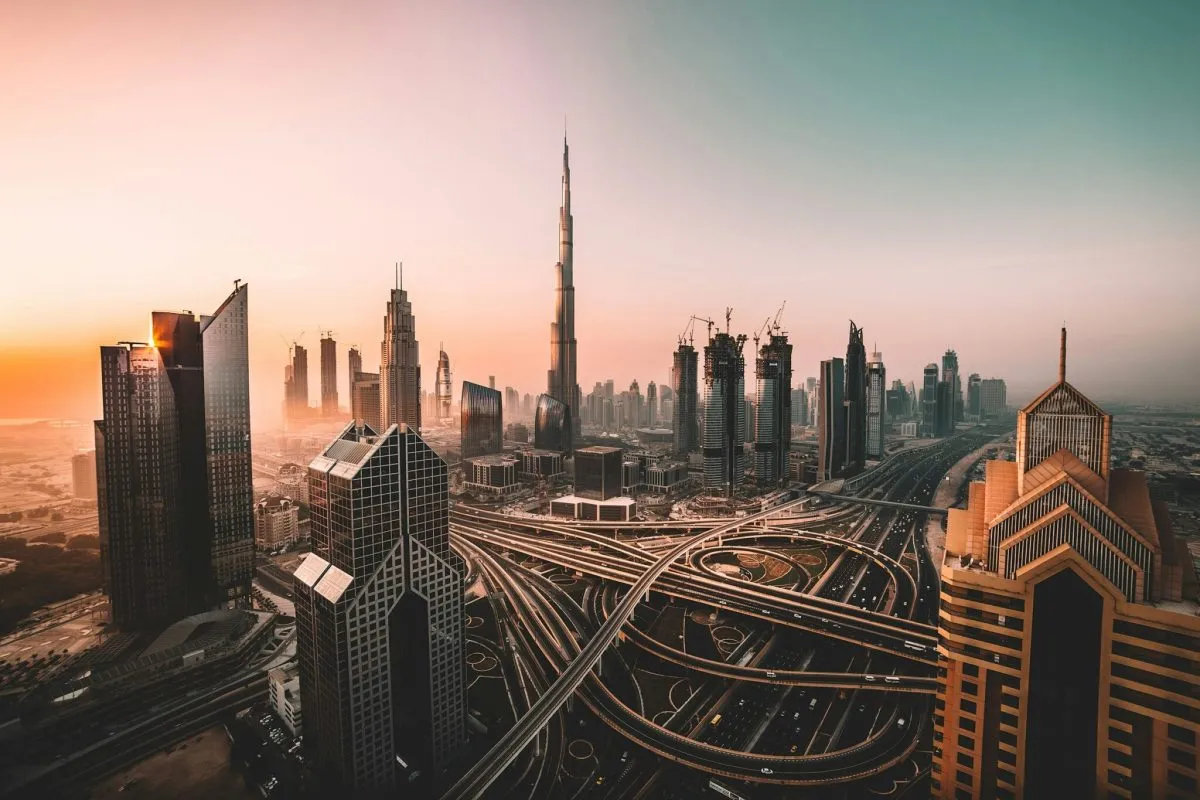
The hospitality landscape in the United Arab Emirates is undergoing a significant strategic realignment as hotel operators pivot their marketing and operational focus toward short-haul markets to mitigate the lingering effects of regional geopolitical instability and a global surge in aviation costs. Following a period of volatility characterized by the broader economic impacts of the U.S.-Iran conflict, major hospitality groups, including the Indian Hotels Company Limited (IHCL), are identifying India, China, and Russia as the primary engines of recovery. This shift comes as record-high jet fuel prices and inflationary pressures in Western economies make long-haul travel from the Americas and Australia increasingly prohibitive for the average tourist, prompting a recalibration of the UAE’s tourism demographic.
The Strategic Pivot to Short-Haul Markets
The transition toward a "six-hour radius" strategy is a pragmatic response to the current global economic climate. Saurabh Tiwari, Vice President for the Middle East, Maldives, and Sri Lanka at IHCL—which operates the prestigious Taj brand—noted that the industry is moving away from its traditional reliance on long-haul Western markets. According to Tiwari, the combination of elevated jet fuel prices and the resulting spike in airfares has transformed long-haul travel into a luxury that fewer consumers are willing to entertain. Consequently, the UAE is doubling down on markets that are geographically closer, ensuring that the destination remains accessible even as operating costs for airlines remain high.
India has emerged as the most resilient and reliable source market for the UAE’s hospitality sector. Its proximity, coupled with a massive middle class and increasing flight frequency between Indian metros and UAE hubs like Dubai and Abu Dhabi, has provided a steady stream of visitors. Similarly, China, following its post-pandemic reopening, and Russia, which has seen a redirection of its outbound tourism due to shifting global alliances and sanctions in Europe, are now cornerstone markets for UAE hoteliers.
Geopolitical Context and the U.S.-Iran Conflict Impact
The current market conditions cannot be understood without acknowledging the geopolitical tensions that have periodically flared in the Persian Gulf. The "U.S.-Iran war" context—referring to the heightened military tensions, maritime incidents, and the resulting spike in regional risk premiums—created a challenging environment for international travel. At the height of these tensions, flight paths were redirected, insurance costs for carriers rose, and general traveler sentiment in the West became cautious regarding Middle Eastern destinations.
While the UAE remained a safe haven, the broader perception of regional instability, combined with the economic sanctions and counter-sanctions involving major global powers, disrupted the flow of traditional tourism. As the region stabilized, the hospitality sector found itself in a world where the cost of logistics had permanently shifted upward. The need to recover from these disruptions forced operators to look for markets that were less sensitive to the volatility of transcontinental flight costs and more aligned with the UAE’s evolving diplomatic and economic ties.
Chronology of the UAE Tourism Recovery
The path to the current strategic shift can be traced through several key phases over the last few years:
- The Height of Regional Tensions (2019-2021): Increased friction in the Strait of Hormuz and surrounding areas led to temporary disruptions in civil aviation and a surge in oil prices, impacting the bottom lines of major carriers like Emirates and Etihad.
- The Pandemic Interregnum (2020-2022): Global lockdowns halted travel entirely, but the UAE’s rapid vaccination rollout and early reopening positioned it as a primary destination for those few markets allowed to travel, specifically Russia and India.
- The Post-Conflict Inflationary Spike (2023-Present): As global travel resumed, the "revenge travel" phenomenon was met with a massive increase in jet fuel prices. This made long-haul routes—such as New York to Dubai or Sydney to Dubai—exponentially more expensive than pre-2019 levels.
- The Strategic Realignment (2024): Recognizing that high airfares are a structural rather than temporary issue, UAE hotel operators have formally shifted their budget allocations toward regional marketing, focusing on the 5,000-kilometer radius.
Supporting Data: The Economics of Proximity
Recent data from tourism authorities in Dubai and Abu Dhabi highlight the success of this short-haul focus. India consistently ranks as the number one source market for Dubai, with millions of visitors arriving annually. In the first half of 2024, visitors from the South Asian subcontinent and the CIS (Commonwealth of Independent States) region accounted for a substantial percentage of total arrivals, offsetting a slower-than-expected recovery in arrivals from North America.
The cost of jet fuel remains the primary driver of this trend. Jet fuel typically accounts for 25% to 30% of an airline’s operating costs. When prices surge, long-haul flights—which consume significantly more fuel per passenger—become the first to see price hikes. A flight from Mumbai to Dubai is approximately 3.5 hours, whereas a flight from Los Angeles is nearly 16 hours. The disparity in fuel consumption means that even a 10% increase in fuel costs adds hundreds of dollars to a long-haul ticket, while the impact on a short-haul ticket is relatively marginal.
Furthermore, hotel pricing in the UAE has adjusted to remain competitive. While luxury remains a hallmark of the region, there has been an increase in mid-scale and affordable luxury inventory. This has made Dubai and the northern emirates more accessible to the burgeoning middle class in India and China, who might have previously viewed the UAE as an aspirational but unattainable destination.
Official Responses and Industry Sentiment
The shift in focus is supported by broader governmental initiatives. The UAE’s "Tourism Strategy 2031" aims to attract 100 billion AED in additional tourism investments and 40 million hotel guests by 2031. To achieve this, the government has introduced flexible visa regimes, including the five-year multiple-entry visa and the expansion of the Golden Visa program, which have been particularly popular among Indian and Russian nationals.
Industry leaders echo Saurabh Tiwari’s sentiment that long-haul recovery is currently "wishful thinking." Market analysts suggest that while high-net-worth individuals from the West will continue to visit, the "volume" business that sustains high occupancy rates across the thousands of new hotel rooms must come from the East. "The math is simple," says a Dubai-based hospitality consultant. "A family of four from Delhi can fly to Dubai for the cost of a single ticket from London or New York. When you factor in the world-class infrastructure and the diversity of the offering here, the value proposition for the short-haul traveler is unbeatable."
Broader Impact and Implications for the Future
The implications of this shift extend beyond hotel occupancy. It is influencing everything from culinary offerings to retail strategies within the UAE. Malls and entertainment venues are increasingly tailoring their experiences to cater to the tastes and preferences of Indian, Chinese, and Russian tourists. This includes more diverse dining options, language-specific signage, and cultural programming aligned with the holidays and festivals of these source markets.
Moreover, the aviation sector is adapting. Low-cost carriers (LCCs) like flydubai and Air Arabia have expanded their networks aggressively into secondary cities in India and Russia. By bypassing major hubs and offering direct point-to-point service, these airlines are further lowering the barrier to entry for regional travelers, reinforcing the hospitality sector’s short-haul strategy.
However, this reliance on a few key markets also carries risks. Economic shifts in India or policy changes in China could impact arrival numbers. To mitigate this, UAE operators are also looking at the African continent and Eastern Europe as "secondary short-haul" markets, ensuring a diversified portfolio of guests within the accessible six-hour flight window.
As the global economy continues to grapple with the fallout of geopolitical tensions and the transition to a high-cost energy environment, the UAE’s hospitality sector serves as a case study in institutional agility. By recognizing the limitations of long-haul travel and leaning into the strengths of regional connectivity, the Emirates are not just recovering from past crises but are redefining their position as the central hub of a new, more localized era of global tourism. The focus on India, China, and Russia is not merely a temporary fix; it represents a long-term evolution of the UAE’s identity as a global destination that is increasingly looking East for its future growth.