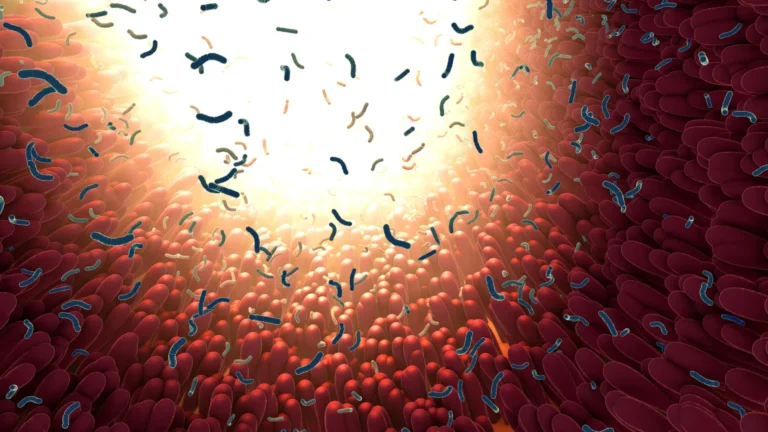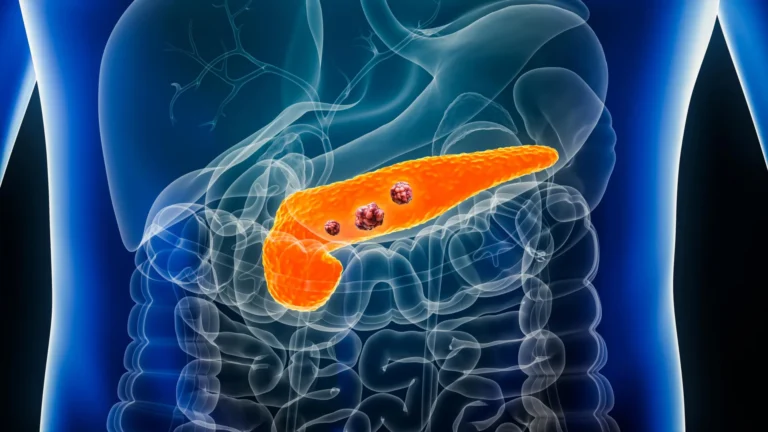


The intricate interplay between hormonal balance, dietary habits, and the gut microbiome has been identified as a critical factor in the escalating global epidemic of metabolic dysfunction-associated steatotic liver disease (MASLD). A groundbreaking study, recently published in the American Journal of Physiology-Endocrinology and Metabolism, has shed new light on a particularly concerning synergy: the combined impact of low testosterone levels and high fructose intake in accelerating the progression of fatty liver disease. This research, conducted by a team from the Graduate School of Agriculture, offers a compelling explanation for how these seemingly disparate factors can converge to create a significantly more detrimental effect on liver health than either alone, implicating gut bacteria and a key metabolic intermediate, pyruvate, in this complex process.
The Growing Burden of Fatty Liver Disease
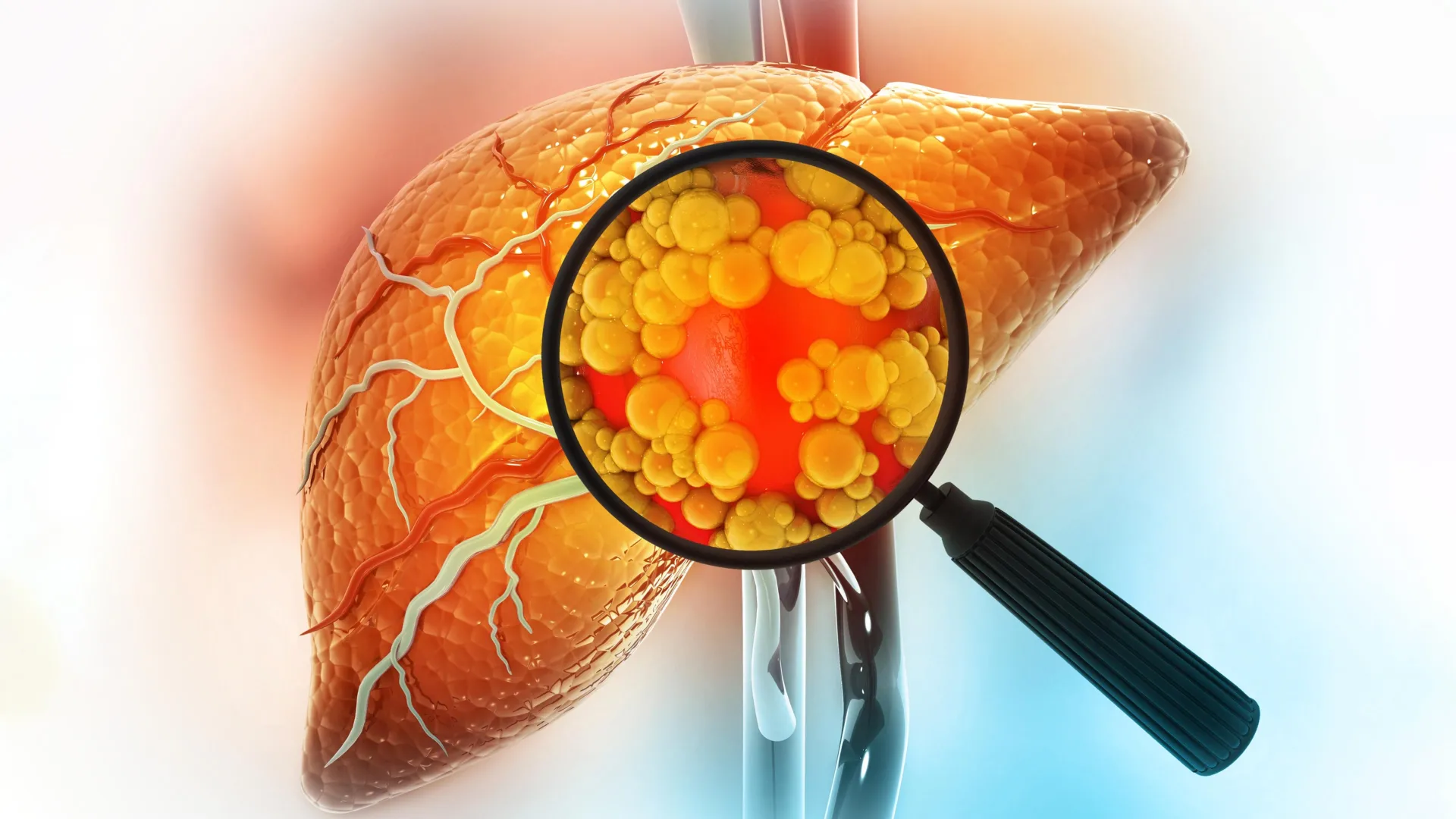
MASLD, formerly known as non-alcoholic fatty liver disease (NAFLD), represents a spectrum of liver conditions characterized by the accumulation of excess fat in the liver, unrelated to excessive alcohol consumption. This condition is now recognized as the most common chronic liver disease worldwide, affecting an estimated 40% of the adult population globally. In its earliest stage, fatty liver can be asymptomatic, but it can progress to more severe forms, including steatohepatitis (inflammation and liver cell damage), fibrosis, cirrhosis, and even hepatocellular carcinoma. The rising prevalence of obesity, type 2 diabetes, and sedentary lifestyles has fueled this epidemic, placing a substantial burden on healthcare systems and impacting the quality of life for millions.
While obesity and type 2 diabetes have long been established as primary drivers of MASLD, emerging research has highlighted the significant role of other factors, including hormonal imbalances. Low testosterone, or hypogonadism, is a common condition in aging men, but it can also affect younger individuals due to various underlying health issues. Its impact extends beyond reproductive health, influencing metabolism, body composition, and overall well-being. The current study delves into how this hormonal deficit, when combined with specific dietary components, exacerbates liver damage.
Unraveling the Mechanisms: A Timeline of Investigation
The research journey began with a growing recognition among scientists that the factors contributing to MASLD were not operating in isolation. Anecdotal evidence and preliminary observations suggested that individuals with low testosterone who also consumed diets high in sugar were experiencing more rapid progression of liver disease. However, the precise biological pathways and the synergistic effects remained largely elusive.
Motivated to bridge this knowledge gap, the research team, led by graduate student Hiroki Takahashi and Associate Professor Naoki Harada, embarked on a systematic investigation. Their work, initiated in the laboratories of the Graduate School of Agriculture, focused on dissecting the molecular and microbial interactions involved.
Experimental Design: Mimicking Human Conditions in a Controlled Setting
To meticulously examine the combined effects of low testosterone and high fructose intake, the researchers designed a series of experiments using male mice. The choice of male mice was deliberate, reflecting the higher prevalence of MASLD in men and the known influence of testosterone on metabolic processes in this sex. The study commenced with eight-week-old male mice, an age at which they are considered young adults and their metabolic systems are still developing, allowing for the observation of changes over a defined period.
The experimental setup involved dividing the mice into six distinct groups to isolate and study the impact of each variable and their combinations:
- Sham/Control: This group underwent a sham operation (a procedure that mimics surgery but without the actual removal of organs) and received a standard diet. This served as the baseline control group, representing normal testosterone levels and no fructose intervention.
- Sham/Fructose: Mice in this group had a sham operation but were fed a diet enriched with fructose. This group was designed to assess the impact of fructose alone in the presence of normal testosterone levels.
- Sham/Fructose + Antibiotics: This group received the fructose-enriched diet and was also administered antibiotics. This intervention was crucial for investigating the role of the gut microbiome, as antibiotics are known to alter bacterial populations.
- Castration/Control: These mice underwent castration, a surgical procedure that significantly reduces testosterone levels, and received a standard diet. This group was used to evaluate the effects of low testosterone in the absence of fructose.
- Castration/Fructose: This critical group was castrated to induce low testosterone levels and then fed a fructose-enriched diet. This group directly addressed the core hypothesis of the study: the combined impact of low testosterone and fructose.
- Castration/Fructose + Antibiotics: This group combined castration with the fructose-enriched diet and antibiotic administration, allowing researchers to determine if modulating the gut microbiome could mitigate the negative effects observed in the Castration/Fructose group.
This robust experimental design allowed for a comprehensive analysis of the individual and combined effects of testosterone deficiency and high fructose consumption, with a specific focus on the potential modulating role of the gut microbiome.
Unveiling the Synergistic Damage: Key Findings Emerge
The analysis of liver cells, tissues, blood plasma, cecal organic acids, and gut bacterial samples provided a multifaceted view of the physiological changes occurring within the mice. The results painted a clear and concerning picture:
-
Amplified Liver Fat Accumulation: When examined independently, low testosterone levels and high fructose intake each contributed to only modest increases in liver triglyceride levels. However, their combination proved to be far more potent. Mice in the Castration/Fructose group exhibited significantly greater fat accumulation in their livers, leading to a marked worsening of fatty liver conditions. This synergistic effect was considerably more pronounced than the sum of their individual impacts.
-
Hormonal Imbalance and Fructose: A Potent Cocktail: The study observed that mice with reduced testosterone levels developed heavier livers when they consumed fructose. This effect was partially attenuated in the groups that received antibiotics, hinting at the involvement of the gut microbiome. The increase in liver weight in the Castration/Fructose group was directly correlated with the observed increase in fat deposition.
-
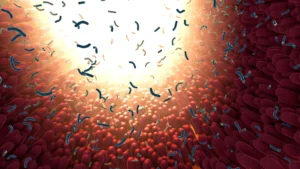
Gut Microbiome Disruption: A significant finding was the identification of substantial alterations in the composition of gut bacteria in mice exposed to both reduced testosterone and fructose. These dysbiotic changes in the gut microbial community were not merely coincidental; they appeared to be integral to the disease progression.
-
Altered Gene Expression and Metabolic Byproducts: The researchers also noted altered liver gene activity and elevated levels of pyruvate in the cecum (a part of the large intestine) of mice in the Castration/Fructose group. Pyruvate is a key molecule in cellular energy metabolism, and its increased presence in the gut suggested a metabolic shift driven by the combined hormonal and dietary factors.
The Hidden Mechanism: Pyruvate’s Role in the Gut-Liver Axis
The breakthrough in understanding the underlying mechanism came with further investigation into the role of the gut microbiome. The researchers hypothesized that the dysbiosis induced by the combination of low testosterone and fructose was creating a cascade of events within the intestine that ultimately impacted the liver.
"Upon examining this mechanism, we found that changes in the gut microbiota led to increased levels of pyruvate within the intestine," explained Hiroki Takahashi. "Furthermore, experiments using mouse-derived primary hepatocytes revealed that pyruvate acts synergistically with fructose to promote neutral lipid accumulation in hepatocytes."
This statement points to a critical discovery: the altered gut bacteria, in response to low testosterone and fructose, began producing more pyruvate. This pyruvate then entered the portal circulation and, when combined with fructose, acted as a potent stimulus for fat storage within liver cells (hepatocytes). Essentially, the gut microbiome acted as an intermediary, transforming the dietary and hormonal insults into a direct signal for fat accumulation in the liver. This finding underscores the growing importance of the gut-liver axis in understanding and managing metabolic diseases.
Broader Implications and Future Directions
The implications of this research are far-reaching. For decades, the focus on MASLD has primarily been on diet and weight management. While these remain crucial, this study emphasizes the need for a more holistic approach that considers hormonal status and the intricate role of the gut microbiome.
Fact-Based Analysis of Implications:
- Personalized Medicine: The findings suggest that individuals with low testosterone may be at a significantly higher risk of developing severe fatty liver disease if they consume high amounts of fructose. This could lead to more targeted screening and intervention strategies for this vulnerable population.
- Diagnostic Tools: Further research into specific microbial signatures or pyruvate metabolites in the gut could potentially lead to novel diagnostic markers for individuals at high risk of MASLD progression.
- Therapeutic Targets: The identification of pyruvate as a key mediator opens up exciting avenues for therapeutic interventions. Strategies aimed at reducing pyruvate production in the gut or blocking its synergistic effect with fructose in the liver could offer new treatment options.
- Dietary Recommendations: The study reinforces the importance of limiting fructose intake, particularly from sugary beverages and processed foods. For individuals with low testosterone, this dietary modification may be even more critical.
Potential New Avenues for Prevention and Treatment
The research team is optimistic about the potential of their findings to translate into tangible improvements in patient care. "Going forward, we hope to clarify the mechanism by which pyruvate promotes triglyceride accumulation to pioneer the development of therapeutic drugs and establishment of preventive methods through dietary interventions," stated Associate Professor Naoki Harada.
This future research will likely focus on:
- Identifying Specific Bacterial Species: Pinpointing the specific gut bacteria responsible for increased pyruvate production could lead to the development of targeted probiotics or prebiotics.
- Enzyme Inhibition: Investigating enzymes involved in pyruvate metabolism or its interaction with fructose in hepatocytes might reveal targets for pharmacological intervention.
- Longitudinal Studies in Humans: While mouse models provide valuable insights, validating these findings in human populations through longitudinal studies will be essential for clinical application.
Expert Reactions and Context
While specific reactions from external parties were not included in the original report, the scientific community is increasingly acknowledging the complex interplay of factors in MASLD. Experts in endocrinology and gastroenterology have long recognized the bidirectional communication between the gut and the liver, often referred to as the gut-liver axis. This study provides concrete evidence of how hormonal changes and dietary components can disrupt this axis, leading to pathological outcomes.
Dr. Anya Sharma, a leading hepatologist not involved in the study, commented, "This research is a significant step forward in understanding the multifactorial nature of fatty liver disease. The identification of pyruvate as a key intermediary, modulated by the gut microbiome in the context of low testosterone and fructose, provides a compelling mechanistic link that was previously missing. It highlights the need to consider the entire metabolic ecosystem, not just isolated factors, when developing treatment strategies."
Conclusion
The study by Takahashi and Harada represents a pivotal moment in the fight against metabolic dysfunction-associated steatotic liver disease. By meticulously dissecting the synergistic effects of low testosterone and high fructose intake, and crucially, by identifying the gut microbiome and pyruvate as central players, the researchers have unlocked a deeper understanding of how this pervasive disease progresses. While further research is warranted, particularly in human populations, these findings offer a beacon of hope for developing more effective preventive measures and targeted therapies to combat the growing global burden of fatty liver disease. The intricate dance between hormones, diet, and our internal microbial world is proving to be a critical determinant of liver health, demanding a more integrated and nuanced approach to its preservation.