

Scientists at the University of Hawaiʻi at Mānoa have unveiled a compelling and unexpected connection between the diverse bacterial communities residing in the human gut and the intrinsic speed at which our bodies age. The groundbreaking study, published in the esteemed journal Scientific Reports, reveals that specific gut microbes are demonstrably associated with a slower biological aging process, while others appear to accelerate it. These findings suggest that the gut microbiome, a complex ecosystem of microorganisms within our digestive system, may hold significant clues to understanding the molecular underpinnings of aging and offer new avenues for promoting longevity and healthy aging strategies.
Pioneering Research Illuminates Gut Microbiome and Aging Dynamics
The research, spearheaded by a team at the UH Mānoa John A. Burns School of Medicine, meticulously examined stool and blood samples from 123 adult participants spanning a broad spectrum of ages. Their objective was to correlate the composition of each individual’s gut bacterial communities with established molecular markers of biological aging. This advanced approach distinguishes itself from chronological age, which simply denotes the number of years a person has lived. Instead, biological aging measures the rate at which age-related physiological changes are occurring within the body.
The study’s analysis revealed that variations in gut bacterial communities accounted for a significant 15% of the observed differences in participants’ biological aging rates. This substantial contribution underscores the potent influence of the microbiome on our aging trajectory. Dr. Alika K. Maunakea, the senior author of the study, emphasized the significance of these findings. "This study advances our understanding of the relationship between the gut microbiome and biological aging," Dr. Maunakea stated. "We found that microbial patterns in the gut were significantly associated with molecular measures of aging, even independent of chronological age. These findings open important new directions for understanding how modifiable biological systems influence long-term health trajectories and longevity."
Identifying Microbial Signatures of Aging
A key discovery from the research was the notable association between the gut microbiome’s composition and DunedinPACE, a sophisticated biomarker designed to quantify the pace of biological aging. This advanced metric provides a more nuanced understanding of an individual’s physiological age compared to chronological age alone.
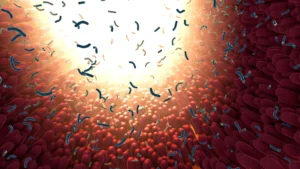
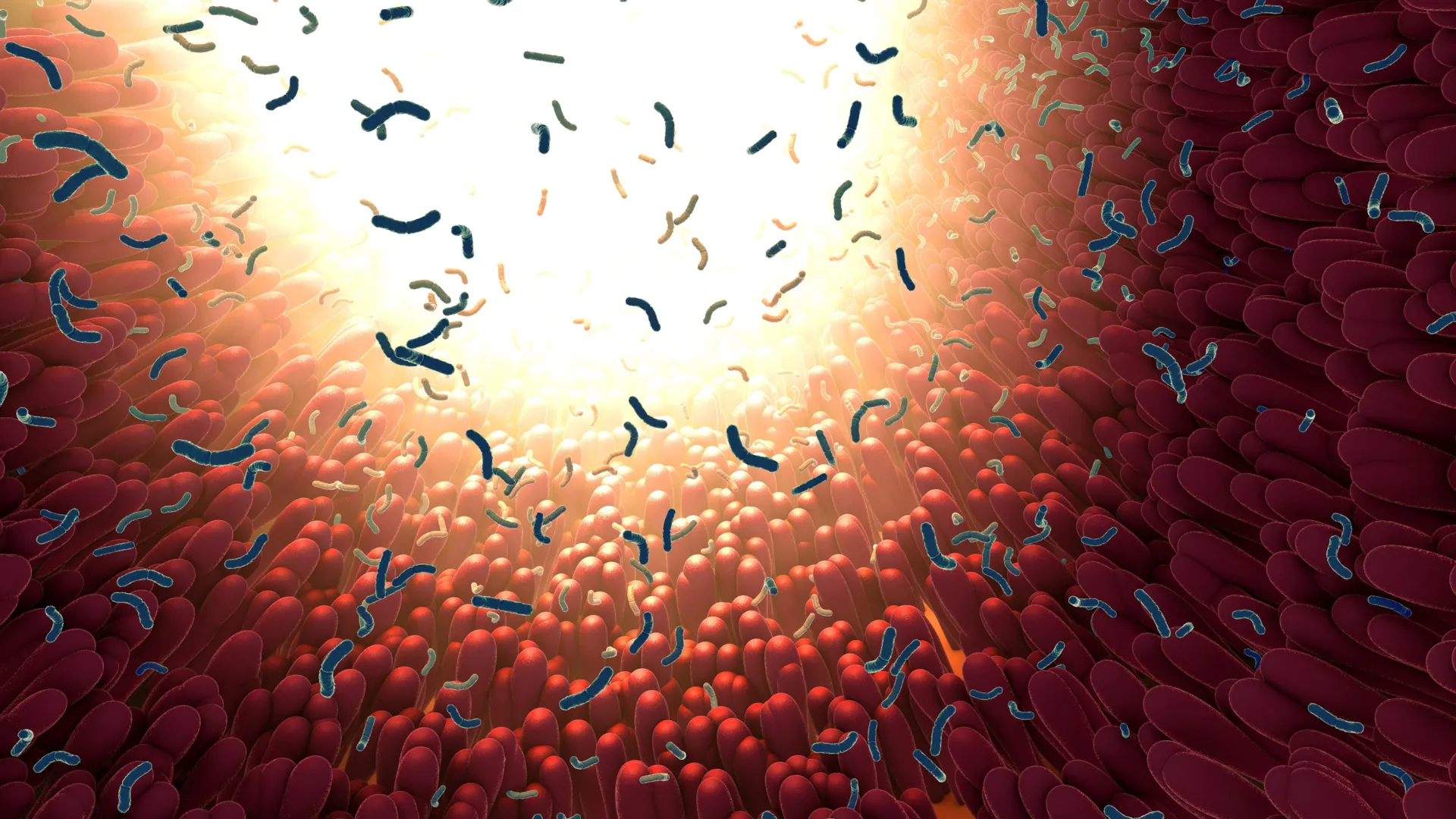
The researchers identified specific bacterial species that exhibited particularly strong correlations with aging rates. Bifidobacterium adolescentis, a well-known beneficial bacterium often found in the gut, emerged as one of the microbes most strongly linked to slower biological aging. Conversely, Succinivibrio dextrinosolvens was identified as having one of the most significant associations with faster aging. These distinct microbial signatures suggest that the intricate balance and presence of particular bacterial populations within the gut may serve as critical indicators of how rapidly an individual’s body is aging at a molecular level.
The Influence of Lifestyle and Environment on the Gut Microbiome
Lead author Braden P. Kunihiro highlighted how this discovery contributes to the burgeoning field of precision health research, which seeks to unravel individual differences in health and disease. Unlike chronological age, the composition of the gut microbiome is remarkably dynamic and can be influenced by a myriad of everyday factors. "The gut microbiome is highly responsive to lifestyle, diet, environment and other everyday exposures," Kunihiro explained. "Our findings suggest that the microbiome may reflect important aspects of biological resilience and aging in ways that could eventually help inform future wellness and healthy aging strategies."
This inherent modifiability of the gut microbiome makes it a particularly attractive target for interventions aimed at promoting healthy aging. Factors such as dietary choices, physical activity levels, stress management, and exposure to environmental elements can all shape the microbial landscape within our digestive tract. Understanding these influences could empower individuals to make lifestyle adjustments that positively impact their gut health and, consequently, their aging process.
Diverse Populations and the Microbiome’s Role in Health Equity
A significant aspect of this research was its inclusion of Native Hawaiian and Pacific Islander participants. These populations have historically been underrepresented in scientific studies, particularly those concerning aging and gut microorganisms. The inclusion of these diverse groups offers a more comprehensive understanding of how the microbiome functions across different genetic and environmental backgrounds.
Co-author Ruben Juarez elaborated on the importance of this demographic representation. "The microbiome exists at the intersection of behavior, environment and human biology," Juarez noted. "Studies like this help illuminate potential pathways through which lived experiences and social factors influence long-term health outcomes." By examining how social circumstances and environmental conditions leave lasting biological effects, researchers can gain deeper insights into health disparities and develop more equitable approaches to health and wellness. This research, therefore, not only advances our understanding of aging but also champions inclusivity in scientific exploration.
Future Directions: Causality and Intervention
While the findings establish a significant correlation between gut bacteria and biological aging, the researchers are careful to emphasize that the study does not prove causation. In simpler terms, the presence of certain microbes associated with slower aging does not definitively mean these bacteria are the direct cause of this slower process. Further rigorous studies are imperative to elucidate the precise mechanisms at play.
The next critical step for researchers will be to determine whether actively modifying the gut microbiome, perhaps through dietary interventions, probiotics, or prebiotics, can indeed influence the rate of biological aging or lead to improved long-term health outcomes. The potential for personalized interventions based on an individual’s unique gut microbial profile is a tantalizing prospect.
The study represents an important initial step toward unraveling the complex relationship between our internal microbial ecosystem and the aging process. "This is an important early step toward understanding the gut microbiome’s relationship with healthy aging," Dr. Maunakea concluded. "Future research will help clarify the mechanisms involved and whether these microbial signatures may eventually contribute to precision approaches for promoting long-term health and wellness." The prospect of leveraging our own gut bacteria to influence how we age opens a promising new frontier in the pursuit of a longer, healthier life.
Background and Context
The concept that microorganisms within our bodies can influence our health has gained substantial traction in recent years. The gut microbiome, in particular, has been implicated in a wide range of physiological processes, including digestion, immune function, and even mental well-being. However, its direct role in the aging process has been a subject of ongoing scientific inquiry. Previous studies have hinted at connections, but this research provides some of the most robust evidence to date, identifying specific microbial players and quantifying their impact on biological aging.
The DunedinPACE biomarker, utilized in this study, was developed by researchers at Duke University. It is a comprehensive measure that analyzes a panel of 19 different biomarkers in blood to estimate an individual’s pace of aging. This advanced methodology allows for a more accurate assessment of biological aging than previously available, providing a clearer picture of the rate at which the body’s systems are deteriorating. The consistency of the findings across a diverse cohort strengthens the validity of the results.
Implications for Public Health and Personalized Medicine
The implications of this research are far-reaching. If the gut microbiome can indeed be modulated to influence aging, it could revolutionize approaches to preventative healthcare and chronic disease management. Imagine a future where individuals receive personalized recommendations for dietary changes or microbial supplements based on their gut microbiome profile to optimize their aging trajectory. This could lead to a significant reduction in age-related diseases such as cardiovascular disease, neurodegenerative disorders, and certain types of cancer.
Furthermore, the research highlights the potential for a shift towards more proactive and personalized health strategies. Instead of solely focusing on treating diseases after they emerge, future interventions could aim to maintain optimal biological aging by nurturing a healthy gut microbiome. This could empower individuals to take a more active role in their own health and longevity.
The inclusion of Native Hawaiian and Pacific Islander participants also brings a crucial social justice dimension to the research. By understanding the microbiome’s role in aging within these communities, scientists can work towards addressing health disparities and ensuring that the benefits of future microbiome-based interventions are accessible to all. The intersection of environmental factors, lived experiences, and gut health offers a powerful lens through which to examine the complex interplay of factors that contribute to long-term health outcomes. This holistic approach is essential for developing truly equitable and effective health strategies for the future.