


Geothermal energy developer Fervo Energy has reported a monumental surge in its contracted revenue, reaching an unprecedented $11.9 billion in its third-quarter earnings report, up from $7.2 billion in the previous quarter. This significant financial milestone underscores Fervo’s accelerating trajectory within the renewable energy sector, positioning it as a pivotal player in addressing the burgeoning energy demands of the artificial intelligence (AI) industry and global data centers. The timing of Fervo’s rapid expansion could not be more opportune, coinciding with a critical period where hyperscale cloud providers are aggressively seeking reliable, clean, and scalable power solutions for their energy-intensive AI infrastructure.
Financial Milestones and Market Confidence
Fervo’s third-quarter results, released Monday, reveal a company in a vigorous growth phase, driven by successful project deliveries and strategic partnerships. The nearly 65% increase in contracted revenue within a single quarter is a powerful indicator of market confidence in Fervo’s enhanced geothermal systems (EGS) technology and its capacity to meet large-scale energy needs. Despite this impressive revenue growth, Fervo is still in its early operational stages, reporting an operating loss of $43.7 million for the quarter. However, this is largely mitigated by a robust cash and cash equivalents position of $1.9 billion and long-term debt of $301.6 million, providing substantial financial runway for continued development and expansion. The company’s ability to secure such substantial forward contracts demonstrates a strong belief from its customers, particularly in the tech sector, regarding its long-term delivery capabilities and the viability of its innovative geothermal solutions.
The AI Power Imperative: A New Era of Energy Demand
The global explosion of AI computation has ushered in an unprecedented demand for electricity, transforming the landscape of energy procurement for major tech companies. Hyperscalers – the operators of massive data centers for cloud computing, AI, and other digital services – are now among the largest electricity consumers globally. Unlike traditional computing, which often experiences peak loads, AI training and inference models run continuously, requiring constant, baseload power. This constant demand poses unique challenges for intermittent renewable sources like solar and wind, which require significant energy storage or backup power to maintain continuous supply.
This is where geothermal energy, particularly Fervo’s enhanced systems, presents a compelling solution. Geothermal power plants operate 24/7, offering a constant, dispatchable source of clean energy that is not reliant on weather conditions. As AI models become more complex and widespread, their energy footprint is projected to grow exponentially. Industry estimates suggest that data centers could account for a significant portion of global electricity consumption in the coming years, making sustainable and reliable energy sources like geothermal critical for the industry’s long-term growth and environmental objectives. Google, a leading hyperscaler and a vocal advocate for carbon-free operations, has been at the forefront of this shift, actively pursuing 24/7 carbon-free energy for its data centers.
Fervo’s Technological Edge: Enhanced Geothermal Systems (EGS)
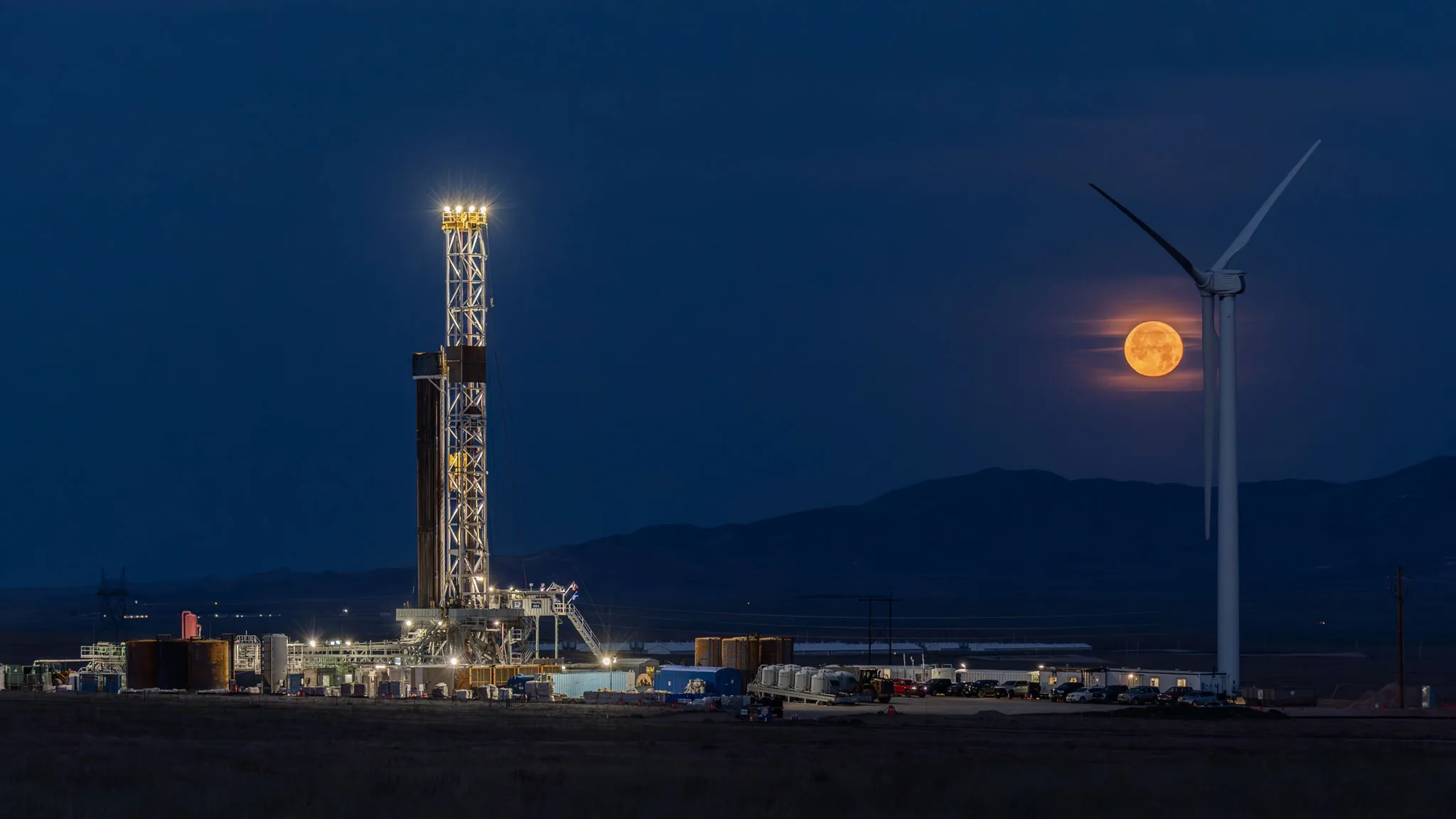
Fervo’s success is deeply rooted in its innovative approach to enhanced geothermal systems (EGS), which overcome many of the limitations of conventional geothermal technology. Traditional geothermal relies on finding naturally occurring reservoirs of hot water or steam close to the Earth’s surface. EGS, by contrast, creates these reservoirs. Fervo employs advanced drilling techniques, inspired by the oil and gas industry, to access deeper, hotter rock formations. Water is then injected into these formations, heated by the Earth’s natural geothermal gradient, and brought back to the surface to generate electricity.
A significant milestone for Fervo earlier this year was the connection of its first 100-megawatt (MW) power plant to the grid, a testament to its EGS technology’s efficacy. This project, alongside the impending 396 MW power plant for Google, underscores Fervo’s ability to execute large-scale projects. Both of these foundational projects are located at Cape Station in Utah, a site whose potential Fervo has dramatically re-evaluated. Experts initially estimated the site could produce about 4 gigawatts (GW) of electricity; however, Fervo’s advanced exploration and drilling techniques have led to an updated estimate of 8.4 GW, doubling its previously understood capacity. This revised potential highlights the transformative impact of Fervo’s technology in unlocking previously inaccessible geothermal resources.
Modular Development and Strategic Partnerships
A key differentiator for Fervo, especially in its appeal to hyperscalers, is the phased and modular nature of its construction. Unlike massive, monolithic power plants like large nuclear or natural gas facilities that require years of upfront construction before any power is generated, Fervo’s approach allows for incremental deployment. Co-founder and CEO Tim Latimer emphasized this advantage in an earnings call, stating, "We build Cape Station on our schedule. Google can develop a potential data center on their schedule, and neither party is waiting on the other." This statement encapsulates the strategic flexibility that geothermal offers.
Fervo’s newer wells are designed to be deeper and hotter, each capable of generating 15 MW of gross power. These individual wells are then linked together into what the company terms a "GeoBlock." The first completed GeoBlock generated 33 MW, with more recent iterations achieving 50 MW. This modularity is perfectly tailored to the needs of modern data centers, which are often built in stages, with new halls coming online sequentially. Hyperscalers can bring Fervo’s GeoBlocks online as they are completed, matching power supply directly to their expanding demand without incurring the costs or delays associated with waiting for a massive, single-phase plant to finish construction. The Google project, now formally named Cape Google 400, exemplifies this synergy, ensuring that Google can draw power from the deal and even sell excess to other customers if its data centers aren’t immediately ready to consume the full capacity. This arrangement provides Google with unparalleled flexibility and de-risks its energy procurement strategy for future AI expansions.
The Economics of Geothermal: Cost Reduction and Competitiveness
Fervo’s long-term viability and competitive edge hinge significantly on its ability to drive down the cost of its power plants. While hyperscalers are currently hungry for power and may be less price-sensitive in the immediate term, long-term sustainability demands cost-effectiveness. Fervo has already demonstrated significant progress in this area. The first phase of its Cape Station project was reported to cost $7,000 per kilowatt (kW) of capacity. Impressively, the cost for its Google project has seen a substantial reduction to $5,500 per kW, indicating a strong downward trend in development expenses.
This cost reduction trajectory is critical for Fervo to compete with established energy sources. With federal subsidies, the current $5,500/kW cost for geothermal is roughly equivalent to a new natural gas power plant running on fuel that costs $6 per million BTUs (MMBTU). While this is still approximately double the current market price of natural gas, the trend is positive. The real game-changer for Fervo, and the EGS industry at large, would be achieving its ambitious long-term target of $3,000 per kW. At this price point, Fervo could significantly undercut natural gas power, even at today’s low prices, offering a consistently cheaper and cleaner baseload alternative. The rapid strides Fervo has made in just a few years—from concept to significant cost reduction and large-scale deployment—explain why major players like Google are investing early and heavily in this technology. This economic pathway, combined with the environmental benefits, positions EGS as a formidable contender in the future energy mix.
Broader Implications for the Energy Landscape
Fervo’s rapid ascent and technological advancements carry profound implications for the broader energy landscape and the global transition to cleaner power. Geothermal energy, often considered a niche renewable, is now poised to play a much larger role, particularly as EGS technology makes previously uneconomical or inaccessible resources viable.
- Diversification of Renewables: EGS offers a critical baseload component to renewable energy portfolios, complementing intermittent sources like solar and wind. This allows for a more stable and resilient grid, reducing reliance on fossil fuel peaker plants.
- Climate Change Mitigation: As a zero-emission energy source, EGS directly contributes to decarbonization efforts, helping countries and corporations meet ambitious climate targets. Its 24/7 operational capability ensures a constant supply of clean energy, which is essential for achieving true carbon-free grids.
- Regional Energy Independence: EGS can unlock geothermal resources in diverse geographical locations, reducing dependence on imported fossil fuels and enhancing energy security for nations.
- Economic Development: The development of EGS projects creates jobs in engineering, drilling, construction, and operations, fostering economic growth in regions where projects are located.
- Innovation Catalyst: Fervo’s success encourages further investment and research into EGS and other advanced geothermal technologies, accelerating innovation across the sector.
However, challenges remain. Scaling EGS globally will require continued investment, further cost reductions, and supportive regulatory frameworks. Environmental considerations, such as potential seismic activity from fluid injection, must also be carefully managed and continuously researched to ensure safe and sustainable operations.
Looking Ahead: Fervo’s Trajectory and the Future of Energy
Fervo Energy’s current trajectory places it at the vanguard of a new era in clean energy. With $11.9 billion in contracted revenue, a proven technology demonstrated by its 100 MW plant and the ambitious Cape Google 400 project, and a clear path towards cost competitiveness, Fervo is well-positioned to capitalize on the insatiable demand for reliable, clean power. The company’s ability to consistently hit deadlines and innovate in its drilling and reservoir management techniques will be crucial for maintaining momentum.
The partnership with Google serves as a powerful endorsement, signaling to the wider tech and energy industries that EGS is a viable, scalable solution for powering the future. As AI continues its exponential growth, the demand for baseload, carbon-free energy will only intensify. Fervo’s modular GeoBlock system provides a flexible, scalable answer to this challenge, enabling data centers to grow efficiently and sustainably. If Fervo can continue to deliver on its promises and achieve its ambitious cost targets, it will not only secure its own future but also play a transformative role in accelerating the global energy transition, providing a foundational clean energy source for a digitally advanced and carbon-neutral world.