



The echoes of ancient Jordan resonate with a chilling reminder of humanity’s vulnerability to disease. A cry of "A plague is upon us" was not merely a lament of the past, but a stark reality that decimated populations and irrevocably shaped the course of history in regions like ancient Jerash. Today, an interdisciplinary team from the University of South Florida (USF) is meticulously piecing together the grim narrative of this devastating crisis, focusing not just on the pathogen itself, but on the profound human impact of what is believed to be the first recorded outbreak of bubonic plague in the Mediterranean.
Their latest groundbreaking research, published in the esteemed Journal of Archaeological Science and titled "Bioarchaeological signatures during the Plague of Justinian (541-750 CE) in Jerash, Jordan," moves beyond identifying Yersinia pestis, the bacterium responsible for the plague. Instead, it delves into the lived experiences of those who succumbed to this relentless foe, offering an unprecedented glimpse into how an ancient city grappled with mass death and societal disruption.
Unearthing a City’s Trauma: The Jerash Mass Grave
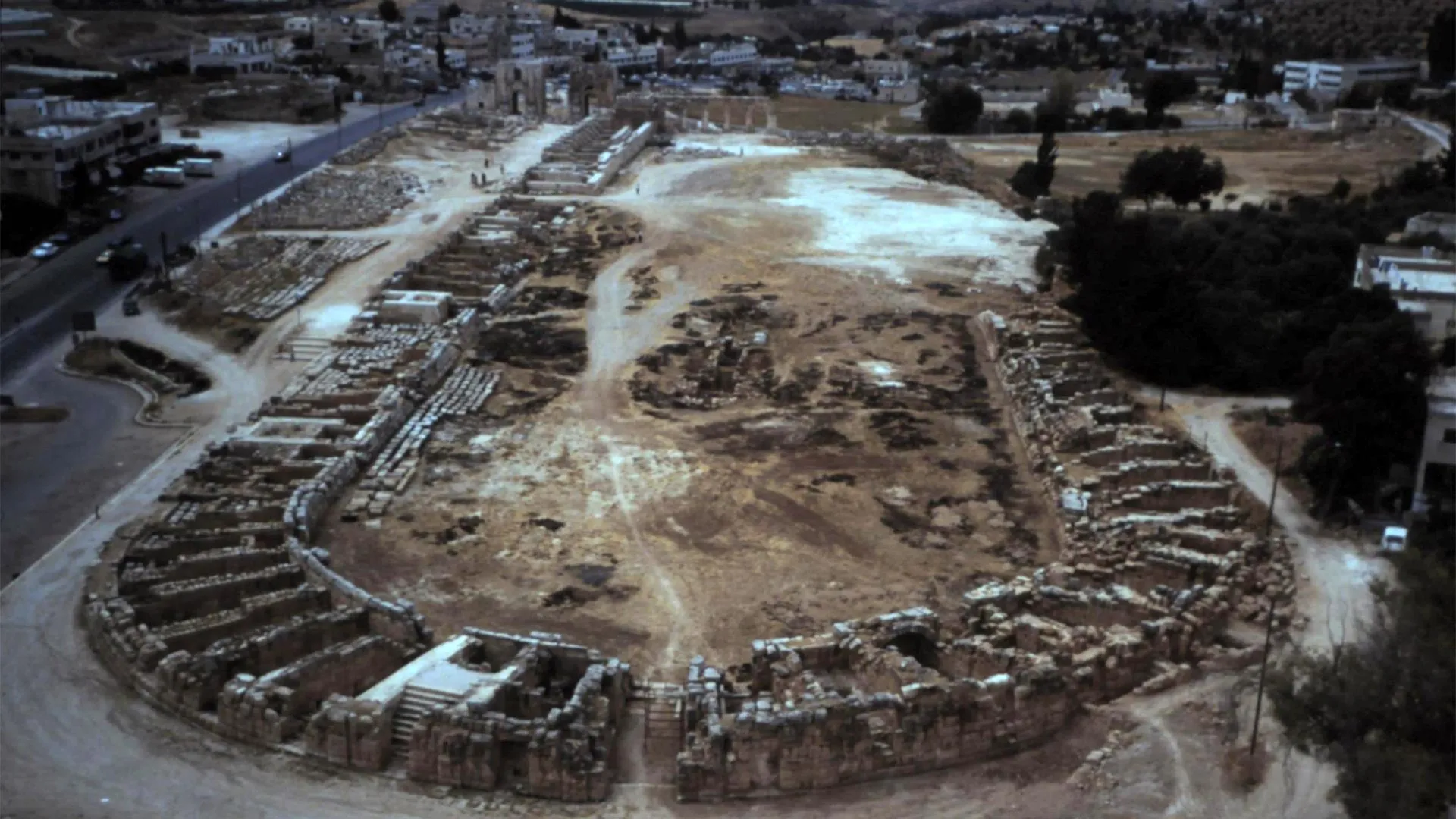
The cornerstone of this transformative research is the discovery and in-depth study of a mass grave in Jerash, Jordan. This site, believed to be the first confirmed plague-related mass grave, offers irrefutable archaeological and genetic evidence of the catastrophic mortality that swept through the Byzantine Empire between 541 and 750 CE. Unlike conventional cemeteries, which typically represent gradual interments over extended periods, the Jerash site reveals a startling reality: hundreds of individuals were interred rapidly, one atop another, within a matter of days, amidst discarded pottery debris in what was once a public area.
This rapid, unceremonious disposal of the dead speaks volumes about the overwhelming nature of the plague. It suggests a breakdown in societal norms and a desperate attempt to contain the contagion and manage an unprecedented death toll. The interdisciplinary USF team, led by associate professor Rays H. Y. Jiang of the College of Public Health, meticulously analyzed the skeletal remains and surrounding archaeological context. Their work, a continuation of an ongoing series examining the Plague of Justinian, aims to transform abstract historical accounts into tangible human stories.
"We wanted to move beyond identifying the pathogen and focus on the people it affected, who they were, how they lived and what pandemic death looked like inside a real city," Jiang explained in a statement. "The earlier stories identified the plague organism. The Jerash site turns that genetic signal into a human story about who died and how a city experienced crisis."
The Plague of Justinian: A Shadow Over the Byzantine Empire
The Plague of Justinian, named after the Byzantine Emperor Justinian I who reigned from 527 to 565 CE, was a devastating pandemic that marked the beginning of a series of plague outbreaks. Its origins are widely believed to have been in Central Asia, from where it spread along trade routes, reaching the Byzantine Empire in 541 CE. The initial outbreak is estimated to have killed between 25 and 50 million people across the Mediterranean world and beyond, drastically reducing the population of the Byzantine Empire by as much as a third. Subsequent waves of the plague continued to recur for over two centuries, profoundly impacting the empire’s social, economic, and political structures, and contributing to its eventual decline.
The symptoms of the plague, as described by contemporary historians like Procopius, were horrifying and swift. They included fever, vomiting, delirium, buboes (swollen lymph nodes, typically in the groin, armpits, or neck), and carbuncles. The mortality rate was exceedingly high, often leading to death within a few days of the onset of symptoms. The sheer scale of death overwhelmed existing burial practices and infrastructure, forcing communities into desperate measures.
Chronology of Crisis: A Timeline of the Plague’s Impact
- 541 CE: The first wave of the Plague of Justinian arrives in Pelusium, Egypt, likely via grain ships from the East. It quickly spreads to Constantinople, the capital of the Byzantine Empire, and then throughout the Mediterranean world.
- 541-542 CE: The plague devastates Constantinople, with some accounts suggesting daily death tolls reaching 10,000 individuals. Emperor Justinian himself contracts the disease but survives.
- Mid-6th Century: The plague continues to rage across the Byzantine Empire, impacting North Africa, Italy, Greece, and the Levant. It disrupts military campaigns, trade, and agriculture.
- 558 CE: A subsequent outbreak occurs, followed by further recurrences.
- Late 6th to 8th Centuries: Periodic outbreaks of plague continue to plague the Byzantine Empire and surrounding regions, albeit with varying intensity and geographical reach. The full extent of these later outbreaks is less well-documented but their impact on population levels and societal stability is significant.
- 750 CE (Approximate): The last major wave of the Plague of Justinian is believed to have subsided, though the Yersinia pestis bacterium would continue to cause localized outbreaks for centuries, culminating in the Black Death of the 14th century.
- 2010s-Present: The University of South Florida-led research initiative begins to uncover new details about the plague’s impact, focusing on bioarchaeological evidence from sites like Jerash, Jordan.
The Jerash Site: More Than Just a Burial Ground
The significance of the Jerash mass grave lies not only in its confirmation of a plague-related burial event but also in the nuanced human story it tells. The analysis of skeletal remains, coupled with advanced genetic testing, has provided crucial insights into the demographics of the deceased and their lifestyle.
"The Jerash site turns that genetic signal into a human story about who died and how a city experienced crisis," Jiang stated. This humanizing aspect is what sets this research apart. By linking biological evidence directly to the archaeological context, researchers can paint a vivid picture of how disease impacted individuals within their specific social and environmental circumstances. This moves the understanding of pandemics from abstract historical events to lived human health crises.
Mobility and Hidden Connections Revealed
One of the most compelling revelations from the Jerash site concerns the mobility of ancient populations. Historical and genetic data have long suggested that people traveled and interacted across vast distances, yet traditional burial evidence often pointed towards isolated, localized communities. The Jerash mass grave appears to resolve this apparent contradiction.
The study indicates that the individuals buried at Jerash likely belonged to a mobile population that was integrated into the broader urban community. While migration typically occurred slowly over generations and was difficult to discern in standard burial grounds, a catastrophic event like a plague could bring these disparate elements together. In the face of overwhelming mortality, individuals from more mobile backgrounds, who might normally have been dispersed across the region, were consolidated in a single burial site, thus making their previously "hidden" connections visible.
This finding has significant implications for understanding how ancient societies functioned and how diseases spread. It suggests that while daily life might have appeared more localized, underlying networks of movement and interaction were far more extensive than previously assumed. The plague, in its horrific efficiency, acted as a grim spotlight, illuminating these hidden connections.
The Scientific Backbone: An Interdisciplinary Effort
The success of this research hinges on the collaborative efforts of a diverse team of experts. The USF team comprises specialists from the Genomics, Global Health Infectious Disease Research Center, as well as the departments of anthropology, molecular medicine, and history. Their expertise is complemented by valuable contributions from archaeologist Karen Hendrix of Sydney University in Australia and the DNA laboratory at Florida Atlantic University.
This interdisciplinary approach is crucial for a comprehensive understanding of the plague’s impact. Paleogenomics allows for the identification of Yersinia pestis DNA in the ancient remains, confirming the cause of death. Anthropology and archaeology provide context on burial practices, societal structure, and daily life. Molecular medicine contributes to understanding the disease’s biological mechanisms, while history offers the broader narrative framework.
Implications for Modern Pandemics: Lessons from the Past
The research on the Plague of Justinian holds profound relevance for understanding and responding to contemporary pandemics. The patterns of vulnerability, social disruption, and the intersection of disease with daily life observed in ancient Jerash echo in modern global health crises.
"Pandemics aren’t just biological events, they’re social events, and this study shows how disease intersects with daily life, movement and vulnerability," Jiang emphasized. The study underscores that understanding who is vulnerable and why is critical, as these patterns continue to shape how diseases affect societies today.
The factors that contributed to the spread and impact of the Plague of Justinian – dense urban populations, extensive trade networks, and environmental changes – are remarkably similar to those that facilitate the spread of infectious diseases in the 21st century. The research highlights that:
- Urbanization and Density: Concentrated populations in ancient cities, much like in modern metropolises, provided fertile ground for rapid disease transmission.
- Globalized Trade Routes: The Silk Road and other ancient trade networks, analogous to modern international travel and commerce, were conduits for the plague’s swift dissemination.
- Environmental Factors: While not explicitly detailed in this specific excerpt, historical accounts suggest that climate and environmental shifts may have played a role in the plague’s emergence and spread, a concept echoed in discussions around zoonotic diseases today.
By studying the human impact of historical pandemics, researchers gain invaluable insights into the social determinants of health, the resilience of communities, and the long-term consequences of disease outbreaks. The Jerash site serves as a powerful testament to the fact that pandemics are not merely medical events but deeply social and historical phenomena that leave an indelible mark on human civilization.
The ongoing work by the University of South Florida team promises to continue shedding light on this pivotal period in human history, offering a vital perspective on our shared vulnerability and the enduring lessons that can be learned from confronting ancient plagues. The skeletal remains unearthed in Jordan are not just relics of a bygone era; they are silent witnesses to a profound human struggle, offering a tangible link to the devastating realities of the first recorded pandemic and its enduring legacy.