



For over a quarter-century, a groundbreaking initiative at Northwestern Medicine has been meticulously dissecting the enigma of cognitive vitality in advanced age. The SuperAging Program, now celebrating its 25th anniversary, has dedicated itself to understanding individuals aged 80 and beyond who exhibit cognitive abilities on par with those at least three decades younger. This extensive research challenges the pervasive notion that significant mental decline is an inevitable consequence of aging, offering a beacon of hope for enhanced brain health and longevity.
The program’s findings, recently summarized in a significant perspective piece published in Alzheimer’s & Dementia: The Journal of the Alzheimer’s Association, underscore the existence of a distinct neurobiological profile associated with this remarkable phenomenon. Dr. Sandra Weintraub, a distinguished professor of psychiatry and behavioral sciences and neurology at Northwestern University Feinberg School of Medicine and a key figure in the research, articulated the profound implications of their work: "Our findings show that exceptional memory in old age is not only possible but is linked to a distinct neurobiological profile. This opens the door to new interventions aimed at preserving brain health well into the later decades of life." The publication coincides with a special issue commemorating the 40th anniversary of the National Institute on Aging’s Alzheimer’s Disease Centers Program and the 25th anniversary of the National Alzheimer Coordinating Center, further contextualizing the significance of the SuperAging research within the broader landscape of aging and neurodegenerative disease studies.
The Genesis and Evolution of SuperAging Research
The concept of "SuperAgers" was first articulated by Dr. M. Marsel Mesulam, a visionary neurologist who founded the Mesulam Center for Cognitive Neurology and Alzheimer’s Disease at Northwestern in the late 1990s. His foresight laid the groundwork for what would become a pivotal longitudinal study on aging and cognition. Since its inception in 2000, the SuperAging Program has enrolled 290 participants, who have undergone annual evaluations, providing an unprecedented wealth of data on cognitive function, lifestyle, and personality over extended periods.
Crucially, the program’s impact has been amplified by the extraordinary generosity of its participants, 77 of whom have opted to donate their brains for scientific study upon their passing. These post-mortem examinations have been instrumental in uncovering the biological underpinnings of SuperAging, offering a level of detail and certainty unattainable through in-vivo studies alone. This commitment to brain donation has allowed researchers to correlate observable cognitive performance with cellular and molecular changes in the brain, a critical bridge between behavioral observation and biological explanation.
Unraveling the Mechanisms of Exceptional Cognition
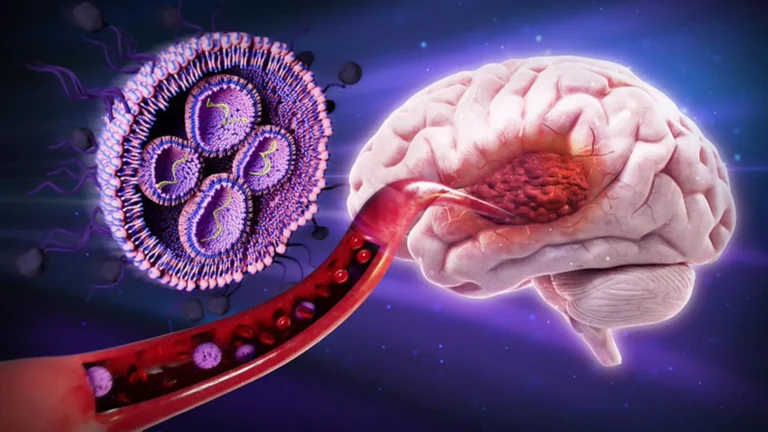
The examination of SuperAger brains has yielded "earth-shattering" discoveries, as Dr. Weintraub described, fundamentally altering the scientific understanding of aging and Alzheimer’s disease. One of the most surprising findings is the presence of amyloid and tau proteins—the pathological hallmarks of Alzheimer’s disease, commonly known as plaques and tangles—in the brains of some SuperAgers. This observation, initially counterintuitive, has led to the identification of two distinct pathways to achieving SuperAging status.
Resistance: The Unaffected Brain
A subset of SuperAgers exhibit brains that are remarkably free of amyloid and tau proteins. These individuals appear to possess an inherent biological resistance to the accumulation of these damaging molecules, thus sidestepping a primary driver of neurodegeneration. This pathway suggests a genetic or early-life developmental advantage that confers lifelong protection against the formation of these pathological aggregates.
Resilience: The Robust Brain
Perhaps even more striking is the discovery that other SuperAgers do develop significant amounts of amyloid and tau proteins in their brains, yet their cognitive functions remain exceptionally preserved. This phenomenon points to a profound level of brain resilience. These individuals, despite the presence of pathological markers, demonstrate an extraordinary capacity to withstand their effects. This resilience may stem from a variety of factors, including the brain’s ability to efficiently clear these proteins, the development of alternative neural pathways to compensate for damage, or a unique synaptic plasticity that allows for sustained function.
Dr. Tamar Gefen, an associate professor of psychiatry and behavioral sciences at Feinberg, director of Feinberg’s Laboratory for Translational Neuropsychology, and a neuropsychologist at the Mesulam Center, emphasized the power of these biological insights: "Many of the findings from this paper stem from the examination of brain specimens of generous, dedicated SuperAgers who were followed for decades. I am constantly amazed by how brain donation can enable discovery long after death, offering a kind of scientific immortality."
Lifestyle and Personality: The Human Factor
Beyond the biological revelations, the SuperAging Program has also identified consistent lifestyle and personality traits that characterize these exceptional individuals. While not as "earth-shattering" as the brain findings, these behavioral patterns offer practical insights into fostering cognitive well-being. SuperAgers are frequently described as highly social and outgoing. This suggests that strong social engagement and an active interpersonal life may play a significant role in maintaining cognitive vitality. The constant mental stimulation derived from social interactions, the emotional support network, and the sense of purpose often associated with strong social bonds could contribute to neural health and cognitive reserve.
Other observed traits include a generally positive outlook, a high level of optimism, and a robust sense of humor. These psychological characteristics are often linked to lower stress levels and enhanced emotional regulation, both of which are increasingly recognized as important contributors to overall brain health. The ability to navigate life’s challenges with a positive attitude may buffer against the detrimental effects of stress, a known factor in cognitive decline.
Implications for Alzheimer’s Disease and Dementia Prevention
The identification of distinct biological and behavioral patterns linked to SuperAging holds immense promise for the development of novel strategies to combat Alzheimer’s disease and other forms of dementia. By understanding the mechanisms of both resistance and resilience, researchers can begin to target interventions that aim to:
- Enhance Brain Resistance: Future research may focus on identifying genetic factors or developing pharmacological agents that can inhibit the formation or promote the clearance of amyloid and tau proteins. This could involve exploring pathways related to protein metabolism and aggregation.
- Boost Brain Resilience: Interventions could also aim to bolster the brain’s ability to withstand existing pathology. This might involve therapies that promote neurogenesis, enhance synaptic plasticity, or strengthen neural networks. Lifestyle interventions, such as targeted cognitive training, exercise, and stress management techniques, could also be explored for their role in building resilience.
The research team’s ultimate goal is to translate these discoveries into actionable strategies that can strengthen cognitive resilience in the broader population, thereby reducing the risk and delaying the onset of age-related cognitive impairments. As Dr. Weintraub stated, "This opens the door to new interventions aimed at preserving brain health well into the later decades of life."
A Landmark Contribution to Neuroscientific Understanding
The perspective article, "The First 25 Years of the Northwestern SuperAging Program," serves as a comprehensive overview of the program’s journey and its significant contributions to the field. The collaborative efforts of researchers like Dr. Mesulam, Dr. Weintraub, Dr. Gefen, and Changiz Geula, a research professor of cell and developmental biology and neuroscience at Feinberg, have been pivotal in piecing together the complex puzzle of cognitive longevity.
The program’s methodology, which combines longitudinal behavioral assessments with detailed neuropathological examinations, represents a gold standard in aging research. The consistent annual evaluations allow for the tracking of cognitive trajectories over time, while the brain donations provide the ultimate biological confirmation of underlying mechanisms. This multi-faceted approach has allowed researchers to move beyond correlational findings to establish more direct causal links between biological factors, lifestyle choices, and exceptional cognitive function in old age.
Looking Ahead: The Future of SuperAging Research
The insights gleaned from the SuperAging Program are not merely academic; they represent a paradigm shift in how aging and cognitive decline are perceived and addressed. The program’s findings suggest that maintaining sharp cognitive function in old age is not a matter of chance but is influenced by a complex interplay of genetics, biology, lifestyle, and personality.
The ongoing research at Northwestern Medicine continues to explore new avenues, including the role of specific genes, the impact of diet, the intricacies of brain network connectivity, and the influence of early-life experiences on late-life cognition. As the program looks to its next 25 years, the focus remains on translating these profound discoveries into tangible benefits for individuals and society, fostering a future where cognitive vitality is a widespread reality, not a rare exception. The journey of the SuperAgers offers a powerful testament to the brain’s remarkable capacity for adaptation and resilience, providing a roadmap for healthier, sharper aging for generations to come.