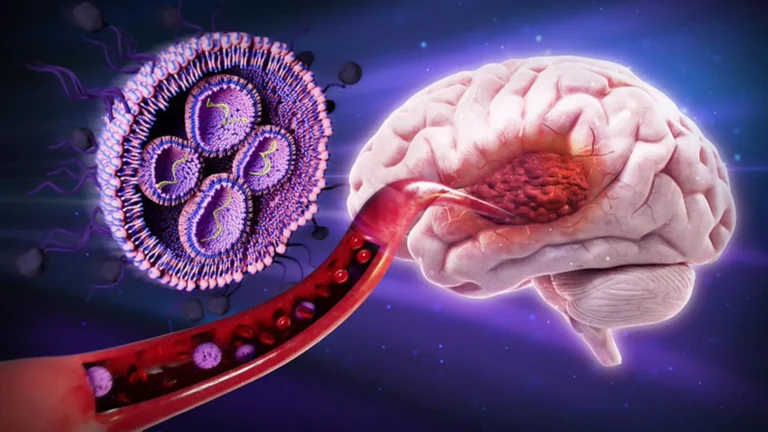




Researchers at King’s College London have identified a groundbreaking therapeutic strategy for Alzheimer’s disease, focusing on simultaneously addressing multiple early biological changes characteristic of the neurodegenerative condition. The experimental drug, KCL-286, originally developed for spinal cord injury and having successfully navigated Phase 1 human safety trials, has demonstrated a significant reduction in several key hallmarks of Alzheimer’s disease in a preclinical mouse model. This multi-pronged approach, targeting DNA damage and inflammation in addition to potentially influencing amyloid and tau pathways, marks a significant departure from existing treatment paradigms and offers a hopeful new avenue for combating this devastating illness.
A Paradigm Shift in Alzheimer’s Treatment: Moving Beyond Single Targets
Alzheimer’s disease, a progressive neurological disorder that accounts for an estimated 60-80% of dementia cases worldwide, is characterized by a complex and multifactorial pathology. For decades, the primary focus of drug development has been on the accumulation of amyloid-beta plaques and neurofibrillary tangles composed of tau protein, considered the defining pathological features. While some treatments aimed at reducing amyloid-beta have received regulatory approval, their clinical benefits have been modest, offering only symptomatic relief or slowing progression to a limited extent for a subset of patients. The World Health Organization estimates that over 55 million people worldwide are living with dementia, with Alzheimer’s being the most common cause, a figure projected to rise to 78 million by 2030 and 139 million by 2050, underscoring the urgent need for more effective interventions.
The limitations of single-target therapies have prompted the scientific community to explore other crucial biological processes that may initiate or exacerbate the disease much earlier in its trajectory. Among these emerging targets are DNA damage and chronic neuroinflammation. Evidence suggests that DNA damage, particularly double-strand breaks, accumulates in neurons of individuals with Alzheimer’s disease even in the early stages, potentially leading to neuronal dysfunction and death. Similarly, persistent inflammation in the brain, known as neuroinflammation, is increasingly recognized as a significant contributor to the progression of Alzheimer’s, exacerbating neuronal damage and promoting the spread of pathological proteins.
The study conducted at King’s College London, published in a peer-reviewed journal, offers compelling evidence that KCL-286 effectively addresses these critical early mechanisms. In the mouse model of Alzheimer’s disease, the drug not only facilitated the repair of damaged DNA but also demonstrably reduced levels of inflammation. This dual action suggests that KCL-286 possesses the potential to act as a disease-modifying therapy, intervening at a foundational level of the disease process rather than merely managing symptoms.
KCL-286: Mechanism of Action and Preclinical Efficacy
KCL-286 operates through a novel mechanism involving the activation of a specific protein within the retinoic acid pathway. This pathway is intricately linked to the body’s processing of vitamin A and plays a role in various cellular functions, including neuronal development and repair. Previous research has indicated that disruptions in this pathway can be associated with the formation of amyloid-beta deposits, mirroring some of the pathological changes observed in Alzheimer’s disease.
The drug’s ability to repair DNA double-strand breaks was initially identified in studies investigating neuropathic pain. These breaks are particularly damaging to cells, akin to a complete severance of a DNA molecule, rather than a minor fraying. The King’s College London researchers hypothesized that KCL-286’s reparative capabilities could extend to the DNA damage found in Alzheimer’s disease. Their findings in the mouse model support this hypothesis, revealing that KCL-286 effectively promotes the repair of these critical DNA lesions, thereby addressing a fundamental cellular vulnerability in the disease.
Professor Jonathan Corcoran, Professor of Neuroscience at the Institute of Psychiatry, Psychology & Neuroscience at King’s College London, elaborated on the drug’s unique properties: "KCL-286 is a first-in-class, orally bioavailable small molecule that has already successfully cleared Phase 1 human safety and tolerability trials. This will dramatically cut down the traditional multi-year timeline required for new drug development." The oral bioavailability is a significant advantage, offering a more convenient and patient-friendly administration route compared to injectable therapies.
Dr. Maria Goncalves, who project managed the drug development, emphasized the multi-target nature of KCL-286’s action: "Our findings demonstrate that KCL-286 not only targets DNA damage but also reduces inflammation, two processes that occur very early in Alzheimer’s disease progression. This highlights its potential as a disease-modifying therapy rather than simply addressing symptoms." The ability to concurrently address these two early-stage pathological processes is what sets KCL-286 apart from many current investigational approaches.
A Journey of Discovery: From Spinal Cord Injury to Alzheimer’s Disease
The development of KCL-286 for Alzheimer’s disease is a testament to serendipity and the recognition of shared biological pathways across different neurological conditions. The same King’s College London research team had previously identified striking molecular similarities between acute spinal cord injury and Alzheimer’s disease. This observation, a crucial piece of the puzzle, led them to investigate whether KCL-286, effective in mitigating neuronal damage in spinal cord injury models, might also exert beneficial effects on Alzheimer’s-related neuronal changes.
This interdisciplinary approach is becoming increasingly vital in complex disease research. By understanding the fundamental cellular and molecular mechanisms that underlie neuronal injury and dysfunction, researchers can identify potential therapeutic targets that are applicable across a spectrum of neurological disorders. The successful translation of a drug candidate from one neurological indication to another underscores the interconnectedness of brain health and the potential for cross-application of therapeutic strategies.
Natasha Hill, one of the first authors on the paper, articulated the strategic advantage of KCL-286’s broad action: "To develop an effective treatment for Alzheimer’s disease, we need to tackle multiple aspects of the disease. KCL-286 was able to target multiple disease-relevant cellular pathways, some of which are initiated very early in the disease course." This holistic approach is essential for diseases as complex as Alzheimer’s, where a single pathological event is unlikely to be the sole driver of neurodegeneration.
The Road Ahead: Clinical Trials and Future Implications
The preclinical success of KCL-286 in a mouse model is a significant milestone, but the ultimate test lies in human clinical trials. The fact that KCL-286 has already completed Phase 1 safety testing for spinal cord injury provides a substantial advantage. Phase 1 trials are designed to assess the safety, tolerability, and pharmacokinetic profile of a drug in a small group of healthy volunteers. Successfully passing this stage means that the fundamental safety of KCL-286 has been established in humans, significantly streamlining the subsequent development process for Alzheimer’s disease.
Typically, drug development involves multiple phases of clinical trials, each with specific objectives:
- Phase 1: Assesses safety, dosage, and side effects in a small group of healthy volunteers. (Completed for KCL-286 for spinal cord injury)
- Phase 2: Evaluates effectiveness and further assesses safety in a larger group of patients with the target condition.
- Phase 3: Confirms effectiveness, monitors side effects, compares to standard treatments, and collects information for safe use in a large, diverse group of patients.
- Phase 4: Post-market studies to gather additional information on risks, benefits, and optimal use.
The established safety profile of KCL-286 means that researchers can potentially move more rapidly into Phase 2 trials for Alzheimer’s disease, where its efficacy in patients will be rigorously evaluated. This accelerated timeline could bring a potentially transformative treatment to patients years sooner than if development had to start from scratch.
The implications of a successful multi-target Alzheimer’s drug are profound. Beyond the direct benefits to patients and their families, it could reshape the landscape of dementia care. Current treatments often struggle to halt or significantly reverse cognitive decline. A drug that can intervene early, repair cellular damage, and reduce inflammation could potentially slow or even prevent the progression of the disease, preserving cognitive function and quality of life for longer periods.
Furthermore, the success of KCL-286 could validate the broader strategy of targeting multiple early-stage pathological mechanisms in Alzheimer’s and other neurodegenerative diseases. This could spur further investment and research into similar multi-target approaches, fostering a more comprehensive and effective pipeline of future therapies.
However, it is crucial to maintain a balanced perspective. Preclinical results, while highly encouraging, do not always translate directly to human efficacy. The complexities of the human brain and the disease’s progression in individuals are far more intricate than in animal models. Nonetheless, the unique combination of a multi-target mechanism, a favorable safety profile from prior human trials, and the potential for accelerated development positions KCL-286 as one of the most promising experimental therapies to emerge in the fight against Alzheimer’s disease in recent years. The scientific community and patient advocacy groups will be closely watching the progress of KCL-286 as it moves through the critical stages of clinical evaluation.