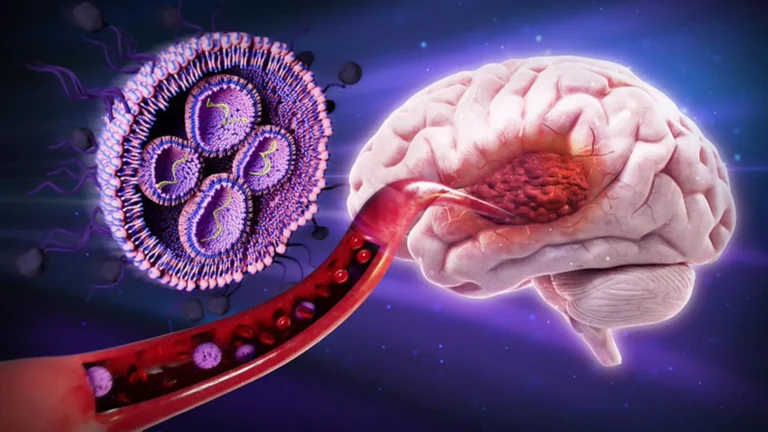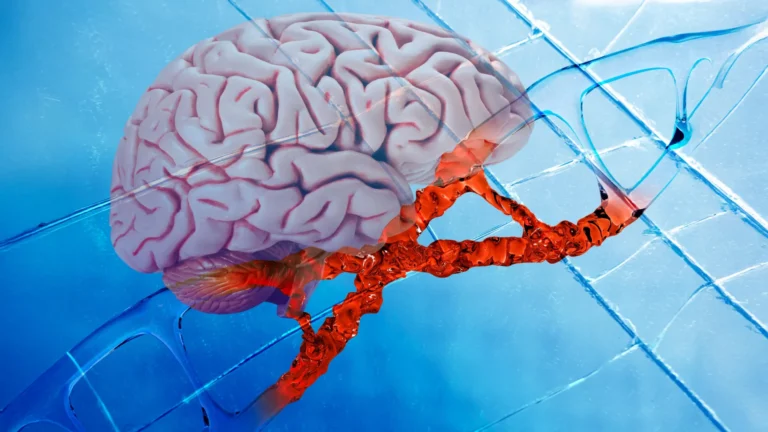




A groundbreaking study emerging from the Medical University of South Carolina (MUSC) is casting a new and potentially concerning light on the ubiquitous fish oil supplements, particularly for individuals who have experienced repeated mild traumatic brain injuries (mTBIs). Published in the esteemed journal Cell Reports, the research indicates that these popular supplements, frequently lauded for their neuroprotective qualities, could paradoxically impede the brain’s natural healing processes following injury.
This pivotal research was spearheaded by Dr. Onder Albayram, a distinguished neuroscientist and Associate Professor at MUSC, who also holds a significant role within the National Trauma Society Committee. Dr. Albayram’s investigative team meticulously examined the intricate biological mechanisms underpinning the repair of cerebral blood vessels after injury. Their findings challenge the long-held assumptions about the universal benefits of omega-3 fatty acids, specifically eicosapentaenoic acid (EPA), in the context of brain trauma.
The Exploding Popularity of Omega-3 Supplements: A Global Phenomenon
The interest surrounding omega-3 fatty acids, the principal active compounds in fish oil, has witnessed an unprecedented surge in recent years. This burgeoning fascination is not confined to dietary capsules; industry reports, such as those from Fortune Business Insights, highlight the integration of omega-3s into a vast array of consumer products, including beverages, dairy alternatives, and snack items. This widespread availability and marketing have undoubtedly contributed to their pervasive presence in daily diets.
Dr. Albayram acknowledges the ubiquity of these supplements, stating, "Fish oil supplements are everywhere, and people take them for a range of reasons, often without a clear understanding of their long-term effects." He further articulated the scientific void preceding their work: "But in terms of neuroscience, we still don’t know whether the brain has resilience or resistance to this supplement. That’s why ours is the first such study in the field."
The collaborative effort behind this significant research involved several leading scientists. Alongside Dr. Albayram, key contributors included Dr. Eda Karakaya and Dr. Adviye Ergul from MUSC, alongside researchers from partner institutions. Notably, Dr. Semir Beyaz from the Cold Spring Harbor Laboratory Cancer Center in New York also played a crucial role in the project.
EPA Identified as a Potential Roadblock to Neurological Recovery
The MUSC research team has pinpointed what they term a "context-dependent metabolic vulnerability." In simpler, more accessible language, this suggests that alterations in cellular energy utilization can diminish the brain’s capacity to heal under specific circumstances. This vulnerability appears intrinsically linked to the accumulation of eicosapentaenoic acid (EPA), a prominent omega-3 fatty acid commonly found in fish oil.
In the experimental models employed by the researchers, elevated levels of EPA within the brain correlated with diminished repair efficacy following injury. This finding is particularly significant given the prevalent use of fish oil supplements, often taken with the expectation of bolstering brain health.
Dr. Albayram drew a critical distinction between different omega-3 fatty acids, noting that their biological functions are not uniform. "Docosahexaenoic acid, or DHA," he explained, "is well known for its beneficial role in the brain and is a major part of neuronal membranes. EPA, however, follows a different pathway. It is less incorporated into brain structures, and its effects can vary depending on how long it is present and the surrounding biological conditions." This differential behavior, he elaborated, has historically obscured the long-term impact of omega-3 intake on brain recovery and the adaptive capabilities of blood vessels.
Unraveling the Interplay: Diet, Brain Biology, and Healing
To elucidate these complex interactions, the researchers meticulously designed a series of experiments that bridged dietary intake, brain function, and the subsequent healing processes. Their investigations in murine models focused on how prolonged fish oil consumption influenced the brain’s response to repeated mild head impacts, with a particular emphasis on the signaling pathways governing vascular stability and repair.
Simultaneously, the study examined human brain microvascular endothelial cells. These cells are integral components of the blood-brain barrier, acting as a crucial interface between the brain and the bloodstream. Within these human cell cultures, EPA, in contrast to DHA, was demonstrably associated with a reduced capacity for repair, a finding that mirrored the observations in the animal models.
In an effort to connect these experimental findings to real-world pathological conditions, the research team extended their analysis to postmortem brain tissue. They examined samples from individuals who had been diagnosed with chronic traumatic encephalopathy (CTE), a neurodegenerative disease often linked to repetitive brain injuries, and who had a documented history of such trauma. This human tissue analysis provided a critical translational dimension to their work, offering insights into how these biological processes might manifest in affected individuals.
The researchers characterized their comprehensive findings as possessing "implications for precision nutrition, therapeutic strategies and the design of dietary interventions targeting brain injury and neurodegeneration." This suggests that their work could pave the way for more personalized and targeted approaches to managing brain health and mitigating the effects of neurological insults.
Key Findings: A Deeper Dive into the Mechanisms
The study identified several salient patterns, which can be elucidated as follows:
-
Delayed Vulnerability in a Sensitive Brain State: In their mouse models, which were designed to mimic a sensitive brain state, prolonged fish oil supplementation revealed a delayed onset of vulnerability. The animals exhibited a decline in neurological performance and spatial learning over time. Crucially, the researchers observed clear evidence of vascular-associated tau accumulation in the cortex, establishing a link between impaired recovery, neurovascular dysfunction, and perivascular tau pathology. This finding underscores the potential for seemingly beneficial supplements to exert detrimental effects under specific physiological conditions.
-
Disruption of Vascular Repair Gene Programs: Within the injured cortex of the experimental subjects, the research team documented a coordinated recalibration of gene programs typically responsible for maintaining vascular stability and facilitating repair. This disruption manifested as a reduced expression of genes critical for extracellular matrix organization and endothelial integrity. Furthermore, broader transcriptional changes were noted, consistent with altered lipid metabolism in the aftermath of injury. This suggests that fish oil supplementation, specifically EPA, may interfere with the fundamental cellular machinery required for brain repair.
-
EPA’s Context-Dependent Impact on Endothelial Cells: Dr. Albayram clarified that EPA does not act as a universal cellular toxin. Instead, its impact is contingent on the cellular environment. "When cells were placed in conditions that encouraged fatty acid engagement," he explained, "EPA was associated with weaker angiogenic network formation and reduced endothelial barrier integrity, matching key features of the neurovascular repair deficit seen in vivo." This highlights the nuanced role of EPA and the importance of understanding the cellular context in which it operates.
-
Translational Evidence from Human CTE Tissue: The analysis of postmortem cortex from individuals with neuropathologically confirmed CTE and a history of repetitive brain injury provided compelling translational evidence. The researchers detected signs of disrupted fatty acid balance and widespread transcriptional alterations affecting vascular and metabolic pathways. This human arm of the study was instrumental in providing "translational context, asking whether chronic disease tissue shows convergent signatures of altered lipid handling and reduced vascular stability." The presence of similar patterns in both animal models and human tissue strengthens the argument for a potential link between EPA accumulation and impaired brain recovery in the context of repetitive head trauma.
Re-evaluating Fish Oil Consumption in Light of New Evidence
Dr. Albayram was emphatic in his desire to avoid misinterpretation of the study’s implications. "I am not saying fish oil is good or bad in some universal way," he cautioned. "What our data highlight is that biology is context-dependent. We need to understand how these supplements behave in the body over time, rather than assuming the same effect applies to everyone." This statement underscores the need for personalized approaches to supplementation and a move away from one-size-fits-all recommendations.
The researchers express hope that their work will stimulate a more critical and nuanced examination of omega-3 supplementation, both within the clinical community and among the general public. It is important to note the specific parameters of their study, which focused on the scenario of repeated mild brain injury and utilized CTE tissue for observational support, rather than establishing direct causal proof.
Acknowledging the inherent limitations of any scientific endeavor, Dr. Albayram stated, "In the human CTE tissue, we can observe patterns, but we cannot prove what drove them. We also cannot capture every variable that shapes omega-3 handling in real life, including overall diet, health status and lifestyle." These caveats are crucial for understanding the scope and limitations of the current findings.
Future Directions: Delving Deeper into Fatty Acid Dynamics
The MUSC team is committed to further investigation, with plans to delve deeper into the systemic movement of EPA within the body. Their future research will focus on understanding how this fatty acid is absorbed, transported, and distributed throughout the organism, with a particular emphasis on identifying the precise mechanisms that regulate its cellular uptake and utilization.
"This paper is a starting point," Dr. Albayram concluded, "but it is an important one. It opens a new conversation about precision nutrition in neuroscience, and it gives the field a framework to ask better, more testable questions." This forward-looking perspective suggests that the study is not an endpoint but rather a catalyst for further exploration into the complex interplay between diet, brain health, and recovery from neurological injury. The potential implications for millions of individuals who regularly consume fish oil supplements are significant, prompting a much-needed re-evaluation of established health recommendations.