


The global hospitality landscape is currently witnessing a stark divergence in consumer behavior, as Hyatt Hotels Corporation reports a significant surge in demand across its luxury portfolio despite a backdrop of macroeconomic uncertainty. During the company’s first-quarter earnings call, executives detailed a robust performance characterized by double-digit growth in revenue per available room (RevPAR) within its high-end segments. This trend suggests that the wealthiest travelers remain largely insulated from the pressures of rising airfares, fluctuating oil prices, and geopolitical volatility that have begun to weigh on broader consumer sentiment. The results underscore the efficacy of Hyatt’s long-term strategic pivot toward luxury and lifestyle brands, a move intended to capture the most resilient and high-spending segments of the global travel market.
Financial Performance and the Resilience of Luxury Segments
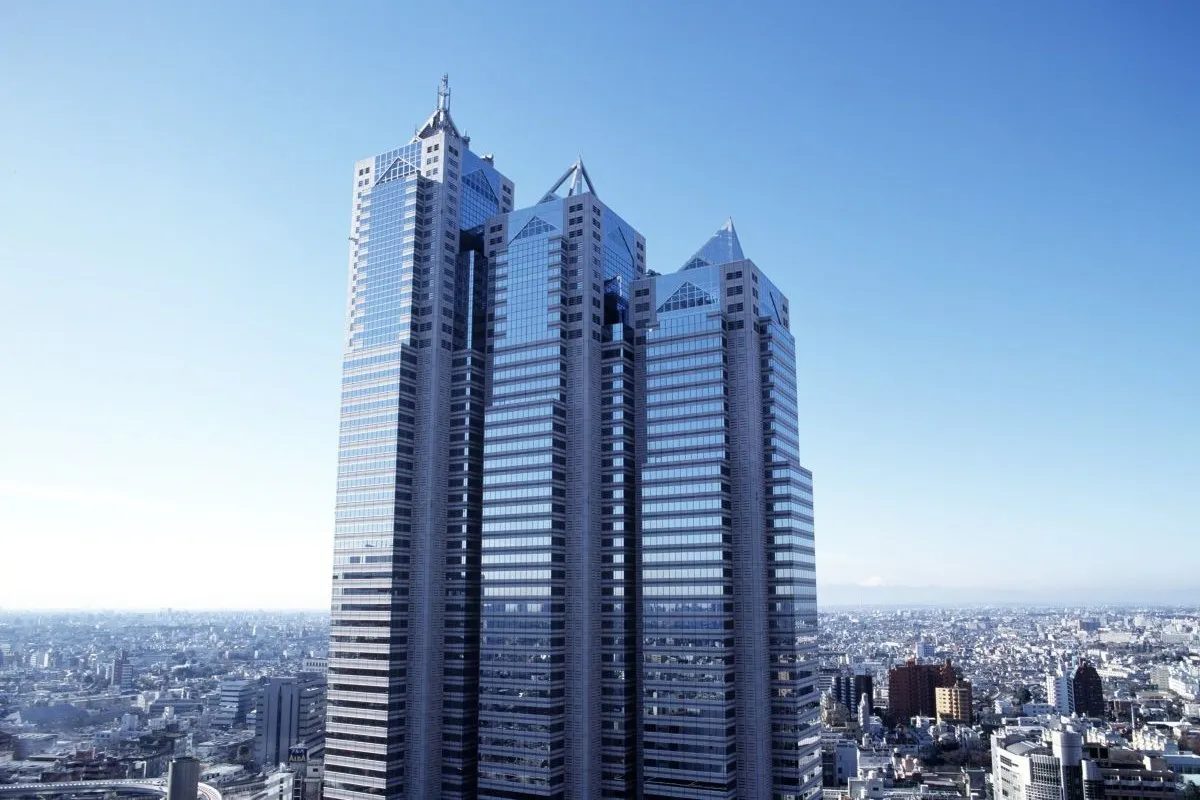
Hyatt’s first-quarter financial results provide a clear window into the spending habits of the affluent. The company’s luxury brands, which include flagship names such as Park Hyatt, Grand Hyatt, and Andaz, outperformed the broader portfolio, posting double-digit RevPAR growth. System-wide, RevPAR increased by 5.5% compared to the same period in the previous year, a figure driven primarily by strong pricing power and sustained occupancy levels in key international markets.
Mark Hoplamazian, Hyatt’s Chairman, President, and CEO, emphasized that the anticipated slowdown in travel spending has not materialized at the top end of the market. On the Thursday earnings call, Hoplamazian noted that if there were any signs of weakness among high-end customers, the company had yet to encounter them. This resilience is particularly noteworthy given the "K-shaped" nature of the post-pandemic recovery. While middle- and lower-income households are increasingly sensitive to inflation and the rising cost of living, the affluent demographic continues to prioritize experiential luxury. Hoplamazian was candid in his assessment, stating that the most significant impact of economic cooling would likely be felt among lower-income households, whereas Hyatt’s core customer base remains financially robust and eager to travel.
A Strategic Chronology: Hyatt’s Pivot to Luxury and Lifestyle
To understand Hyatt’s current position, it is necessary to examine the company’s strategic evolution over the past decade. Historically known for its large-scale convention hotels and business-centric properties, Hyatt began a deliberate transformation around 2017 to become a leader in the luxury and lifestyle sectors.
- 2017-2018: The Asset-Light Transition. Hyatt began selling off owned real estate to transition into an asset-light management and franchising model. This allowed the company to reinvest capital into brand acquisitions.
- 2018: Acquisition of Two Roads Hospitality. This $480 million deal brought brands like Thompson Hotels and Joie de Vivre into the Hyatt fold, significantly expanding its footprint in the "lifestyle" space—hotels that focus on local culture, design, and high-end food and beverage offerings.
- 2021: The Apple Leisure Group (ALG) Milestone. In a transformative $2.7 billion deal, Hyatt acquired ALG, the parent company of AMResorts. This move instantly made Hyatt the world’s largest operator of luxury all-inclusive resorts, a segment that has seen explosive growth as travelers seek high-end, hassle-free vacations.
- 2023: Expansion of the Independent Collection. Hyatt acquired the Mr & Mrs Smith platform, a travel club and booking engine for boutique and luxury hotels, further cementing its relationship with high-net-worth individuals.
- 2024: Current Standing. Today, Hyatt’s portfolio is more concentrated in luxury and lifestyle brands than any of its major competitors, with these segments accounting for a significant portion of its total room count and earnings.
Supporting Data: Regional Strengths and Pipeline Growth
The data supporting Hyatt’s bullish outlook extends beyond North America. The company reported exceptional strength in the Asia-Pacific region, particularly in Japan and Southeast Asia, where RevPAR growth exceeded 10%. The reopening of China has also provided a tailwind, as domestic and outbound Chinese travelers return to luxury properties.
In terms of future growth, Hyatt’s pipeline remains a key indicator of institutional confidence in the luxury sector. As of the end of the first quarter, the company had a record pipeline of approximately 129,000 rooms, representing nearly 40% of its existing portfolio. Crucially, a large percentage of these planned openings are in the luxury and lifestyle categories.
The Inclusive Collection, which houses Hyatt’s luxury all-inclusive brands like Secrets and Dreams, also showed remarkable stability. Despite concerns that the "revenge travel" surge of 2022 and 2023 would fade, booking windows for luxury resorts have remained steady, and average daily rates (ADR) have continued to hold or increase in premium leisure destinations such as Mexico and the Caribbean.
Official Responses and Market Analysis
Industry analysts have noted that Hyatt’s strategy provides a natural hedge against inflation. Because luxury hotels have higher margins and a customer base that is less price-sensitive, they can more easily absorb rising labor and operational costs by adjusting room rates.
During the earnings call, Chief Financial Officer Joan Bottarini highlighted the company’s disciplined capital allocation. She pointed out that Hyatt returned over $200 million to shareholders in the first quarter through dividends and share repurchases, a move supported by strong free cash flow generated by management and franchise fees. Bottarini noted that the "asset-light" model has reached a point where 80% of the company’s earnings are now derived from fees rather than hotel ownership, reducing the company’s exposure to the cyclical risks of real estate.
From a broader market perspective, Hyatt’s performance reflects a global trend where "status" and "experience" have become the primary currencies of the wealthy. While retail sectors might see a dip in sales of luxury goods, the "experience economy"—which encompasses travel, fine dining, and wellness—continues to capture a larger share of the affluent wallet. This is evidenced by the high demand for Hyatt’s "Unbound Collection," which features unique, historically significant properties that offer a departure from standardized hotel experiences.
Broader Impact and Implications for the Hospitality Industry
The implications of Hyatt’s Q1 performance are twofold. First, it validates the "luxury-first" business model in an era of economic polarization. Competitors such as Marriott International and Hilton have also been expanding their luxury tiers (Ritz-Carlton and Waldorf Astoria, respectively), but Hyatt’s smaller, more concentrated footprint allows it to pivot more quickly and maintain a higher level of brand exclusivity.
Second, the data suggests that the travel industry is becoming increasingly segmented. While budget and mid-scale hotel operators are reporting a "normalization" of demand—often a euphemism for a slowdown—the luxury segment is operating in a different economic reality. This could lead to a permanent shift in how hotel companies allocate resources, with a greater focus on loyalty programs like "World of Hyatt" to retain high-value guests.
However, challenges remain. While the high-end customer is resilient, Hyatt must still navigate a complex labor market and the rising cost of debt for its franchise partners. If interest rates remain elevated for an extended period, the pace of new hotel construction could slow, potentially impacting Hyatt’s long-term net rooms growth targets. Furthermore, geopolitical tensions in the Middle East and Eastern Europe continue to pose a risk to international travel corridors, though Hyatt executives noted that they have seen minimal impact on bookings thus far.
Conclusion: A Future Anchored in Affluence
Hyatt Hotels Corporation’s first-quarter results serve as a definitive statement on the current state of global travel. By focusing on the "high-end customer," the company has insulated itself from the broader economic malaise that threatens other sectors. The double-digit RevPAR growth in luxury brands is not merely a post-pandemic fluke but the result of a multi-year strategic realignment toward lifestyle and experiential travel.
As the company looks toward the remainder of 2024, its leadership remains confident. The combination of a robust pipeline, a loyal and wealthy customer base, and a successful transition to an asset-light model has positioned Hyatt as a bellwether for the luxury hospitality industry. While the global economy may be uneven, the appetite for premium travel experiences shows no signs of waning, ensuring that Hyatt’s strategy remains synchronized with the spending habits of the world’s most affluent travelers. For now, the "top end" of the market is not just holding steady—it is leading the way.