
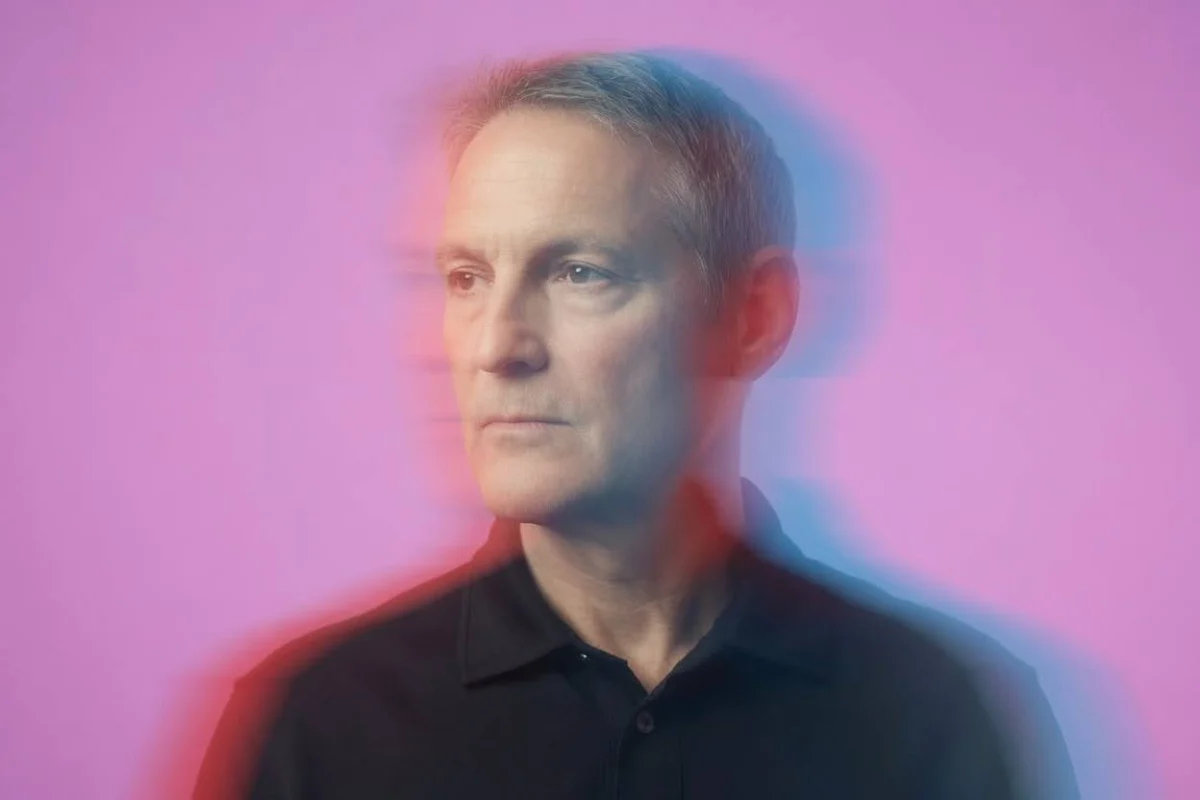
The most consequential new travel company of this decade is currently being assembled by a Hollywood super-agent, marking a paradigm shift in the global tourism industry that has largely escaped the scrutiny of traditional travel analysts. As the sports and entertainment worlds converge, Ari Emanuel, the CEO of Endeavor and TKO Group Holdings, is spearheading a movement that redefines how travel is sold, packaged, and experienced. Central to this strategy is the 2026 FIFA World Cup, a massive 104-match tournament spanning 16 cities across North America, culminating in a final at MetLife Stadium in East Rutherford, New Jersey. This event is set to host the highest-grossing World Cup hospitality program ever assembled, managed by On Location, a company controlled by Emanuel.
The emergence of "Live Tourism" represents a fundamental evolution in the travel sector. While the industry has historically functioned by servicing existing demand—airlines selling seats and hotels selling rooms once a consumer has decided on a destination—Emanuel’s ecosystem focuses on originating that demand. By owning the events, the intellectual property, the talent, and the hospitality operations, Emanuel’s companies are no longer just participants in the travel market; they are the primary drivers of it.
The Conceptual Shift: Servicing vs. Originating Demand
In the traditional travel model, companies like Expedia, Booking.com, or major hotel chains like Marriott operate at the end of the decision-making funnel. They capture the consumer after a motivation to travel has already been established. Live Tourism flips this script. It identifies the "event" as the primary catalyst for the journey. Whether it is a championship football match, a global music tour, or an elite art fair, the event is the "why" behind the travel.
Endeavor and its subsidiaries have recognized that controlling the "why" allows for the monopolization of the "how." When a fan decides to attend the World Cup final, they are not just looking for a flight; they are seeking an integrated experience. By controlling the ticketing and the premium hospitality packages, Emanuel’s On Location can bundle luxury accommodations, exclusive transport, and "money-can’t-buy" experiences into a single transaction. This vertical integration moves the point of sale from the travel agent to the event producer, effectively cutting out traditional intermediaries.
The Architect of the Ecosystem: Ari Emanuel and Endeavor
Ari Emanuel’s journey from a high-powered talent agent to a global travel and sports mogul began with the expansion of WME (William Morris Endeavor). The acquisition of IMG in 2014 was a pivotal moment, giving Endeavor a massive footprint in sports management, fashion, and event production. However, it was the 2020 acquisition of a majority stake in On Location for approximately $660 million that signaled a direct entry into the travel and hospitality space.
On Location was originally founded by the NFL to manage Super Bowl hospitality. Under Emanuel, its scope has expanded exponentially. It now holds exclusive rights to hospitality for the Olympic Games (Paris 2024, Milano Cortina 2026, and LA 2028), the Super Bowl, and most notably, the FIFA World Cup. By combining these assets with the UFC and WWE under the TKO Group Holdings umbrella, Emanuel has created a perpetual motion machine of live events that require travel, lodging, and high-end services.
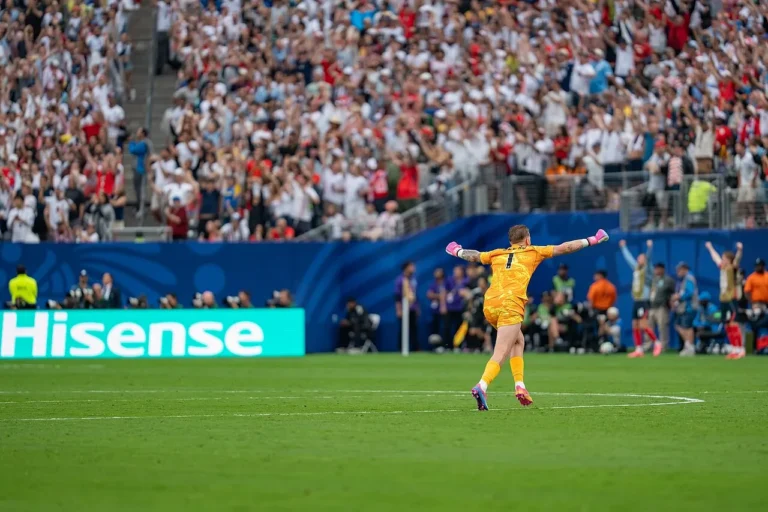
The 2026 FIFA World Cup: A Massive Scale Operation
The 2026 World Cup will be the largest in history, featuring 48 teams instead of the previous 32. The logistics of managing 104 matches across three nations—the United States, Canada, and Mexico—presents an unprecedented travel challenge and opportunity.
The 16 host cities—including major hubs like New York/New Jersey, Los Angeles, Dallas, Mexico City, and Toronto—will see a massive influx of international and domestic visitors. FIFA has projected that the 2026 tournament could generate upwards of $11 billion in total revenue. A significant portion of this will come from the hospitality program managed by On Location. Unlike previous tournaments, where hospitality was often fragmented among various local vendors, the 2026 program is being centralized into a sophisticated, data-driven operation.
The program is expected to offer various tiers of service, from "social" lounges to private skyboxes that can cost hundreds of thousands of dollars. These packages often include multi-city itineraries, reflecting the nomadic nature of the tournament. For the travel industry, this means that the "World Cup traveler" is no longer just booking a hotel in one city; they are purchasing a multi-week, multi-state logistics package curated by a single entity.
Chronology of the Live Tourism Expansion
To understand the current dominance of Endeavor in this space, one must look at the timeline of strategic acquisitions and partnerships:
- 2014: WME acquires IMG, gaining control over major sporting events and global talent.
- 2016: Endeavor acquires the UFC, providing a year-round calendar of "destination" sporting events.
- January 2020: Endeavor acquires a majority stake in On Location Experiences, the official hospitality partner of the NFL.
- June 2021: On Location is named the exclusive hospitality provider for the Olympic and Paralympic Games through 2028.
- September 2022: FIFA announces a partnership with On Location to provide hospitality for the 2026 World Cup, marking a shift toward a more commercialized, "American-style" hospitality model.
- September 2023: TKO Group Holdings is formed via the merger of UFC and WWE, creating a massive live-event conglomerate with a combined fan base in the hundreds of millions.
- 2024-2026: Implementation of the first centralized, global hospitality platform for the Paris Olympics and the North American World Cup.
Supporting Data: The Economic Impact of Event-Based Travel
The data surrounding live tourism suggests it is one of the fastest-growing segments of the travel economy. According to market research, the global sports tourism market was valued at approximately $587 billion in 2022 and is projected to grow at a compound annual growth rate (CAGR) of 17.5% through 2030.
Specific to the 2026 World Cup, economic impact studies for individual host cities suggest staggering numbers:
- New York/New Jersey: Expected to see an economic impact exceeding $600 million, with over 1 million visitors anticipated for the final alone.
- Dallas/Arlington: Projections suggest a $400 million boost to the local economy, supported by the high number of matches scheduled for AT&T Stadium.
- Miami: Anticipated to benefit from its role as a gateway for Latin American fans, with hotel occupancy rates expected to hit record highs.
For On Location and Endeavor, the margins on these hospitality packages are significantly higher than traditional travel agency commissions. While a standard travel agent might earn 10% on a hotel booking, a hospitality provider like On Location captures the markup on the ticket, the food and beverage, the exclusive access, and the lodging, often resulting in much higher per-passenger revenue.
Official Responses and Industry Reactions
While FIFA leadership has praised the partnership with On Location as a way to "elevate the fan experience to unprecedented levels," some traditional players in the travel industry are expressing quiet concern. Tourism boards in host cities are generally supportive, viewing the World Cup as a massive marketing opportunity.
"The 2026 World Cup is more than just a tournament; it’s a six-week takeover of North American tourism," stated a representative from a major U.S. travel association. "The challenge for local hotels and airlines is that they are increasingly becoming sub-contractors to these large event-management firms. The control of the customer relationship is shifting."
In earnings calls, TKO Group leadership has emphasized the "flywheel effect" of their business model. "We aren’t just selling a ticket to a fight or a match," Ari Emanuel has noted in various industry forums. "We are selling an experience that starts the moment you leave your house and ends when you return. We want to own that entire journey."
Broader Implications and the Future of the Travel Industry
The success of the Endeavor/On Location model suggests several long-term implications for the travel industry:
- Vertical Integration of Experience: We are likely to see more "event-first" companies acquiring travel infrastructure. This could lead to a future where major music labels or sports leagues own their own hotel brands or charter airlines to service their fan bases.
- The Decline of the Generalist OTA: Online travel agencies may find it harder to compete for high-value customers who are traveling for specific events. If the best rooms and the only tickets are bundled by a company like On Location, the generalist platforms lose their primary value proposition: choice and price comparison.
- Data Monopolization: By controlling the event and the travel, Emanuel’s companies collect a wealth of data on consumer behavior. They know not just where a person stays, but what they watch, who their favorite athletes are, and how much they are willing to spend on premium experiences. This data is invaluable for targeted marketing and future event planning.
- Luxury and Exclusivity as Standard: The "On Location" model prioritizes high-net-worth individuals and corporate clients. This could lead to a "bifurcation" of event travel, where the average fan is priced out of host cities while the premium segment is catered to with increasing intensity.
As the 2026 FIFA World Cup approaches, the travel industry will be forced to acknowledge that the rules of engagement have changed. The most influential player in the room is no longer an airline CEO or a hotel magnate, but a Hollywood agent who realized that in the modern economy, the person who owns the stage also owns the audience—and their hotel reservation. The World Cup final in New Jersey will be the ultimate proof of concept for this new era of Live Tourism, marking the moment when the "event" officially became the most powerful force in global travel.