



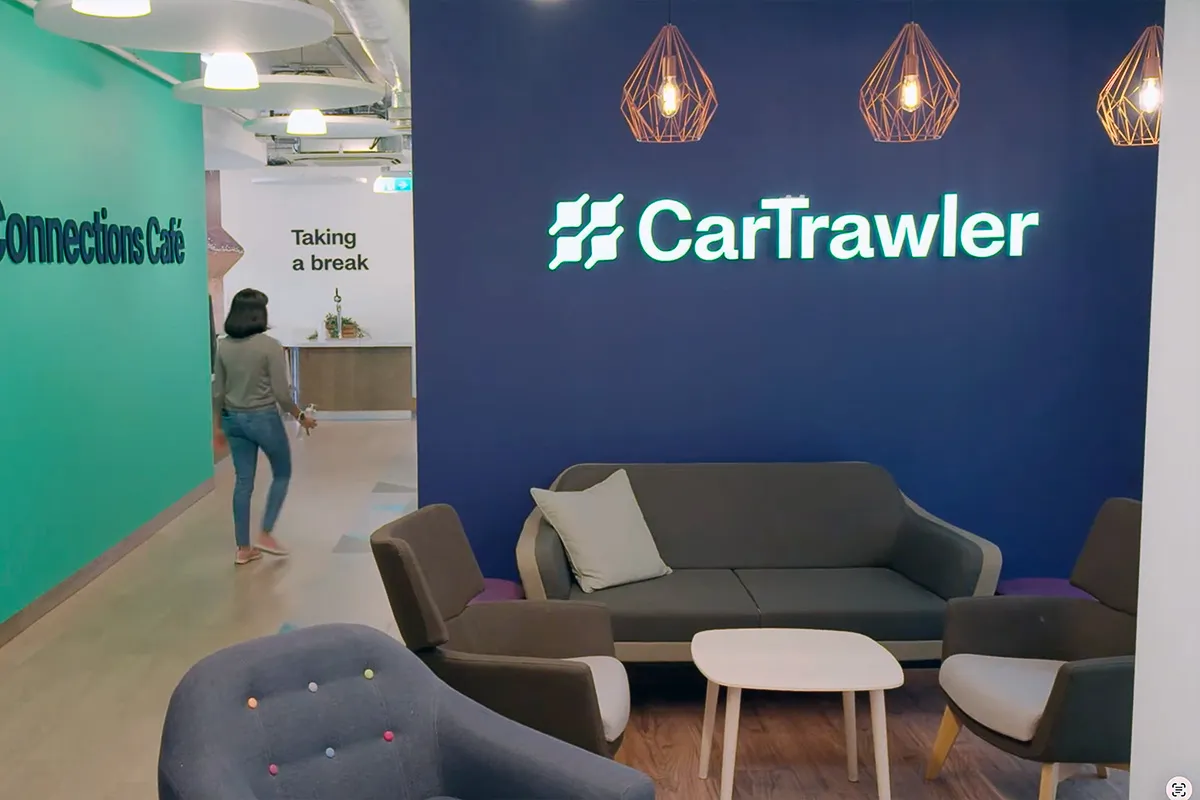
Airbnb has officially integrated car rental services into its platform through a strategic partnership with CarTrawler, a Dublin-based business-to-business travel technology provider, marking a significant evolution in the company’s business model. This development, initially identified through updated terms and conditions regarding a credit program and subsequently confirmed by Airbnb, signifies the platform’s most direct move toward becoming a full-service online travel agency (OTA). The car rental service is currently operational in five key global markets: the United States, France, Italy, Spain, and Australia. By incorporating ground transportation into its existing ecosystem of short-term rentals and "Experiences," Airbnb is positioning itself to capture a larger share of the total travel spend, competing directly with established giants such as Booking Holdings and Expedia Group.
The partnership utilizes CarTrawler’s extensive B2B technology stack to connect Airbnb users with a vast network of car rental providers. For Airbnb, this represents a low-overhead entry into a complex logistics sector, allowing the company to offer essential travel utilities without the need to manage physical fleets or negotiate individual contracts with regional rental agencies. The selection of the initial five markets—the U.S., France, Italy, Spain, and Australia—is highly strategic, as these regions represent some of the world’s most car-dependent tourism destinations where "fly-drive" itineraries are a standard component of the traveler’s journey.
The Evolution of Airbnb: From Home-Sharing to a Comprehensive Travel Platform
The integration of car rentals is not an isolated event but rather the latest step in a long-term strategy frequently articulated by Airbnb CEO Brian Chesky. Since its inception in 2008, Airbnb has moved through several distinct phases. Initially, it was a peer-to-peer marketplace for air mattresses and spare rooms. It then evolved into a global leader in short-term lodging, eventually expanding into "Experiences" in 2016 to offer guided tours and activities.
In recent years, the company has signaled a desire to move "beyond the core" of lodging. During various earnings calls throughout 2023 and early 2024, Chesky hinted at a multi-year roadmap that would see Airbnb becoming a more central part of the traveler’s entire itinerary. The partnership with CarTrawler provides the infrastructure for this transition. By adding car rentals, Airbnb addresses a common pain point for its users: the friction of leaving the app to book necessary transportation after securing a home. This "one-stop-shop" approach is designed to increase user retention and platform stickiness.
Chronology of Expansion and the Shift Toward the OTA Model
To understand the significance of the CarTrawler partnership, it is necessary to examine the timeline of Airbnb’s service expansions and its fluctuating relationship with the broader travel industry:
- 2008–2015: Airbnb focuses almost exclusively on the growth of its lodging inventory, disrupting the traditional hotel industry.
- 2016: Launch of "Airbnb Experiences," marking the company’s first major diversification into non-lodging revenue streams.
- 2019: Airbnb acquires HotelTonight, a move that integrated traditional hotel inventory into its platform and signaled a shift away from purely peer-to-peer listings.
- 2019–2020: The company explores a "Flights" product, hiring industry veterans to build a transportation division. However, the onset of the COVID-19 pandemic forced a "back to basics" approach, leading to the suspension of the flight project.
- 2023: Brian Chesky announces that Airbnb is ready to expand into new categories again, emphasizing that the company’s "core" is now stable and profitable.
- May 2024: Reports surface that Expedia Group is in the final stages of acquiring CarTrawler for approximately $350 million.
- Mid-2024: Airbnb quietly integrates CarTrawler’s engine into its platform, initially tied to a credit and loyalty incentive program.
The Competitive Landscape and the Expedia Paradox
The most striking aspect of the Airbnb-CarTrawler partnership is the underlying corporate landscape. CarTrawler is currently positioned to become a brand under the Expedia Group umbrella. Skift reported in May that Expedia was on track to acquire the Irish firm for $350 million. This creates a unique competitive dynamic: Airbnb, which is increasingly competing with Expedia for lodging and now car rentals, will be utilizing technology owned by its primary rival to power its new service.
In the travel industry, this type of "coopetition" is common but rarely so transparent. Expedia Group operates a massive B2B arm known as Expedia Partner Solutions (EPS), which provides travel inventory to third-party sites, including banks, airlines, and other OTAs. If the acquisition is finalized, Expedia will essentially earn a fee every time an Airbnb customer books a car. For Airbnb, the trade-off is worth the cost; building a proprietary global car rental distribution system from scratch would be prohibitively expensive and time-consuming. By using CarTrawler, Airbnb gains immediate access to over 2,000 rental suppliers across 50,000 locations globally.
Supporting Data: The Global Car Rental Market
The strategic value of car rentals is underscored by the sheer size of the market. According to industry data, the global car rental market was valued at approximately $120 billion in 2023 and is projected to grow at a compound annual growth rate (CAGR) of over 7% through 2030.
For OTAs, car rentals are a high-margin product compared to flights, though they typically offer lower commissions than hotels or vacation rentals. In the context of Airbnb’s business, the addition of car rentals serves two primary financial purposes:
- Increased Average Order Value (AOV): By capturing the car rental spend alongside the lodging spend, Airbnb increases the total revenue per booking.
- Data Acquisition: Ground transportation data provides Airbnb with deeper insights into traveler behavior, such as where guests go after they check out and how far they are willing to travel from their primary accommodation.
In the five markets where the service is live, car rentals are a critical component of the tourism infrastructure. In the United States, for instance, nearly 80% of domestic leisure travelers rely on cars for transportation. In Australia and Spain, regional tourism is heavily dependent on car hire for accessing coastal and rural Airbnb listings that are often underserved by public transit.
Official Responses and Strategic Positioning
While Airbnb has been relatively quiet regarding the marketing of this new feature, the company confirmed the partnership following the identification of the service in its promotional terms. A spokesperson for Airbnb noted that the company is "always looking for ways to make travel more seamless for our guests." This understated approach is typical of Airbnb’s "test-and-learn" methodology, where new features are rolled out to select markets to gather user data before a full-scale global launch.
Industry analysts view this move as a defensive play against Booking.com’s "Connected Trip" vision. Booking Holdings has invested heavily in integrating flights, cars, and attractions into a single mobile interface. By adding car rentals, Airbnb is ensuring that it does not lose customers to competitors who offer a more comprehensive booking experience.
CarTrawler, for its part, has long positioned itself as the "intelligent" choice for B2B travel, using data science to optimize conversion rates for its partners. For a platform like Airbnb, which prides itself on a high-end user interface and personalized recommendations, CarTrawler’s ability to provide a localized, mobile-optimized booking flow is a critical asset.
Broader Impact and Implications for the Travel Industry
The "OTA-fication" of Airbnb has profound implications for the travel industry. For over a decade, Airbnb was the "alternative" choice—a platform for those who wanted to avoid the traditional structures of the travel industry. By adopting the tools of a traditional OTA, Airbnb is moving into a more mature phase of its corporate life.
Impact on Traditional Rental Agencies:
Traditional car rental companies like Hertz, Avis, and Enterprise may see this as a positive development, as it opens up a massive new distribution channel. Airbnb’s demographic—which skews younger and more tech-savvy—represents a lucrative segment that traditional agencies often struggle to reach through legacy marketing channels.
Impact on the Vacation Rental Ecosystem:
For hosts, the integration of car rentals could lead to a more seamless guest experience. Hosts in remote areas often face questions from guests about how to get around; having a car rental option directly within the booking confirmation flow reduces the administrative burden on the host and decreases the likelihood of guest dissatisfaction due to transportation issues.
Future Considerations:
The success of the CarTrawler partnership will likely determine whether Airbnb proceeds with other integrations. If car rentals prove successful in the initial five markets, a global rollout is expected. Furthermore, this could pave the way for the re-emergence of an Airbnb flights product. If Airbnb can successfully integrate cars via a third party, it may look to do the same with air travel, potentially partnering with a flight aggregator to complete the "Connected Trip" puzzle.
However, the transition is not without risks. Airbnb’s brand identity is built on "belonging" and unique, human-centric experiences. As it adds more commodified travel services like car rentals—which are often plagued by customer service issues such as long lines at counters and hidden fees—Airbnb risks diluting its premium brand image. The company will need to ensure that the CarTrawler integration meets the high UI/UX standards that Airbnb users have come to expect.
In conclusion, Airbnb’s partnership with CarTrawler is a calculated move to capture a larger slice of the travel market while navigating a complex web of industry rivalries. By launching in the U.S., France, Italy, Spain, and Australia, Airbnb is targeting high-value markets where the synergy between lodging and transportation is strongest. As the company continues to evolve, the line between "home-sharing platform" and "online travel agency" will continue to blur, ushering in a new era of competition in the global travel sector.