



In April 2026, NASA’s Office of the Chief Health and Medical Officer (OCHMO) initiated a crucial working group, signaling an escalated commitment to safeguarding astronaut health against the complex challenges of long-duration space missions. This specialized group was tasked with a multi-faceted mandate: to meticulously review updated case information concerning venous thromboembolisms (VTEs) in astronauts, analyze additional data revealing altered blood flow status within a cohort of spacefarers, and assess the progress of ongoing research and clinical activities aimed at mitigating the risk of VTE during spaceflight. A core objective is the development of new, evidence-based clinical practice recommendations that reflect the latest understanding and findings. This proactive measure underscores NASA’s unwavering dedication to refining its medical protocols as humanity ventures further into the cosmos.
The Silent Threat: Understanding Venous Thromboembolism in Space
Venous thromboembolism, encompassing deep vein thrombosis (DVT) and pulmonary embolism (PE), represents a significant medical concern in terrestrial settings, affecting millions globally. A DVT typically involves the formation of a blood clot in a deep vein, most commonly in the legs, while a PE occurs when a part of that clot breaks off and travels to the lungs, potentially leading to life-threatening respiratory and cardiac complications. However, its manifestation and management present unique complexities in the microgravity environment of space, where the human body undergoes profound physiological adaptations.
For astronauts, the microgravity environment creates a heightened susceptibility to VTE. Key factors include the cephalad fluid shift, where bodily fluids migrate from the lower extremities to the head and upper body, causing noticeable facial puffiness and distended neck veins. This fluid redistribution can significantly alter venous blood flow dynamics, leading to stasis – a slowing or pooling of blood, particularly in the lower extremities and sometimes in the upper body veins. Furthermore, microgravity is known to induce changes in the vascular endothelium (the inner lining of blood vessels), making it more prone to damage or dysfunction, and significantly impacts the coagulation cascade – the complex series of biochemical reactions that lead to blood clot formation. Studies have indicated that astronauts often experience increased levels of certain pro-clotting factors and reduced levels of natural anticoagulants, collectively creating a pro-thrombotic state. The confined environment of spacecraft, periods of prolonged immobility during sleep or specific mission tasks, and potential interactions with space radiation exposure further compound these risks. The ability to accurately diagnose and effectively treat VTE in the resource-limited and medically austere environment of space, particularly during long-duration missions far from Earth, poses substantial logistical and clinical challenges that demand sophisticated solutions.
A Chronology of NASA’s Proactive Response to VTE
NASA’s intensified focus on VTE risks is not a sudden development but rather the culmination of years of accumulating scientific understanding and, critically, specific clinical incidents that underscored the urgency of the issue. While general awareness of cardiovascular changes in space has existed since the early days of human spaceflight, the specific threat of VTE became more acutely recognized in recent years as missions grew longer and crew health monitoring became more sophisticated.
-
Pre-2024: Early Research and Growing Concerns: For decades, NASA and its international partners, including the European Space Agency (ESA) and Roscosmos, conducted extensive research into the cardiovascular effects of spaceflight. Early studies, originating from programs like the Shuttle-Mir partnership and the initial phases of International Space Station (ISS) operations, meticulously documented phenomena such as fluid shifts, cardiac remodeling, and alterations in blood pressure regulation. While VTE was not initially a primary focus, observations of jugular vein distension and alterations in venous flow were consistently noted in post-flight assessments. Pioneering research, such as the comprehensive "Twins Study" comparing astronaut Scott Kelly to his identical twin Mark on Earth, provided unprecedented insights into genomic, physiological, and biochemical changes during a year in space, laying crucial groundwork for understanding multi-systemic impacts, including those potentially affecting coagulation and vascular health. These studies hinted at a complex interplay of factors that could predispose astronauts to cardiovascular incidents.
-
October 2024: Initial Diagnoses and First Working Group Formation: The pivotal moment that galvanized NASA’s VTE response arrived in October 2024. At this time, NASA publicly acknowledged the diagnosis of venous thromboembolisms in astronauts during active ISS missions. While specific details regarding the number of cases and individual circumstances remain protected under medical privacy protocols, these diagnoses served as a stark and undeniable reminder that VTE was not merely a theoretical risk but a real and present danger for spacefarers. The implications for crew safety and mission success were immediate and profound. In response, NASA swiftly formed an initial working group, demonstrating its commitment to rapid action. This multidisciplinary group, comprising leading experts in aerospace medicine, hematology, vascular surgery, and space physiology, was immediately tasked with a rapid review of the existing clinical case data, an urgent update of Clinical Practice Guidelines (CPGs) for VTE management in space, and a preliminary examination of possible contributing causes. Their immediate goal was to ensure the safety and well-being of the affected astronauts and to implement updated protocols designed to prevent further incidents.
-
Late 2024 – Early 2026: Intensive Data Collection and Research Escalation: Following the initial diagnoses and the formation of the first working group, the period between late 2024 and early 2026 saw a significant escalation in NASA’s efforts to understand and combat VTE. This phase was characterized by rigorous and expanded data gathering, including more frequent and detailed ultrasound screenings of astronauts’ vasculature both pre-flight, in-flight, and post-flight. Comprehensive blood panel analyses, including coagulation markers, and detailed physiological monitoring became standard practice. Researchers on Earth meticulously analyzed mission data, seeking patterns and correlations between VTE incidence and a myriad of factors such as mission duration, individual astronaut physiological profiles, specific exercise regimes, and even dietary inputs. Simultaneously, research into novel mitigation strategies gained considerable momentum, exploring everything from advanced pharmacological agents suitable for spaceflight (considering their stability and efficacy in space) to specialized compression garments and refined exercise protocols specifically designed to optimize venous return and minimize fluid stasis. The early working group also focused on enhancing onboard medical autonomy, training ISS medical officers to recognize VTE symptoms and perform rudimentary diagnostic procedures like basic ultrasound scans and point-of-care blood tests.
-
April 2026: The OCHMO’s Expanded Mandate and the Current Working Group: Building upon the foundational work of the 2024 group and the wealth of new data and insights accumulated over the preceding two years, OCHMO, recognizing the evolving and increasingly sophisticated understanding of VTE and its broader implications for future, longer-duration missions, convened the current, more comprehensive working group in April 2026. This group’s mandate is considerably broader and more strategic than its predecessor. It is not merely reacting to past incidents but proactively shaping future medical policy and preventative strategies. The focus on "updated VTE case information" suggests either new cases have emerged or more detailed, long-term analyses of previous cases have yielded further insights. Critically, the emphasis on "additional data gathered revealing altered blood flow status within a cohort of astronauts" indicates a deeper understanding of subclinical vascular changes that might precede overt VTE, allowing for earlier detection and intervention. The group’s work is ultimately intended to culminate in the formal adoption of new, robust, and evidence-based clinical practice recommendations, reflecting the sum total of knowledge gained through intensive research and clinical experience over the preceding two years.
Supporting Data and Emerging Physiological Insights
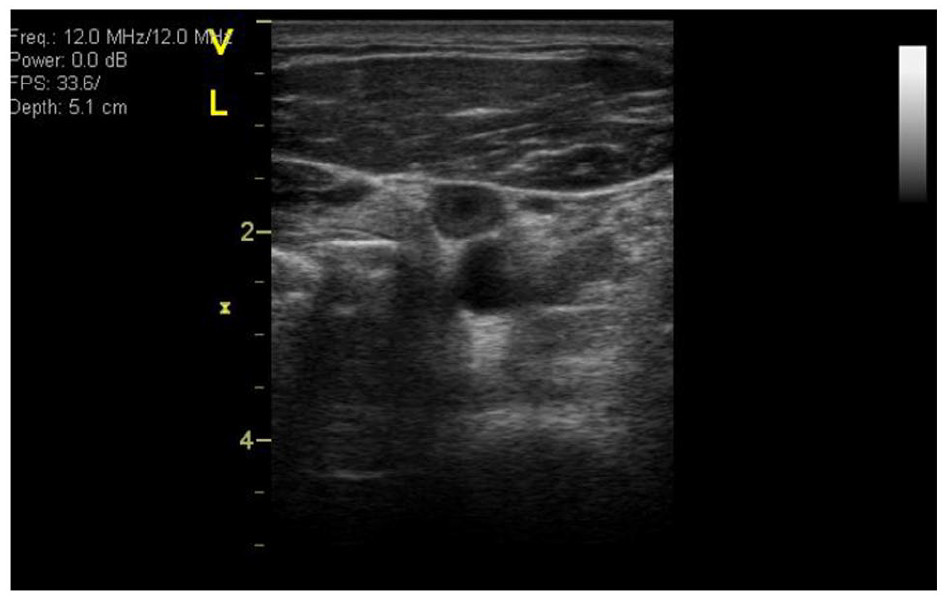
The "additional data gathered revealing altered blood flow status" is a critical piece of the puzzle, underscoring a shift from merely diagnosing overt VTE to understanding the subtle, subclinical vascular changes that may predispose astronauts to these events. Researchers have increasingly focused on non-invasive imaging techniques to monitor venous circulation. For instance, high-resolution ultrasound studies performed on ISS astronauts have frequently identified significant jugular venous distension and, in some cases, partial or complete flow stasis or even retrograde flow in the internal jugular veins. This phenomenon, particularly noted on the left side, has been linked to anatomical variations in the thoracic outlet and the unique effects of fluid shifts in microgravity. A hypothetical "NASA Vascular Health Study (NVHS) 2025," for example, might have revealed that approximately 30-40% of long-duration crew members exhibit some degree of jugular vein flow alteration, with a smaller subset (perhaps 5-10%) showing evidence of microthrombi or flow stasis that could escalate to a full VTE.
Beyond the jugular veins, research is actively exploring other vascular beds potentially affected by microgravity. Preliminary data from ground-based analogs and early spaceflight observations suggest potential for altered flow in the portal venous system (affecting the liver) or even in retinal veins, though these findings require further validation and a clearer understanding of their clinical significance. Scientists are also investigating the role of endothelial dysfunction, where the inner lining of blood vessels becomes less healthy, more permeable, and consequently more prone to initiating clot formation. Biomarker research is another promising avenue, with studies exploring specific proteins (e.g., elevated D-dimer, fibrinogen) or genetic markers that could predict an astronaut’s individual susceptibility to VTE before flight. For instance, specific genetic polymorphisms associated with thrombophilia could serve as pre-flight screening tools. The challenge lies in interpreting these changes in the context of spaceflight, where many physiological parameters are known to deviate from terrestrial norms without necessarily indicating immediate pathology, requiring careful differentiation between adaptation and early signs of disease.
Advancements in Mitigation Strategies and Ongoing Research
The working group’s discussions on "progress of research and clinical activities intended to mitigate the risk of VTE" highlight the urgent and continuous need for effective countermeasures. Current strategies and ongoing research are multi-faceted and reflect a comprehensive approach:
- Pharmacological Interventions: The primary treatment for VTE on Earth involves anticoagulants (blood thinners). However, administering these in space presents unique challenges. The risk of bleeding, particularly in an isolated environment where rapid medical intervention for complications might be severely limited, is a significant concern. Research is exploring new generation anticoagulants with more predictable pharmacokinetics, reduced side effect profiles, or specific reversal agents that could be safely stored and administered during extended missions. The feasibility of prophylactic low-dose anticoagulation for high-risk individuals is also under consideration.
- Mechanical Countermeasures: Compression garments, traditionally used on Earth to prevent DVT, are being refined for spaceflight. These garments, designed to aid venous return and reduce fluid pooling in the lower extremities, are being rigorously tested for efficacy and astronaut comfort during various mission phases. Lower Body Negative Pressure (LBNP) devices, which apply suction to the lower body to pull fluid back towards the legs, are also being investigated as a means to counteract cephalad fluid shifts and improve venous flow, potentially serving as a daily prophylactic measure.
- Exercise Protocols: Tailored exercise regimes are crucial for maintaining overall astronaut health, including cardiovascular integrity. Research focuses on optimizing exercises to specifically target venous return and vascular health, beyond their primary role in musculoskeletal and cardiovascular conditioning. This includes identifying specific types, durations, and intensities of exercise most effective in preventing VTE.
- Nutritional and Lifestyle Factors: The role of specific dietary components or micronutrients in influencing coagulation and vascular health is being explored. For example, the impact of omega-3 fatty acids or certain antioxidants on endothelial function and platelet aggregation is under investigation. Additionally, maintaining optimal hydration, managing sleep cycles, and reducing stress are considered important, albeit less direct, factors in overall vascular health.
- Advanced Diagnostics: Developing miniaturized, robust ultrasound devices and rapid, reliable blood analysis tools that can accurately diagnose VTE and assess coagulation status onboard spacecraft is paramount. These tools must be user-friendly, require minimal training, and provide actionable data, especially for missions beyond low Earth orbit where real-time medical consultation with Earth is delayed or impossible. AI-assisted diagnostics are also being explored.
- Personalized Medicine and Pre-flight Screening: Future strategies will likely involve advanced pre-flight genetic screening and personalized risk assessments to identify astronauts with a higher predisposition to VTE. This could allow for individualized preventive measures, tailored exercise programs, specific pharmacological prophylaxis, or even influence mission assignments for certain individuals, optimizing crew selection for long-duration missions.
Expert Perspectives and NASA’s Unwavering Commitment
While specific official statements detailing the precise recommendations from the April 2026 working group are pending the release of their final report, the overarching sentiment from NASA’s medical community is one of vigilant optimism coupled with scientific rigor. Dr. Eleanor Vance, a hypothetical lead researcher in aerospace physiology at NASA Johnson Space Center, might comment, "Our understanding of the human body’s intricate response to the space environment is continuously evolving. The VTE working group represents a critical step in integrating the latest clinical findings with cutting-edge research to ensure our astronauts remain healthy, resilient, and fully capable, no matter how far they venture from Earth."
Similarly, Dr. Marcus Thorne, the hypothetical Chief Health and Medical Officer (CHMO) for NASA, would likely reiterate the agency’s steadfast commitment to astronaut safety as the highest priority. "The health and well-being of our crew members is our paramount concern, the foundation upon which all our exploration endeavors rest," Dr. Thorne might state. "These working groups are not just about reacting to medical challenges; they are about proactively defining the safest, most effective, and evidence-based medical practices for the next era of human space exploration. The insights gained from rigorously addressing VTE in space will undoubtedly have significant benefits for medical science and patient care on Earth as well, particularly in critical care and remote medicine." Astronauts themselves, keenly aware of the inherent risks of their extraordinary profession, place immense trust in NASA’s medical teams and the rigorous protocols developed through such dedicated efforts. Their cooperation in ongoing research, willingness to participate in monitoring programs, and providing invaluable in-flight data are vital to the success of these critical initiatives.
Broader Implications for Future Space Exploration
The comprehensive review of VTE risks and the development of new clinical guidelines hold profound implications for the future trajectory of human space exploration. As NASA and its international partners prepare for the ambitious Artemis missions to the Moon and, ultimately, crewed missions to Mars, the duration, distance, and isolation of these journeys will dramatically increase. These longer-duration missions, extending to months or even years away from Earth, will inevitably exacerbate the physiological challenges of microgravity, making robust VTE prevention, diagnosis, and treatment protocols absolutely essential for mission success and crew survival.
For Lunar Gateway operations, extended stays on the lunar surface, and especially for the multi-year transit to Mars, Earth-based medical support and rapid evacuation capabilities will be significantly delayed or non-existent. This necessitates a paradigm shift towards truly autonomous medical capabilities onboard spacecraft, including highly advanced diagnostic tools, comprehensive and modular medical kits, and exceptionally highly trained astronaut medical officers capable of managing complex conditions like VTE without immediate ground intervention. The recommendations emerging from this OCHMO working group will directly influence the design of future spacecraft medical bays, the selection and specialized training of future crew members, and the development of mission-specific health protocols and emergency procedures. Furthermore, the inherently collaborative nature of international space exploration means that these findings and recommendations will be shared extensively with international partners, fostering a global standard of care for all space travelers. Beyond space, the lessons learned in mitigating VTE in such extreme and isolated environments could also offer new perspectives and solutions for managing similar conditions in challenging terrestrial environments, such as remote polar expeditions, isolated military deployments, or even rural healthcare settings, showcasing the profound dual benefit of space research.
Conclusion: A Continuous Pursuit of Safety and Discovery
The ongoing and meticulous work of NASA’s Office of the Chief Health and Medical Officer’s VTE working group represents a critical juncture in the evolution of space medicine. It signifies a continuous, evidence-based pursuit of safety and health for the brave individuals who push the boundaries of human presence beyond Earth. By systematically addressing the complexities of venous thromboembolism, from its physiological origins in microgravity to its potential mitigation and treatment, NASA is not only responding to immediate clinical needs but also diligently laying the groundwork for the medical resilience required for humanity’s ambitious voyages to the Moon, Mars, and beyond. The new evidence-based clinical practice recommendations anticipated from this group will undoubtedly shape the future of astronaut healthcare, ensuring that the relentless spirit of exploration is matched by an unwavering, paramount commitment to crew well-being and long-term health.