


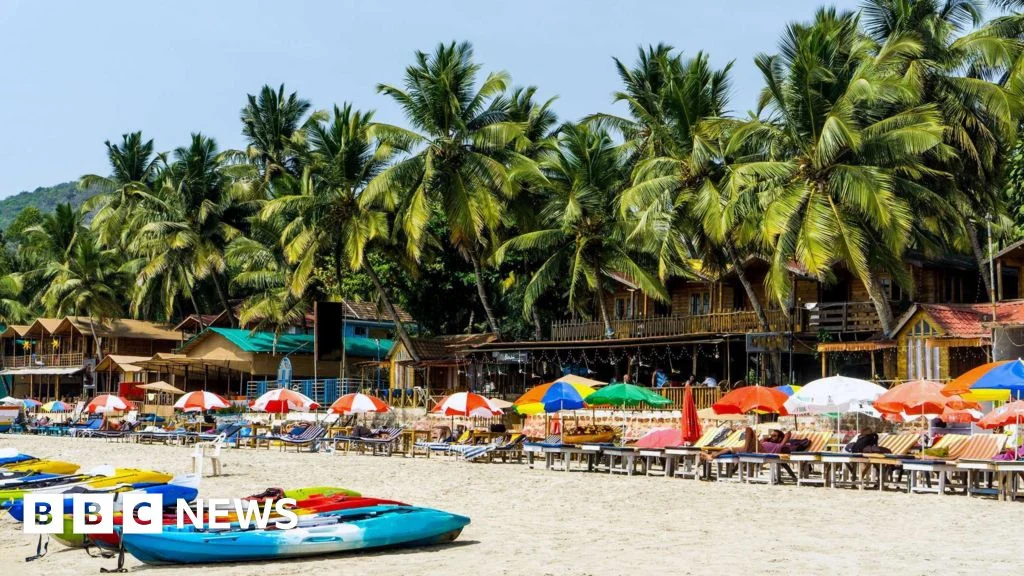
Goa, the sun-kissed jewel on India’s western coast, long synonymous with pristine beaches, vibrant nightlife, and a unique blend of Portuguese heritage and Indian culture, is grappling with a significant challenge: a dramatic decline in its foreign tourist arrivals. While its crescent-shaped beaches like Palolem continue to draw throngs, the familiar sight of European and Russian visitors has been increasingly replaced by a surge in domestic tourists. This demographic shift, starkly reflected in official tourism data, signals a critical juncture for a state whose identity and economy have been deeply intertwined with international tourism for decades. From nearly 900,000 foreign visitors in 2017, the numbers have plummeted to approximately half a million by 2025, a contraction of nearly 45%. Concurrently, domestic tourism has flourished, surging from 6.8 million in 2016 to over 10 million last year, presenting a complex scenario for Goa’s future as a global travel destination.
Goa’s Enduring Allure: A Historical Perspective
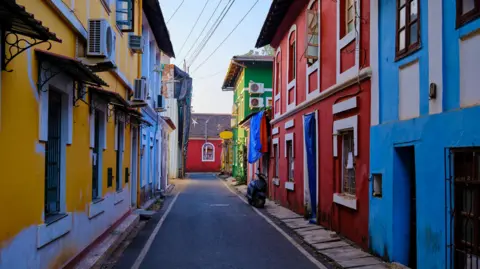
Goa’s journey to becoming a global tourism hotspot began long before the advent of mass international travel. Its colonial past under Portuguese rule for over 450 years imbued it with a distinct European charm, visible in its whitewashed churches, Baroque architecture, and vibrant Latin Quarter, Fontainhas. Following its liberation in 1961, Goa quickly captured the imagination of the global counter-culture movement. The 1960s and 70s saw it emerge as a quintessential stop on the "hippie trail," attracting backpackers and free spirits from across the globe, drawn to its relaxed atmosphere, affordable living, and burgeoning trance music scene. Places like Anjuna and Vagator became legendary for their full moon parties and flea markets, cementing Goa’s reputation as a laid-back, budget-friendly haven.
By the late 20th and early 21st centuries, Goa transitioned from a purely bohemian destination to a more mainstream package holiday hotspot, particularly for tourists from the United Kingdom, Germany, and Russia. Charter flights brought thousands seeking winter sun, cheap beer, and an exotic yet accessible experience. The state’s "Susegad" philosophy – a relaxed, easygoing approach to life – coupled with its beautiful coastline and delectable seafood, offered a compelling alternative to more expensive European destinations. This period marked the zenith of Goa’s international appeal, with tourism becoming the backbone of its economy, supporting countless local businesses, from beach shacks and guesthouses to taxi drivers and souvenir vendors.
The Shifting Tides: Data and Demographic Shifts
The transformation of Goa’s tourist landscape is not merely anecdotal; it is clearly quantifiable. The decline in foreign arrivals predates the recent global geopolitical upheavals, indicating deeper structural issues. In 2017, foreign tourist arrivals peaked at nearly 900,000. By 2025, this figure is projected to be around 500,000, representing a precipitous drop. This nearly halved influx of international visitors contrasts sharply with the robust growth in domestic tourism. From 6.8 million Indian tourists in 2016, the numbers swelled to over 10 million last year, marking a significant increase of approximately 47%.
This demographic pivot has profound implications. Foreign tourists, particularly those from Europe and Russia, historically tended to stay longer, often for weeks or even months, injecting substantial foreign currency into the local economy. They typically engaged more with local culture, patronized smaller businesses, hired motorbikes, took excursions, and dined at traditional shacks and restaurants, distributing wealth across a broader spectrum of the tourism ecosystem. Domestic tourists, while numerous, often opt for shorter stays, frequently choosing all-inclusive packages at larger resorts, which can concentrate spending and sometimes limit direct engagement with the wider local economy. This shift, therefore, is not just about numbers, but about the quality and distribution of tourism revenue, posing a challenge to the state’s traditional tourism model.
Unpacking the Decline: A Multifaceted Analysis of Challenges
The reasons behind foreign visitors turning away from Goa are complex and multifaceted, ranging from global economic pressures to specific issues within the state itself.
Global Economic Headwinds and Geopolitical Tensions
The global economic climate has played a significant role in altering international travel patterns. The lingering effects of the COVID-19 pandemic, which curtailed travel worldwide, have been compounded by subsequent economic instabilities. The conflict in Ukraine, in particular, has severely impacted European economies, leading to inflation, rising energy costs, and reduced disposable income for many potential travelers. Sophie, a ballet dancer from Russia on her fifth trip to Goa, noted, "People are just hard up. There was Covid and then the war [with Ukraine] and now flights are so expensive because of what’s happening in the Middle East – so money is definitely a factor." She added that some of her friends are now opting for destinations like Turkey or Egypt due to their proximity and lower costs. Similarly, Rico, a British tourist who has visited Goa for 20 years, observed, "Certainly in my country, folks at the moment have a lot less money to go overseas. For the last three-four years, they’ve tended to take more holidays at home." Recent geopolitical tensions in the Middle East have further exacerbated flight costs and perceived travel risks, making long-haul destinations like Goa less attractive from a budget perspective.
Visa Policy and Accessibility Hurdles
A recurring complaint among foreign tourists and tour operators alike pertains to India’s visa policies. Several foreign visitors interviewed highlighted "longer and more cumbersome visa procedures" and a "hike in the five-year visa fees" as significant deterrents. In an era where many competing destinations offer simplified e-visas or even visa-on-arrival options, India’s process can be perceived as archaic and inconvenient. Ernest Dias, a committee member at Goa’s Department of Tourism and a veteran travel charter company owner, emphasized this point. "Today’s traveler wants to make quick decisions and take last-minute trips. So this [the visa delay] is definitely a big contributing factor to the drop in numbers," Dias told the BBC. He cited an instance where a large Russian charter group diverted its planned Goa trip to Vietnam, where demand has "hit the roof" due to easier entry requirements.
Rising Costs and Stiff Competition from Alternatives
Beyond visa challenges, affordability has emerged as a critical factor. Destinations like Vietnam, Sri Lanka, and Thailand have aggressively positioned themselves as more budget-friendly alternatives with comparable or even superior infrastructure and ease of access. Dias explained that these countries offer "cheaper hotels and easier on-arrival visas," along with package deals that can be "half the rate, if not cheaper" than what Goa currently offers. The boom in domestic visitors and the MICE (Meetings, Incentives, Conferences, and Exhibitions) economy in Goa has inadvertently driven up prices for hotels with good star ratings. This has created a situation where the "supply of affordable beach-front resorts is also more limited in Goa" compared to its Southeast Asian rivals, pricing out many foreign visitors who seek value for money.
Infrastructure and Visitor Experience Deficiencies
Several internal issues within Goa itself contribute to its diminishing international appeal:
- Connectivity: The axing of a direct London Gatwick-Goa Air India service has had a palpable impact on accessibility for a key European market. British tourist Nicola, a hairdresser visiting Goa with friends, recounted having to endure an unplanned layover in Mumbai due to the cancelled service, deeming it inconvenient. Her brother, she noted, chose Sri Lanka instead, finding it "more affordable and also far cleaner than Goa."
- Cleanliness: While the Goan government has reportedly ramped up efforts to keep beaches litter-free, the problem persists on the approach roads. Dias admitted that "many roads leading towards them have been defaced by garbage – not a good view, especially for foreign tourists who are very particular about cleanliness." This visual pollution can significantly detract from the overall visitor experience, particularly for those accustomed to higher environmental standards.
- Local Transport Woes: A long-standing grievance among tourists is the "prohibitively high taxi fares" in Goa, a direct consequence of "the aggressive resistance of local unions to app-based services." Dias starkly described the situation: "It’s like living in the Stone Age, you cannot get a taxi on your app in Goa because the local unions will confront them." This lack of convenient, affordable, and transparent transportation options creates significant frustration for independent travelers, forcing them to rely on expensive and often unmetered local taxis.
Statements and Perspectives from the Ground
The official and anecdotal observations paint a consistent picture of a tourism sector undergoing significant stress. Rohan Khaunte, Goa’s tourism minister, acknowledged the impact of the "global geopolitical situation," stating the need to "remain both pessimistic and optimistic while planning ahead." This sentiment reflects the delicate balance between external pressures and internal strategies.
From the business side, Shervyn Lobo, who manages a 100-room hotel near Goa’s popular Baga beach, reported a significant drop of at least 10% in footfall from overseas visitors. While his property has been able to mitigate the financial impact through increased domestic bookings, he highlighted the preference for foreign guests. "Foreigners are preferred guests in hotels like his because they stay longer and keep the rooms occupied," Lobo noted.
Ernest Dias further elaborated on the broader economic implications, stating that foreign tourists are "more likely to buy excursions, hire motorbikes and eat out at local shacks and restaurants compared with Indian visitors who often prefer to pay for a full-board vacation." This distinction underscores how the decline in overseas tourists has a ripple effect, impacting a wider network of ancillary businesses, from local guides and watersports operators to souvenir sellers and independent restaurateurs, many of whom are heavily reliant on the foreign spend.
Economic and Social Implications
The decline in foreign tourism, while partially offset by domestic growth, carries significant economic and social implications for Goa. Economically, foreign tourists typically have a higher per capita spend, contributing more substantially to foreign exchange earnings. Their longer stays and preference for local experiences mean that their spending is often more widely distributed across the local economy, supporting small businesses and informal sectors. A shift towards a predominantly domestic tourism model, often characterized by shorter stays and package deals, could lead to a concentration of revenue in larger hotel chains and organized tour operators, potentially leaving smaller, locally owned businesses struggling.
Socially, Goa’s identity has been shaped by its cosmopolitan mix of visitors. The influx of international travelers brought diverse perspectives, culinary influences, and cultural exchanges that enriched the state. A significant reduction in this international presence could gradually erode some of Goa’s unique cultural vibrancy, which has historically thrived on this cross-cultural interaction. Moreover, an unchecked surge in domestic tourism without adequate infrastructure and waste management can put immense strain on the state’s natural resources and urban amenities, potentially leading to overcrowding, increased pollution, and a degradation of the very natural beauty that attracts visitors.

The Road Ahead: Government Initiatives and Future Outlook
Recognizing the gravity of the situation, the Goan government has reportedly "woken up to the problem," admitting that perhaps the state "let its guard down for too long." Efforts are now underway to revitalize foreign tourist inflows. Ernest Dias confirmed that the tourism department is embarking on "road shows," with a recent trip to Poland and Scandinavia identified as the "next target market." This proactive outreach signals a renewed commitment to engaging with traditional European source markets.
Furthermore, there is an expressed keenness to diversify Goa’s international visitor base by drawing more non-European tourists from "Asia and Africa in the years ahead." This strategic shift aims to reduce over-reliance on traditional markets and tap into emerging global travel trends.
However, to truly reclaim its status, Goa needs a multi-pronged, decisive strategy that goes beyond marketing roadshows. Key areas requiring urgent attention include:
- Visa Reform: Advocating for more streamlined, affordable, and accessible visa options, including e-visas or visa-on-arrival for key source markets, to match the convenience offered by competitors.
- Infrastructure Enhancement: Aggressive investment in waste management infrastructure to ensure cleanliness extends beyond the beaches to all public areas and approach roads.
- Transportation Modernization: Resolving the intractable taxi cartel issue by decisively integrating app-based services or introducing transparent, metered public transport options to enhance visitor convenience and affordability.
- Diversification of Offerings: While beaches remain a draw, promoting Goa’s rich heritage, eco-tourism potential (backwaters, wildlife sanctuaries), wellness tourism, and culinary experiences could attract a broader demographic of international travelers seeking more than just sun and sand.
- Sustainable Tourism Practices: Implementing policies that encourage responsible tourism, balancing visitor numbers with environmental protection and local community well-being to ensure long-term viability.
In conclusion, while the boom in domestic tourism provides a crucial buffer, Goa’s long-term economic prosperity and its unique identity as a global cultural melting pot depend significantly on reclaiming its international appeal. Against the backdrop of cheaper, cleaner, and more fiercely tourist-driven alternatives emerging across the continent, this land of whitewashed churches, colourful Portuguese homes, and the charming "Susegad" philosophy will be forced to sweat much harder to win back the hearts and wallets of foreign visitors. The challenge is not merely to attract numbers, but to preserve the essence of what made Goa a beloved destination for generations of international travelers.