


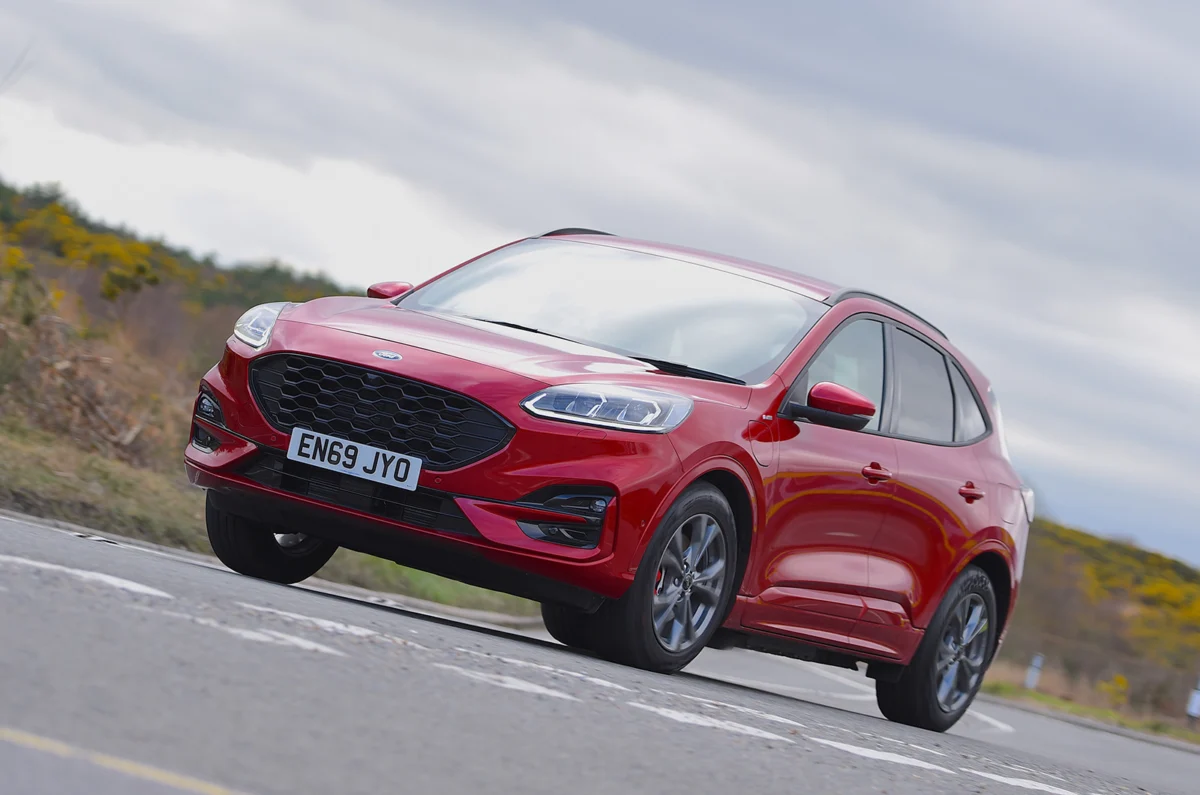
The Ford Kuga has solidified its position as a cornerstone of the European compact SUV market, successfully bridging the gap between utilitarian family transport and the engaging driving dynamics for which Ford is traditionally known. Since its inception in 2008, the Kuga has evolved through three distinct generations, each refining the formula of practicality paired with a chassis that rewards the keen driver. With the third-generation model, introduced in late 2019 for the 2020 model year, Ford transitioned the Kuga to its versatile C2 platform—the same architecture underpinning the acclaimed fourth-generation Focus. This move significantly enhanced the vehicle’s interior dimensions, structural rigidity, and technological suite. Today, as early examples of this modern iteration begin to enter the used market at prices starting around £8,000 for high-mileage or late second-generation units, and slightly more for entry-level third-generation versions, the Kuga represents a compelling value proposition for families seeking a versatile all-rounder.
Historical Context and Model Evolution
The trajectory of the Ford Kuga reflects the broader industry shift toward crossovers. The first-generation Kuga (2008–2012) was a sharp-handling but somewhat cramped entry into the segment. Its successor, the Mark 2 (2012–2019), was a global "One Ford" product, known as the Escape in North America. While it offered more space, it lacked the aesthetic finesse of its predecessor.
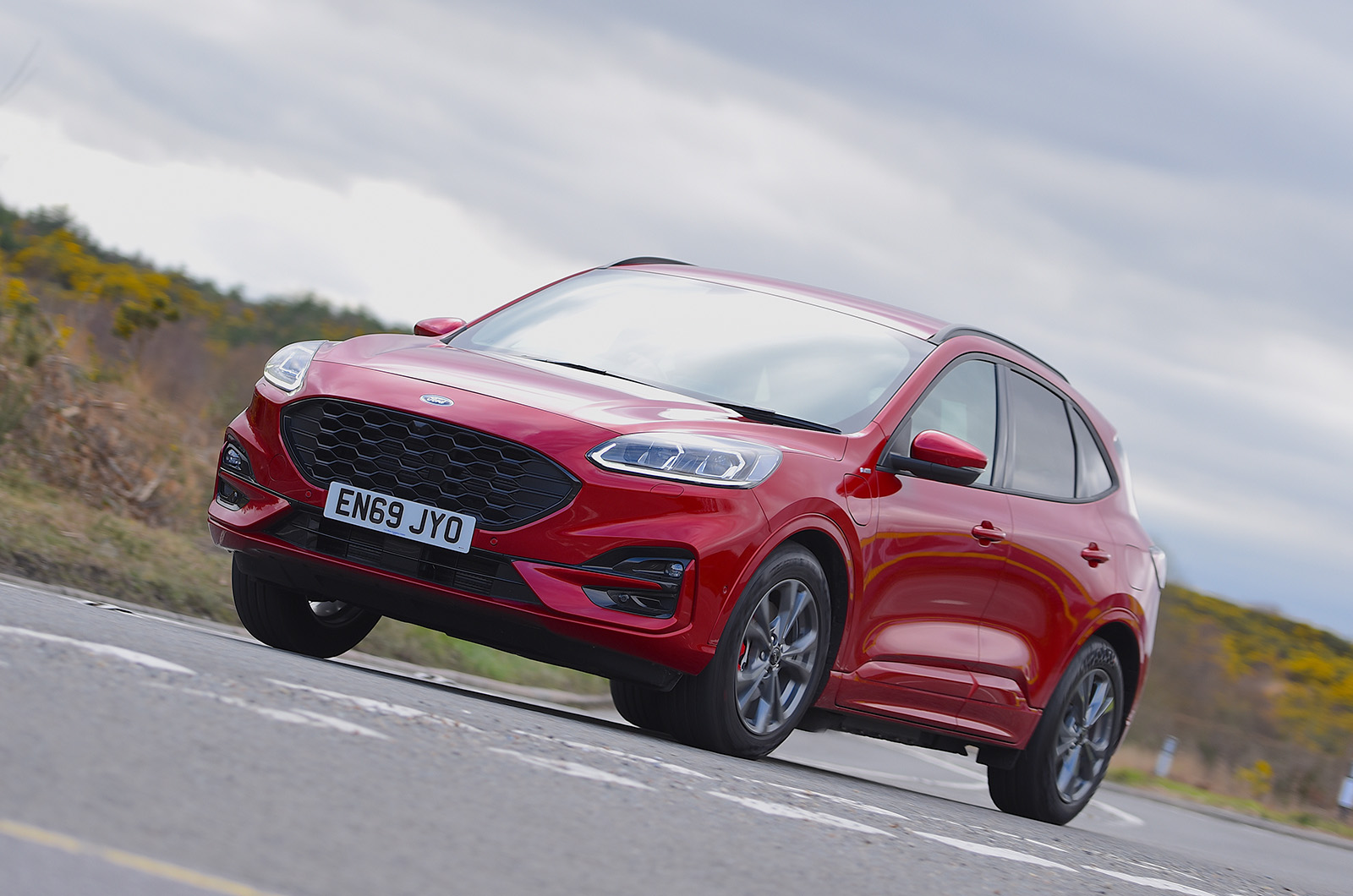
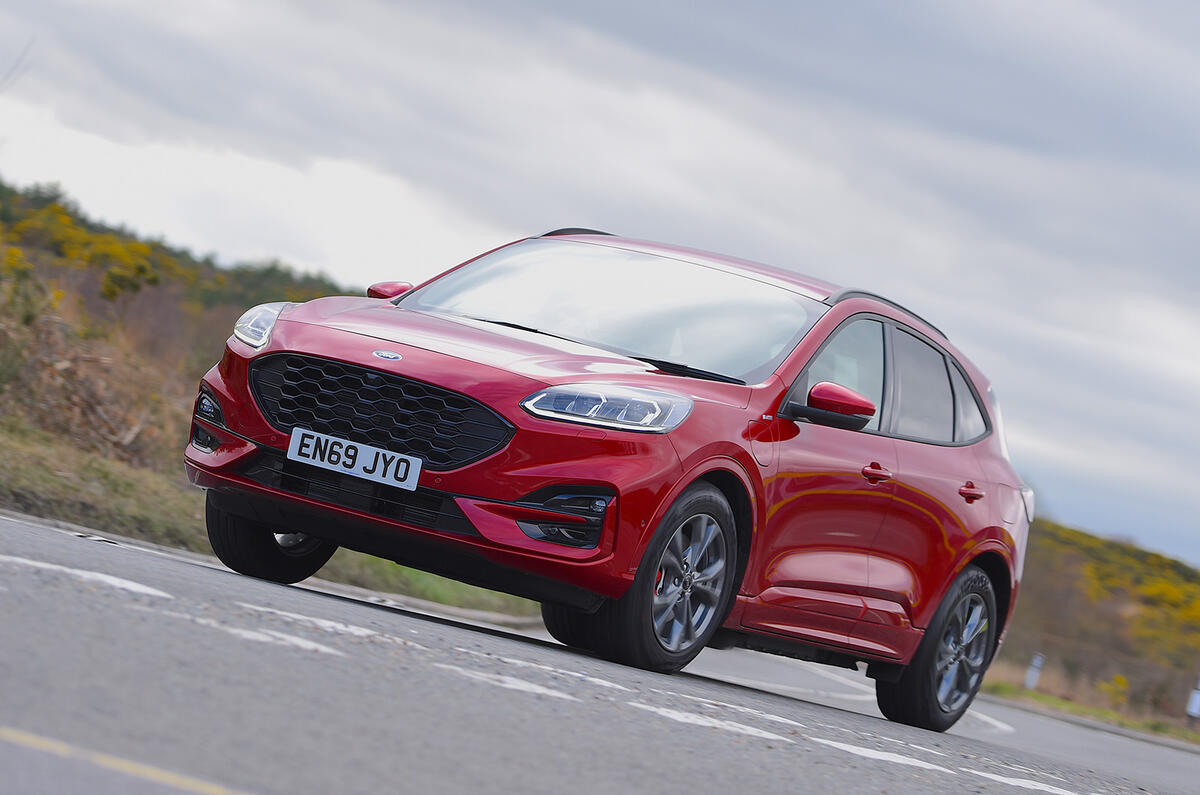
The arrival of the Mark 3 in 2020 marked a significant departure in design philosophy. Ford opted for a "softer," more car-like aesthetic, moving away from the rugged, blocky look of traditional SUVs toward a sleeker, aerodynamic profile inspired by the Focus hatchback. This generation was designed from the ground up to accommodate a diverse range of electrified powertrains, making it one of Ford’s most technologically ambitious launches in the European sector. The introduction of the Mark 3 coincided with a period of intense competition, facing off against established rivals such as the Volkswagen Tiguan, Nissan Qashqai, and the Kia Sportage.
Powertrain Diversity and Technical Specifications
One of the primary reasons for the Kuga’s enduring popularity is the "Power of Choice" strategy Ford employed for its engine lineup. Unlike many competitors that restricted buyers to one or two propulsion methods, the Kuga was launched with a comprehensive array of options:
Internal Combustion Engines (ICE)
The entry point for many used buyers is the 1.5-litre EcoBoost three-cylinder petrol engine. Despite its diminutive displacement, this unit utilizes cylinder deactivation technology to balance performance and economy, producing either 118bhp or 148bhp. For high-mileage drivers, the 1.5-litre and 2.0-litre EcoBlue diesel engines remained available, offering robust torque and superior long-distance fuel efficiency.
Hybrid and Plug-in Hybrid Options
The Mark 3 Kuga was the first Ford to offer Mild Hybrid (MHEV), Full Hybrid (FHEV), and Plug-in Hybrid (PHEV) variants simultaneously. The PHEV variant, featuring a 2.5-litre Atkinson-cycle petrol engine paired with a 14.4kWh battery, became a fleet favorite due to its low Benefit-in-Kind (BiK) tax ratings and an official electric-only range of up to 35 miles. The Full Hybrid (FHEV) followed shortly after, providing a self-charging alternative for those without easy access to a home charging point.
The Used Market: Value and Pricing Analysis
As of 2024, the used market for the Ford Kuga is robust. The £8,000 price point typically grants access to late-model Mark 2 versions (2017–2019) in excellent condition or very early, higher-mileage Mark 3 models. For buyers prioritizing the latest technology and the C2 platform’s improved handling, stretching the budget to £12,000–£14,000 opens up a wide selection of 2020-2021 Titanium and ST-Line trims.
Data from UK used car indices suggest that the Kuga retains its value better than the Vauxhall Grandland but sits slightly below the Volkswagen Tiguan in terms of residual percentages. However, the sheer volume of Kugas sold new means that the second-hand market is well-stocked, allowing buyers to be selective regarding color, trim, and service history.
Interior Design, Space, and Technology
The transition to the C2 platform allowed Ford to increase the Kuga’s wheelbase, resulting in significantly improved rear legroom. A standout feature of the Mark 3 is the sliding rear bench seat, which allows owners to prioritize either passenger comfort or luggage capacity. With the seats pushed back, the Kuga offers class-leading legroom; pushed forward, the boot space expands to a generous 645 litres.
Technologically, the Kuga moved the needle for Ford with the integration of the SYNC 3 infotainment system (and later SYNC 4 in facelifted models). The system includes an 8-inch touchscreen as standard, with Apple CarPlay and Android Auto compatibility. Higher trim levels, such as the Vignale, introduced a 12.3-inch digital instrument cluster and a premium B&O sound system. Material quality in the Mark 3 was also elevated, with soft-touch plastics and more refined switchgear compared to the somewhat cluttered dashboard of the Mark 2.
Driving Dynamics and Performance
Ford has long maintained a reputation for building cars that handle better than the segment average, and the Kuga is no exception. The suspension setup—MacPherson struts at the front and a multi-link arrangement at the rear—is tuned to provide a composed ride that resists excessive body roll in corners.
The ST-Line trim, which accounts for a large portion of used sales, features a slightly firmer sports suspension and larger alloy wheels. While this sharpens the steering response, it can lead to a busier ride on poorly maintained urban roads. Conversely, the Titanium trim offers a more compliant setup, making it the preferred choice for those prioritizing family comfort over "fun-to-drive" metrics.
Reliability, Recalls, and Ownership Considerations
Prospective buyers should be aware of specific issues that have affected the Mark 3 Kuga. Most notably, the Kuga PHEV was subject to a significant global recall shortly after its launch in 2020 due to a battery overheating risk that could potentially lead to fires. Ford addressed this by replacing the entire battery packs of affected vehicles. When viewing a used PHEV, it is vital to verify that this remedial work was carried out by an authorized Ford dealer.
Other common considerations include:
- 1.5 EcoBoost Belt-in-Oil: Early versions of the EcoBoost engines require strict adherence to oil change intervals using the correct specification of oil to prevent premature wear of the timing belt.
- Infotainment Glitches: Some owners have reported occasional "freezing" of the SYNC 3 system, which is usually rectified by a software update.
- Diesel Particulate Filters (DPF): As with all modern diesels, those used primarily for short city trips may experience DPF clogging.
Official Responses and Market Positioning
At the launch of the Mark 3, Roelant de Waard, then Vice President of Marketing, Sales & Service for Ford of Europe, stated that the Kuga was the company’s "most electrified vehicle ever," emphasizing that the variety of powertrains was a direct response to consumer anxiety regarding the transition from fossil fuels to electricity.
Industry analysts viewed the Kuga as a pivotal model in Ford’s European "turnaround" plan, which involved moving away from traditional sedans (like the Mondeo) toward a more profitable SUV-centric lineup. The Kuga’s success in the fleet and retail sectors has validated this strategy, consistently appearing in the top 10 best-selling cars in various European markets.
Broader Impact and Implications
The Kuga’s presence in the used market at affordable price points has democratized access to advanced safety features and hybrid technology for many families. Standard equipment on most Mark 3 models includes Pre-Collision Assist with Autonomous Emergency Braking, Lane-Keeping Aid, and front and rear parking sensors. This high level of safety equipment contributed to the Kuga achieving a five-star Euro NCAP rating.
Furthermore, the Kuga’s role in Ford’s history is significant as it paved the way for the Mustang Mach-E and the new electric Explorer. By introducing the "Kuga" nameplate to electrification, Ford successfully transitioned its loyal customer base toward more sustainable driving habits without the "range anxiety" often associated with pure battery-electric vehicles.
Conclusion: Why the Kuga Remains a Top Used Choice
For a budget of £8,000 and upwards, the Ford Kuga offers a blend of attributes that few rivals can match. It provides the high seating position and practicality of an SUV, the running costs of a hatchback (particularly in MHEV or Diesel form), and a chassis that ensures the school run or the weekend getaway remains an enjoyable experience for the driver.
While the PHEV battery issues were a hurdle in its early life, Ford’s comprehensive recall program has largely mitigated those concerns, leaving behind a vehicle that is well-engineered and highly functional. For the used buyer, the Kuga is not just a sensible purchase; it is a testament to Ford’s ability to inject character into a segment often criticized for being bland. Whether opting for a late-model Mark 2 for its ruggedness or an early Mark 3 for its sophistication, the Kuga remains a standout candidate for anyone seeking an affordable, family-oriented SUV.