
Peugeot has officially unveiled a comprehensive strategic roadmap designed to redefine its market presence through the introduction of seven new models by the end of the decade. This ambitious product offensive, centered on a new modular platform, a transformative design language, and an evolved interior philosophy, aims to propel the French automaker’s global sales from 1.1 million units in 2023 to 1.5 million by 2028. This projected 36% increase in volume represents one of the most aggressive growth targets in the brand’s history, positioning it as a primary volume driver within the Stellantis conglomerate. The vanguard of this transition will be the second-generation Peugeot e-208, a supermini slated for a 2027 launch that will serve as the technological and stylistic template for the subsequent wave of vehicles.
The Strategic Shift: Volume and Electrification
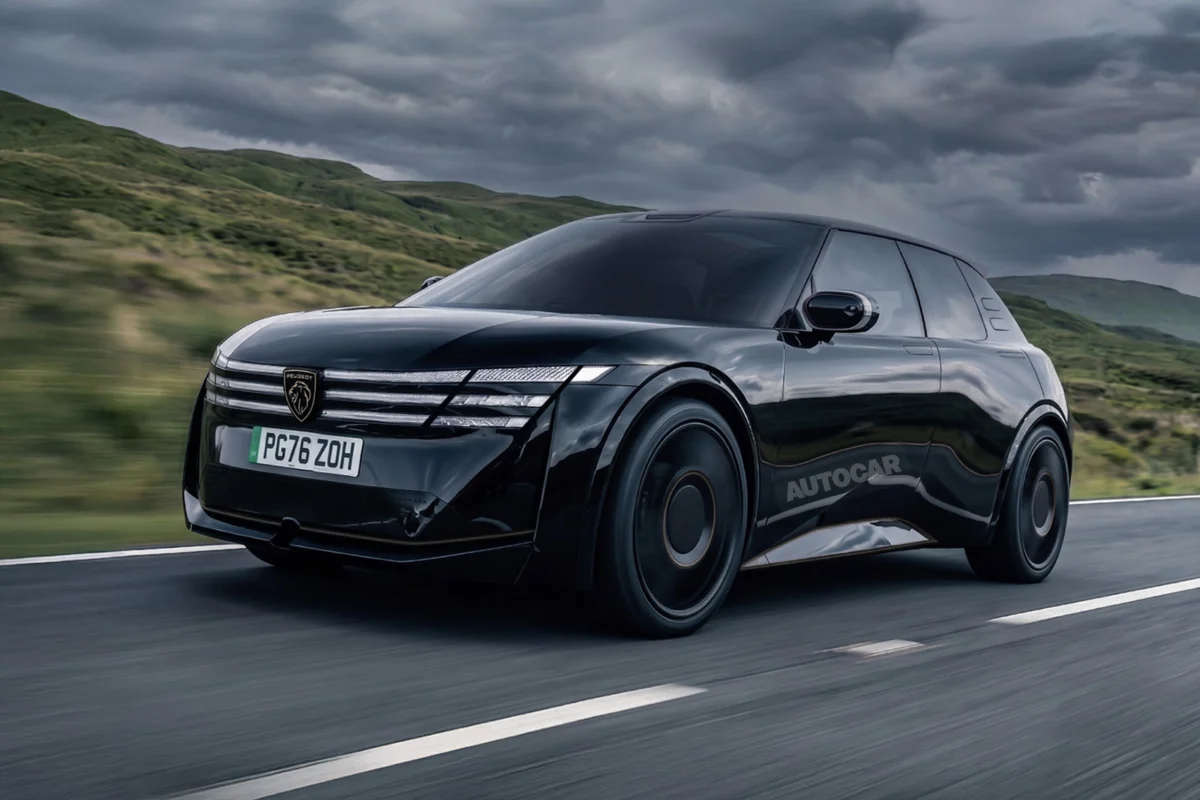
The cornerstone of Peugeot’s "2030 Vision" is the pursuit of scale. By targeting 1.5 million annual sales, the brand is seeking to reclaim lost ground in emerging markets while solidifying its dominance in the European B and C segments. The transition is not merely about numbers but about a fundamental shift in vehicle architecture. The upcoming e-208, scheduled for reveal in the second half of 2027, will be the first vehicle to utilize the STLA One modular platform. This architecture is part of the broader Stellantis "STLA" family, designed specifically to accommodate high-efficiency electric powertrains while maintaining the flexibility for various body styles and wheelbases.
Industry analysts suggest that the move to the STLA One platform is a critical step in streamlining manufacturing costs. By moving away from the older CMP (Common Modular Platform) and e-CMP architectures, Peugeot expects to achieve significant economies of scale. The STLA One platform is anticipated to offer improvements in energy density, charging speeds, and cabin space utilization, addressing two of the primary concerns for modern electric vehicle (EV) buyers: range anxiety and interior ergonomics.
Design Philosophy: Merging Heritage with Futurism
Peugeot’s future aesthetic direction is heavily influenced by its past, a strategy championed by CEO Alain Favey. The upcoming models will draw inspiration from the brand’s most iconic historical silhouettes, most notably the Peugeot 205, which saved the company from financial ruin in the 1980s. This "retro-futurist" approach was first previewed by the radical Polygon concept, which showcased sharp, geometric lines and a minimalist front fascia.
Favey has emphasized that the brand’s heritage is not a weight, but a source of inspiration. "Our heritage is very important to us, but it’s important in the sense that it gives us ideas for the future," Favey stated. This philosophy was previously explored in the E-Legend concept—a modern homage to the 1960s 504 Coupé—and the 2023 Inception concept, which introduced a "digital" face and a revolutionary steering system known as Hypersquare.
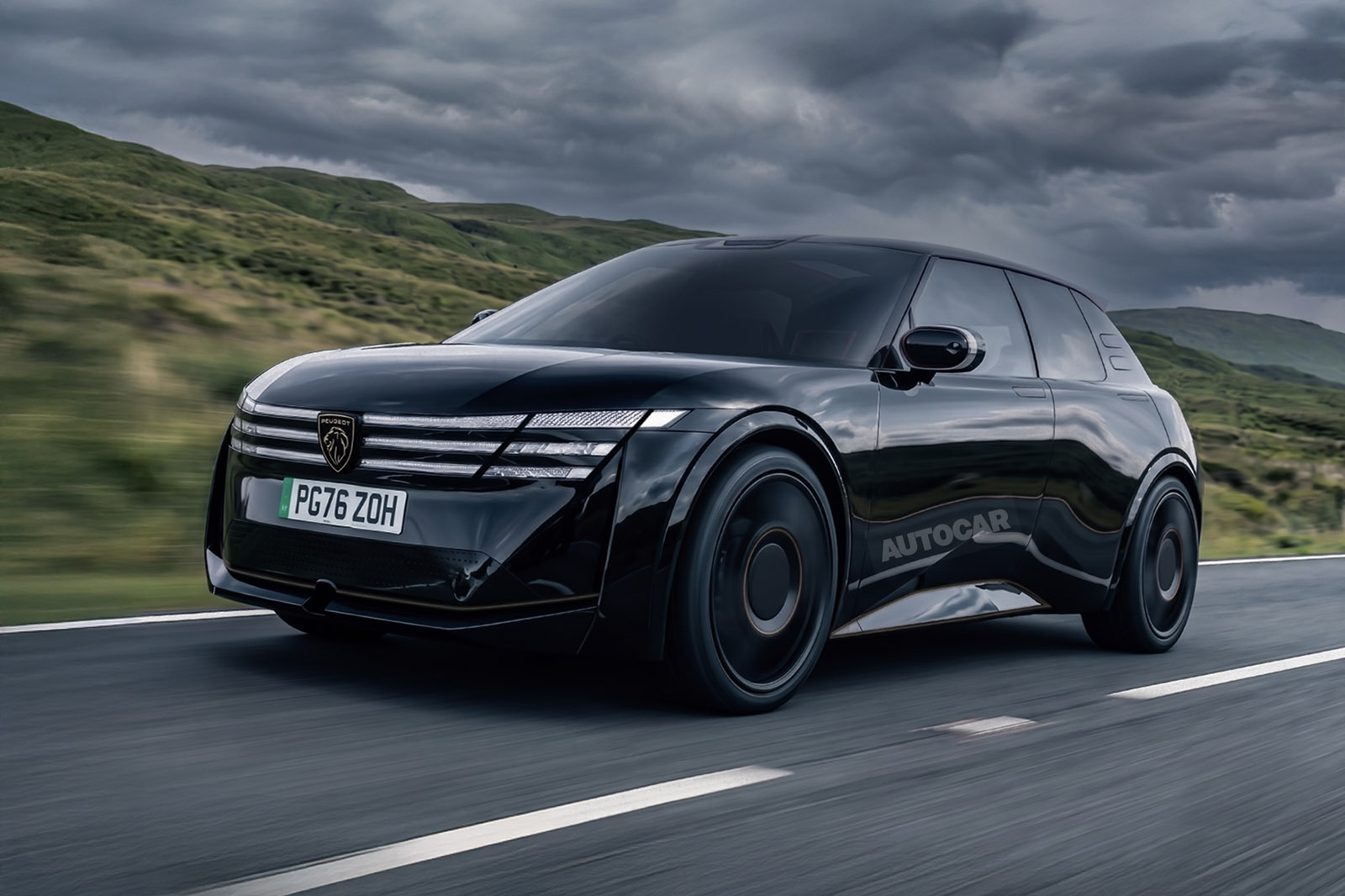
To further articulate this vision, Peugeot will reveal two "striking" new concept cars at the Paris Motor Show in October. These concepts are expected to be more than mere design exercises; they will serve as direct previews of the production hardware and software interfaces that will define the seven-model lineup. The concepts are rumored to showcase the next evolution of the i-Cockpit, Peugeot’s signature interior layout, which is expected to move toward a more immersive, screen-heavy, yet tactile experience.
Technical Foundations: The STLA One Platform and i-Cockpit Evolution
The introduction of the STLA One platform marks a departure from the "power of choice" strategy previously employed by Peugeot, where internal combustion engines (ICE) and EV versions shared the same basic underpinnings. While the new platform is modular, its primary focus is on maximizing the potential of a "software-defined vehicle" (SDV) architecture. This will allow for over-the-air (OTA) updates, advanced Level 2 and Level 3 autonomous driving features, and enhanced battery management systems.
The second-generation e-208 will be the technological "flagbearer" for these advancements. While technical specifications remain under wraps, the industry expects the STLA One-based e-208 to target a range exceeding 400 kilometers (WLTP) and to feature a significantly faster charging curve than the current model.
Equally important is the interior treatment. Peugeot’s i-Cockpit has been a polarizing but successful differentiator for the brand. The new models will feature a refined version of this layout, potentially incorporating the "Hypersquare" control system—a rectangular steering device that replaces traditional mechanical linkages with steer-by-wire technology. This shift allows for a more flexible cabin layout and a more responsive driving experience, aligning with Peugeot’s brand identity of "Allure" and "Emotion."
Chronology of the Peugeot Product Offensive
The timeline for Peugeot’s transformation is structured to maintain momentum throughout the latter half of the decade:
- October 2024: Reveal of two major concept cars at the Paris Motor Show, outlining the design language for the 2027–2030 era.
- 2025–2026: Continued rollout of the current refreshed lineup, including the e-3008 and e-5008, to bridge the gap to the next generation.
- Late 2027: Official launch of the second-generation e-208, the first model on the STLA One platform.
- 2028: Introduction of the second and third models in the new series, likely targeting the compact crossover and C-segment hatchback markets.
- 2029–2030: Completion of the seven-model offensive, resulting in a fully refreshed portfolio that covers all major market segments.
- 2030: Target date for 100% electric sales in Europe, supported by the new global volume of 1.5 million units.
Market Context and Competitive Landscape
Peugeot’s move comes at a time of significant upheaval in the European automotive market. The brand faces intense competition from both traditional rivals and new entrants. The Renault 5 EV and the Volkswagen ID.2 are direct competitors to the upcoming e-208, both of which are leveraging "retro" styling to capture consumer interest. Furthermore, Chinese manufacturers such as MG and BYD are aggressively entering the European B-segment with high-spec, low-cost electric vehicles.

To counter these threats, Peugeot is positioning itself as an "upper-mainstream" brand. By focusing on design-led products and superior interior quality, Peugeot aims to command a price premium over entry-level competitors while remaining more accessible than premium German marques. The 36% sales growth target relies heavily on Peugeot’s ability to expand its footprint outside of Europe, specifically in regions like South America, the Middle East, and parts of Asia, where the Stellantis group is looking to increase its market share.
Implications for Stellantis and the Automotive Industry
The success of Peugeot’s strategy is vital for the broader Stellantis "Dare Forward 2030" plan. As the group’s leading brand by volume in several key markets, Peugeot serves as the testbed for many of the technologies that will eventually trickle down to sister brands like Opel, Fiat, and Citroën.
The shift to the STLA One platform also highlights a broader industry trend: the move away from multi-energy platforms toward EV-centric architectures. This transition is capital-intensive, requiring billions of euros in R&D and factory retooling. Peugeot’s ability to hit its 1.5 million sales target will be a primary indicator of whether Stellantis can successfully navigate the transition to electrification without sacrificing the profitability that has characterized the group since its formation.
Furthermore, the emphasis on heritage-driven design suggests a move away from the "generic" styling often associated with early electric vehicles. By leaning into the iconic lines of the 205 and 504, Peugeot is betting that emotional connection will be a key differentiator in an increasingly commoditized EV market.
Conclusion: A High-Stakes Transformation
Peugeot’s roadmap for 2030 is a high-stakes gamble on the future of the automotive industry. By combining a 36% increase in sales volume with a total overhaul of its platform and design language, the brand is attempting to reinvent itself for the electric age. The e-208 will be the first true test of this new direction, representing a bridge between the legendary simplicity of the 205 and the high-tech, software-driven future of the STLA One platform. As the Paris Motor Show approaches, the industry will be watching closely to see if Peugeot’s "striking" new concepts can provide the necessary spark to ignite this ambitious global expansion.