



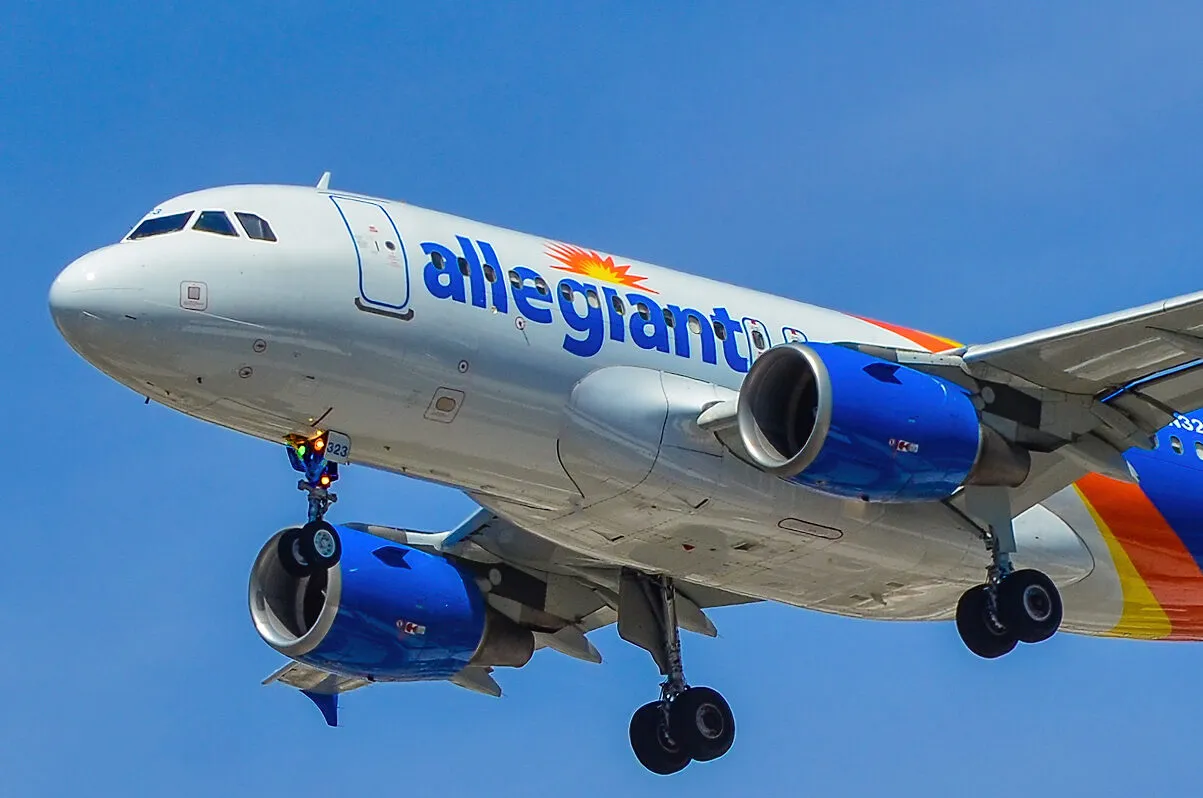
In a definitive departure from its long-standing business model, Allegiant Air has entered into an exclusive 12-month partnership with Expedia Group, marking the first time the Las Vegas-based ultra-low-cost carrier (ULCC) has authorized an online travel agency (OTA) to distribute its flight inventory. This strategic pivot signifies the end of Allegiant’s strict direct-to-consumer distribution philosophy, a cornerstone of its operational strategy for more than two decades. By integrating its flight content into Expedia’s global marketplace, Allegiant aims to capture a broader segment of the leisure travel market while navigating a complex economic landscape defined by rising operational costs and intensifying competition in the domestic aviation sector.
The Strategic Pivot: From Direct-Only to Multi-Channel Distribution
For the majority of its history, Allegiant Air distinguished itself from legacy carriers and even many of its low-cost peers by shunning third-party intermediaries. The airline’s management historically argued that maintaining a direct relationship with the customer was essential for controlling the brand experience, maximizing ancillary revenue, and avoiding the high commission fees typically associated with OTA bookings. As recently as early 2024, Allegiant executives publicly reaffirmed their commitment to a direct-distribution-only strategy, citing it as a primary competitive advantage that allowed the airline to maintain industry-leading margins.
However, the new 12-month exclusive agreement with Expedia Group indicates a reassessment of this stance. Under the terms of the deal, Expedia becomes the sole authorized OTA distributor for Allegiant’s flights. This move allows Allegiant to tap into Expedia’s vast user base, which includes millions of travelers who begin their journey on platforms like Expedia.com, Orbitz, and Travelocity rather than visiting individual airline websites. While Allegiant has historically utilized metasearch engines—such as Google Flights and Kayak—to direct traffic back to its own site, the Expedia partnership represents a deeper level of integration where transactions can occur within the OTA ecosystem.
Historical Context and the Ryanair Precedent
Allegiant’s shift mirrors a similar transformation recently observed in Europe with Ryanair. For years, Ryanair engaged in high-profile legal and public relations battles against "screen scrapers" and OTAs that sold its flights without authorization. Ryanair CEO Michael O’Leary frequently characterized OTAs as "pirates" that added unnecessary markups to fares. However, in a surprising reversal in late 2023 and early 2024, Ryanair began signing official distribution agreements with a series of OTAs, including Loveholidays, Kiwi.com, and eventually Expedia Group itself.
The Ryanair model for these partnerships is notable because it often involves the OTA agreeing to a "no-commission" or "transparent pricing" structure, where the airline provides the inventory in exchange for the OTA ensuring that customer contact and payment details are passed directly to the carrier. While Allegiant has not disclosed the specific financial terms or commission structures of its deal with Expedia, industry analysts suggest that Allegiant may be seeking a similar balance: gaining volume and visibility without significantly eroding its per-seat profitability.
Analyzing the Economic Drivers Behind the Decision
The decision to partner with Expedia comes at a critical juncture for Allegiant. The airline has faced several headwinds over the past 24 months, ranging from delays in the delivery of its new Boeing 737 MAX fleet to fluctuating fuel prices and increased labor costs. Furthermore, the domestic U.S. market has seen an overcapacity of "value" seats, which has pressured the unit revenues of ULCCs across the board.
Load Factors and Capacity Management
By opening its inventory to Expedia, Allegiant is likely seeking to bolster its load factors—the percentage of available seats filled by passengers. While Allegiant has traditionally excelled at filling planes on niche, underserved routes (often connecting small regional airports to vacation destinations like Orlando or Las Vegas), the broader competitive environment has become more crowded. Frontier and Spirit Airlines have both adjusted their networks and pricing strategies, occasionally encroaching on Allegiant’s traditional territory. Accessing Expedia’s demand engine provides Allegiant with a "safety valve" to move inventory that might otherwise go unsold through direct channels.
Ancillary Revenue Considerations
A primary concern for any ULCC moving to an OTA is the protection of ancillary revenue. Allegiant generates a significant portion of its total income from "unbundled" services, such as seat assignments, baggage fees, and priority boarding. In a direct-booking environment, Allegiant has total control over the "upsell" flow. The success of the Expedia partnership will depend heavily on how effectively Allegiant’s ancillary options are integrated into the Expedia booking path. If the OTA can successfully convert travelers into high-margin ancillary purchasers, the partnership could prove highly accretive to Allegiant’s bottom line.
Timeline of Allegiant’s Distribution Evolution
The path to the Expedia deal can be traced through several key milestones in Allegiant’s corporate history:
- 2001–2020: Allegiant establishes its "fortress" direct-booking model. The airline focuses on flying from small cities (e.g., Peoria, Illinois; Allentown, Pennsylvania) to leisure hubs. Marketing spend is concentrated on driving traffic to Allegiant.com.
- 2021–2022: Post-pandemic travel surges. Allegiant maintains its direct strategy but begins to invest more heavily in its "Allways Rewards" loyalty program to increase customer retention and direct engagement.
- 2023: Allegiant faces operational challenges, including pilot contract negotiations and aircraft delivery delays. The airline begins looking for ways to diversify its revenue streams, including the opening of the Sunseeker Resort in Florida.
- Early 2024: Management continues to tout the benefits of the direct-distribution model in earnings calls, emphasizing the cost savings associated with avoiding OTA commissions.
- Late 2024: The exclusive 12-month deal with Expedia Group is announced, marking a 180-degree turn in distribution policy.
Official Responses and Market Implications
While Allegiant has been measured in its public commentary regarding the shift, the move has been interpreted by the market as a pragmatic response to a maturing industry. In previous statements, Allegiant leadership has noted that the airline must be "where the customer is," and as consumer behavior shifts toward consolidated travel planning, the refusal to participate in the OTA ecosystem became an increasingly difficult position to defend.
Expedia Group, for its part, has welcomed the addition of Allegiant to its platform. For Expedia, securing an exclusive deal with a major U.S. carrier provides a competitive advantage over other OTAs like Booking Holdings or Hopper. It allows Expedia to offer unique "package" deals (flight + hotel) that include Allegiant’s low fares, which are particularly attractive to the price-sensitive leisure demographic that both companies target.
Analyst Perspectives
Wall Street analysts have expressed cautious optimism regarding the deal. "Allegiant is essentially trading a small margin on the ticket for a higher probability of filling the seat and capturing the ancillary spend," noted one senior aviation analyst. "The 12-month duration of the contract suggests this is a trial phase. Allegiant will be closely monitoring whether the Expedia volume represents ‘new’ customers or merely ‘cannibalized’ customers who would have otherwise booked direct."
Broader Impact on the Airline Industry
The Allegiant-Expedia deal is a bellwether for the shifting dynamics between airlines and distributors. For years, the industry was defined by a tug-of-war: airlines tried to pull customers to their own websites to save on distribution costs, while OTAs fought to remain the primary gateway for travel discovery.
However, several factors are forcing a "grand bargain" between these two sides:
- New Distribution Capability (NDC): Improved technological standards (NDC) allow airlines to pass more complex data—including ancillary products and personalized offers—to third-party sellers more easily.
- Market Saturation: With most travelers now comfortable booking online, the low-hanging fruit of moving customers from offline to online has been picked. Growth now comes from capturing market share within the digital space.
- The Rise of Retail-Centric Aviation: Airlines are increasingly viewing themselves as retailers rather than just transportation providers. Retailers typically use multiple channels (wholesalers, third-party marketplaces, and direct stores) to reach customers.
Conclusion: A New Era for Allegiant
As Allegiant Air embarks on this 12-month journey with Expedia Group, the aviation industry will be watching closely. The outcome of this partnership will likely determine whether other holdouts in the low-cost space follow suit. If Allegiant sees a meaningful lift in revenue without a corresponding spike in distribution costs, the "direct-only" era of the ULCC may officially come to an end.
For the traveler, the deal offers increased convenience and the ability to compare Allegiant’s unique route network alongside traditional carriers in a single search. For Allegiant, it is a calculated gamble that the reach of Expedia’s global platform will provide the necessary lift to navigate a period of economic uncertainty and aircraft supply constraints. As the 12-month window progresses, the data will ultimately reveal whether this pivot was a temporary tactical adjustment or a permanent transformation of the Allegiant business model.