

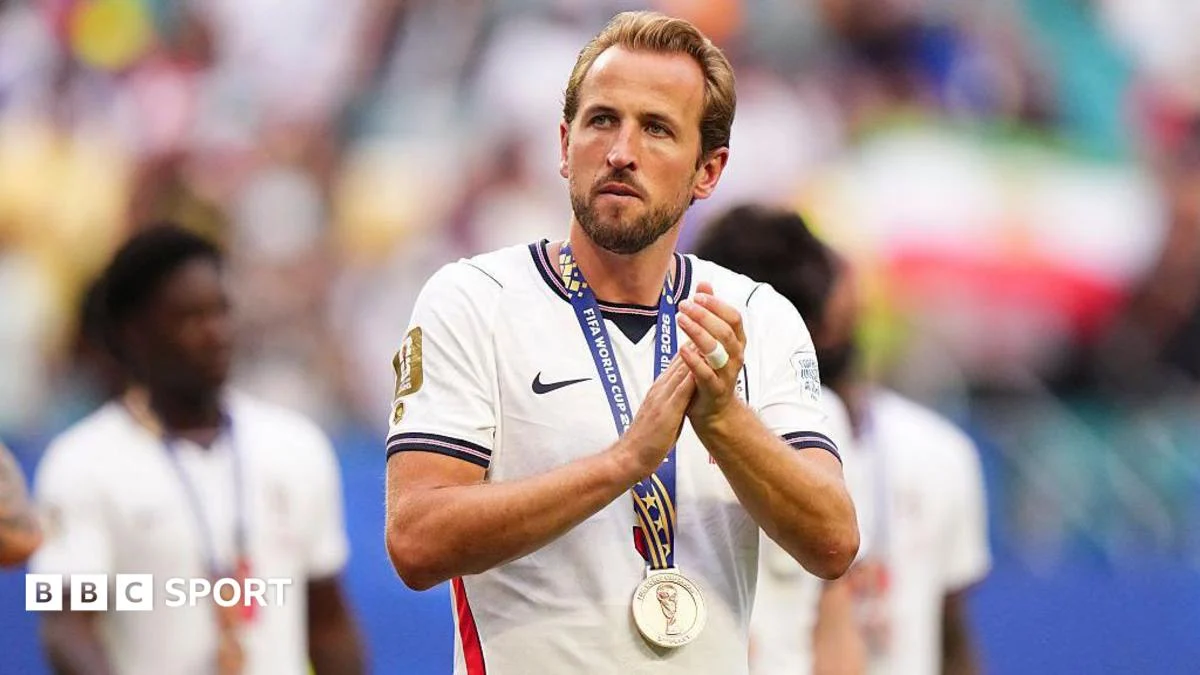
Saturday’s dramatic 6-4 victory over France in the third-place play-off cemented England’s best performance at a men’s World Cup in six decades, mirroring their achievement of winning the tournament on home soil in 1966. The Three Lions entered the 2026 competition ranked fourth in the world and concluded their campaign by reaching the semi-finals for only the third time since their historic triumph, a feat that naturally invites scrutiny regarding the overall success and potential missed opportunities of their tournament journey. This achievement, however, is juxtaposed against reports of internal squad friction regarding manager Thomas Tuchel’s tactical approaches and a significant second-half collapse in the semi-final against Argentina, prompting a deeper examination of how this World Cup campaign should be evaluated. Was England’s second-best World Cup performance ever under-appreciated, or does it represent another instance of falling short at a crucial juncture?
A Campaign of Contrasts: Achievement and Disappointment
The narrative surrounding England’s 2026 World Cup campaign is one of stark contrasts. While securing third place, the best result since their sole victory, the manner of their semi-final exit and the subsequent bronze medal match has led to a polarized view of their overall success. For some, reaching the final four represents a significant step forward, validating the team’s talent and potential. Yet, for others, particularly given the pre-tournament expectations and the perceived limitations of their tactical execution in key moments, it is viewed as a familiar story of falling short when it mattered most.
Head coach Thomas Tuchel, appointed with the specific mandate to overcome the historical barriers that have plagued England in previous World Cups, found himself facing a similar challenge to his predecessors. Despite his lauded knockout-stage expertise in club management, the pressure of the World Cup semi-final proved to be a significant hurdle. The defeat to Argentina was compounded by what many observers and even some within the squad perceived as an overly passive tactical approach during the critical second half, a strategic choice that contributed significantly to their downfall. This element of self-inflicted wound has added a layer of disappointment to an otherwise statistically successful tournament.
Consequently, when this World Cup is reviewed, both in the immediate aftermath and in the years to come, it is likely to be characterized as a tournament that promised much but ultimately delivered a familiar outcome: another major tournament where England failed to reach the ultimate prize when the stakes were highest. The initial high of reaching the semi-finals was overshadowed by the manner of the exit, leading to a collective sense of what might have been.
The Emotional Aftermath: A Camp Reeling
The emotional toll of a semi-final defeat in a World Cup is profound, and the England camp was understandably deflated following their heart-breaking loss to Argentina. Such setbacks require time to process and recover from, and the strong sense of "brotherhood" that manager Tuchel has frequently emphasized within the squad became a crucial source of support in the days that followed. There was a palpable belief among the players that this tournament represented their best chance to achieve glory, and to have that opportunity slip away in such a manner has been difficult to digest.
Assistant manager Anthony Barry eloquently captured the mood during his half-time assessment of the third-place play-off against France, stating, "They’re playing a game with broken hearts. I see 11 lads on the field with broken hearts." This sentiment underscored the deep emotional investment the players had in their World Cup journey.
Beyond the emotional impact, there were also internal misgivings regarding the tactical decisions made by Tuchel during the latter stages of the Argentina match. Specific substitutions and tactical adjustments were perceived by certain players as overly defensive, leading to private discussions within the squad in the days following the semi-final. This internal dialogue suggests a potential disconnect between the coaching staff’s strategy and the players’ perceived best approach, a dynamic that could have implications for future decision-making.
The Future of Thomas Tuchel: Under Scrutiny
In the immediate aftermath of the Argentina defeat, the Football Association reiterated its unwavering support for manager Thomas Tuchel, with the stated intention for him to remain in charge through to Euro 2028. However, the customary end-of-tournament review will undoubtedly delve into the specifics of the semi-final loss, and the player discontent regarding perceived defensive tactics, coupled with the ensuing public reaction, could potentially alter the FA’s long-term trajectory.
The discontent among the fanbase was palpable, as evidenced by the booing of Tuchel’s name when announced prior to the bronze medal match against France in Miami. While the immediate anger is understandable, the sustained negative reaction from supporters raises questions about its potential influence on the FA’s strategic thinking. The pressure is mounting for Tuchel to demonstrate a clear path to tournament victory, and any lingering player dissatisfaction could further complicate his position.
Standout Performers and Lingering Questions
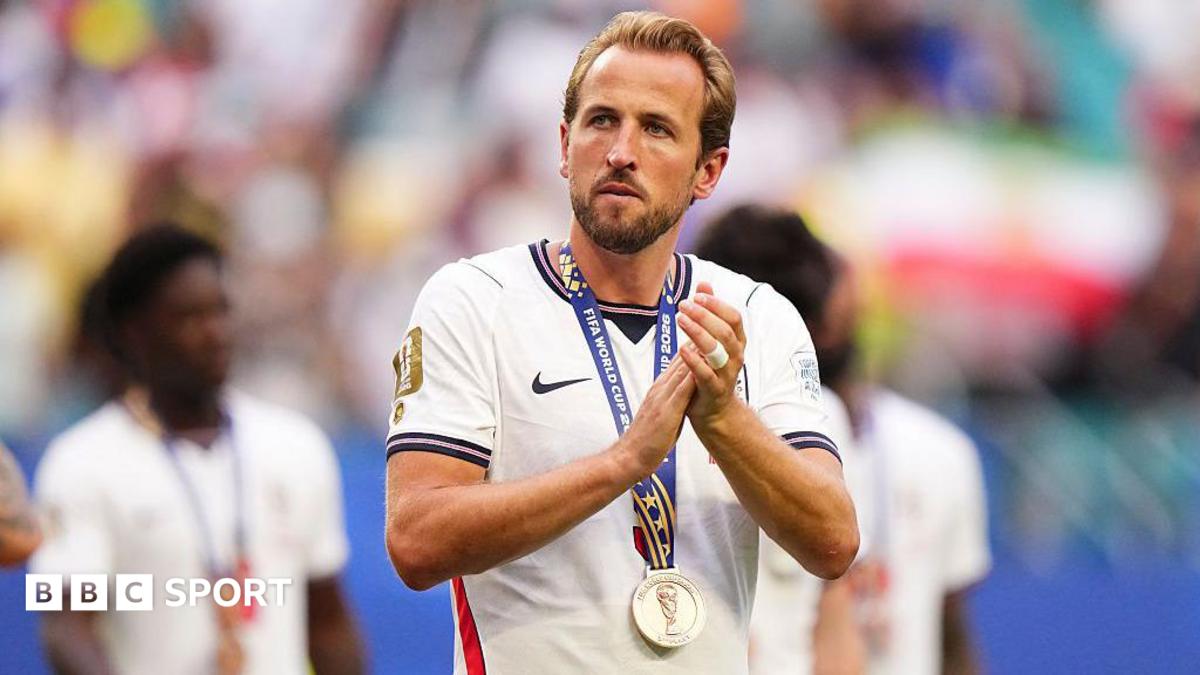
Despite the ultimate disappointment, several individuals emerged from the tournament with considerable credit. Harry Kane and Jude Bellingham were instrumental in carrying England through challenging fixtures, their individual brilliance proving decisive in victories against DR Congo, Mexico, and Norway. Their contributions were vital in propelling the team to the semi-final stage.
Jude Bellingham, the Real Madrid sensation, concluded the tournament with an impressive seven goals, one more than captain Harry Kane. However, with the 2030 World Cup on the horizon, questions arise about Kane’s future involvement. At 36 years old by the time of the next tournament, it remains to be seen if he will have the desire or physical capacity for another World Cup finals appearance.
An honorable mention must also be given to Djed Spence. The Tottenham Hotspur full-back built upon a solid performance against Norway with another commendable display against Argentina, notably making a goal-saving tackle on Giuliano Simeone that many have hailed as the tackle of the tournament.
While both Anthony Gordon and Bukayo Saka contributed three assists each, the question lingers whether Saka, at 24, truly showcased his full potential on the global stage. For the Arsenal winger, who is still in the prime of his career, there will undoubtedly be more World Cups to come. However, for England as a nation, the wait for World Cup glory continues, with the 2030 tournament marking 64 years since their last victory.
The Path to Euro 2028: Defining the Improvements Needed
The fundamental challenge for England moving forward is to cultivate the mental fortitude and tactical adaptability required to finally achieve tournament success, a feat they have not accomplished since 1966. Thomas Tuchel’s tactical blueprint, heavily influenced by the physicality and directness often seen in the Premier League and built around the exceptional talents of Bellingham and Kane, has yet to translate into silverware on the international stage.
As the team looks ahead to Euro 2028, there is a pressing need for a clearer vision and a more dynamic approach to tournament play. The current strategy appears somewhat one-dimensional, and England will face formidable opposition in continental rivals such as France and Spain.
Tuchel’s task is to imbue the squad with greater attacking potency and resilience, moving beyond a reliance on individual brilliance. The emergence of promising young talents, such as Liverpool’s 17-year-old forward Rio Ngumoah and Arsenal’s 16-year-old Max Dowman, offers exciting prospects for the future.
The performance against France in the third-place play-off, albeit in a match with little competitive pressure, offered a glimpse of what England can achieve when the handbrake is released. The six-goal haul demonstrated their attacking flair and potential to dazzle. However, significant questions remain about how England will solve the persistent puzzle of tournament success. The onus is now firmly on Thomas Tuchel to provide the answers and steer the team towards their ultimate goal. The legacy of this World Cup campaign will ultimately be defined not just by their statistical achievements, but by their ability to learn from the experience and translate it into tangible success in future tournaments.