

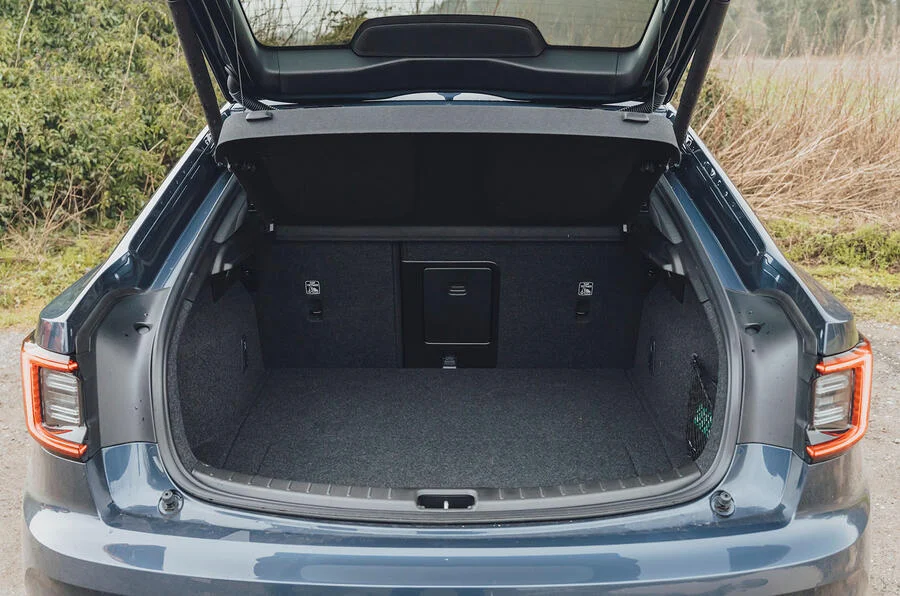
The Polestar 2, the first volume-production vehicle from the Swedish electric performance brand, has transitioned from a premium newcomer to one of the most compelling options on the secondary electric vehicle (EV) market. Launched in 2020 as a direct challenger to the Tesla Model 3, the Polestar 2 was built upon the Compact Modular Architecture (CMA) platform shared with the Volvo XC40. In the years since its debut, the model has undergone significant mechanical revisions, most notably a fundamental shift in its drivetrain configuration, which has redefined its standing among driving enthusiasts and pragmatic commuters alike. As early lease cycles conclude and fleet vehicles enter the used market, the Polestar 2 now presents a unique intersection of Scandinavian design, Volvo-derived safety, and contemporary electric performance at a fraction of its original retail price.
A Strategic Evolution: From Volvo Sub-Brand to Electric Independent
Polestar’s trajectory began as a racing team and later a performance tuning arm for Volvo, eventually being reimagined as a standalone electric brand under the joint ownership of Volvo Cars and Geely Holding. The Polestar 2 was tasked with a difficult objective: translating the brand’s "minimalist performance" ethos into a package that could compete with established luxury sedans. Unlike many of its competitors that were built on bespoke EV-only platforms, the Polestar 2 utilized a modified version of a combustion-capable platform. While this resulted in a higher floor and a central "transmission" tunnel—which houses battery cells—it also provided the car with a solid, traditional feel that appealed to drivers transitioning from internal combustion engines (ICE).
The model’s lifecycle is bifurcated by a major update in early 2023. Prior to this, Single Motor versions of the Polestar 2 were front-wheel drive, a configuration often criticized by enthusiasts for lacking the dynamic engagement found in rear-wheel-drive competitors. The 2023 "facelift" did more than just tweak the aesthetics; it moved the primary drive motor to the rear axle. This engineering shift drastically improved the vehicle’s balance, weight distribution, and steering feel. Furthermore, the introduction of more efficient motors and improved battery chemistry significantly extended the vehicle’s range, making the post-2023 models highly sought after in the used sector.
Comprehensive Chronology and Technical Specifications
Understanding the Polestar 2 requires a clear view of its production timeline and the specific variations offered between 2020 and 2024. The brand eschewed traditional trim levels (such as SE or Luxury), opting instead for a simplified structure based on battery size and motor configuration.
The Launch Phase (2020–2022)
Initially, the Polestar 2 was available primarily in a "Launch Edition" Dual Motor configuration. This setup utilized two permanent-magnet motors producing a combined 402bhp and 487lb-ft of torque.
- Standard Range Single Motor (FWD): 64kWh battery, approximately 275 miles (WLTP).
- Long Range Single Motor (FWD): 78kWh battery, approximately 345 miles (WLTP).
- Long Range Dual Motor (AWD): 78kWh battery, approximately 300 miles (WLTP).
The Mid-Life Update (2023–Present)
The 2023 update introduced a new "SmartZone" front panel, replacing the traditional grille, but the most important changes were beneath the skin.
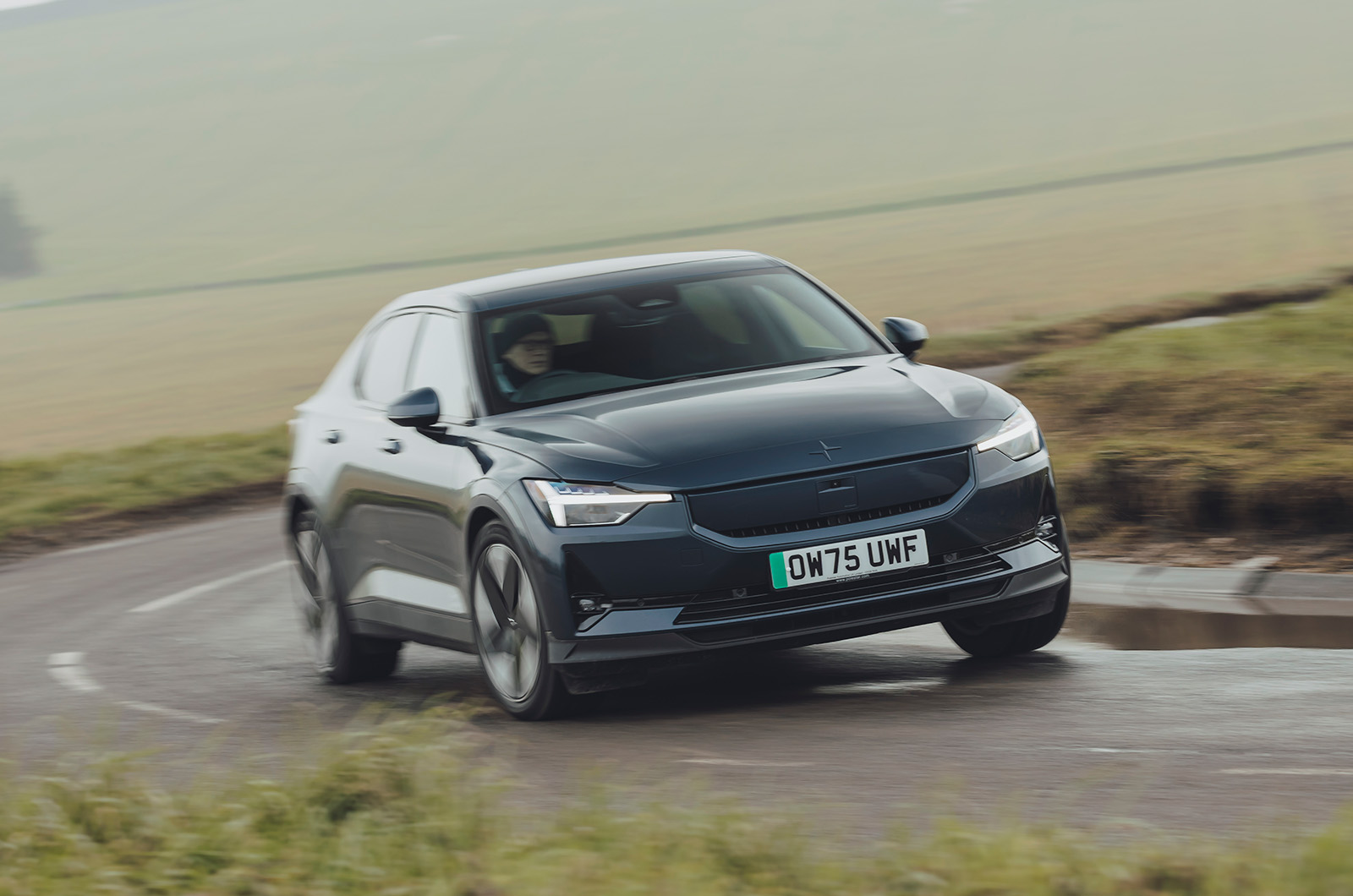
- Standard Range Single Motor (RWD): 69kWh battery, 344 miles (WLTP).
- Long Range Single Motor (RWD): 82kWh battery, 409 miles (WLTP).
- Long Range Dual Motor (AWD): 82kWh battery, 352 miles (WLTP).
The performance figures also saw a boost during this period. The Long Range Dual Motor with the optional Performance Pack now produces up to 469bhp, enabling a 0-62mph sprint in just 4.2 seconds. This iteration also benefited from new silicon carbide inverters, which reduced energy loss and improved charging speeds—peaking at 205kW for the 82kWh battery models, compared to the earlier 150kW limit.
Real-World Efficiency and Long-Term Performance Data
While official WLTP figures provide a baseline for comparison, real-world data from long-term testing offers a more accurate picture for prospective buyers. Industry analysis of the Polestar 2’s efficiency reveals a notable disparity between early and late models.
Testing of a 2021 Performance Pack model over 10,000 miles showed an average real-world range of 200 to 230 miles, particularly in mixed UK weather conditions. However, the 2023 rear-wheel-drive Long Range variant demonstrated a significant leap in efficiency. Over a similar 10,000-mile period, this model returned an average efficiency of 4.0 miles per kilowatt-hour (mpkWh), translating to a real-world range of approximately 316 miles. For used buyers, this suggests that if long-distance travel is a priority, the premium for a post-2023 model is justified by the tangible gains in energy management.
Technical Reliability: What to Look Out For
As with any sophisticated electric vehicle, the Polestar 2 is not without its technical foibles. Prospective owners must conduct thorough inspections of specific components that have emerged as known weak points in the car’s first four years of service.
Powertrain and Motors
On pre-facelift Dual Motor versions, owners have reported a distinct whining, humming, or grinding noise when the vehicle is in regenerative braking mode. This can indicate an impending failure of the front motor. If the vehicle is outside of its manufacturer warranty, replacing a motor assembly can cost upwards of £5,000. It is essential to test the car in various regen settings to ensure the drivetrain remains silent.
Ancillary Systems and Battery Health
The 12V auxiliary battery is a documented failure point, especially in colder climates. If the 12V battery fails, the car may refuse to start or "wake up," even if the high-voltage traction battery is fully charged. While Polestar dealers may charge up to £500 for a replacement, it is a straightforward task for a competent DIYer, with parts costing significantly less. Additionally, the tailgate’s automatic boot struts are prone to failure. While a dealer repair is quoted at £1,300, owners have found success with aftermarket parts and DIY installation for approximately £200.
Interior Electronics and Software
The Polestar 2 was the first car to feature an infotainment system powered by Android Automotive OS. While generally praised for its Google Maps integration and voice recognition, the system can be glitchy. Common issues include the 360-degree camera failing to activate or the climate control system malfunctioning. A short-circuiting damper motor in the dashboard can prevent the demister or the right-hand side vents from blowing warm air. Owners are encouraged to use the "V-Tool" diagnostic application to recalibrate software and identify fault codes before committing to a purchase.
The Enthusiast’s Choice: The BST Editions
For collectors and performance enthusiasts, Polestar released limited-run "BST" (Beast) editions. The BST Edition 270 and the subsequent 230 utilized the 469bhp powertrain but added a bespoke chassis setup. These models feature a 25mm lower ride height, 2-way adjustable Öhlins dampers with external reservoirs, and 21-inch forged alloy wheels.
While the BST models offer immense grip and a more aggressive stance, they have been criticized for a "fidgety" ride on broken pavement. Furthermore, the additional bracing and larger wheels add weight, which can slightly diminish the car’s agility compared to the standard Long Range Single Motor. However, with used prices for these rare models hovering around £30,000, they represent some of the most affordable high-performance electric machinery currently available.
Market Analysis: Pricing and Depreciation Trends
The used EV market has experienced significant volatility over the last 24 months, and the Polestar 2 has not been immune. However, this depreciation has turned the car into an exceptional value proposition for second-hand buyers.
- £12,000–£15,999: This bracket is populated by early (2020-2021) high-mileage examples, often exceeding 100,000 miles. Reports suggest the interior materials—particularly the "WeaveTech" vegan upholstery—hold up remarkably well to high usage.
- £16,000–£20,999: This is the "sweet spot" for pre-facelift cars with under 50,000 miles. Interestingly, there is currently very little price gap between the Long Range and Standard Range models in this bracket, making the Long Range the obvious choice.
- £21,000–£25,999: This range marks the entry point for the 2023 facelift models. Buyers should be wary of cars fitted with optional 20-inch or 21-inch wheels; while they enhance the aesthetic, they noticeably firm up the ride and reduce total range.
- £26,000–£59,000: The upper end of the market consists of nearly new 2024 and 2025 models. A 2025 model can often be found with a £20,000 discount compared to its "on-the-road" new price, representing a massive saving for a car that is essentially in showroom condition.
Industry Implications and Future Outlook
The Polestar 2’s journey highlights the rapid pace of development in the EV sector. The decision to switch drive configurations mid-cycle was an unprecedented move for a major manufacturer, signaling Polestar’s commitment to driving dynamics over manufacturing simplicity.
Industry analysts suggest that the Polestar 2 will remain a strong used contender due to its over-the-air (OTA) update capability, which allows the manufacturer to improve battery management and infotainment features long after the car has left the factory. Furthermore, Polestar’s commitment to "sorting" certain out-of-warranty issues—such as heated seat failures—free of charge has bolstered consumer confidence in the brand’s long-term support.
As the brand expands its lineup with the Polestar 3 and 4 SUVs, the Polestar 2 remains the foundational pillar of the company’s identity. For the used buyer, it offers a blend of Volvo’s safety heritage and a forward-looking electric powertrain, packaged in a design that remains contemporary even six years after its initial reveal. With prices now starting at the level of a new budget hatchback, the Polestar 2 has successfully transitioned from an expensive niche product to a mainstream used-market heavyweight.