


The Farnborough International Airshow (FIA) 2024 concluded its week-long run in Hampshire, England, marking a period of measured growth and strategic recalibration for the global aerospace industry. While the event’s firm order tally of approximately 340 commercial aircraft surpassed the totals seen at the 2022 gathering, it fell significantly short of the 800-unit milestone that some industry analysts and optimistic insiders had predicted in the weeks leading up to the show. The final figures, which include over 50 preliminary deals, options, and purchase rights, reflect an industry grappling with the dual realities of high passenger demand and severe structural limitations within the global supply chain.
Throughout the five-day event, the atmosphere was characterized by a prevailing sense of "cautious realism." Unlike previous years defined by massive, headline-grabbing "mega-orders" from emerging carriers, the 2024 show was dominated by incremental fleet renewals and the growing influence of aircraft lessors. Boeing emerged with a narrow lead over its European rival Airbus in terms of total units committed, a notable development given the American manufacturer’s recent regulatory and production challenges. However, both aerospace giants signaled that their primary focus has shifted from aggressive sales to the stabilization of production lines and the clearing of substantial delivery backlogs.
A Chronological Overview of the Week’s Major Transactions
The airshow opened on Monday under a cloud of anticipation, with Boeing taking an early lead in the order race. On the first day, the American manufacturer secured a significant commitment from National Airlines for four 777 Freighters, highlighting the continued strength of the global cargo market. This was quickly followed by a landmark announcement from Korean Air, which signed a memorandum of understanding (MoU) for up to 50 widebody aircraft, including 20 777-9s and 20 787-10s, with options for an additional 10 787-10s. This deal was viewed by analysts as a major vote of confidence in Boeing’s long-haul portfolio.
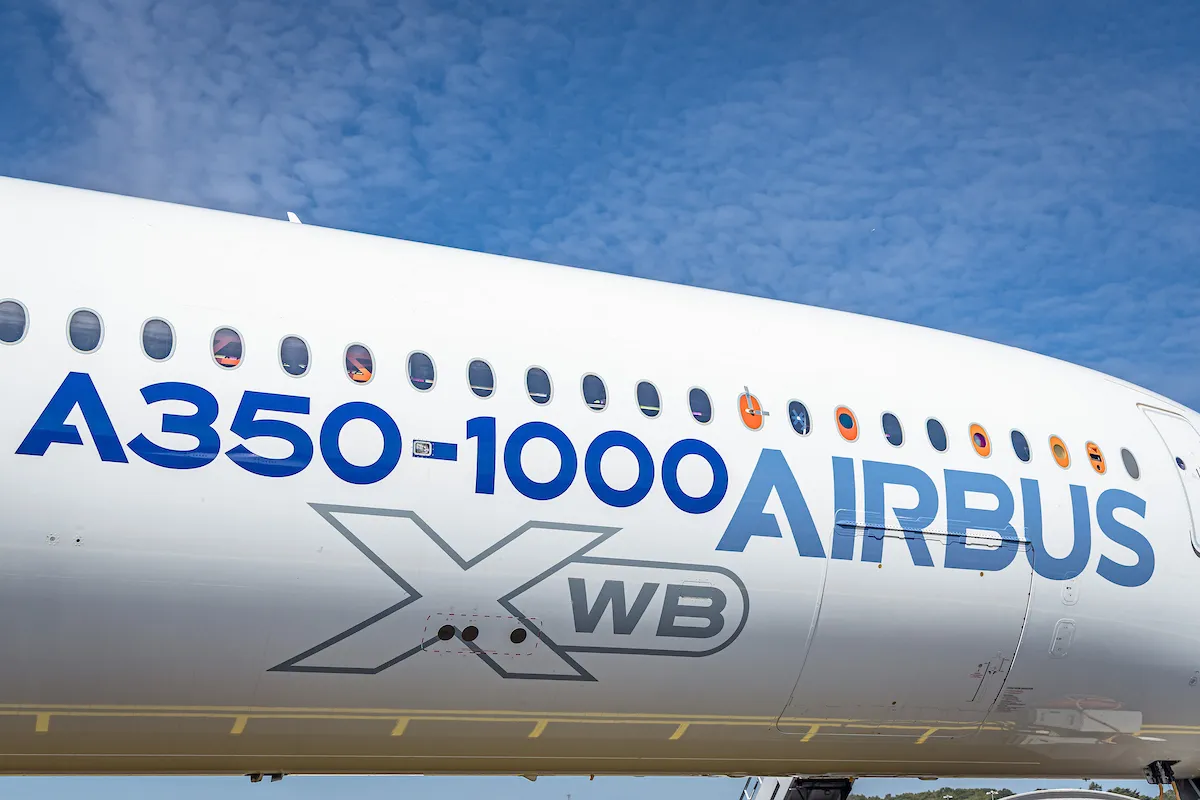
By Tuesday, Airbus began to narrow the gap. The European consortium announced a firm order from Virgin Atlantic for seven A330-900 aircraft, a move designed to complete the airline’s fleet transformation. Japan Airlines (JAL) also formalized a previously signaled commitment, signing for 20 A350-900 widebodies and 11 A321neo narrowbodies. This split-order strategy underscored a broader trend seen throughout the week: airlines are diversifying their fleets to mitigate the risks associated with delivery delays from any single manufacturer.
Wednesday shifted the focus toward the leasing sector, which proved to be the primary engine of activity for the remainder of the show. Macquarie AirFinance placed a firm order for 20 Boeing 737 MAX 8s, while Avolon, one of the world’s largest aircraft lessors, committed to 31 Airbus A320neo family aircraft. These deals highlighted the pivotal role that lessors currently play in the aviation ecosystem. By securing delivery slots years in advance, lessors provide airlines with a vital "safety valve," allowing carriers to access modern equipment without the immediate capital expenditure or the risk of direct negotiation with backlogged manufacturers.
The final days of the show saw a tapering of major announcements, as is customary, with the focus shifting to defense contracts and sustainability initiatives. However, the cumulative total of 340 firm orders solidified 2024 as a year of steady, if not spectacular, commercial success.
Comparative Data: Boeing vs. Airbus and the Market Split
The final tally of the show revealed a competitive landscape where Boeing’s widebody dominance helped it edge past Airbus in total order volume. Boeing’s firm commitments totaled approximately 118 aircraft, excluding options, while Airbus secured firm orders for roughly 110 units. When including MoUs and preliminary agreements, Boeing’s total hovered near 150, compared to Airbus’s 130.
| Manufacturer | Firm Orders | Preliminary/MoUs | Key Aircraft Models |
|---|---|---|---|
| Boeing | 118 | 40+ | 777-9, 787-10, 737 MAX 8 |
| Airbus | 110 | 20+ | A350-900, A321neo, A330neo |
| Other (ATR/Embraer) | 112 | 10+ | ATR 72-600, E195-E2 |
The data suggests a resurgence for Boeing’s 777X program, which has been plagued by certification delays. The commitments from Korean Air and other undisclosed customers indicate that the market remains hungry for high-capacity, long-range twin-engine jets as airlines look to retire aging 747s and A380s. Conversely, Airbus continued its dominance in the narrowbody sector, with the A321neo remaining the most sought-after single-aisle aircraft in the world, despite the fact that delivery slots for the model are largely sold out through the end of the decade.
The Strategic Ascendance of Aircraft Lessors
Perhaps the most significant takeaway from Farnborough 2024 was the shift in who was signing the checks. Traditionally, major airlines like Emirates, United, or Indigo have used airshows to announce multi-billion-dollar deals. This year, however, the largest transactions were driven by lessors such as Macquarie, Avolon, and Nordic Aviation Capital.
Industry analysts suggest this shift is a direct response to the "uncertain backdrop" mentioned in the show’s closing reports. Airlines are currently facing a trifecta of financial pressures: volatile fuel prices, rising labor costs, and the need to invest billions in decarbonization. By turning to lessors, airlines can modernize their fleets with fuel-efficient, "New Generation" aircraft while keeping the massive debt associated with aircraft purchases off their own balance sheets.
"The mood at Farnborough was one of capital discipline," noted one senior aviation consultant. "Airlines are wary of over-leveraging themselves in a high-interest-rate environment. Lessors have the scale and the liquidity to take on that risk, effectively acting as the industry’s warehouse for future capacity."
Supply Chain Constraints and the Production Bottleneck
The primary factor preventing a higher order tally was not a lack of demand, but a lack of supply. Both Boeing and Airbus are currently operating under the shadow of significant production bottlenecks. For Boeing, the focus remains on quality control and regulatory oversight following the mid-air door plug blowout on a 737 MAX 9 in early 2024. For Airbus, the challenge is more mechanical; the manufacturer has repeatedly struggled to meet delivery targets due to shortages of engines, seats, and advanced avionics components.
Executives from major engine manufacturers, including GE Aerospace, Rolls-Royce, and Pratt & Whitney, were vocal during the show about the "fragility" of the sub-tier supplier network. Many small-scale manufacturers of specialized parts have not yet returned to pre-pandemic production levels, creating a "whack-a-mole" effect where a shortage of a single type of fastener or bracket can stall an entire assembly line.
"We are not in a demand-constrained environment; we are in a supply-constrained environment," said Christian Scherer, CEO of Airbus’s commercial aircraft business, during a press briefing. This sentiment was echoed by Boeing executives, who emphasized that their priority is "stability over volume." This production cap has led to a secondary market boom, where the value of existing, mid-life aircraft is skyrocketing because new planes simply are not available.
Sustainability and the Technological Horizon
While the order books focused on current-generation jets, the "mood music" of the show was heavily influenced by the industry’s commitment to "Jet Zero"—the goal of reaching net-zero carbon emissions by 2050. The 2024 show featured a record number of exhibits dedicated to Sustainable Aviation Fuel (SAF), hydrogen propulsion, and electric vertical takeoff and landing (eVTOL) aircraft.
However, the transition to greener technology remains a source of long-term capital anxiety. Airlines are hesitant to place massive orders for current-generation aircraft if a breakthrough in hydrogen or electric propulsion is on the ten-year horizon. This "technology hedging" contributed to the lower-than-expected order volume, as carriers wait for clearer signals on which green technologies will ultimately become the industry standard.
Official Responses and Industry Outlook
As the show drew to a close, organizers and trade bodies sought to frame the event as a success for the UK’s aerospace sector. The Farnborough International team highlighted that the show remains a critical hub for high-level networking, even if the "theatricality" of massive orders has diminished.
"The 2024 Airshow has demonstrated that the aerospace industry is resilient and forward-looking," a spokesperson for Farnborough International stated. "The deals done this week represent a multi-billion-pound investment in the future of global connectivity. More importantly, the discussions held here regarding supply chain resilience and sustainability will set the agenda for the next decade."
The broader implications for the industry are clear: the era of "growth at any cost" has been replaced by a period of "strategic replenishment." Airlines are no longer buying planes simply to expand their footprints; they are buying them to survive in a high-cost, high-regulation environment. The squeeze on delivery slots means that any airline that did not secure an order or a lease agreement this week may find themselves waiting until the 2030s to receive new equipment.
In conclusion, the 2024 Farnborough International Airshow was a reflection of an industry in transition. It moved away from the speculative exuberance of the past and toward a more mature, disciplined approach to fleet management. While the total order count of 340 did not break records, it signaled a steady march toward modernization, underpinned by the indispensable role of the leasing community and a cautious eye on the logistical hurdles that remain. As the gates closed on Friday, the message to the world was clear: the demand for flight is back, but the ability to build the wings to meet it remains the industry’s greatest challenge.