


A vibrant celebration of LGBTQ+ rights and identity in Berlin tragically transformed into a scene of terror on Saturday night, July 26, 2026, when a vehicle was deliberately driven into a large crowd attending the annual Christopher Street Day (CSD) Pride event. The attack, which occurred in the heart of the German capital, resulted in the death of one woman and left sixteen others injured, some with serious wounds, including stabbings. German authorities have launched an extensive manhunt for the primary suspect, identified as 21-year-old Abdul B., who remains at large and is believed to possess significant ties to Islamist extremist circles. The incident has sent shockwaves across Germany and Europe, drawing widespread condemnation from political leaders who decried it as a heinous assault on fundamental democratic values and the LGBTQ+ community.
Chronology of a Night of Terror in Tiergarten
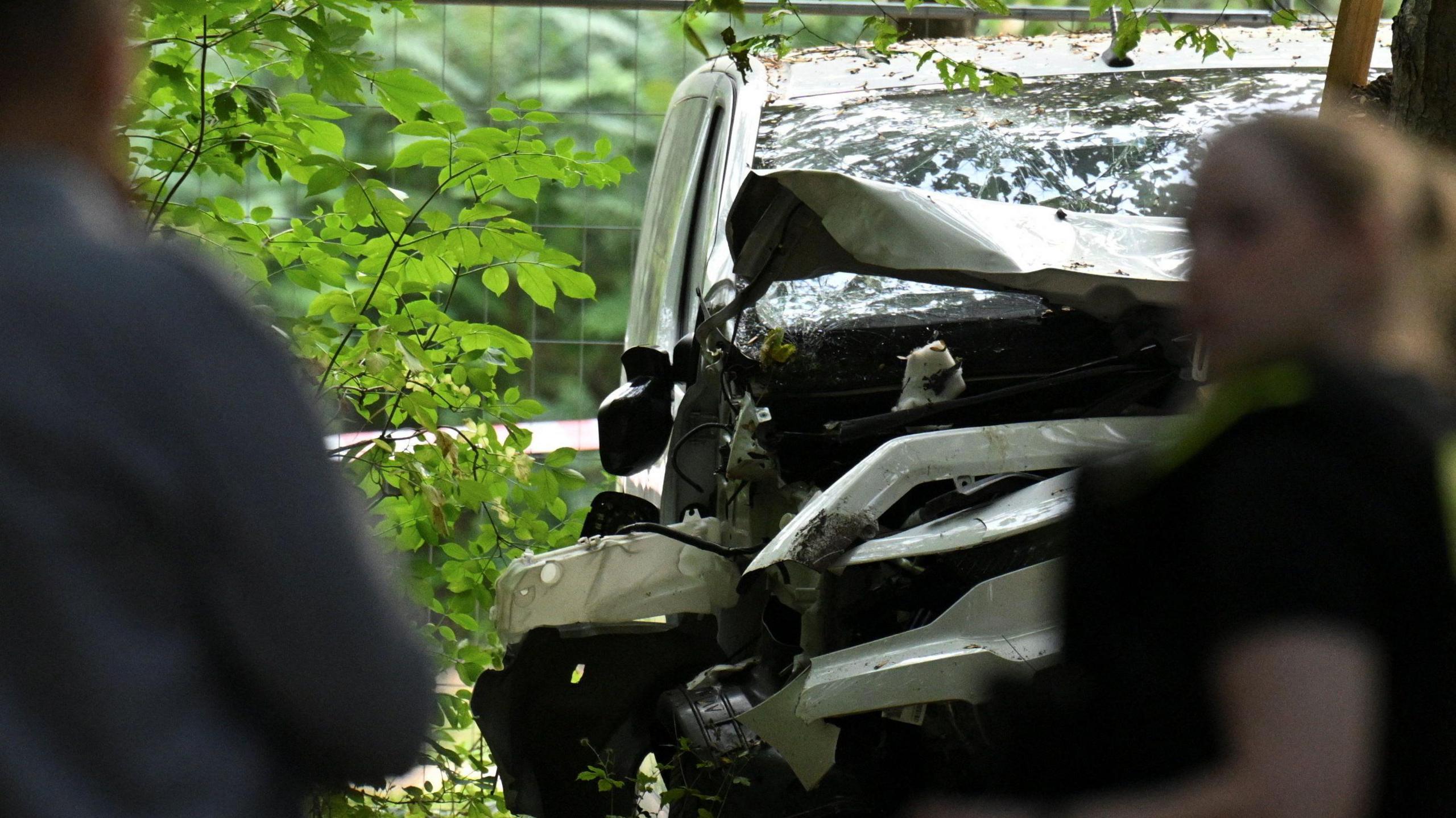
The festive atmosphere of Berlin’s Christopher Street Day, an event drawing hundreds of thousands annually, began to unravel around 22:00 local time (20:00 GMT). Revelers had gathered near the iconic Brandenburg Gate and the sprawling Tiergarten park, a traditional focal point for the culminating stages of the Pride parade. The initial reports to Berlin police indicated that a white vehicle had intentionally veered off course, plowing into pedestrians along Ahornsteig, a long path stretching through a largely forested section of the Tiergarten. Eyewitness accounts described a sudden surge of panic and chaos as the vehicle mowed through the unsuspecting crowd, leaving a trail of devastation.
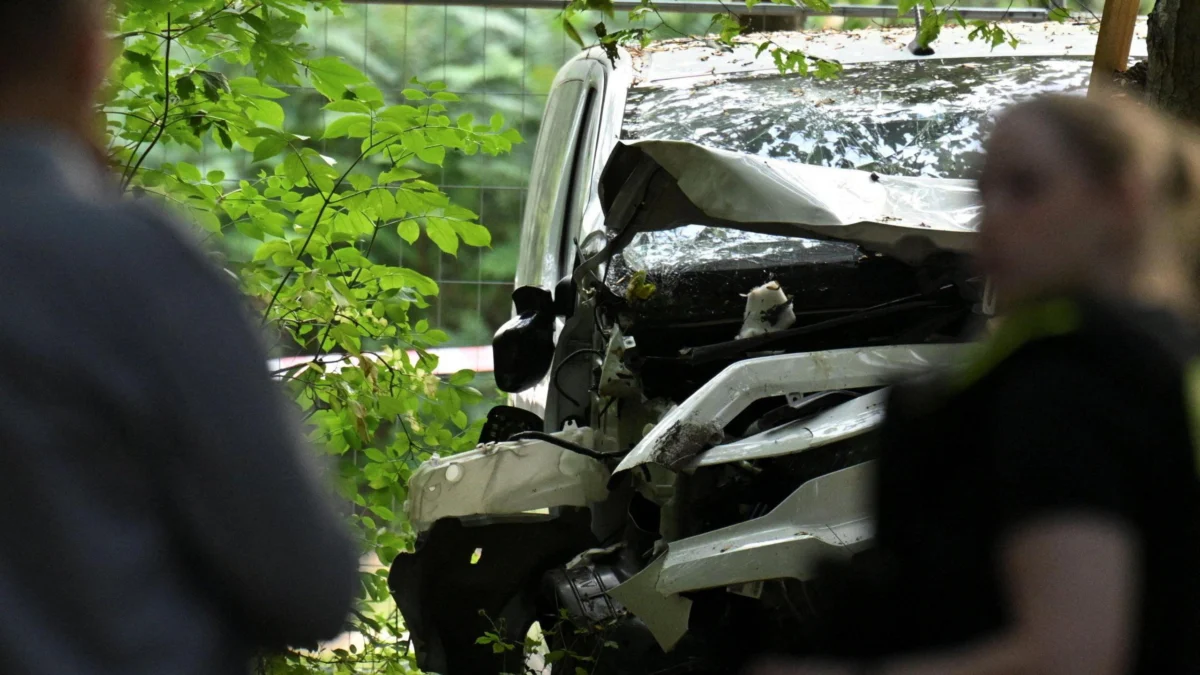
The attack unfolded with alarming speed. The vehicle, later confirmed to be the one used in the assault, subsequently crashed into a tree within the park, where it was later located by police. In the immediate aftermath, reports also emerged of individuals being injured with stabbing weapons, suggesting the possibility of additional assailants or a more complex attack dynamic beyond the vehicle ramming. This detail, confirmed by police, added another layer of urgency and danger to the unfolding crisis.
The magnitude of the incident quickly prompted event organizers to take decisive action. A performance on the main stage was abruptly halted, and organizers relayed urgent messages to the vast crowd, advising them that the event was cancelled and to begin a calm evacuation towards designated exits. The word ‘Evacuation’ was projected starkly onto a large screen, underscoring the gravity of the situation. Unverified videos circulated rapidly on social media platforms, depicting throngs of people hastily exiting the area, interspersed with the flashing lights and sirens of emergency vehicles converging on the scene.
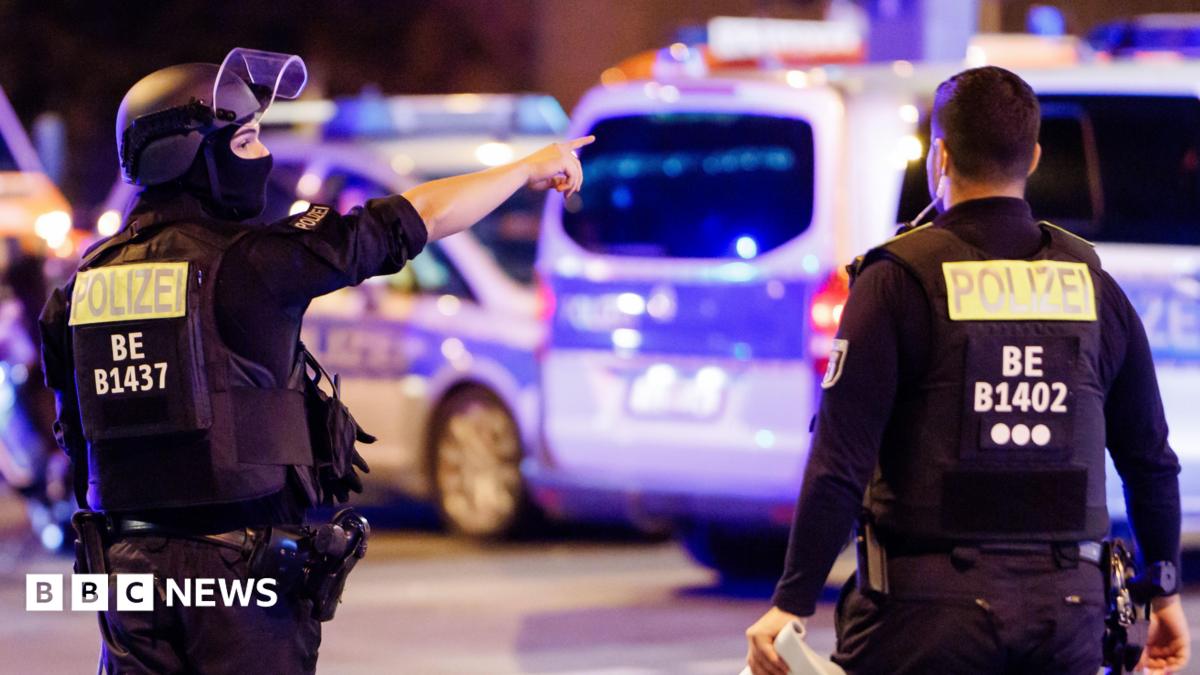
By approximately 01:00 local time on Sunday, police confirmed the grim toll: one fatality and sixteen injured. The confirmation of the vehicle’s discovery provided a crucial piece of the puzzle, allowing investigators to begin forensic analysis of the scene. The immediate focus shifted to identifying and apprehending those responsible, as the German capital braced itself for what was clearly a targeted act of violence.
The Suspect: Abdul B. and His Alleged Extremist Connections
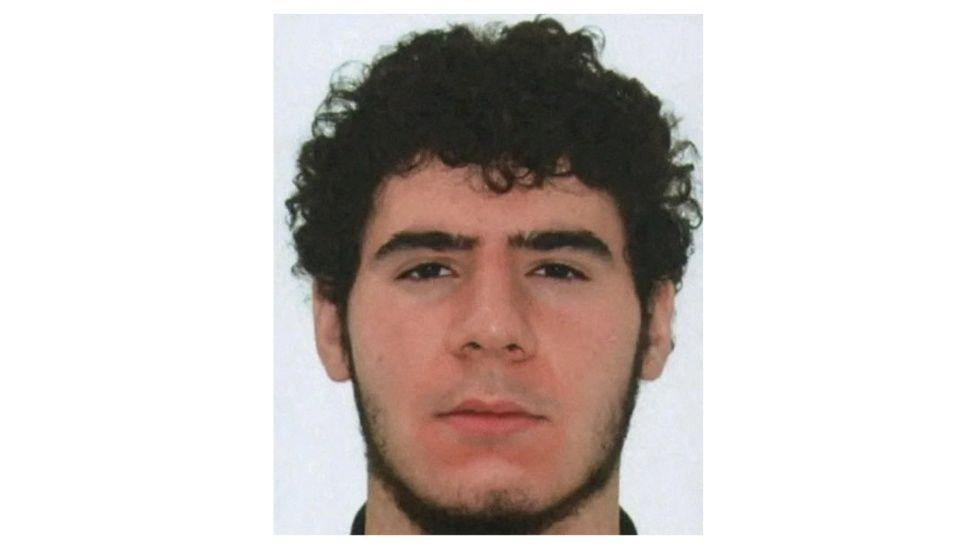
Hours after the attack, at around 03:30, Berlin police made a pivotal announcement via social media: a suspect with Islamist links had been identified. The individual was later named as 21-year-old Abdul B. (his full surname withheld in accordance with German privacy laws regarding suspects at this stage of an investigation). Police sources, cited widely in German media outlets, quickly painted a concerning picture of Abdul B.’s alleged background, indicating his known connections to Islamist circles and his reported support for the Islamic State (IS) group. Disturbingly, some reports suggested that Abdul B. had previously attempted, albeit unsuccessfully, to join the extremist organization.
Further details emerging from police investigations and media reports revealed a history that raised serious questions about the suspect’s trajectory and the efficacy of previous interventions. Abdul B. reportedly traveled to Lebanon in 2025 and was arrested upon his return to Berlin. He had been held in pre-trial detention until May 2026, a mere two months before the Pride attack. During his detention, he had reportedly been ordered to participate in a de-radicalization program, a measure designed to steer individuals away from extremist ideologies. The fact that an individual with such a history could allegedly carry out such an attack has sparked immediate debate and concern regarding Germany’s counter-terrorism strategies and the monitoring of known extremists.
While Abdul B. is believed to be connected to the vehicle found abandoned in Tiergarten, police statements have also left open the possibility of additional suspects. The mention of multiple individuals fleeing the vehicle and the use of stabbing weapons in addition to the car ramming suggest that the attack might have involved more than one perpetrator or that Abdul B. may have acted in concert with others. A public call for his arrest was issued, accompanied by an image of Abdul B. Police described him as thin, approximately 6ft 2" tall, and believed to have been wearing a black hooded top and white trousers at the time of the attack. The public has been explicitly warned not to approach Abdul B., who is considered armed and dangerous, but rather to report any sightings immediately to the authorities. The manhunt rapidly expanded across the entire city, with thousands of police officers, including reinforcements from neighboring German states, mobilized in the intensive search operation. On Sunday, police officers were seen guarding an apartment block in Berlin’s Tiergarten district, believed to be the suspect’s residence, as part of the ongoing investigation.
Christopher Street Day: A Symbol of Freedom and Resilience
The Berlin Pride event, officially known as Christopher Street Day (CSD), is far more than just a parade; it is a powerful annual demonstration for the rights and recognition of lesbian, gay, bisexual, transgender, queer, intersex, and asexual (LGBTQIA+) people. Originating in 1979, the German CSD takes its name from the Stonewall Riots of 1969, which began on Christopher Street in New York City and are widely considered the catalyst for the modern LGBTQ+ rights movement. In Berlin, CSD is one of Europe’s largest and most significant Pride events, regularly attracting hundreds of thousands of participants and spectators from across Germany and beyond.
The event traditionally culminates with a vibrant procession through central Berlin, passing historical landmarks that underscore the city’s complex history and its journey towards greater inclusivity. The route often winds through the Tiergarten, past the towering Victory Column (Siegessäule), and concludes near the iconic Brandenburg Gate, a symbol of German unity and freedom. These locations, now indelibly marked by Saturday’s violence, represent not only the heart of Berlin but also the democratic values that the CSD seeks to uphold: freedom of expression, dignity, and equality for all. The attack, therefore, was not just on a gathering of individuals but on the very principles that the event embodies, striking at a community that has historically faced discrimination and violence. The choice of location, a public celebration of identity and diversity, suggests a deliberate intent to maximize terror and sow division.
Widespread Condemnation and Calls for Solidarity
The attack swiftly drew a torrent of condemnation from political leaders both within Germany and across Europe, who united in expressing their outrage and solidarity with the victims and the LGBTQ+ community. German Chancellor Friedrich Merz immediately labeled the incident a "heinous" attack, not just on the individuals present but on the fabric of German society itself. His words underscored the gravity of the assault and the national resolve to confront such acts of extremism.
European Commission President Ursula von der Leyen expressed profound sympathy for the victims, emphasizing that the Pride event stands for "freedom, dignity, and equality – the fundamental values of the EU." Writing on social media, she powerfully articulated the sentiment that "Every person should be able to live, love, and stand up for their rights without fear." Her statement highlighted the broader European commitment to human rights and the protection of vulnerable communities.
Expressions of solidarity poured in from other European capitals. Rob Jetten, Prime Minister of the Netherlands, declared that the Dutch stand "shoulder to shoulder with our German neighbours," a sentiment echoed by Italy’s Prime Minister Giorgia Meloni, who conveyed her "solidarity and sincere sympathy." From the United Kingdom, Defence Secretary Wes Streeting described the incident as "an absolutely horrific disaster," extending his thoughts and prayers to the German people.
Beyond national leaders, LGBTQ+ advocacy groups and human rights organizations across Europe have voiced their profound sorrow and anger. They have called for increased vigilance, stronger protections for the LGBTQ+ community, and a renewed commitment to combating hate and extremism in all its forms. Many organizations reiterated that such attacks, while terrifying, would not deter their ongoing fight for equality and acceptance, emphasizing the resilience and unity of the global Pride movement. The Mayor of Berlin also released a statement, expressing shock and grief, and promising full support for the victims and a thorough investigation to bring all perpetrators to justice.
Broader Implications and the Road Ahead
The Berlin Pride attack carries significant implications for Germany’s internal security landscape and its ongoing battle against radicalization. The alleged involvement of an individual with known Islamist ties, who had recently undergone a de-radicalization program, raises critical questions about the effectiveness of current intervention strategies and the challenges of monitoring individuals deemed a threat. German intelligence and law enforcement agencies will face intense scrutiny regarding their protocols for managing individuals with extremist histories, especially those who have been released from detention. This incident underscores the persistent threat posed by lone actors or small cells radicalized by extremist ideologies, capable of executing devastating attacks with minimal planning.
For the LGBTQ+ community in Germany and across Europe, the attack is a painful reminder of the persistent vulnerability to targeted violence. Pride events, traditionally spaces of joyous self-expression and community solidarity, are also symbolic targets for those who reject diversity and inclusion. The incident will undoubtedly prompt a re-evaluation of security measures at future large-scale public gatherings, particularly those associated with marginalized communities. However, the overwhelming response of solidarity from political leaders and the public also signals a strong societal rejection of such hatred, reinforcing the message that these values will not be intimidated.
The investigation into Abdul B. and the potential for additional suspects will be crucial in understanding the full scope of the plot and preventing future attacks. The ongoing manhunt serves as a stark reminder of the immediate danger posed by the perpetrator(s) still at large. The outcome of this investigation will not only bring justice to the victims but will also inform future counter-terrorism strategies and public safety measures. It is a moment for Germany, and indeed Europe, to reaffirm its commitment to protecting its citizens and upholding the democratic principles of tolerance and freedom against those who seek to undermine them through violence and fear. The resilience of the human spirit and the unwavering commitment to the values of freedom and equality will be tested, but ultimately, they are expected to prevail.
Authorities continue to urge anyone with information regarding Abdul B. or the attack to come forward. Members of the public are reminded to exercise caution and contact the police immediately if they have any relevant details, but under no circumstances should they attempt to engage with the suspect, who is considered dangerous.