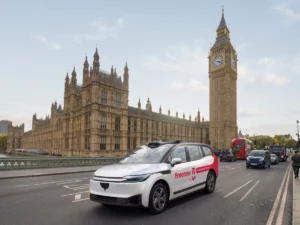


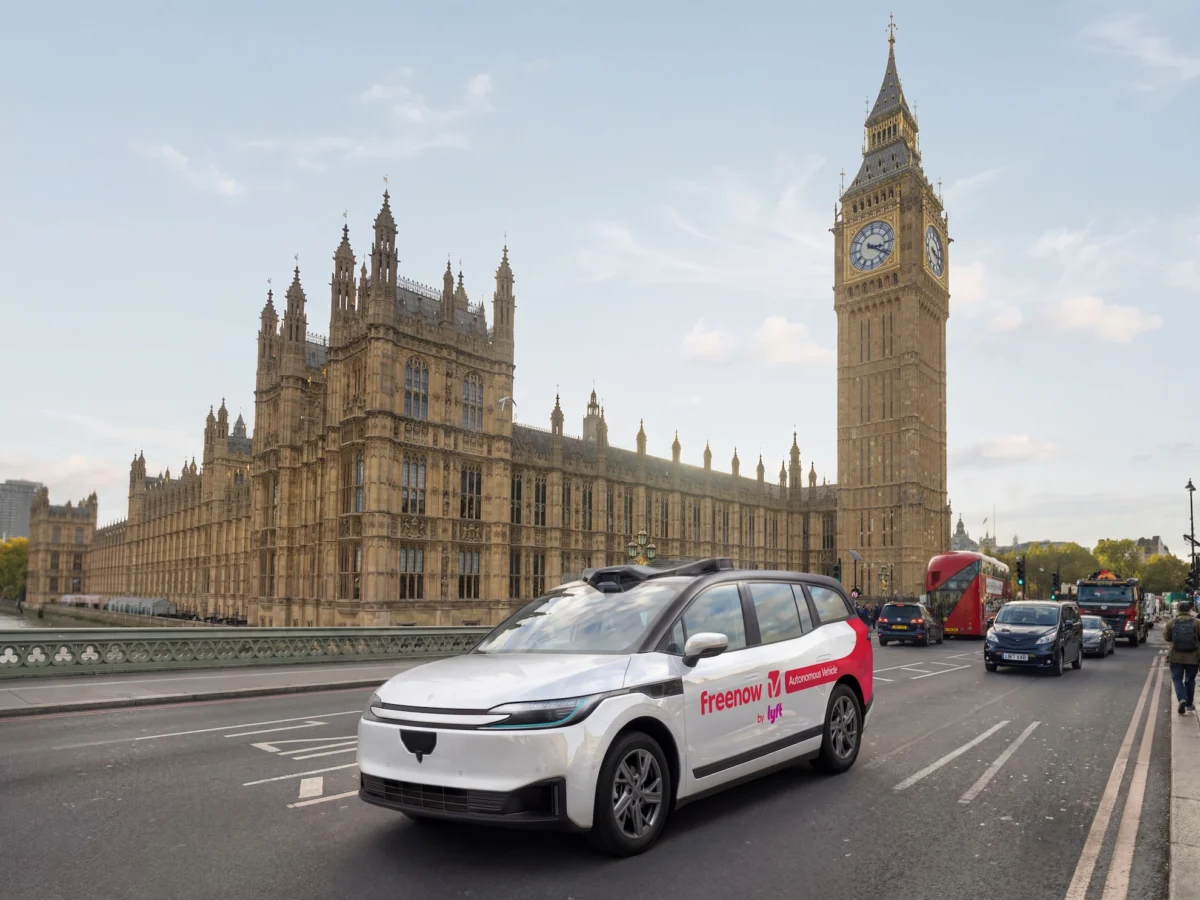
Chinese technology behemoth Baidu has officially commenced testing its autonomous vehicles on the streets of London, marking a significant escalation in the race to deploy commercial robotaxi services across Europe. This ambitious move is part of a strategic partnership with Lyft, the prominent American ride-hailing company, and Freenow, the German taxi and multi-mobility application that Lyft acquired in 2025 for approximately $197 million. The initiation of these tests on Tuesday, conducted with human safety operators onboard, comes nearly a year after the tripartite alliance was forged with the explicit goal of deploying Baidu’s purpose-built Apollo Go RT6 robotaxi across key European markets via the Lyft platform, with eventual integration into the Freenow app.
Baidu’s London Debut: A New Chapter for Autonomous Mobility
Baidu’s entry into the bustling London urban environment represents a pivotal moment for the company’s global autonomous driving ambitions. Known for its extensive "Apollo Go" robotaxi service in China, Baidu brings a wealth of experience and a robust technological stack to the European stage. The Apollo Go RT6, a sixth-generation fully autonomous vehicle, is specifically designed for ride-hailing operations, emphasizing passenger comfort, safety, and operational efficiency. Its deployment in London, even in a testing phase, signals a clear intent to replicate its success from cities like Wuhan and Chongqing, where its robotaxis have already completed millions of rides. The decision to begin testing with human safety operators is a standard industry practice, ensuring continuous oversight and data collection while the vehicles adapt to the unique complexities of London’s traffic patterns, road infrastructure, and diverse weather conditions. This cautious yet determined approach underscores the industry’s commitment to safety and regulatory compliance as it pushes the boundaries of autonomous technology.
The Strategic Alliance: Baidu, Lyft, and Freenow’s European Vision
The collaboration between Baidu, Lyft, and Freenow is a meticulously crafted strategy to penetrate and dominate the nascent European robotaxi market. Each partner brings distinct strengths to the table, creating a formidable alliance.
Baidu’s Apollo Go: A Global Player’s European Foray
Baidu has invested heavily in its Apollo autonomous driving platform for over a decade, establishing itself as a global leader in self-driving technology. The Apollo platform, known for its open-source nature, has attracted numerous partners and fostered rapid development. In China, Baidu’s Apollo Go operates the world’s largest fully driverless robotaxi service area, offering valuable insights into scalable deployment, operational logistics, and consumer interaction. Bringing the Apollo Go RT6 to London is not just about testing technology; it’s about demonstrating the viability and maturity of Baidu’s solution in one of the world’s most challenging and iconic urban landscapes. This move could significantly enhance Baidu’s international credibility and accelerate its expansion beyond its domestic market.
Lyft’s European Expansion Through Freenow
For Lyft, the partnership is a crucial component of its broader European expansion strategy. Historically, Lyft’s operations have been concentrated in North America, where it competes fiercely with Uber. The acquisition of Freenow in 2025 for approximately $197 million was a strategic masterstroke, providing Lyft with an immediate and substantial foothold in Europe’s diverse ride-hailing and multi-mobility market. Freenow, with its established network of taxi and private-hire vehicle drivers across numerous European cities, offers a ready-made platform for integrating autonomous services. This acquisition allows Lyft to bypass the arduous process of building a European presence from scratch, leveraging Freenow’s brand recognition, existing customer base, and regulatory relationships. The integration of Baidu’s robotaxis into Freenow’s platform, rebranded as "Freenow by Lyft," is designed to future-proof its offerings and position it at the forefront of the autonomous mobility revolution in Europe.
London: The Epicenter of Europe’s Robotaxi Race
London is rapidly emerging as a critical battleground for autonomous vehicle companies seeking to launch commercial robotaxi services. The city’s status as a global financial and cultural hub, coupled with its dense population and complex urban infrastructure, presents both immense challenges and unparalleled opportunities for AV developers.
Key Competitors: Waymo, Uber, and Wayve
Baidu and Freenow are not alone in their London ambitions. The city has attracted several other major players, each vying for a leading position.
- Waymo: A subsidiary of Alphabet (Google’s parent company) and widely considered a pioneer in autonomous driving, Waymo initiated its own testing in London with human safety operators in April. With a track record of commercial robotaxi operations in cities like Phoenix and San Francisco, Waymo brings extensive experience and a highly refined technology stack. Its presence in London underscores the city’s strategic importance in the global AV landscape.
- Uber and Wayve: Ride-hailing giant Uber has partnered with Wayve, a UK-based autonomous vehicle startup known for its innovative "end-to-end deep learning" approach. They announced plans to launch a robotaxi service in London this year, initially with human safety operators. Customers can already sign up for an interest list, indicating the companies’ readiness to engage the public. Wayve’s technology, which focuses on learning from real-world driving data rather than relying solely on pre-programmed rules, offers a distinct approach to autonomous driving, potentially allowing for faster adaptation to diverse urban environments.
The intense competition among these well-funded companies highlights the perceived value and future potential of the London market. Each player brings a unique technological approach, business model, and strategic partnership, setting the stage for a fascinating technological and commercial showdown. The stakes are high, with the first mover in London potentially gaining a significant competitive advantage in terms of regulatory approval, public trust, and market share.
Why London? A Prime Location for AV Innovation
Several factors contribute to London’s appeal as a hub for autonomous vehicle testing and deployment:
- Dense Urban Environment: London’s intricate road network, diverse traffic conditions (including iconic double-decker buses, black cabs, and cyclists), and variable weather provide a rigorous testing ground for AV technology, pushing systems to their limits. Successfully navigating London’s complexity would be a strong validation of an AV system’s capabilities.
- High Demand for Mobility Services: As a sprawling metropolis with millions of daily commuters, London presents a vast potential market for ride-hailing services. Robotaxis could offer a more efficient, cost-effective, and potentially safer alternative to traditional taxis and private-hire vehicles.
- Progressive Regulatory Landscape: The UK government has demonstrated a clear intent to foster innovation in the autonomous vehicle sector. While regulations are still evolving, the proactive stance from authorities provides a clearer pathway for development and deployment compared to some other regions.
- Strong Tech and Innovation Ecosystem: London boasts a vibrant tech scene, attracting talent and investment. This ecosystem supports the development of AV technology, from AI and software engineering to sensor development and mapping.
- Public and Political Support: There is a general recognition within the UK of the economic and societal benefits that autonomous vehicles could bring, including improved road safety, reduced congestion, and enhanced accessibility.
Navigating the Regulatory Landscape: UK’s Path to Autonomous Vehicles
The successful deployment of robotaxis in London hinges significantly on navigating the evolving regulatory framework in the United Kingdom. The UK government has been actively working to establish a comprehensive and supportive legislative environment for autonomous vehicles, aiming to position the country as a global leader in this transformative technology.
Government Initiatives and Oversight
The UK government, through bodies like the Department for Transport (DfT) and the Centre for Connected and Autonomous Vehicles (CCAV), has been instrumental in shaping policies that encourage AV innovation while prioritizing safety. A landmark "Autonomous Vehicles Bill" is currently making its way through Parliament, designed to provide a legal framework for self-driving vehicles on public roads. This legislation is expected to address critical aspects such as liability in the event of an accident, safety standards for AV technology, and the roles and responsibilities of manufacturers and operators.
In May, the government further demonstrated its commitment by opening applications for an AV pilot program. This initiative allows companies to test self-driving vehicles under direct government oversight, providing a structured and regulated environment for data collection and validation. Such programs are vital for building public trust and refining the regulatory requirements before widespread commercial deployment. Baidu, Lyft, and Freenow are actively engaging in discussions with key regulatory bodies, including Transport for London (TfL) and the CCAV, to ensure their testing and eventual operational plans align with all local and national guidelines.
Local Engagement and Safety Protocols
Beyond national legislation, local authorities like Transport for London (TfL) play a crucial role in regulating mobility services within the city. TfL is responsible for traffic management, public transport, and licensing for private-hire vehicles and taxis. Their involvement ensures that autonomous vehicle operations integrate seamlessly into London’s existing transport network and do not disrupt urban flow or compromise public safety. The initial testing in the borough of Brent allows for a contained environment to gather localized data and address any specific challenges presented by that area’s infrastructure and traffic patterns. This phased approach, starting with limited operational design domains and gradually expanding, is key to responsible AV deployment.
The Hybrid Model: Balancing Innovation with Incumbency
Both Freenow by Lyft and its rival Uber have articulated a strategy for a "hybrid network" when their robotaxi services eventually launch. This model envisions autonomous vehicles operating alongside human-driven taxis and private-hire vehicles.
Integrating Robotaxis into Existing Transport Networks
The hybrid approach offers several advantages. Firstly, it allows for a gradual transition to autonomous mobility, easing the public into the new technology. In the initial phases, robotaxis might serve specific routes or areas, while human drivers continue to cover the broader service area or handle complex scenarios that AVs are not yet equipped to manage. This ensures service reliability and availability, especially during peak demand or in areas where AV coverage might be limited. Secondly, it provides a flexible solution for ride-hailing platforms, allowing them to optimize fleet utilization and passenger matching based on real-time demand and the capabilities of available vehicles, whether human-driven or autonomous.
As Thomas Zimmermann, CEO of Freenow by Lyft, stated, "As a platform with deep roots in the taxi industry, our priority is ensuring that autonomous technology supports the professional drivers who keep London moving." This statement highlights a key aspect of the hybrid model: acknowledging and addressing the concerns of existing professional drivers.
Addressing Driver Concerns and Public Acceptance
The introduction of autonomous vehicles inevitably raises questions about the future of human drivers in the ride-hailing and taxi industries. The hybrid model seeks to mitigate these concerns by presenting robotaxis as a complementary service rather than an immediate replacement. This approach could involve redeploying drivers to areas not yet covered by AVs, engaging them in fleet management or support roles for robotaxi operations, or focusing on premium services where human interaction remains valued. Building public trust is paramount for the widespread adoption of robotaxis. The initial presence of human safety operators, transparent communication about testing procedures, and a demonstrated commitment to safety are crucial. Public acceptance will also be influenced by the perceived benefits of robotaxis, such as enhanced safety (eliminating human error), increased accessibility, and potentially lower fares due to reduced operational costs. The 2027 target for public access, subject to regulatory approval, indicates a measured approach to market entry, allowing sufficient time for technology refinement, regulatory alignment, and public engagement.
The Road Ahead: Challenges and Opportunities for Commercial Deployment
While the commencement of testing is a significant milestone, the path to widespread commercial robotaxi deployment in London and other European cities is fraught with challenges and opportunities.
Technological Refinement and Safety Standards
Despite rapid advancements, autonomous vehicle technology continues to evolve. Overcoming "edge cases" – rare, unpredictable scenarios that AVs struggle to interpret – remains a key challenge. These can include unusual road debris, unexpected human behavior, or extreme weather conditions. Continuous testing, data collection, and AI model refinement are essential to enhance the vehicles’ perception, prediction, and planning capabilities. Furthermore, establishing rigorous and universally accepted safety standards for autonomous vehicles is critical. Regulators globally are grappling with how to certify the safety of systems that operate without human intervention, requiring new frameworks for testing, validation, and oversight. The UK’s pilot program is a step in this direction, fostering collaboration between industry and government to define these standards.
Economic and Societal Impact
The advent of robotaxis promises significant economic and societal benefits. Economically, autonomous fleets could lead to substantial reductions in operational costs, lower fares for consumers, and increased vehicle utilization. This could spur new business models and create jobs in areas like fleet maintenance, remote monitoring, and data analysis. Societally, robotaxis have the potential to enhance road safety by eliminating human error, which is a factor in over 90% of all road accidents. They could also improve accessibility for individuals unable to drive, reduce traffic congestion through optimized routing and platooning, and contribute to cleaner urban environments by facilitating the adoption of electric autonomous vehicles. However, these benefits must be weighed against potential disruptions to employment in the driving sector and the need to ensure equitable access to these new services.
Conclusion: Shaping the Future of Urban Transportation
Baidu’s entry into the London autonomous vehicle testing arena, in partnership with Lyft and Freenow, marks a pivotal moment in the global race for robotaxi commercialization. It underscores London’s strategic importance as a proving ground for advanced mobility solutions and intensifies the competition among leading tech and automotive players. As the UK government actively develops a supportive regulatory framework and companies push technological boundaries, the vision of fully autonomous ride-hailing services in major urban centers moves closer to reality. The "hybrid network" model, combining human drivers with robotaxis, appears to be the preferred approach for a gradual and responsible transition, aiming to integrate innovation while addressing the concerns of existing industry stakeholders and building public trust. The road to widespread deployment by 2027, as projected, will undoubtedly present further technical, regulatory, and societal hurdles, but the foundational work being laid today in London is set to profoundly reshape the future of urban transportation.