


The financial performance of MGM Resorts International in the second quarter of the fiscal year has unveiled a stark divergence in the Las Vegas tourism economy, highlighting a widening gap between the high-end luxury market and the value-oriented segment. While the top tier of the hospitality giant’s portfolio continues to command record prices and high demand, the "everything else" category—consisting of mid-tier and budget-friendly properties—is facing significant headwinds as the typical middle-class traveler remains cautious. This trend, characterized by executives as a shortage of the "value customer," suggests that while the wealthy continue to spend on premium experiences, the broader economic pressures of inflation and rising travel costs are beginning to weigh on the traditional Las Vegas visitor.
A Tale of Two Economies: Luxury vs. Value
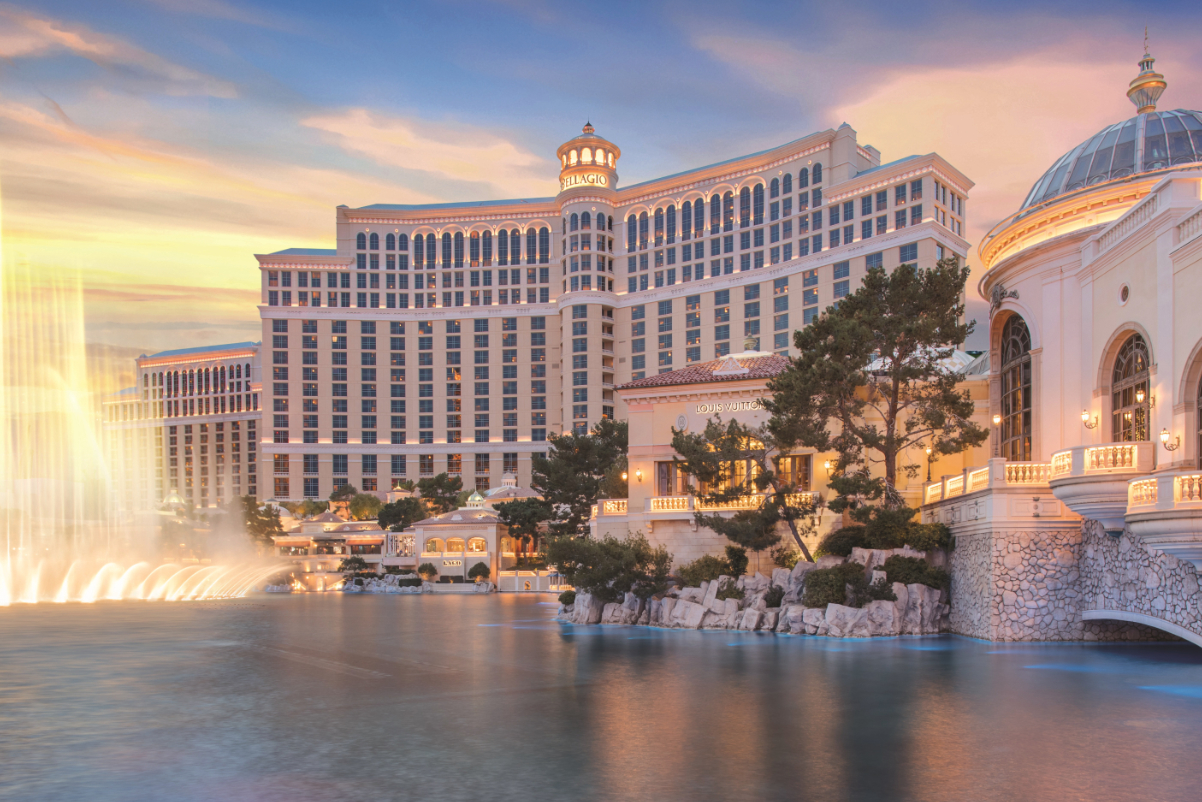
During the recent earnings call for the second quarter, MGM Resorts’ leadership provided a candid assessment of the current state of the Las Vegas Strip. The data presented illustrated a "K-shaped" recovery within the city’s hospitality sector. On one end, luxury properties like the Bellagio, ARIA, and the recently integrated Cosmopolitan of Las Vegas are seeing robust activity. These venues cater to high-net-worth individuals, international tourists, and corporate convention-goers who appear relatively insulated from broader economic volatility.
In contrast, the lower end of the segment, specifically properties such as Luxor and Excalibur, are experiencing a notable slowdown. Ayesha Khanna Molino, MGM’s Chief Operating Officer, noted during the earnings presentation that while strength in the luxury segment remains remarkably resilient, the budget-conscious properties "remain challenged." This sentiment was echoed by CEO Bill Hornbuckle, who pointed out that the city is currently lacking its full complement of value-driven visitors—those travelers from cities like Cleveland, Ohio, or Calgary, Alberta, who typically book mid-priced rooms, dine at moderately priced restaurants, and purchase tickets for mid-tier entertainment.
Analyzing the Performance Metrics
The quantitative data for the second quarter provides a clearer picture of this economic split. Strip-wide occupancy for MGM properties remained stable at approximately 93%. While this figure suggests that the rooms are being filled, the financial yield per room tells a different story. The average daily rate (ADR) across the company’s Las Vegas portfolio fell by 4% compared to the same period last year, landing at $242.
This decline in ADR is particularly telling when viewed through the lens of property segmentation. At high-end resorts, ADRs have largely held firm or increased due to the demand for premium suites and luxury amenities. However, to maintain high occupancy levels at properties like Excalibur or Luxor, the company has had to implement more aggressive pricing strategies and promotions, which has dragged down the overall average for the Strip.
Revenue per available room (RevPAR) followed a similar trend, as the company balanced the need to keep rooms occupied with the reality of a price-sensitive consumer base. The "value customer," who was a primary driver of the post-pandemic surge in 2021 and 2022, is now facing higher interest rates, increased credit card debt, and the lingering effects of inflation on everyday goods, leaving less discretionary income for a weekend in Nevada.
Chronology of the Las Vegas Recovery (2021–2024)
To understand the current divergence, it is necessary to examine the timeline of the Las Vegas tourism recovery since the global pandemic.
- 2021: The Reopening Surge. Following the lifting of travel restrictions, Las Vegas experienced an unprecedented wave of "revenge travel." Travelers across all demographics flocked to the Strip, fueled by government stimulus and pent-up demand. During this phase, both luxury and value properties saw record occupancy and rising rates.
- 2022: The Transition to Normalcy. The market began to stabilize, but demand remained high. This year saw the return of major conventions and the beginning of Las Vegas’s transformation into a global sports capital, with the arrival of the Las Vegas Raiders and the success of the Vegas Golden Knights.
- 2023: The Year of the Mega-Event. 2023 was a banner year for the Strip, highlighted by the inaugural Formula 1 Las Vegas Grand Prix and the anticipation of the Super Bowl. These events pushed ADRs to historic highs, particularly in the luxury segment. However, toward the end of the year, signs of a slowdown in the value segment began to emerge as the initial post-pandemic travel boom waned.
- Q2 2024: The Current Divergence. The latest results confirm that the market has split. The high-end segment is sustained by a calendar of premium events and a wealthy clientele, while the mid-market is struggling to find its footing amidst a cooling macro-economy.
The Missing "Value Customer" and the Regional Impact
The absence of the value customer has implications that extend beyond room rates. Historically, the mid-tier visitor has been the backbone of the Las Vegas "grind" business—the consistent flow of traffic into casinos, casual dining outlets, and secondary entertainment shows. When these visitors stay home or choose more affordable regional destinations, it impacts the secondary revenue streams that MGM and other operators rely on.
Bill Hornbuckle’s mention of travelers from Cleveland and Calgary is symbolic of the broader North American middle class. These are visitors who must factor in the cost of airfare, which has remained elevated, alongside the cost of a hotel room. For a family or a couple from the Midwest or Canada, the total cost of a Las Vegas vacation has increased significantly over the past three years. When the cost of a "value" vacation begins to approach the price of an international trip or a cruise, the competitive landscape shifts.
Furthermore, the gaming floor dynamics are changing. Luxury guests often focus on high-limit tables or exclusive lounge experiences, whereas the value customer typically occupies the slot machines and lower-minimum tables. A reduction in the latter demographic can lead to quieter casino floors during midweek periods, forcing operators to reconsider their staffing and promotional schedules.
Strategic Responses and Official Outlook
In response to these trends, MGM Resorts is focusing on its strengths in the luxury and international markets. The company has leaned heavily into its partnership with Marriott International, which allows members of the Marriott Bonvoy loyalty program to earn and redeem points at MGM properties. This partnership is designed to funnel high-value travelers into the MGM ecosystem, particularly those who might have previously stayed at non-gaming luxury hotels.
"We are focused on what we can control," Hornbuckle stated during the earnings call. This includes optimizing the mix of business between groups, conventions, and leisure travelers. The company is also betting big on the "event-driven" model. By hosting major residencies, high-profile sporting events, and massive trade shows, MGM can guarantee high occupancy and premium rates at its flagship properties, even if the lower-tier hotels require more promotional support.
Industry analysts suggest that MGM may also look at targeted capital expenditures. While the Bellagio and ARIA have seen consistent investment, the challenge for MGM will be how to refresh and reposition properties like Luxor and Excalibur to appeal to a modern "value" traveler who expects more than just a low price point.
Broader Economic Implications for the Strip
The divergence seen in MGM’s results is not an isolated incident but rather a reflection of broader economic trends impacting the entire Las Vegas Strip. Competitors like Caesars Entertainment and Wynn Resorts are likely observing similar patterns. The "K-shaped" consumer behavior is a phenomenon being reported across the travel and retail sectors: brands that cater to the very wealthy are thriving, while those in the middle are being squeezed.
The implications for the Las Vegas labor market are also significant. The Strip is one of the largest employers in Nevada, and a sustained downturn in the value segment could lead to a reduction in hours for service workers in housekeeping, food and beverage, and gaming. Conversely, the demand for high-end service remains high, leading to a competitive market for specialized hospitality staff.
Moreover, this trend may accelerate the "gentrification" of the Las Vegas Strip. If operators find that luxury is the only consistent growth area, future developments may skew even further toward ultra-premium offerings, potentially alienating the budget-conscious traveler who was once the target demographic of the city.
Future Outlook: A Balanced Recovery?
Looking ahead to the remainder of 2024 and into 2025, the key question for MGM Resorts and the Las Vegas tourism industry is whether the value customer will return. Several factors could influence this:
- Interest Rates: If the Federal Reserve begins to cut interest rates, it could ease the pressure on household budgets, potentially freeing up discretionary income for travel.
- Airfare Trends: A stabilization or decrease in domestic and international airfares would make Las Vegas a more attractive "quick getaway" destination once again.
- Convention Growth: A strong convention calendar can help fill mid-tier rooms during the week, providing a buffer when leisure travel from the value segment is low.
- International Travel: The full return of visitors from Asia and Europe, who often stay longer and spend more than domestic travelers, could provide a boost across all property tiers.
While the "very top end" remains the engine of MGM’s current success, a healthy Las Vegas requires a diverse ecosystem. The city was built on the premise that it could offer something for everyone—from the high roller in a penthouse to the family looking for an affordable adventure. The second-quarter results from MGM Resorts serve as a reminder that the path to a full, balanced recovery is still ongoing, and the "value customer" remains the missing piece of the puzzle. As the company navigates the latter half of the year, its ability to bridge the gap between its luxury triumphs and its value challenges will be the ultimate measure of its resilience in a shifting economic landscape.