

The Texas Gulf Coast, a dynamic interface of land, sea, and atmosphere, recently served as a crucial launchpad for scientific inquiry as students from NASA’s esteemed Student Airborne Research Program (SARP) concluded their intensive summer session on July 27. Amidst the challenging, gusty winds typical of the coastal environment, undergraduate participants meticulously prepared and released a critical scientific instrument: an ozonesonde. This specialized balloon-borne sensor ascended into the upper reaches of the atmosphere, diligently collecting vital data on ozone concentrations—a cornerstone measurement in understanding Earth’s intricate atmospheric chemistry and climate systems. The successful deployment marked a pivotal hands-on experience for a cohort of aspiring scientists, underscoring SARP’s commitment to fostering practical research skills and nurturing the future leaders of Earth system science.
Unveiling Atmospheric Secrets: The Ozonesonde Mission
The release of the ozonesonde, a moment of focused intensity for the SARP students, symbolized the direct engagement with real-world scientific challenges that defines the program. These balloons, far larger than typical weather balloons, require careful handling, particularly in adverse weather conditions. Their mission is critically important: to profile ozone levels from the surface to the stratosphere. Ozone, a molecule composed of three oxygen atoms (O3), plays a dual role in our atmosphere. In the stratosphere, approximately 10 to 50 kilometers above Earth’s surface, it forms the ozone layer, which absorbs harmful ultraviolet (UV) radiation from the sun, protecting life on Earth. Conversely, in the troposphere (the lowest part of the atmosphere, where we live), ground-level ozone is a key component of smog, a hazardous air pollutant that can cause respiratory problems and damage ecosystems.
The ozonesonde, typically an electrochemical concentration cell (ECC) coupled with a GPS radiosonde, measures ozone by drawing ambient air through a potassium iodide solution. As ozone reacts with the solution, it generates an electrical current directly proportional to the ozone concentration. This data, transmitted in real-time back to ground stations, provides high-resolution vertical profiles of ozone, indispensable for validating satellite observations, improving atmospheric models, and monitoring air quality trends. For the SARP students, guided by seasoned instrument scientists and university professors, the process involved not only the physical challenge of managing the large balloon during inflation but also the precise chemical treatment of the sensor cells—a meticulous task that ensures data accuracy. Their direct involvement, from preparation to release and subsequent data monitoring, offered an unparalleled glimpse into the rigorous methodology of atmospheric field research.
NASA’s SARP: Cultivating Future Earth Scientists
The Student Airborne Research Program (SARP) is a cornerstone initiative within NASA’s Early Career Research Program, designed to provide undergraduate students with a comprehensive, eight-week, hands-on research experience in Earth system science. This year’s cohort comprised 48 undergraduate students, selected from a highly competitive national applicant pool, reflecting diverse academic backgrounds and institutions. Among them, a dozen students were directly immersed in atmospheric field research, contributing to the critical data collection efforts on the Texas Gulf Coast.
SARP’s overarching goal is to expose students to the full lifecycle of a scientific campaign, from experimental design and data collection to analysis and presentation of findings. The program strategically assigns each student to one of four core disciplines: atmospheric science, oceans, terrestrial ecology, or hydrology. This interdisciplinary approach reflects the integrated nature of Earth system science, where phenomena in one domain often have profound impacts on others. Students not only gather field data pertinent to their assigned discipline but also embark on designing individual research projects, fostering critical thinking and scientific independence. A key aspect of their training involves cross-checking their measurements with data acquired from NASA satellite missions, thereby integrating ground-truth observations with remote sensing capabilities—a practice essential for robust scientific validation.
Yaitza Luna-Cruz, program manager for NASA’s Early Career Research Program at NASA Headquarters in Washington, emphasized the unique value proposition of SARP. "This research program is a unique experience for students where they have the opportunity to see the different careers related to Earth system science," Luna-Cruz stated, highlighting the program’s role in career exploration and development. This sentiment resonates deeply with students like Marin Stevens, a chemistry student from the University of Colorado at Colorado Springs, who, minutes after releasing an ozonesonde, remarked, "This is such an awesome experience. It’s way beyond what I would have expected." Such testimonials underscore the transformative impact of direct, experiential learning, moving beyond theoretical classroom knowledge to practical application in complex scientific environments.
A Journey Through Scientific Rigor: Program Chronology
The eight-week SARP curriculum is meticulously structured to provide a holistic and progressive learning experience. The program typically commences with an intensive orientation phase, often held at a central hub like NASA’s Armstrong Flight Research Center or similar facilities, where students receive foundational training in safety protocols, instrument operations, and data analysis techniques relevant to airborne science.
The initial weeks are dedicated to foundational field research, often geographically segmented to leverage specific regional characteristics. The Texas Gulf Coast phase, as highlighted by the ozonesonde launches, focused primarily on atmospheric investigations. Here, students gained firsthand experience with meteorological instruments, atmospheric profiling techniques, and the challenges of environmental sampling. Following this foundational period, the cohort strategically divides into two groups. This year, half of the students traveled to research sites in California, while the other half proceeded to Virginia. These diverse geographical locations offer distinct ecological, oceanic, and hydrological environments, allowing students to delve deeper into their specialized disciplines. For instance, California sites might focus on terrestrial ecology, examining drought impacts or forest health using airborne spectroscopy, or oceanic studies, analyzing coastal upwelling and marine productivity. Virginia, with its extensive coastline and estuaries, would similarly provide rich opportunities for hydrology and coastal oceanography research, potentially investigating water quality, sediment transport, or marshland dynamics.
Throughout these field campaigns, students work under the direct guidance of a multidisciplinary team comprising instrument scientists, university professors, and graduate student mentors. This mentorship model is crucial, providing personalized instruction, fostering collaborative problem-solving, and offering insights into academic and professional pathways. The culmination of the program involves students designing and executing their individual research projects, utilizing the data they collected, alongside historical datasets or satellite observations. The program concludes with students formally presenting their findings, often in a symposium format, simulating professional scientific conferences. This final step not only hones their communication skills but also reinforces their understanding of the scientific process from inception to dissemination.
Airborne Science: A Unique Observational Platform
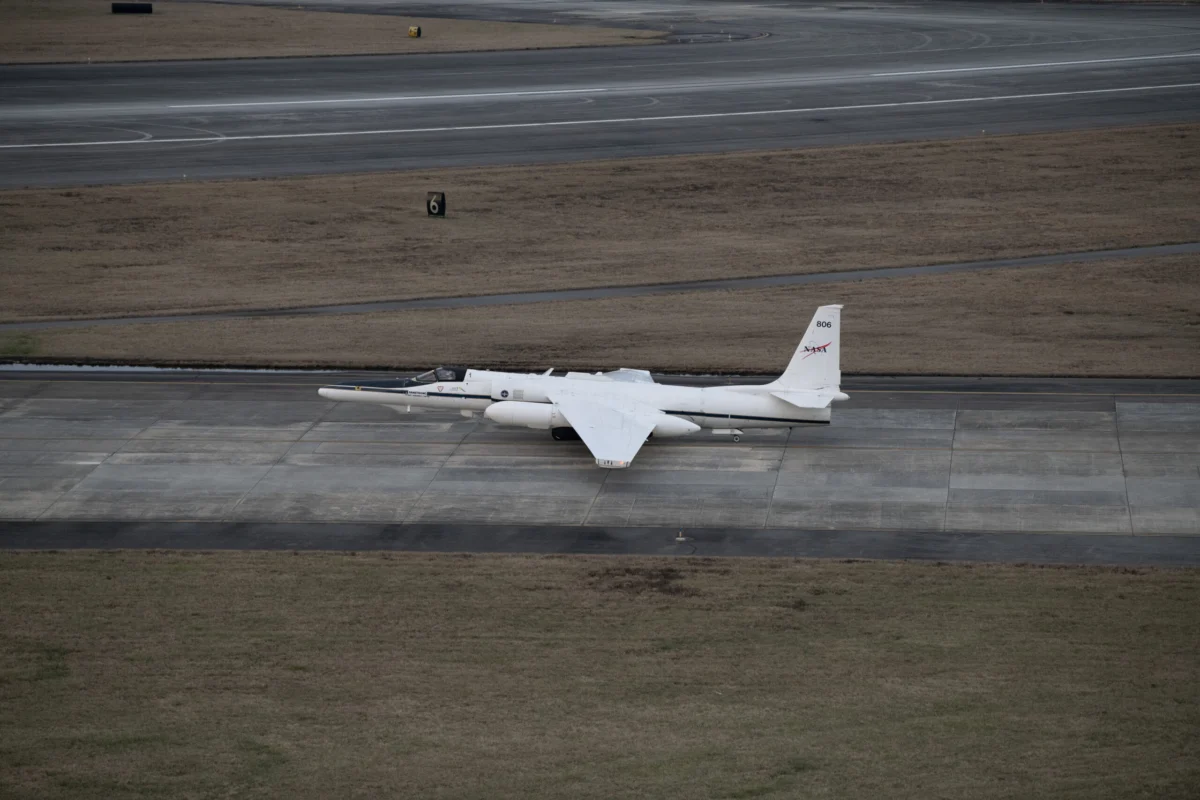
A distinctive highlight of the SARP experience is its unparalleled access to NASA’s cutting-edge airborne science fleet. This year, five specialized science aircraft supported the program, offering students direct exposure to advanced observational capabilities that bridge the gap between ground-based measurements and satellite remote sensing. The fleet included NASA’s Gulfstream G-III, a high-altitude, long-range research aircraft often used for atmospheric chemistry and remote sensing validation; the Gulfstream GV (or ER-2), a high-altitude platform capable of simulating satellite observations; and the C-20A, a versatile aircraft frequently deployed for atmospheric and land surface studies. Complementing NASA’s assets were Dynamic Aviation’s B200, a turboprop platform often equipped for lower-altitude environmental monitoring, and a P-III aircraft from the National Oceanic and Atmospheric Administration (NOAA), renowned for its capabilities in hurricane research and atmospheric profiling.
These aircraft are not merely modes of transport; they are flying laboratories, outfitted with an array of sophisticated instruments. Students had the extraordinary opportunity to work alongside seasoned scientists operating these instruments, gaining insight into their principles, calibration, and data interpretation. For example, the article mentions a laser designed to collect measurements on particulates in the atmosphere. Such lidar (light detection and ranging) systems can provide vertical profiles of aerosols, crucial for understanding air quality, cloud formation, and radiative forcing in climate models. The ability to conduct targeted, high-resolution measurements from an airborne platform offers a unique advantage, allowing scientists to investigate specific phenomena with greater detail and flexibility than satellites, while covering broader areas than ground-based sensors. This airborne component provides invaluable context for the ground-based ozonesonde data, allowing students to appreciate the multi-platform approach characteristic of modern Earth science research.
Beyond the Classroom: Hands-On Learning and Skill Development
For many SARP participants, their time in Houston marked their inaugural foray into genuine field research. This immersion provided a stark contrast to theoretical classroom learning, demanding adaptability, problem-solving skills, and meticulous attention to detail. Students were not merely observers; they were active participants, from the initial chemical treatment of instrument cells for the ozonesondes to the physical exertion of wrangling large balloons in gusty conditions, and finally, to the intellectual engagement of monitoring real-time data streams. This hands-on engagement instills a deeper understanding of scientific principles and the practical challenges inherent in data acquisition.
The program’s emphasis on independent research projects, coupled with the opportunity to present findings, is critical for developing a well-rounded scientist. Students learn to formulate hypotheses, design experiments, analyze complex datasets, and communicate their results effectively—skills that are universally applicable across scientific and technical fields. The requirement to cross-check their measurements with NASA satellite missions further refines their analytical capabilities, teaching them the importance of data validation and the integration of diverse observational techniques. This multi-faceted approach ensures that SARP graduates are not only proficient in their chosen scientific discipline but also adept at interdisciplinary collaboration and critical assessment. The enthusiasm displayed by students, such as Marin Stevens’s reaction, clearly indicates the profound impact of these direct experiences, transforming abstract concepts into tangible, exciting scientific endeavors.
Fostering the Next Generation: Strategic Impact of SARP
The Student Airborne Research Program is more than just a summer internship; it is a strategic investment in the future of the scientific workforce. Joelle Hopkins, SARP project manager at NASA Headquarters, eloquently captured the program’s spirit: "The coolest part of SARP is the passion everyone has. It’s so enjoyable to work with scientists, faculty, and graduate mentors who are passionate about the science, sharing the science with the students, and building the next generation of scientists." This passionate, collaborative environment is fundamental to inspiring and retaining talent in STEM fields.
SARP is explicitly designed to be a significant steppingstone for undergraduates pursuing careers in field research, environmental science, aerospace, and other STEM disciplines. By providing early-career exposure to the realities of scientific work, including data collection, analysis, and research presentation, the program addresses a critical need in the scientific pipeline. It helps bridge the gap between academic theory and professional practice, equipping students with the practical skills and professional networks necessary to succeed. The program’s contribution extends beyond individual career development; it directly supports NASA’s mission of scientific discovery, fostering a diverse and highly skilled workforce capable of tackling complex challenges like climate change, natural disaster prediction, and sustainable resource management. By engaging young minds in cutting-edge Earth science research, SARP not only cultivates future innovators but also ensures the continuity of critical scientific expertise for national and global benefit.
The Collaborative Ecosystem of Earth System Science
The success of SARP, and indeed of modern Earth system science, is inherently tied to collaboration. The program itself is a testament to this, bringing together students from various universities, mentors from NASA and academic institutions, and support from governmental agencies like NOAA and private sector partners like Dynamic Aviation. This multi-agency, multi-institutional cooperation reflects the complex, interconnected nature of Earth science, where no single entity can fully address the vast array of research questions.
The integrated approach of collecting data from ground-based sensors (like ozonesondes), airborne platforms (the diverse fleet of research aircraft), and space-based satellites exemplifies the state-of-the-art methodology in environmental monitoring and climate research. Each platform offers unique advantages, and their combined data provides a more comprehensive and robust understanding of Earth’s processes. SARP students are introduced to this collaborative ecosystem early in their careers, learning the value of interdisciplinary teamwork and the necessity of synthesizing data from disparate sources. This holistic perspective is crucial for developing scientists who can contribute meaningfully to global efforts to understand and protect our planet.
The conclusion of the SARP summer session marks not an end, but a beginning for these 48 undergraduate students. Armed with invaluable hands-on experience, mentorship, and a deeper appreciation for the complexities of Earth system science, they are now better prepared to embark on their journeys as the next generation of scientific leaders. Their contributions, however small at this stage, are part of a much larger, ongoing effort to unravel the mysteries of our planet and address its most pressing environmental challenges.
To learn more about NASA’s Airborne Science Program, visit: https://airbornescience.nasa.gov/
By Erica McNamee
NASA’s Goddard Space Flight Center, Greenbelt, Md.