

The traditional landscape of automotive enthusiasm is undergoing a significant transformation as collectors and daily drivers alike reconsider the utility and emotional value of vintage machinery in an era dominated by digital refinement and autonomous transitions. For many automotive enthusiasts, the joy of vehicle ownership has historically been divided between two distinct camps: the restorers, who focus on the preservation and aesthetic perfection of a vehicle, and the collectors, who view cars primarily as appreciating assets or historical artifacts. However, a growing third demographic is emerging—those who seek to integrate classic and "event-level" machinery into the mundane routines of daily life, such as grocery shopping or local commuting, to reclaim the visceral experience of driving that modern vehicles often seek to minimize.
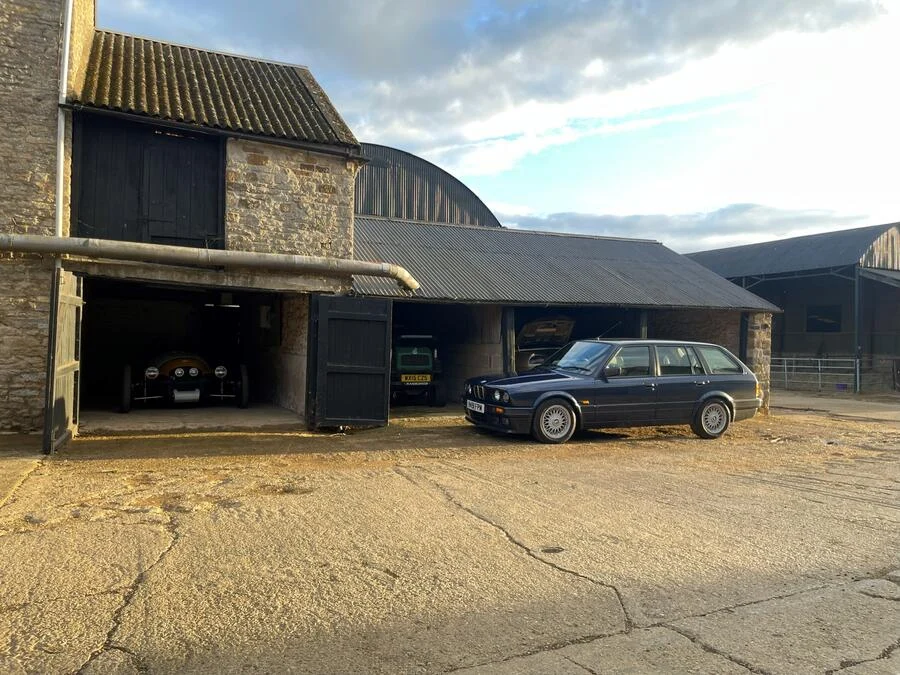
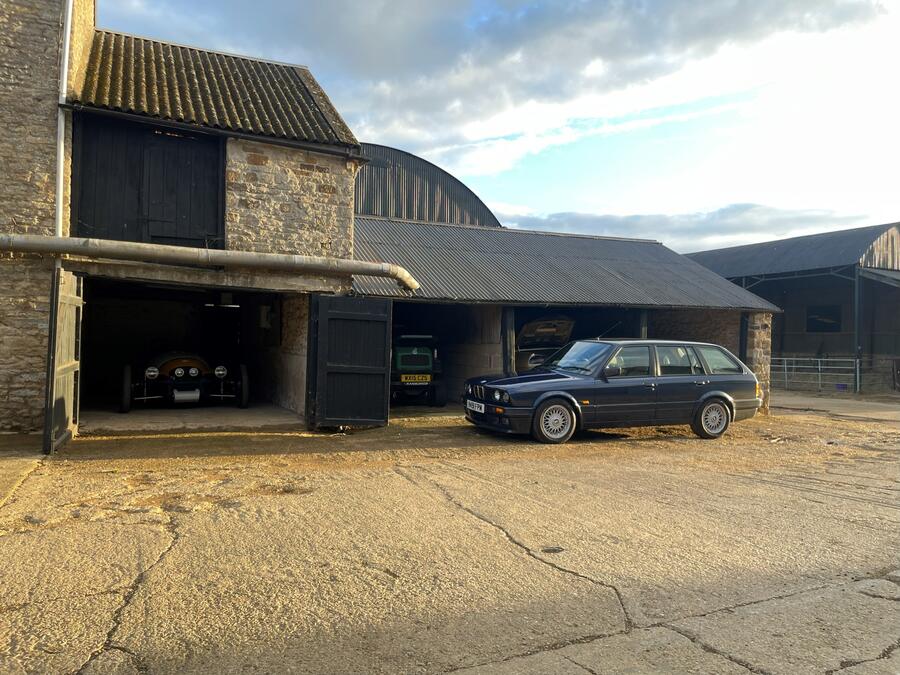
Illya Verpraet, a professional road tester for Autocar, recently highlighted this shift by documenting his experiences using a 1990 BMW 325i Touring for routine UK-based tasks. By deliberately taking longer routes and utilizing a vehicle that requires more mechanical engagement than a contemporary hatchback, Verpraet exemplifies a broader trend where the "mundane journey" is being repurposed as an opportunity for mechanical appreciation. This philosophy has led to a renewed interest in the "third car" concept—a vehicle that serves no practical purpose other than to provide a stark contrast to normal traffic and to turn every outing into a significant event.
The Mechanical Allure of the Pre-War Era
While the high-end collector market often focuses on multi-million-pound supercars, a segment of the enthusiast community is looking backward toward the pre-war era to find affordable, engaging driving experiences. The appeal of these veteran vehicles lies in their inherent "uncouthness"—a term used to describe the lack of synchronization, the requirement for double-declutching, and the manual management of spark advance and throttle settings. These features, which would be considered defects in a modern context, are now being rebranded as essential components of an "event" car.
The recent introduction of the Morgan Super 3 into various long-term test fleets has acted as a catalyst for this interest. The Super 3, though a modern production vehicle, utilizes a layout and driving philosophy that prioritizes low-speed engagement over outright velocity or comfort. For drivers accustomed to the sterile environment of modern cabins, the exposure to the elements and the mechanical feedback of a three-wheeled configuration serve as a reminder that speed is not the only metric for enjoyment. Verpraet noted that the Super 3 makes low-speed driving inherently interesting, a quality that is increasingly rare as manufacturers prioritize Noise, Vibration, and Harshness (NVH) reduction.
Market Trends and the Veteran Car Price Correction
Data from the classic car market suggests that now may be an opportune time for buyers to enter the veteran and pre-war segments. Historically, the prices of cars from the 1920s and 1930s were buoyed by a dedicated generation of collectors who grew up with these machines. However, as this demographic ages and moves toward what industry analysts call a "more ground-based existence," a significant volume of inventory is entering the market.
Market analysis indicates a softening of prices for "non-blue-chip" pre-war cars. While legendary models like the Bentley 4½ Litre or the Bugatti Type 35 maintain their astronomical values due to their racing pedigree, more pedestrian pre-war models—such as those from defunct manufacturers like Franklin or Wolseley—are becoming increasingly accessible. For example, a 1928 Franklin, featuring a unique air-cooled straight-six engine and wooden wheels, was recently valued at approximately £13,000. This price point places a 96-year-old piece of engineering history within the same financial bracket as a used modern supermini, creating a compelling argument for the adventurous enthusiast.
Technical Analysis of the 1928 Franklin
The Franklin Automobile Company, based in Syracuse, New York, was a pioneer in air-cooled engine technology, a tradition it maintained from 1902 until its demise in 1934. The 1928 models represent the pinnacle of the company’s "Series 12" production. The air-cooled straight-six engine was a radical departure from the water-cooled designs of Ford or Cadillac, offering benefits such as reduced weight and the elimination of radiator-related failures in extreme weather.
From a driver’s perspective, a 1928 Franklin offers a sensory experience that is entirely alien to the modern driver. The use of wooden wheels (typically made of hickory) provides a different damping characteristic than steel or alloy, while the three-speed manual transmission requires precise rev-matching and double-declutching. The lack of a "main dealer" network for a brand that has been defunct for nine decades necessitates a high degree of mechanical self-sufficiency or a relationship with a specialized vintage restorer. For many, this logistical hurdle is a deterrent, but for the "event" driver, it is part of the car’s narrative and charm.
Chronology of the Enthusiast’s Journey
The transition from modern performance cars to vintage machinery often follows a specific chronological path of realization:
- The Performance Peak: The driver realizes that modern performance cars have become too fast to enjoy legally or safely on public roads.
- The Practical Classic: Acquisition of a "Youngtimer" (e.g., a 1990s BMW or Mini), which offers a balance of modern reliability and mechanical feel.
- The Search for Engagement: After experiencing the limits of the practical classic, the driver seeks a vehicle that requires 100% of their attention at 30 mph.
- The Pre-War Pivot: The realization that vehicles from the 1920s offer the ultimate "event" experience, leading to the exploration of the veteran car market.
Verpraet’s own progression—from a modern R53 Mini Cooper S to a 1990 BMW 325i, and finally to the consideration of a 1928 Franklin—mirrors this industry-wide trend. The Series II Land Rover often serves as a gateway drug in this process, introducing drivers to the "delusional" yet rewarding world of agricultural gearboxes and unassisted steering.
Broader Impact on the Automotive Community
The potential influx of younger drivers into the pre-war car scene has broader implications for the automotive industry and heritage preservation. As cities implement stricter emissions zones, such as London’s Ultra Low Emission Zone (ULEZ), many classic cars are granted exemptions based on their age (typically 40 years or older in the UK). This regulatory environment inadvertently makes a 1928 Franklin a more "compliant" city car in certain jurisdictions than a ten-year-old diesel hatchback.
Furthermore, the "slow motoring" movement aligns with a growing cultural pushback against the hyper-efficiency of modern life. By choosing a vehicle that turns a trip to the bakery into a mechanical challenge, drivers are reclaiming agency over their time. However, the absence of a support infrastructure remains a significant barrier. The "mental exercise" of a three-car garage often hits the reality of maintenance costs, parts sourcing, and the sheer physical space required to house a century-old machine.
Conclusion and Outlook
The prospect of owning a 100-year-old vehicle for routine use is a polarizing concept. To the pragmatist, it is an exercise in frustration—a machine with no safety features, no weather protection, and no easy way to source a replacement head gasket. To the enthusiast, however, it represents the purest form of the "man-machine" interface.
As the automotive world pivots toward electrification and software-defined vehicles, the value of these mechanical artifacts is likely to shift from monetary to experiential. While the Franklin main dealer may be long gone, the community of owners and the availability of veteran cars at lower price points suggest that the pre-war era is not just a chapter in a history book, but a viable, if eccentric, option for the modern road. The "three-car garage" may remain a mental exercise for many, but for those willing to master the art of the double-declutch, the rewards of a "silly" car are becoming increasingly clear. The current market correction provides a unique window of opportunity for a new generation to preserve these engineering marvels, ensuring that the sound of an air-cooled straight-six continues to brighten mundane journeys for years to come.