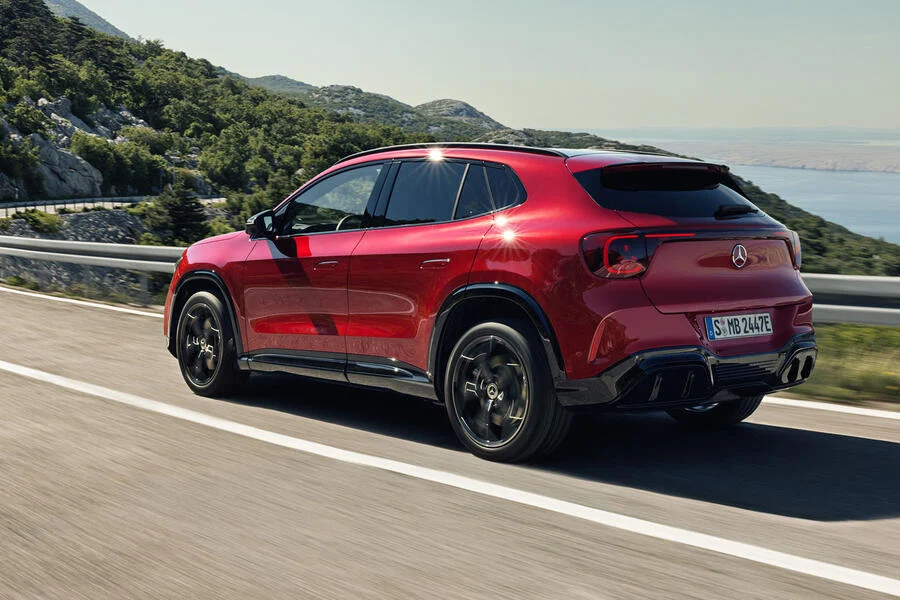
The global automotive landscape is witnessing a significant shift as Mercedes-Benz prepares to launch the next iteration of its popular compact SUV, the GLA, which for the first time will be offered with a sophisticated all-electric powertrain alongside a highly efficient hybrid variant. Built upon the innovative Mercedes Modular Architecture (MMA), the new GLA Electric represents a cornerstone of the German manufacturer’s "Electric First" strategy, aiming to harmonize high-performance electric mobility with the versatility and premium appeal that have defined the GLA line since its inception. This new generation of the GLA is engineered to compete in an increasingly crowded segment, offering a blend of cutting-edge battery technology, rapid charging capabilities, and a diverse range of power outputs designed to meet the needs of a global clientele.
The Triple-Tier Electric Powertrain Strategy
The GLA Electric will be launched with a structured lineup consisting of three distinct power outputs, mirroring the strategy employed for its sibling, the CLA sedan. This tiered approach allows Mercedes-Benz to target different price points and performance requirements within the premium compact crossover market.
The entry-level variant, designated as the GLA 200, utilizes a single rear-mounted electric motor producing 221bhp. In a move toward greater sustainability and cost-efficiency for the base model, this version draws its energy from a 58kWh lithium-iron-phosphate (LFP) battery. LFP chemistry is increasingly favored for entry-level premium vehicles due to its durability, lower fire risk, and the absence of cobalt and nickel, which simplifies the supply chain and reduces environmental impact.
Moving up the range, the GLA 250+ serves as the long-range specialist of the lineup. It features an increased output of 268bhp. Unlike the base model, the 250+ adopts an 85kWh nickel-manganese-cobalt (NMC) battery. The NMC chemistry offers higher energy density, which is critical for achieving the extended range figures required by consumers who frequently travel longer distances.
At the top of the initial launch range sits the GLA 350, an all-wheel-drive powerhouse. By utilizing a dual-motor setup—one on each axle—the 350 delivers a combined output of 349bhp. Like the 250+, the 350 utilizes the 85kWh NMC battery pack to balance the high power demands of its dual-motor configuration with a competitive driving range.
MMA Platform and the Push for Efficiency
The foundation of the new GLA is the Mercedes Modular Architecture (MMA). While the platform is designed to be "EV-first," it remains flexible enough to accommodate internal combustion engines, a strategic decision by Mercedes-Benz to navigate the varying speeds of global EV adoption.
One of the most significant technical advancements of the MMA platform is the integration of an 800V electrical architecture. This high-voltage system is a departure from the 400V systems found in many current electric vehicles and offers two primary benefits: reduced weight through thinner wiring and significantly faster charging speeds. The GLA Electric is capable of charging at speeds up to 320kW, allowing drivers to add substantial range in the time it takes to have a short break.

Efficiency has been a primary focus during the development of the MMA platform. The most aerodynamic and lightweight configurations of the GLA are expected to achieve an official efficiency rating of 4.2 miles per kilowatt-hour (mpkWh). This efficiency is vital in maximizing the potential of the battery packs. The longest-range version of the GLA is projected to offer up to 408 miles on a single charge (WLTP). While this is slightly lower than the 484 miles achieved by the sleeker, more aerodynamic CLA, it remains significantly ahead of the 379 miles projected for the boxier, more utilitarian GLB, positioning the GLA as the balanced middle ground in the Mercedes compact lineup.
Hybrid Innovation and the Horse Partnership
Recognizing that the transition to full electrification remains ongoing, Mercedes-Benz will also offer a sophisticated hybrid version of the GLA, scheduled to arrive early next year. This model will utilize a 1.5-litre turbocharged four-cylinder engine produced by Horse—the powertrain joint venture between Geely and Renault. This partnership marks a shift in Mercedes’ sourcing strategy, leveraging global scale to produce highly efficient internal combustion components.
The hybrid system is not a traditional plug-in setup but rather a highly integrated mild-hybrid configuration. The 1.5-litre engine is augmented by a 30bhp electric motor that is built directly into the eight-speed automatic gearbox. This motor is powered by a compact 1.3kWh battery, designed to provide torque fill during acceleration and improve fuel economy through enhanced energy recuperation during braking.
Mercedes-Benz has emphasized that styling differences between the EV and hybrid versions will be minimal. This "one-design" philosophy ensures that customers do not have to compromise on the vehicle’s aesthetic based on their choice of powertrain. The primary visual cues distinguishing the models are expected to be limited to the grille design and the presence or absence of exhaust outlets.
Market Positioning, Pricing, and Trims
The GLA is a critical volume seller for Mercedes-Benz, particularly in the UK and European markets. The new generation is expected to carry a starting price of approximately £45,000 when it goes on sale. This pricing places it in direct competition with rivals such as the Audi Q4 e-tron, the BMW iX1, and the Volvo XC40 Recharge.
To cater to a wide array of consumer tastes, the GLA will be offered in four distinct trim levels. While the full specifications for the base trims are yet to be detailed, Mercedes has confirmed that the "AMG Line" and "AMG Plus" trims will be available from launch. These trims are designed to appeal to buyers seeking a more athletic appearance, featuring bespoke styling elements such as more aggressive front and rear bumpers, larger alloy wheels, and unique interior upholstery and trim finishes.
Chronology of Development and Strategic Context
The journey toward the new GLA began with the unveiling of the Concept CLA Class at the IAA Mobility show in Munich in 2023. That concept introduced the world to the MMA platform and the brand’s new design language, characterized by the "Sensual Purity" philosophy and the signature star-pattern LED lighting.
Following the CLA, the GLA is the second major vehicle to transition to this new architecture. The development timeline suggests a rigorous testing phase, with prototypes having been spotted undergoing cold-weather testing in the Arctic Circle and high-speed laps at the Nürburgring throughout 2023 and 2024. This testing ensures that the new 800V system and the LFP/NMC battery configurations can withstand diverse climate conditions and driving styles.

The launch of the GLA Electric also signals a shift in nomenclature. While previous electric compacts were branded under the "EQA" moniker, Mercedes-Benz is moving toward integrating its electric models back into the core brand structure. By naming the vehicle the "GLA Electric," the company reinforces the idea that electric power is no longer a niche sub-brand but the new standard for its primary model lines.
Analysis of Implications and Industry Impact
The introduction of the GLA Electric with an 800V architecture and 320kW charging is a significant move that raises the bar for the "entry-level" luxury segment. Historically, high-speed 800V charging was reserved for flagship models like the Porsche Taycan or the Audi e-tron GT. By bringing this technology to a £45,000 crossover, Mercedes-Benz is effectively democratizing high-end EV technology, addressing one of the primary hurdles to EV adoption: charging anxiety.
Furthermore, the choice of battery chemistries reflects a pragmatic approach to the global market. By using LFP batteries for the entry-level 200 model, Mercedes can maintain a competitive starting price while offering a battery known for its longevity. Meanwhile, the use of NMC batteries for the 250+ and 350 models ensures that those paying a premium receive the maximum possible range and performance.
The partnership with Horse for the hybrid engine also indicates a broader trend in the automotive industry. As traditional manufacturers funnel the majority of their R&D budgets into software and electrification, they are increasingly looking to external partners and joint ventures to supply refined internal combustion hardware. This allows Mercedes to focus on its core competencies—luxury, digital experience, and electric drivetrain integration—while still offering a world-class hybrid option for markets where EV infrastructure is lagging.
Future Outlook
As the GLA prepares for its commercial debut, it stands as a testament to the rapid evolution of the compact SUV segment. The combination of a 400-mile range and ultra-fast charging could potentially make the GLA Electric the benchmark for its class. For Mercedes-Benz, the success of this model is vital. The GLA, alongside the CLA and GLB, forms the "Entry Luxury" pillar of the brand’s revised portfolio strategy, which aims to prioritize higher-margin vehicles and lead in electric drive and vehicle software.
With the hybrid version arriving shortly after the EV launch, Mercedes-Benz is positioned to capture a wide demographic of buyers. Whether a consumer is ready to make the full leap to electric or requires the flexibility of a hybrid, the new GLA platform is designed to provide a premium, tech-forward experience that aligns with the brand’s "Ambition 2039" goal of becoming carbon neutral across its entire value chain. The coming months will reveal the final performance specifications and interior features, but the technical foundation of the new GLA suggests a vehicle that is well-equipped for the challenges of a transitioning automotive market.