A devastating wave of wildfires that swept through the south of France has unexpectedly unearthed a significant cache of approximately 400 historic shells and munitions in the village of Le Porge, located within the Gironde department. This startling discovery has transformed the aftermath of an ecological disaster into a complex security challenge, as authorities grapple with the legacy of World War Two hidden beneath the region’s forests. Initially, the numerous explosions heard during the peak of the fires were attributed to exploding gas cylinders, a common occurrence in residential areas affected by intense heat. However, local fire commanders soon determined that the blasts were, in fact, detonated World War Two explosives, ignited by the extreme temperatures of the inferno.
Chronology of a Dual Crisis: Fire and Ordnance
The crisis in Gironde unfolded against a backdrop of unprecedented heatwaves and severe drought conditions gripping much of Europe in recent weeks. These meteorological phenomena created tinderbox conditions, particularly in the extensive pine forests of southwestern France. The initial wildfires in the Gironde department, which commenced approximately ten days prior to the munitions discovery, quickly escalated due to strong winds and dry vegetation. Firefighting efforts were immediately launched, involving thousands of personnel, aerial bombardments, and ground crews battling relentless blazes across vast tracts of land.
The situation took a dramatic and unforeseen turn on the second night of the Le Porge fire. Mayor Martial Zaninetti recounted hearing more than 100 explosions, describing the sound as akin to "the sound of war" to French news outlet France Info. This auditory experience, deeply unsettling for residents already fleeing their homes, was initially puzzling. As the fires were brought under partial control and emergency services could assess the damage, the true nature of these explosions began to emerge. Investigations revealed not just the expected destruction of property but also charred craters and fragments consistent with military ordnance.
The revelation that these were not domestic gas incidents but rather historical explosives introduced a new layer of peril. The intense heat of the wildfires had essentially acted as a trigger, detonating buried munitions that had lain dormant for nearly eight decades. The local fire commander’s assessment quickly shifted the focus from purely firefighting to a combined operation involving ordnance disposal experts.
The Hidden Legacy: World War Two in Gironde
The discovery of such a substantial quantity of unexploded ordnance (UXO) in Le Porge underscores the enduring and often hidden legacy of World War Two across Europe. The Gironde region, particularly its Atlantic coast, played a strategic role during the conflict. It was part of the German occupation zone and featured heavily in the Atlantic Wall defenses, a vast system of coastal fortifications built by Nazi Germany. The dense forests and coastal areas often served as sites for military installations, training grounds, and, crucially, ammunition depots.
During the rapid retreat of German forces in 1944 or in the aftermath of Allied advances, it was common for ammunition stores to be abandoned, hastily buried, or deliberately concealed. Similarly, resistance movements or Allied forces might have cached supplies. Over the intervening decades, these sites often became overgrown, their precise locations forgotten or lost to official records, blending seamlessly back into the natural landscape. The shells discovered in Le Porge, comprising both German and French origins and including mortar and anti-tank shells, suggest a complex history of military activity in the immediate vicinity. The mayor’s candid admission that "There were ammunition depots buried in land within our municipality, but we didn’t know it, and they exploded" highlights the pervasive, yet often unknown, presence of these historical remnants.
The fact that one projectile reportedly "went through a house" vividly illustrates the unpredictable and lethal nature of these dormant weapons. Even after 70-plus years, the structural integrity of these munitions, combined with their chemical components, can remain potent, waiting for an external trigger like extreme heat to reactivate their destructive potential.
Demining Operations and Ongoing Restrictions
Following the identification of the ordnance, demining operations commenced immediately, spearheaded by specialized military units trained in explosive ordnance disposal (EOD). These operations are meticulously slow and dangerous, requiring experts to systematically search, identify, secure, and either defuse or safely detonate each piece of ordnance. The presence of dense forest, charred terrain, and the sheer volume of discovered munitions complicate the process significantly.
As a result of these ongoing efforts, while most residents have been able to return to their homes, certain areas of Le Porge remain strictly off-limits. Mayor Zaninetti, in a statement on Instagram, specified that access to the ocean, a campsite, and the village of La Jenny remained restricted. These precautionary measures are vital to ensure the safety of the public as demining teams work to neutralize the remaining threats. The scale of the task suggests that these restrictions could remain in place for an extended period, potentially weeks or even months, until the areas are declared fully safe. The systematic nature of UXO clearance involves geophysical surveys, manual probing, and sometimes controlled detonations, all of which require careful planning and execution.
Devastation and Resilience: Impact on Residents
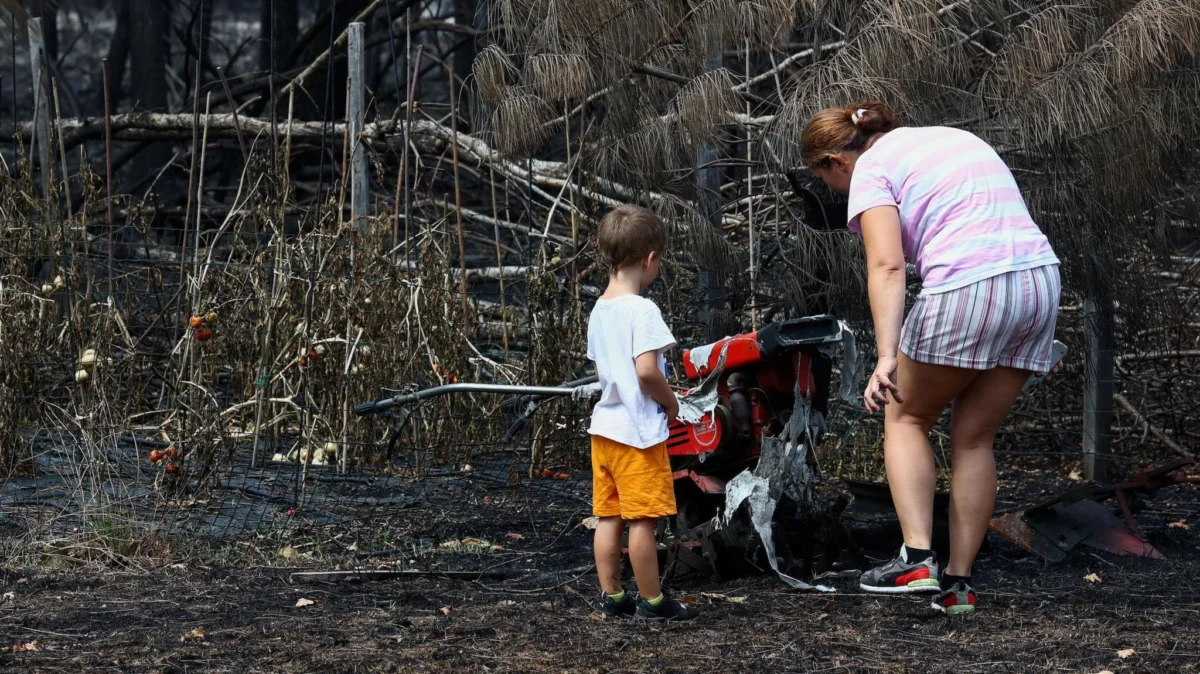
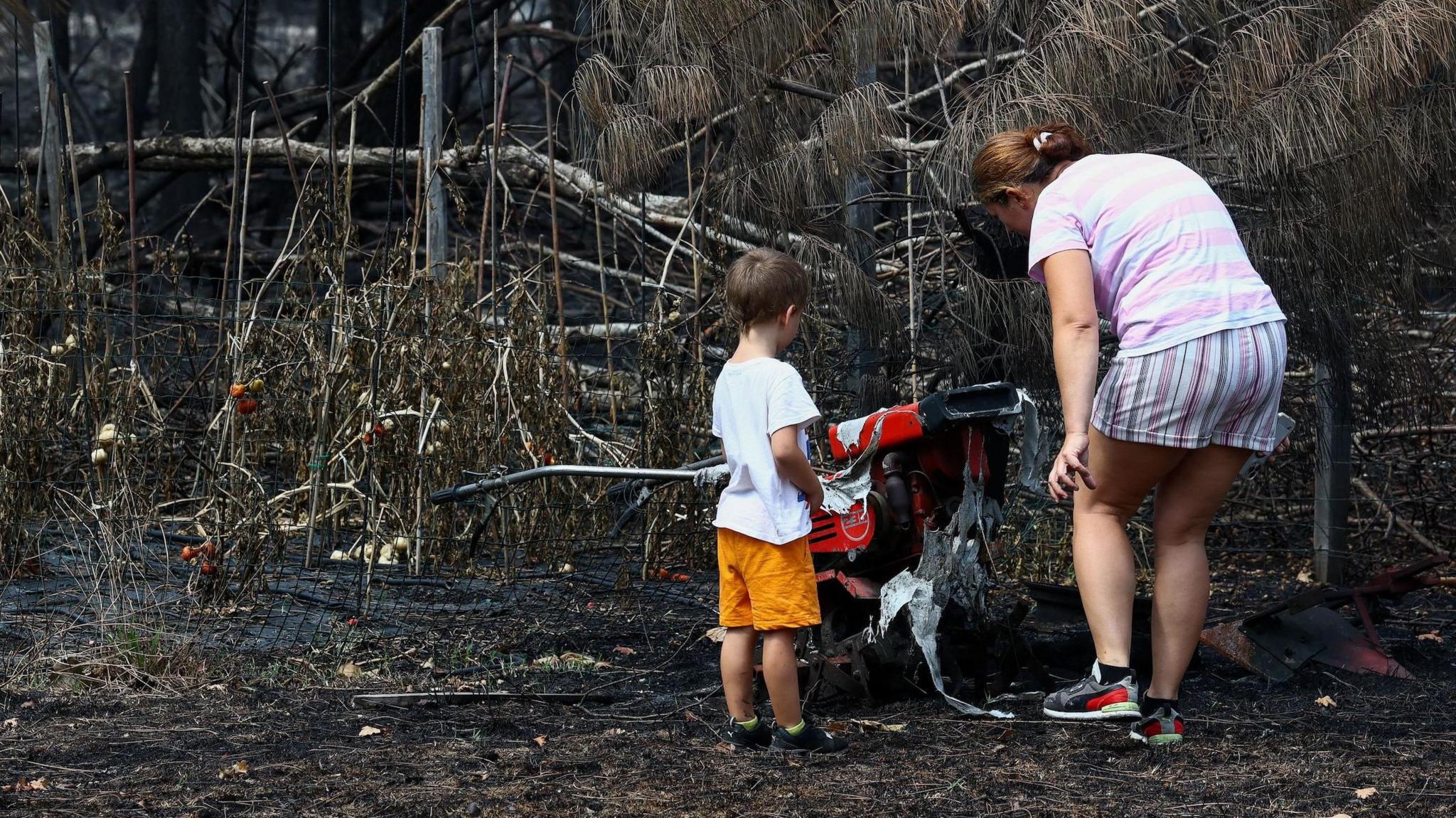
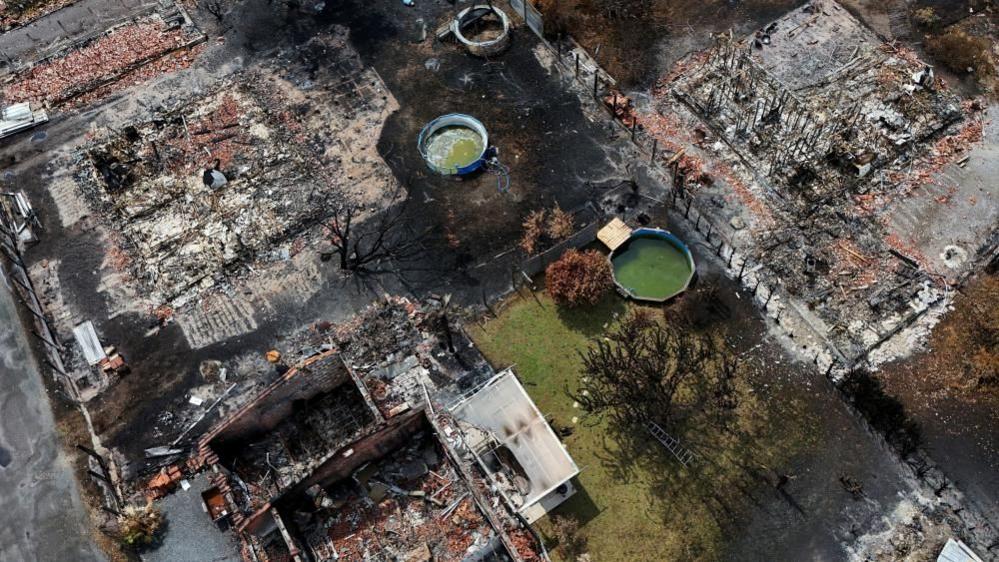
The wildfires inflicted immense damage on the community of Le Porge. Over 180 houses in the area were completely destroyed, reducing homes and cherished possessions to ashes. Images from Le Porge on Monday depicted families sifting through the charred debris, attempting to salvage what little remained. The sight of a mother and son inspecting the burnt surrounds of their home, or Julie sifting through the wreckage of her parents’ house, painted a poignant picture of the widespread devastation and the profound emotional toll on the residents.
The return to such a landscape is harrowing enough, but the added dimension of live ordnance exploding around them during the fire, and the subsequent discovery of buried munitions, has undoubtedly amplified the trauma. Residents are not only facing the monumental task of rebuilding their lives and homes but also contending with the psychological impact of living in an area that has, for decades, unknowingly harbored dangerous historical explosives. The community’s resilience will be tested not just by the immediate aftermath of the fire but also by the long-term process of recovery, decontamination, and reassurance that their environment is truly safe.
Official Responses and Broader Context
The dual crisis in Gironde drew significant national attention. French Prime Minister Sébastien Lecornu visited the region, expressing gratitude to the firefighters for their arduous efforts. He acknowledged that the battle against the fires had entered a "new phase" in Gironde, characterized by the gradual return of evacuated individuals and the commencement of recovery operations. His statements underscored the extraordinary nature of the crisis and the concerted national response.
The wildfires in France were part of a larger pattern across Europe, with Spain also heavily affected. Over the two weeks leading up to this discovery, more than 330,000 people were evacuated across the continent. France emerged as one of the worst-affected regions, with an area of 42,000 hectares burnt in the southwest alone. This makes it one of the largest forest fires since World War Two, a chilling irony given the munitions discovery. The sheer scale of the fires has prompted renewed calls for robust climate change mitigation strategies and enhanced disaster preparedness across the European Union.
Implications and Future Challenges
The Le Porge incident carries several significant implications, highlighting emerging challenges at the intersection of environmental disaster and historical conflict.
-
Long-Term Safety and Land Use: The discovery necessitates comprehensive land surveys across potentially wide areas of the Gironde and other historically significant regions. Before any reconstruction or development can proceed, particularly in forested or undeveloped land, detailed mapping and clearance of UXO will be essential. This will significantly impact urban planning, agricultural practices, and forestry in the long term, potentially driving up costs and delaying recovery efforts.
-
Climate Change and Dormant Threats: This event serves as a stark warning about how climate change-driven extreme weather events can reactivate dormant historical threats. As heatwaves become more frequent and intense, and wildfires more prevalent, there is an increased risk of similar incidents occurring in other areas of Europe and beyond where WWII or other conflicts left behind unexploded ordnance. This demands a proactive approach to identifying and potentially clearing known or suspected UXO sites in regions vulnerable to natural disasters.
-
Historical Record Keeping and Data Gaps: The mayor’s surprise at the discovery indicates significant gaps in historical record-keeping regarding military installations and ammunition caches. This incident may prompt a review and digitization of historical military maps and records to identify other potential UXO hotspots, especially in areas now facing new environmental risks.
-
Economic Impact: Beyond the direct costs of firefighting and demining, the economic impact on the region could be substantial. Tourism, a vital industry for coastal areas like Le Porge, may be affected by safety concerns and ongoing restrictions. Agricultural and forestry sectors will also face losses and potential delays in operations due to land contamination and safety protocols.
-
Psychological and Social Resilience: The community will require sustained support—psychological, financial, and logistical—to recover from the dual shock of losing homes to fire and discovering a hidden wartime threat. Building back not just structures but also community trust and a sense of security will be a long process.
In conclusion, the wildfires in France have brought to light a unique and perilous intersection of natural disaster and historical conflict. The discovery of 400 World War Two shells in Le Porge transforms the post-fire recovery into a complex and dangerous demining operation. As communities in Gironde begin the arduous task of rebuilding, they are now acutely aware of the hidden dangers that lie beneath their scorched earth. This unprecedented event serves as a powerful reminder of the enduring legacies of war and the unforeseen ways in which a changing climate can bring these dormant threats to the surface, posing new challenges for safety, environmental management, and historical awareness across the continent.