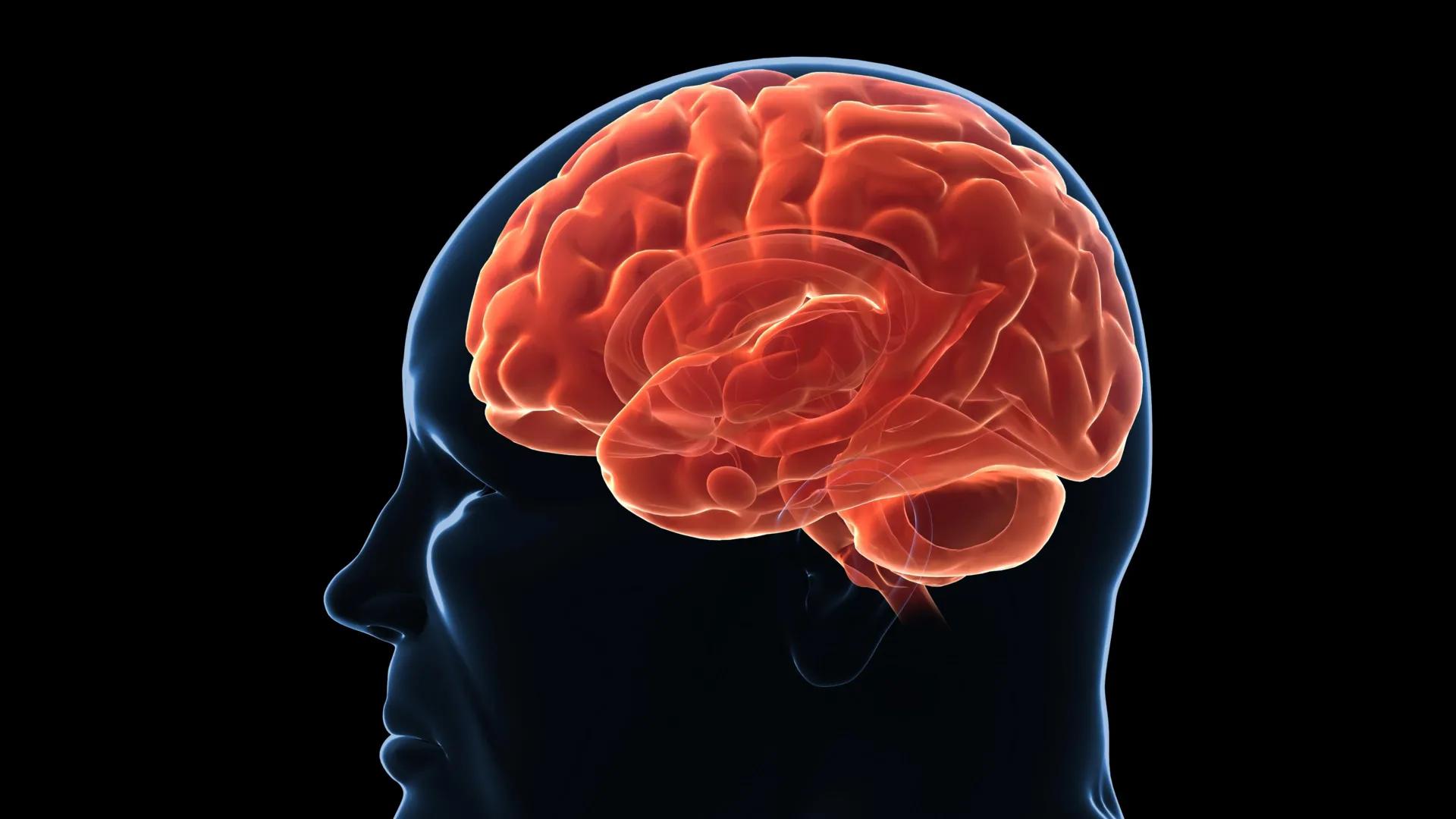
For decades, the prevailing narrative surrounding weight loss has been a simplistic equation: consume fewer calories and increase physical activity. This "willpower" model, however, is increasingly being challenged by modern scientific understanding. Emerging research unequivocally demonstrates that the human body’s complex biological machinery, honed over millennia of evolutionary pressure, actively resists weight loss, rendering the willpower-centric approach insufficient for many. This paradigm shift is not merely an academic debate; it has profound implications for public health, medical treatment, and societal approaches to obesity.
The Evolutionary Legacy: A Survival Mechanism Becomes a Modern Challenge
To comprehend the difficulty many individuals face in losing weight, it is essential to journey back hundreds of thousands of years to examine the physiological adaptations of our early human ancestors. In an era defined by unpredictable food scarcity and the constant threat of starvation, body fat was not a sign of excess but a vital lifeline. Maintaining a carefully calibrated energy reserve was paramount for survival. Too little body fat could lead to fatal malnutrition, while excessive fat, though less immediately dangerous, could impair mobility and hinder escape from predators or pursuit of prey.
This precarious balance shaped the human body into an exceptionally efficient energy management system. The brain, in particular, developed sophisticated biological defenses designed to meticulously guard energy reserves. These mechanisms ensured that when food was scarce, the body would conserve energy, and when sustenance became available, it would readily store excess calories as fat. This intricate biological programming, a testament to human adaptability and survival, was remarkably effective in fluctuating environments.
However, the advent of modern civilization has dramatically altered the environmental landscape. In the contemporary world, food is abundant, readily available, and often highly processed, calorie-dense, and inexpensive. Sedentary lifestyles have become commonplace, reducing the necessity for strenuous physical activity. Consequently, the very biological systems that once ensured survival now contribute to the widespread challenge of weight management.
The Body’s Defense System: A Biological Uprising Against Weight Loss
When an individual attempts to lose weight, the body perceives this reduction in energy stores as a threat to survival, triggering a cascade of physiological responses. Scientific studies have documented significant hormonal shifts that actively counteract weight loss efforts. Hunger hormones, such as ghrelin, surge, signaling an increased appetite and driving the desire to consume more calories. Simultaneously, cravings for palatable, high-calorie foods intensify, making adherence to restrictive diets exceptionally challenging.
Furthermore, the body’s metabolic rate can decrease, meaning that fewer calories are burned at rest and during activity. This reduction in energy expenditure is a direct adaptation aimed at conserving precious energy stores. Research published in journals like Nature has extensively detailed these adaptive responses, highlighting that these physiological changes are not a sign of personal failure but rather the body executing its evolved survival protocols.
The Brain’s "Set Point" Theory: A Biological Memory of Weight
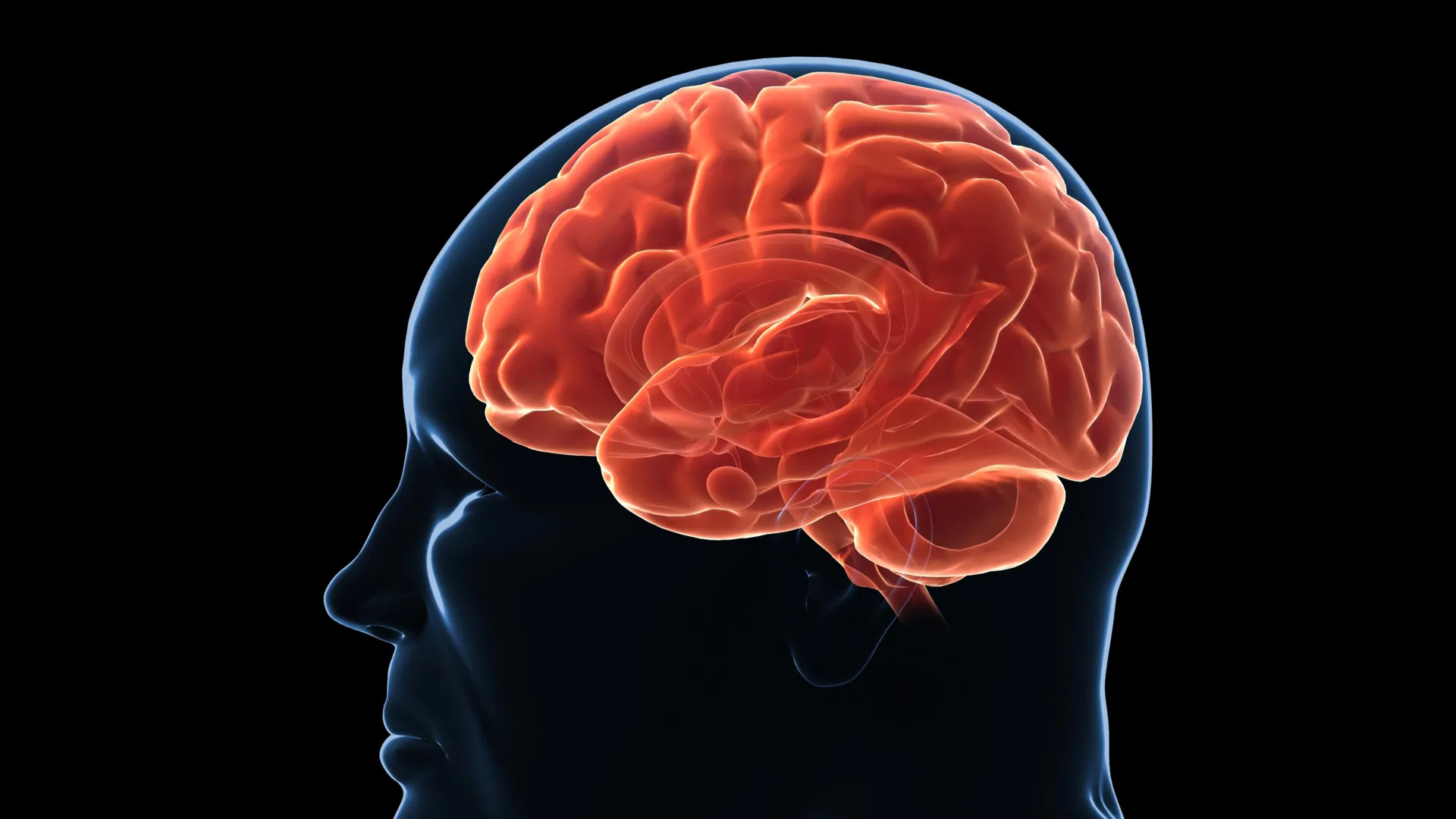
A crucial element in understanding weight regulation lies in the concept of a "set point," a notion that the brain and body work to maintain a specific weight range. While the precise mechanisms are still being elucidated, recent research, including studies published in Cell, suggests that the brain possesses powerful mechanisms for defending body weight. This defense system can effectively "remember" a previous body weight, particularly when that weight was maintained for an extended period.
For our ancient ancestors, this memory function was advantageous. If weight was lost during periods of scarcity, the body could, with the return of ample food, efficiently regain its former energy reserves. This biological resilience was crucial for navigating cyclical environmental challenges.
However, in the modern context, this same mechanism poses a significant obstacle to sustained weight loss. When an individual gains excess weight, their brain and body often adapt to this higher weight as the new "normal." This established weight then becomes a biological set point that the body actively defends. Consequently, any attempt to reduce body weight is met with robust physiological resistance, driven by the brain’s imperative to return to and maintain this perceived baseline. This biological imperative helps explain why so many individuals struggle with weight regain after dieting; their bodies are not failing, but rather functioning as they were evolutionarily designed to do in response to perceived threats to energy balance.
Medical Interventions: Hacking Biology for Weight Management
Recognizing the biological underpinnings of obesity, medical science has made significant strides in developing pharmacological interventions designed to "hack" these natural defense mechanisms. Medications like Wegovy and Mounjaro have emerged as powerful tools, offering new hope for individuals struggling with weight management. These drugs typically function by mimicking the action of gut hormones, such as GLP-1, which play a critical role in regulating appetite and satiety. By signaling to the brain to curb appetite and increase feelings of fullness, these medications can significantly reduce calorie intake.
The efficacy of these medications is supported by numerous clinical trials. For instance, studies on semaglutide (the active ingredient in Wegovy) have shown that participants can achieve substantial weight loss, often in the range of 10-15% of their body weight, and maintain these losses over extended periods when combined with lifestyle modifications. Similarly, tirzepatide (the active ingredient in Mounjaro) has demonstrated even greater weight loss potential in clinical trials, with some participants achieving reductions of over 20% of their body weight.
However, these medications are not a universal panacea. A significant portion of individuals may not respond optimally to these drugs, or they may experience side effects that hinder adherence. Common side effects can include gastrointestinal issues such as nausea, vomiting, and diarrhea. Less frequently, more serious concerns like dry mouth, bad breath, and potential dental issues have been reported, as highlighted in publications from The Conversation. Furthermore, for some individuals, the medications may not lead to significant weight loss at all, a phenomenon that researchers are actively investigating.
Another critical consideration is the sustainability of weight loss achieved through medication. For many, once treatment is discontinued, the body’s natural defense mechanisms reassert themselves, leading to weight regain. This underscores the need for long-term strategies and potentially the development of therapies that can durably alter the body’s weight set point. Ongoing research is exploring future therapies that may be able to permanently "turn down" the signals that drive the body back to its original weight, even after the cessation of pharmacological treatment.
Redefining Health: Beyond the Scale
Crucially, scientific understanding is also evolving to decouple the concept of good health from achieving a specific "good weight." Research indicates that improvements in cardiovascular and metabolic health can be achieved through lifestyle interventions, even if the number on the scale does not change dramatically. Engaging in regular exercise, prioritizing adequate sleep, adopting a balanced nutrition plan, and cultivating mental well-being can all contribute to better health outcomes, irrespective of significant weight loss. This perspective is vital for promoting a more holistic and sustainable approach to well-being, shifting the focus from solely weight reduction to overall health improvement.
A Societal Imperative: Tackling Obesity Through Collective Action
Recognizing that obesity is not solely an individual challenge but a complex public health issue, a societal-wide approach is imperative to address its root causes effectively. Research consistently points to the importance of preventative measures that create environments conducive to healthy living. These include investing in healthier school meal programs to ensure children have access to nutritious food, curtailing the marketing of junk food to vulnerable young populations, and designing urban environments that prioritize walking and cycling over car-dependent infrastructure. Standardizing food portion sizes in restaurants is another evidence-based strategy that could contribute to reducing overall caloric intake at a population level.
Furthermore, scientists are paying close attention to critical early-life stages, from pregnancy through approximately the age of seven. During this period, a child’s weight regulation system is particularly malleable. Research has demonstrated that parental dietary habits, infant feeding practices, and early lifestyle choices can significantly shape how the brain controls appetite and fat storage for years to come. Interventions targeting these formative years hold immense potential for long-term public health impact.
Sustainable Habits and a Brighter Future
For individuals seeking to manage their weight, the focus should shift from unsustainable crash diets to the cultivation of sustainable habits that support overall well-being. Prioritizing quality sleep is a well-established strategy for regulating appetite hormones and managing hunger. Similarly, regular physical activity, even moderate activities like walking, can significantly improve blood sugar control and enhance cardiovascular health. These sustainable practices, when integrated into daily life, can contribute to a healthier lifestyle without the extreme restrictions often associated with traditional dieting.
Ultimately, obesity is not a personal failing but a complex biological condition influenced by a confluence of genetic predispositions, brain mechanisms, and environmental factors. The growing body of scientific knowledge in neuroscience and pharmacology is paving the way for more effective treatments and personalized interventions. Concurrently, preventative strategies aimed at creating healthier environments and supporting early-life development offer a promising path toward mitigating the obesity epidemic for future generations.
For those who have struggled to lose weight and maintain their progress, it is crucial to understand that they are not alone, and their difficulties are not a reflection of a lack of willpower. The brain’s intricate defense mechanisms are formidable opponents. However, through continued scientific advancement, innovative medical treatments, and the implementation of smarter public health policies, we are beginning to reframe the narrative and change the rules of the game in the ongoing battle for weight management and overall health.