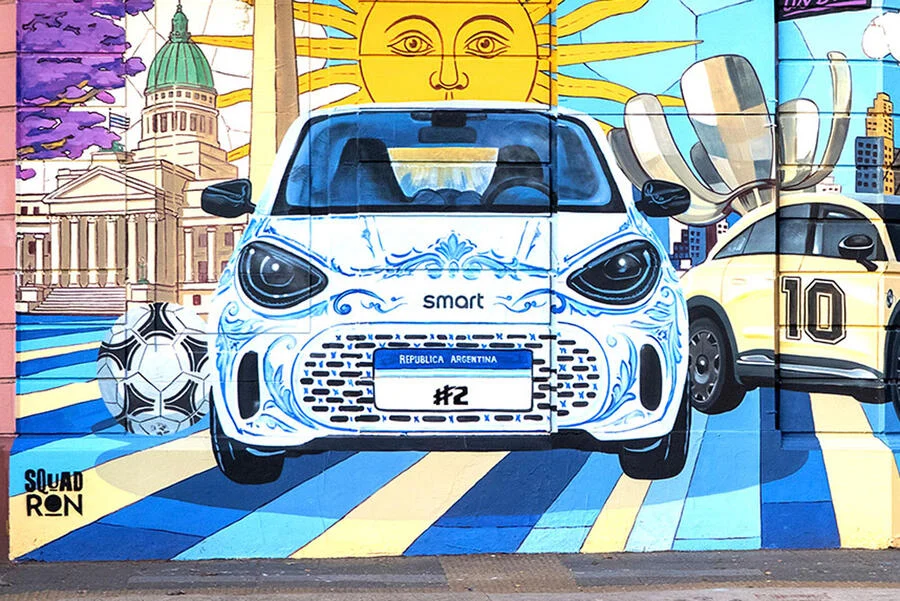
Smart is officially embarking on a transformative journey for its entry-level vehicle, repositioning the successor to the iconic Fortwo as a premium, upmarket contender in the rapidly evolving electric vehicle (EV) sector. The upcoming model, designated as the Smart #2, represents a significant departure from its predecessor’s utilitarian roots. By leveraging a bespoke electric architecture, the brand aims to "brilliantly maximise interior space" while maintaining the compact exterior dimensions that defined the original city car. This strategic shift follows the brand’s transition into a joint venture between Mercedes-Benz and Geely, marking a new era of design-led, high-technology urban mobility.
A Paradigm Shift in Urban Mobility
The transition from the previous Smart EQ Fortwo to the new #2 is more than a simple generational update; it is a complete reimagining of what a micro-car can represent. The outgoing EQ Fortwo was built upon a platform originally designed for internal combustion engine (ICE) vehicles—a shared architecture with the Renault Twingo. This legacy platform imposed significant constraints on battery packaging, cabin volume, and overall efficiency. By moving to a dedicated EV platform, likely a variant of Geely’s Sustainable Experience Architecture (SEA), the #2 eliminates the mechanical intrusions of an engine-centric design, allowing for a flat floor and a more cab-forward silhouette.
According to official statements from Smart, the #2 is designed to "elevate the city car beyond mere utility." While the original 1998 Smart City-Coupe was celebrated for its radical parking capabilities and "reduced to the max" philosophy, it was often criticized for its spartan interior and unrefined automated manual transmission. The #2 seeks to rectify these historical grievances by offering a cabin that promises to be significantly plusher and more luxuriously appointed. This move targets a demographic that views their vehicle not just as a tool for navigation, but as a "true extension of personal identity."
Design Philosophy: From Utility to Fashion
The aesthetic direction of the #2 is being spearheaded by Kai Sieber, Head of Smart Design at Mercedes-Benz. Sieber has articulated a vision where the vehicle serves as a bridge between the heritage of the Fortwo and a future where "function becomes fashion." The exterior design of the Concept #2, which serves as a near-production preview, is described as being "reduced to its essence," avoiding unnecessary clutter in favor of clean lines and a sophisticated stance.
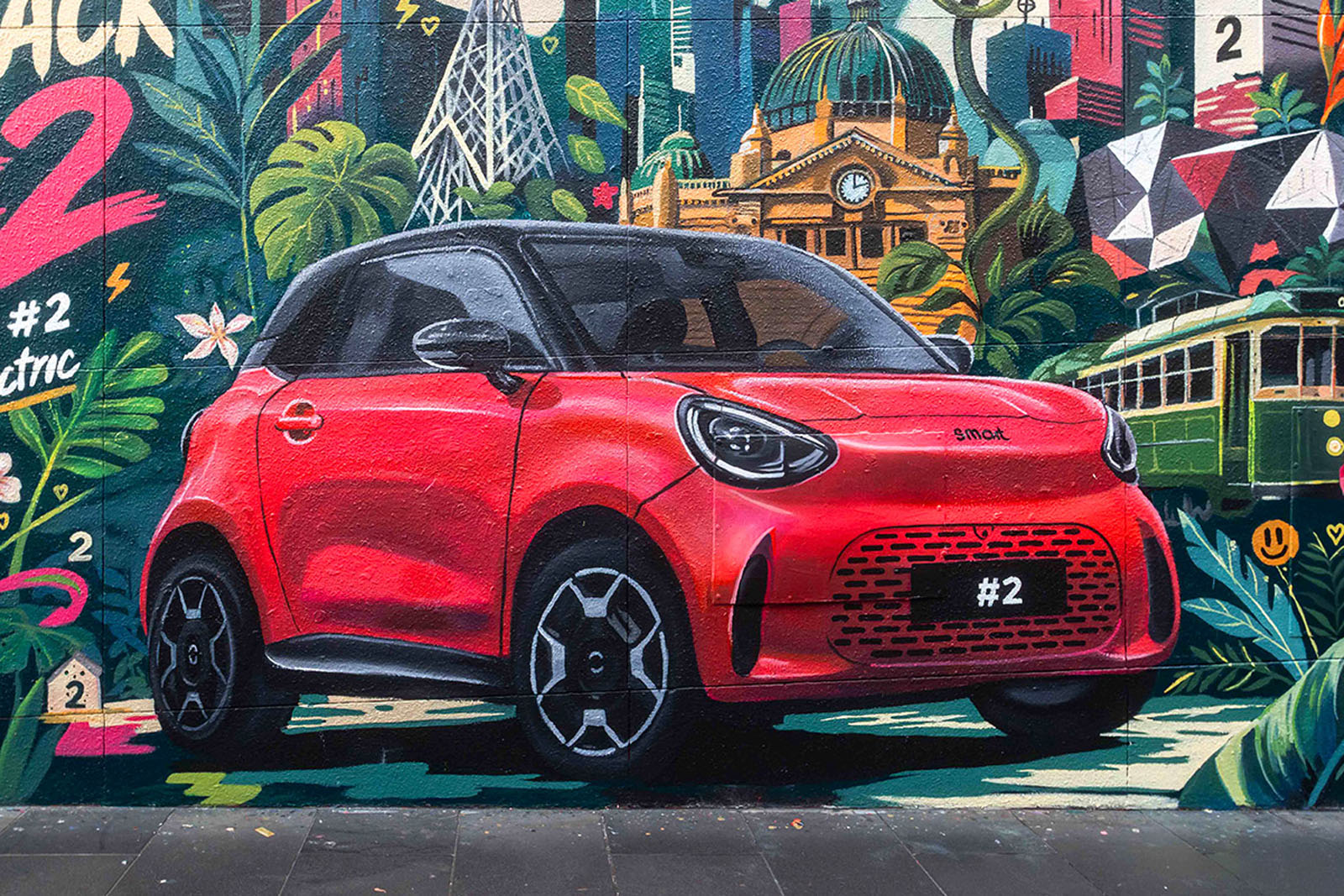
Key design elements that define this new premium aesthetic include:
- Two-Tone Paintwork: The use of sophisticated palettes, such as two-tone gold, to emphasize the car’s high-end positioning.
- Translucent Surfacing: The integration of modern materials that allow for play with light and depth, moving away from the hard plastics of previous generations.
- Minimalist Luxury: A focus on high-quality materials like leather and sustainable textiles, moving the brand into competition with premium marques like Mini.
One of the most notable departures from traditional automotive interior design is the inclusion of a front bench seat. Smart claims that swapping individual front seats for a bench frees up additional interior space and fosters a more social, lounge-like atmosphere within the cabin. This choice reflects a broader trend in EV design where the absence of a transmission tunnel allows designers to rethink the ergonomics of the cockpit entirely.
The Evolution of the Smart Brand: A Brief Chronology
To understand the significance of the #2, it is essential to look at the timeline of the Smart brand and its evolution under the stewardship of Mercedes-Benz and, more recently, Geely.
- 1994–1998: The Genesis. The Smart project began as a collaboration between Swatch (the watchmaker) and Daimler-Benz. The goal was to create a "Swatchmobile"—a small, stylish, and highly efficient city car.
- 1998: Launch of the City-Coupe. The first Smart car was launched, featuring the innovative Tridion safety cell. It became a symbol of European urbanism.
- 2007: Second Generation. The Fortwo grew slightly in length to meet U.S. crash test standards and improved its drivability, though it remained focused on the budget-to-mid-market segment.
- 2014: Third Generation and Renault Partnership. Smart partnered with Renault to develop the C453 Fortwo alongside the Twingo. This generation introduced a more refined DCT gearbox but was still hampered by its ICE-based origins.
- 2019: The Pivot to Electric. Smart announced it would become the first legacy manufacturer to switch its entire lineup to electric power, phasing out petrol engines globally.
- 2020: The Geely Joint Venture. Mercedes-Benz AG and Zhejiang Geely Holding Group established "smart Automobile Co., Ltd." as a 50/50 joint venture. Mercedes would handle design, while Geely would handle engineering and production in China.
- 2022–2023: The #1 and #3. Smart launched its first larger SUVs, the #1 and #3, built on the SEA platform. These models established the brand’s new premium identity.
- 2024 and Beyond: The #2. The announcement of the #2 marks the return to the brand’s core segment—the two-seater city car—but with the premium trimmings and EV technology found in its larger siblings.
Technical Analysis: The Benefits of Bespoke EV Architecture
The decision to utilize a bespoke EV architecture for the #2 is the cornerstone of its "upmarket" promise. In traditional ICE vehicles, the engine, transmission, and fuel tank dictate the interior layout. In the old EQ Fortwo, the battery had to be squeezed into a space originally meant for other components, limiting range and cabin flexibility.
By utilizing a dedicated electric platform, the #2 gains several technical advantages:
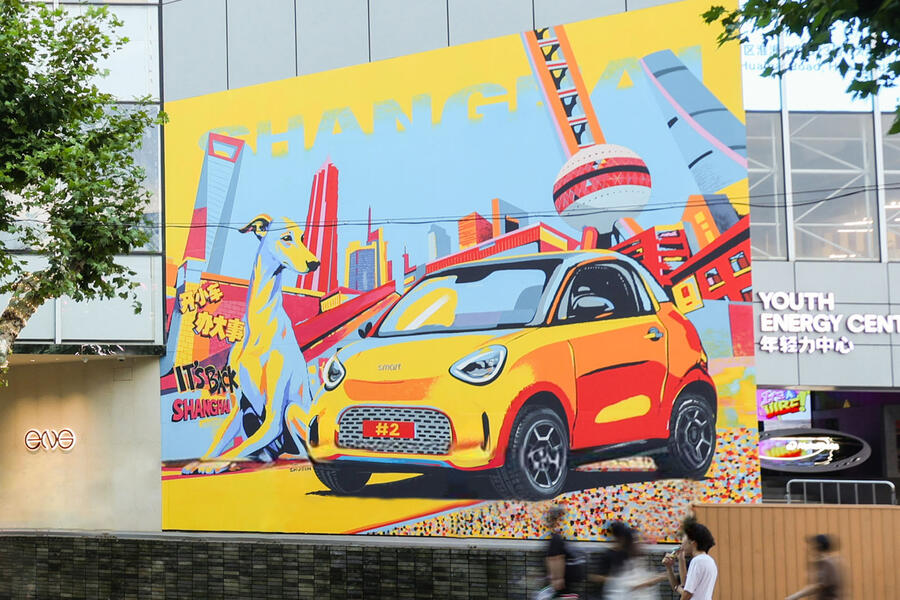
- Optimized Battery Placement: Placing the battery pack low and flat between the axles lowers the center of gravity, significantly improving handling and stability—a historical weak point for tall, short-wheelbase cars.
- Increased Range: Modern dedicated platforms allow for higher energy density. While the old EQ Fortwo struggled to achieve 80 miles of real-world range, the #2 is expected to offer a significantly higher capacity, making it viable for more than just short commutes.
- Advanced Digital Integration: The new architecture supports over-the-air (OTA) updates, advanced driver-assistance systems (ADAS), and a high-definition infotainment ecosystem that was physically impossible to integrate into the older model’s wiring loom.
Market Implications and Competitive Landscape
The repositioning of the Smart #2 comes at a time when the "A-segment" (city cars) is undergoing a radical transformation. Many manufacturers have abandoned the segment due to low profit margins and the high cost of meeting modern safety and emissions standards. However, a new sub-segment of "premium micro-mobility" is emerging.
The Smart #2 will face competition from several fronts:
- The Fiat 500e: Currently the benchmark for stylish, premium electric city cars.
- The Mini Cooper Electric: A key rival for consumers who prioritize brand prestige and driving dynamics.
- The Renault 5 E-Tech: While slightly larger, it targets the same fashion-conscious urban demographic with a retro-modern aesthetic.
- The Citroen Ami / Fiat Topolino: While these are "quadricycles" and significantly cheaper, they represent the "utility" end of the market that Smart is intentionally moving away from.
By moving upmarket, Smart is betting that urban dwellers are willing to pay a premium for a vehicle that is easy to park but does not feel like a compromise in terms of luxury or technology. This strategy aligns with the broader Mercedes-Benz goal of focusing on high-margin, luxury-oriented products rather than chasing high-volume, low-margin sales.
Official Responses and Strategic Vision
Kai Sieber’s comments regarding the Concept #2 emphasize that the vehicle is intended to "spark joy." This phrasing is a deliberate shift from the language of "solving challenges" (such as congestion or parking) to the language of "experience." Sieber noted that the car serves as a "true extension of personal identity," suggesting that the customization options—ranging from paint finishes to interior textures—will be a primary selling point.
Industry analysts suggest that the #2 is vital for Smart to maintain its "cool factor" in the Chinese and European markets. In China, where Geely has a massive footprint, there is a growing appetite for luxury micro-cars used as secondary or tertiary vehicles for wealthy urbanites. In Europe, the #2 serves as a spiritual successor to a car that achieved cult status in cities like Rome, Paris, and London.

Conclusion: A New Era for the City Car
The Smart #2 represents a bold gamble on the future of urban transportation. By abandoning the "mere utility" of the original Fortwo in favor of a "fashion-forward," premium experience, Smart is attempting to redefine the micro-car for the 21st century. The combination of Mercedes-Benz’s design prowess and Geely’s engineering scale provides the #2 with a foundation that its predecessor lacked.
As the automotive world moves toward total electrification, the #2 aims to prove that small size does not have to mean small luxury. With its bespoke architecture, minimalist yet opulent interior, and a design philosophy centered on "sparking joy," the Smart #2 is poised to become a flagship for a new generation of premium, zero-emission urban mobility. The transition from a clever solution to a "true extension of personal identity" marks the final step in Smart’s evolution from a niche experiment into a sophisticated, modern automotive brand.