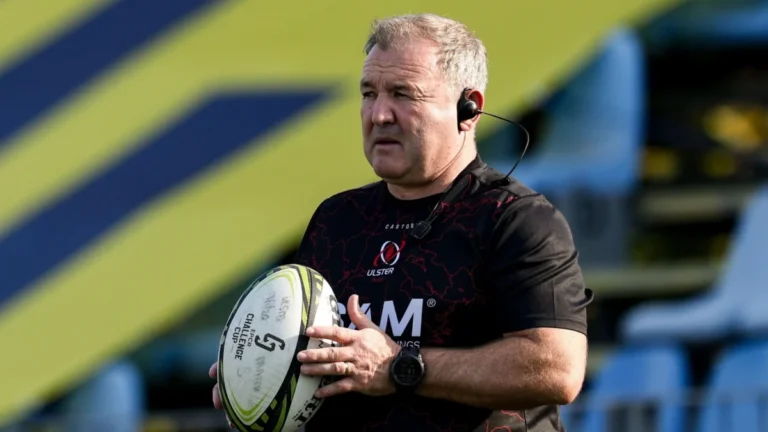


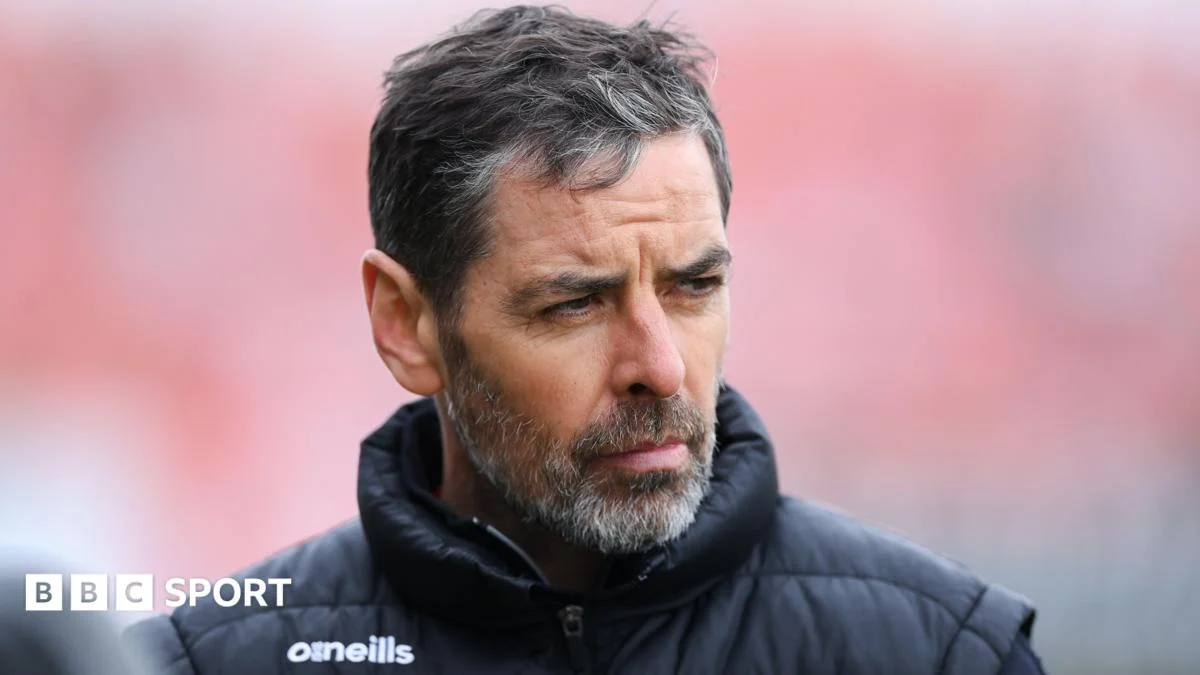
Derry City Football Club and manager Tiernan Lynch have parted ways by mutual consent, the club announced today, following a significant downturn in the team’s on-field performance. The decision comes after a series of disappointing results that have seen the Candystripes slip to sixth position in the Premier Division standings, with only one victory in their last seven league encounters.
Lynch, a highly regarded figure in Irish football, had been at the helm of Derry City for less than a year, having taken over the reins in November 2024 on a three-year contract. His arrival was met with considerable optimism, as he had previously guided Larne to back-to-back Irish Premiership titles, a testament to his tactical acumen and ability to build successful teams. However, his tenure at the Brandywell Stadium has been cut short, marking a premature end to what was envisioned as a period of sustained growth and success for the club.
Background and Context of Lynch’s Appointment
The appointment of Tiernan Lynch by Derry City was seen as a significant statement of intent. Following a commendable second-place finish in the Premier Division in the 2024 season under his predecessor, the club was eager to build upon that momentum and challenge for top honours, including European qualification. Lynch’s track record at Larne, where he transformed the club into a dominant force in Northern Irish football, made him the standout candidate for many observers. His success was characterized by astute player recruitment, a disciplined tactical approach, and a relentless pursuit of victory.
Derry City, a club with a rich history and a passionate fanbase, had been seeking to re-establish themselves as consistent contenders in the Republic of Ireland’s top flight. The club had ambitious plans for infrastructure development and squad strengthening, and Lynch was seen as the ideal individual to lead this new chapter. His arrival was heralded as a turning point, with many expecting him to replicate his Larne heroics in the SSE Airtricity League Premier Division.
A Difficult Season: Key Performance Indicators and Timeline
The current season has presented a stark contrast to the optimism surrounding Lynch’s arrival. Despite significant investment in the playing squad during the off-season, including the high-profile acquisition of Republic of Ireland international James McClean, the team has struggled to find consistent form.
Key Performance Data:
- League Position: Sixth in the Premier Division.
- Recent Form: One win in the last seven league games.
- Overall League Record: The team’s win percentage and points-per-game average have fallen short of expectations, particularly when compared to the top contenders.
- European Exit: Early elimination from the UEFA Europa Conference League at the second qualifying round stage, a significant disappointment for the club and its supporters.
Timeline of the Season’s Challenges:
- November 2024: Tiernan Lynch appointed manager on a three-year deal.
- January 2025 (Off-Season): Significant player recruitment, including James McClean, signalling strong ambition.
- July 2025 (Early Season): Performances begin to falter in the Premier Division.
- July 2025: UEFA Europa Conference League exit, raising initial concerns.
- August 2025 (Early): A string of poor league results intensifies pressure on the manager.
- August 7, 2025: Lynch departs by mutual consent.
The club’s struggles have been evident in their inability to convert promising performances into points. Defensive frailties and a lack of clinical finishing in attack have been recurring themes throughout the season. While individual talent is present within the squad, the team has not consistently displayed the cohesive unit that characterized Lynch’s successful spells elsewhere.
Player Perspectives and Internal Concerns
The internal dynamics of the club have also come under scrutiny. The high-profile signing of James McClean, a player with extensive Premier League and international experience, was intended to galvanize the squad and elevate their performance. However, McClean himself has publicly voiced concerns about the team’s direction and performance. In comments made following the club’s European exit, McClean alluded to underlying issues, stating that there was "issue somewhere" at Derry City. This candid assessment from a senior player underscored the difficulties the team was facing and suggested that the problems extended beyond mere on-field tactics.
Such statements from key players can often be indicative of deeper challenges within a squad, potentially related to team morale, communication, or strategic alignment. The inability of the team to integrate new signings effectively and translate potential into tangible results has clearly been a source of frustration for both the players and the management.
Official Statements and Club’s Response
Following the announcement of Lynch’s departure, Derry City Football Club issued a statement via their social media channels, expressing their gratitude for his contributions. "The club would like to place on record its sincere thanks to Tiernan for his professionalism, commitment and hard work during his time at Derry City," the statement read. This acknowledgement of Lynch’s efforts, despite the disappointing outcome, highlights a desire for an amicable separation and recognizes the effort invested during his tenure.
The club has also moved swiftly to address the immediate managerial vacuum. Mark Connolly has been appointed as the interim manager and is scheduled to be in the dugout for Derry City’s upcoming fixture against Sligo Rovers on Friday, August 7. Connolly, who has experience within the club’s coaching setup, will be tasked with stabilizing the team and steering them through this transitional period. His immediate priority will be to arrest the current losing streak and instill a sense of renewed purpose and fighting spirit within the squad.
Broader Implications and Future Outlook
The departure of Tiernan Lynch undoubtedly presents a significant challenge for Derry City. The club now faces the task of identifying and appointing a permanent successor, a process that will require careful consideration to ensure the long-term stability and success of the team. The choice of the next manager will be crucial, as they will need to navigate the remaining fixtures of the current season and build a squad capable of challenging for honours in the future.
The implications of this managerial change extend beyond the immediate results. It raises questions about the club’s recruitment strategy, player management, and overall sporting direction. The investment made in the squad, coupled with the high expectations, means that the club will be under pressure to demonstrate a clear and effective path forward.
For the Premier Division, the departure of a manager with Lynch’s pedigree can often lead to a period of flux for the affected club. The performance of Derry City in the coming weeks will be closely watched, as they aim to regain their competitive edge. The ability of interim manager Mark Connolly to galvanize the players and secure positive results will be a key indicator of the team’s resilience.
Furthermore, the decision by mutual consent suggests a recognition by both parties that the partnership was no longer proving beneficial. This pragmatic approach, while perhaps disappointing for fans hoping for a long-term project, allows for a fresh start for both Lynch and Derry City. The focus for the club will now shift towards rebuilding confidence, re-establishing a winning mentality, and ensuring that they can still achieve their season’s objectives, even if the initial vision has been significantly altered. The coming weeks and months will be critical in determining the trajectory of Derry City Football Club.