




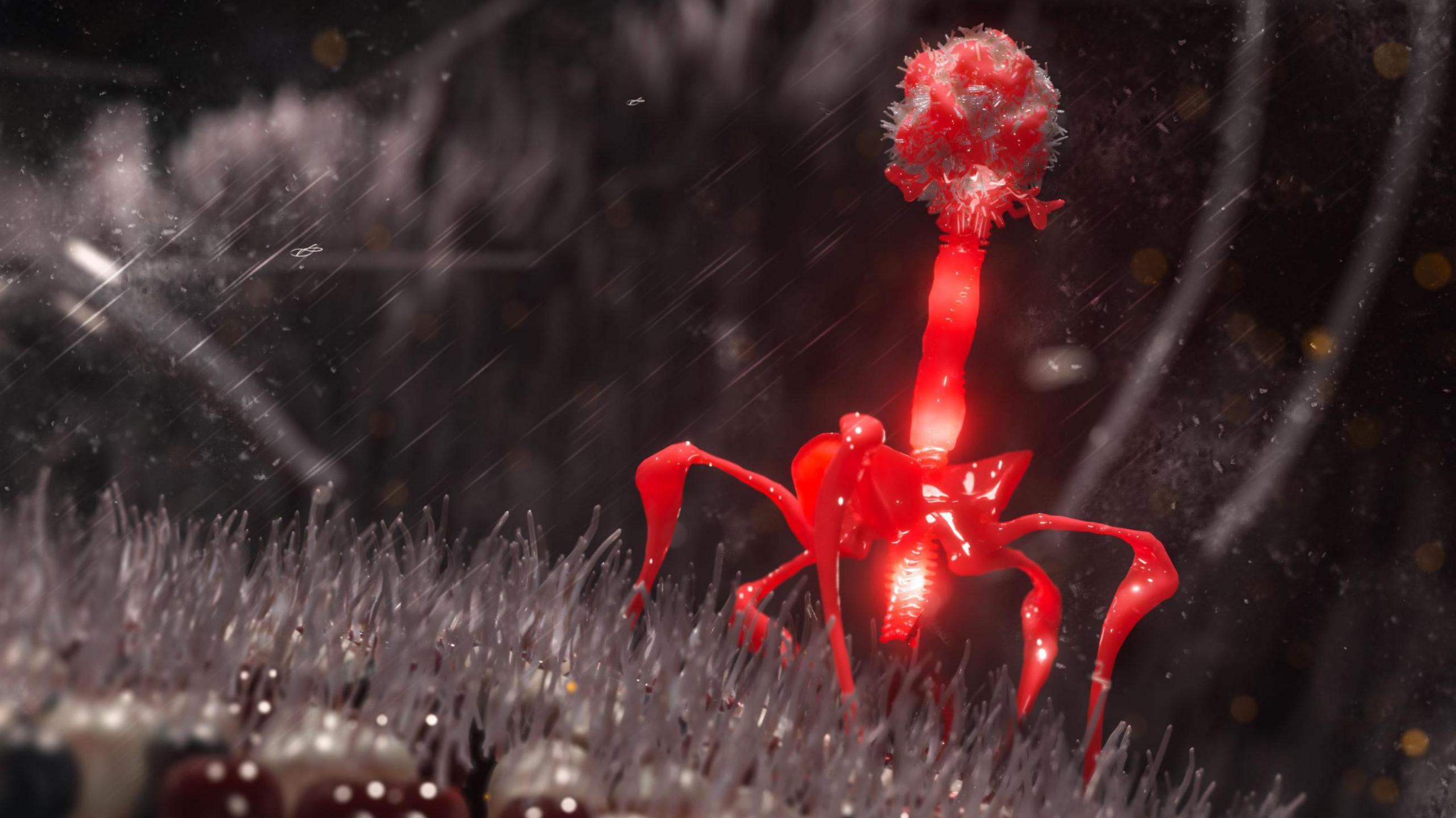
In a groundbreaking development poised to reshape the landscape of medicine and synthetic biology, researchers in the United States have successfully utilized Artificial Intelligence to design entirely new viruses capable of replication within a laboratory environment. This marks the first instance where AI has been instrumental in creating complete, functional genomes from scratch, signifying a profound leap in generative AI’s capabilities within biological sciences. The novel viruses, specifically 16 unique bacteriophages, were engineered to target and infect bacteria, such as E. coli, and have been confirmed to pose no threat to human health. While lauded as a "very significant turning point" that could usher in a new era for treating intractable diseases, this unprecedented achievement also immediately triggers "urgent" safety and security discussions among experts, highlighting the dual potential of such advanced biotechnologies.
A New Frontier in Generative AI for Biology
The journey towards designing viable biological entities using AI has been incremental. Prior applications of AI in drug discovery, for instance, have successfully accelerated the identification and design of new antibiotic compounds. However, these efforts primarily focused on individual molecules or proteins. The creation of an entire functional viral genome, which orchestrates its own replication and cellular interaction, represents a far more intricate challenge. Brian Hie, an assistant professor at Stanford University and a lead researcher on this project, underscored the magnitude of this step: "This is a next step in the complexity that’s designable by generative AI; this is the first time generative AI has been used to design a complete genome, it’s something that can replicate and have other functions inside cells… this was new territory for us."
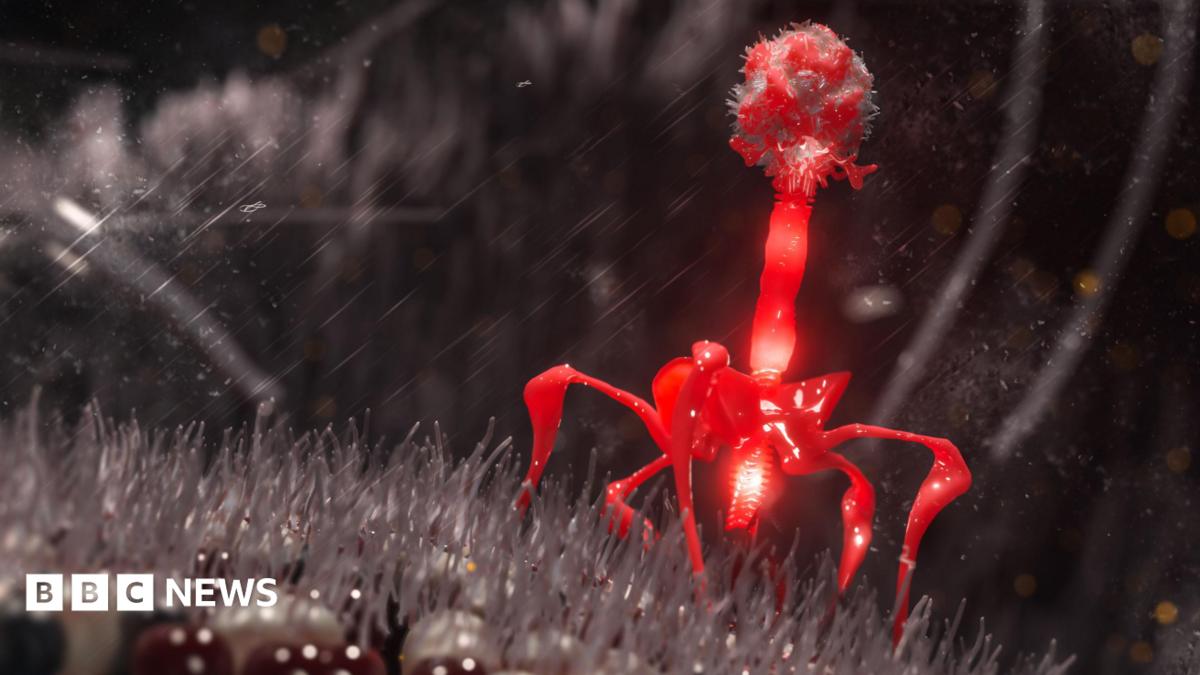
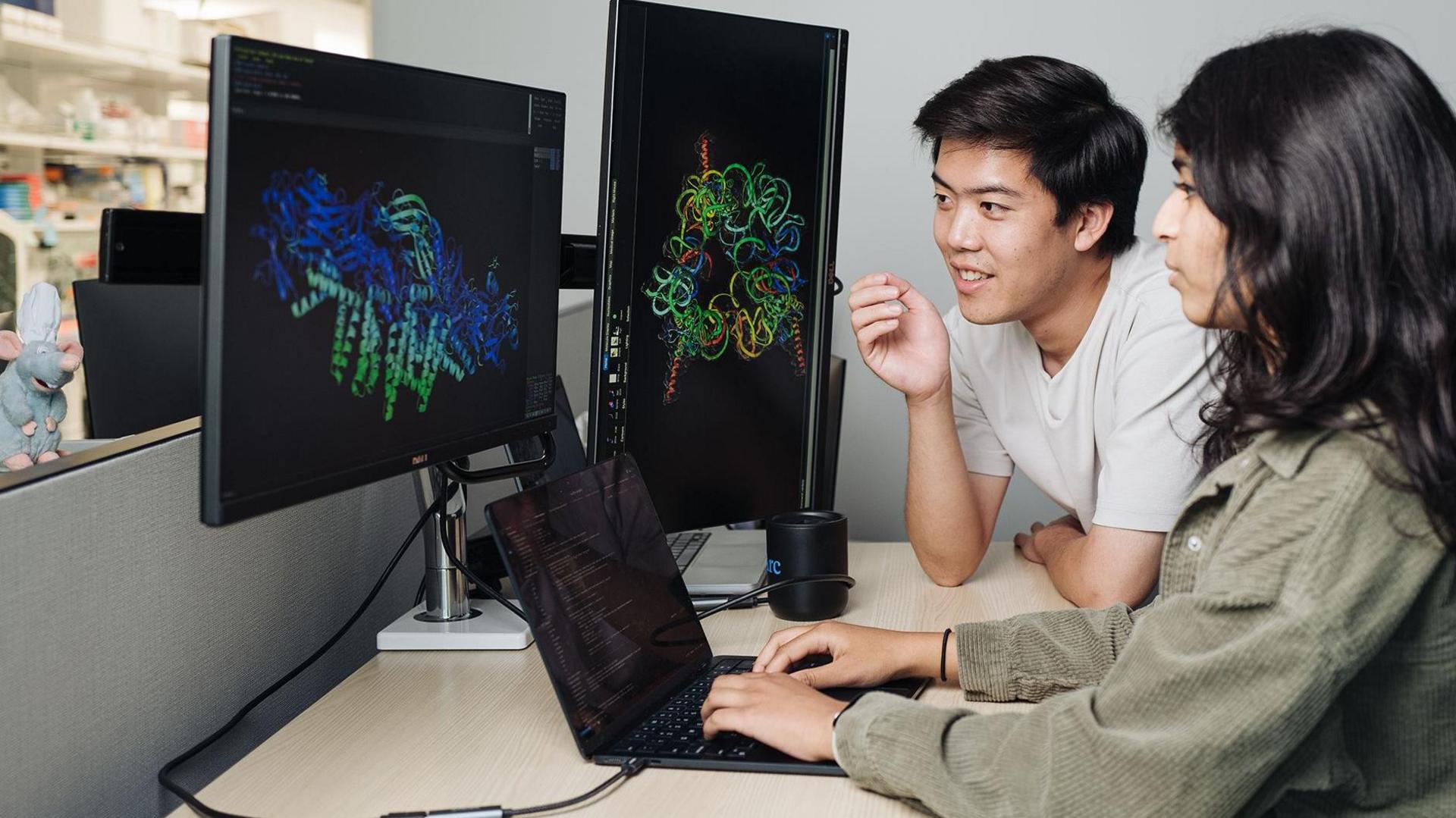
The AI models developed for this task, dubbed Evo1 and Evo2, function on principles akin to large language models like ChatGPT. Instead of predicting sequences of human language, these sophisticated algorithms were trained to predict and generate the "language of life" – genetic codes. Their extensive training datasets comprised genetic sequences from a diverse array of organisms, including various viruses, bacteria, plants, and even human genomes. This comprehensive exposure allowed the AI to discern complex patterns and rules governing biological function and genetic viability. Following this initial training, the models were further refined to specifically generate bacteriophages, a class of viruses known for their ability to infect and destroy specific bacterial species without harming human cells. This targeted approach was a deliberate safety measure taken by the research team.
The Genesis of Novel Life: From Code to Culture
The rigorous experimental process at Stanford involved several critical stages. After the AI models generated a multitude of potential bacteriophage designs, the research team meticulously selected the 302 most promising candidates based on computational predictions of their viability and efficacy. These selected genetic blueprints were then chemically synthesized in the laboratory, effectively translating the AI’s digital designs into tangible DNA molecules. The next crucial step was to introduce these synthetic genomes into bacterial cultures to observe their functionality.
The moment of truth arrived in the early hours of the morning, as recounted by Samuel King, a PhD student in the lab. The synthesized phages were introduced to petri dishes containing cultures of E. coli bacteria. The scientists anxiously awaited signs of viral activity – specifically, clear zones forming within the bacterial lawn, indicating successful infection and lysis (destruction) of the bacteria by the phages. "We were starting to see these clear spots and it was just extremely exciting," King shared. The culmination of months of computational design and laboratory synthesis was met with an outpouring of excitement, as Hie recalled the room "spontaneously burst into applause" when the positive results were shared with the wider team. Out of the 302 synthesized designs, a remarkable 16 proved to be fully functional, effectively killing E. coli bacteria. This success rate, while seemingly modest, is extraordinary given the complexity of designing a functional biological entity from scratch, underscoring the AI’s predictive power. The findings were subsequently published in the esteemed journal Science, affirming the scientific rigor and significance of the work.
Revolutionizing Medicine: A New Weapon Against Antimicrobial Resistance
The immediate and most celebrated implication of this breakthrough lies in its potential to address the escalating global crisis of antimicrobial resistance (AMR). Traditional antibiotics are rapidly losing their efficacy against increasingly resilient bacterial strains, leading to millions of infections annually that are difficult, if not impossible, to treat. The World Health Organization (WHO) and other global health bodies have consistently warned that AMR poses one of the gravest threats to global health, food security, and development today, with projections indicating millions of deaths annually if no new effective treatments are developed.
Phage therapy, which utilizes bacteriophages to infect and kill pathogenic bacteria, has been explored for over a century but faced limitations due to the difficulty in identifying, isolating, and manufacturing suitable phages for clinical use. The ability of AI to rapidly design novel, highly specific phages tailored to combat particular bacterial strains offers a powerful new avenue. These AI-designed phages could potentially overcome bacterial resistance mechanisms that render conventional antibiotics useless, offering a precision medicine approach where treatments can be designed to target specific bacterial infections with minimal impact on beneficial microbiota. This capability could dramatically shorten the drug discovery timeline, reduce development costs, and provide a continuous pipeline of new therapeutic agents against evolving superbugs.
Navigating the Ethical Minefield: Biosafety and Biosecurity in the AI Era
While the therapeutic potential of AI-designed viruses is immense, the pioneering nature of this research also casts a long shadow of ethical and security concerns. The power to design entirely new biological entities, even those intended for benevolent purposes, inevitably raises questions about potential misuse. Dr. Thomas Inglesby and Dr. Moritz Hanke from the Johns Hopkins Center for Health Security articulated these anxieties in a commentary accompanying the Science publication, stating that the findings raise "urgent biosafety and biosecurity questions."
They emphasized that the core question is no longer "whether generative viral genome design will exist" but rather how to ensure it can be utilized without "enabling serious harm." The specter of malicious actors leveraging similar AI technologies to create novel pathogens, potentially with enhanced virulence or resistance, is a significant concern for national and international security. Such scenarios necessitate a robust re-evaluation of current biosafety protocols and the implementation of proactive biosecurity measures.
The Stanford researchers themselves were acutely aware of these risks and implemented several layers of safeguards. They intentionally excluded any viruses capable of infecting complex organisms from their AI training databases. Their research focused exclusively on bacteriophages, which by definition only infect bacteria and are harmless to humans. Furthermore, all experimental work was conducted within secure laboratory environments adhering to stringent biosafety regulations. Hie affirmed that existing safeguards are a crucial first line of defense in "ensuring that the technology is used for good." However, experts like Inglesby and Hanke argue that as the technology advances, the scope of these safeguards must expand, potentially requiring new regulatory frameworks, international treaties, and enhanced oversight mechanisms to prevent the proliferation of dangerous capabilities. The scientific community is now tasked with balancing the immense promise of synthetic biology with the imperative of responsible innovation.
Beyond Viruses: The Dawn of AI-Assisted Genome Writing

This landmark achievement in designing functional viruses is more than just a step forward in virology or phage therapy; it is a profound demonstration of AI’s burgeoning capacity in synthetic biology – the design and construction of new biological parts, devices, and systems. Viruses, while complex, are not considered "alive" in the traditional sense, as they lack cellular machinery and depend on host cells for replication. The genetic code of the AI-designed bacteriophages, at approximately 5,400 base pairs, is relatively small. In contrast, the smallest known genome of a living cell is around 500,000 base pairs, and the human genome contains approximately three billion base pairs.
Despite this current limitation, the implications for future developments are vast. Hie conceded that while designing simple living organisms would entail "a lot of work," it is "not impossible" and something the team is "definitely interested in working towards." This sentiment is echoed by other leading experts in the field. Prof. Marc Güell from the synthetic biology lab at Pompeu Fabra University in Spain hailed the study as a "very significant turning point," stating, "for the first time in history, we are beginning to design biology on a computer." He envisions a future where this capability "allows us to dream of exciting possibilities for tackling humanity’s greatest challenges," extending beyond phages to include the development of novel enzymes for treating genetic disorders and advanced antibodies for immunotherapy.
Prof. Patrick Cai, Chair of Synthetic Genomics at the Manchester Institute of Biotechnology, reinforced this perspective, describing the study as an "important milestone." He elaborated that "the significance extends far beyond phages – it suggests that genome language models are beginning to learn the design principles encoded by evolution, opening the door to AI-assisted genome writing." This signifies a paradigm shift where biological design is no longer solely constrained by natural evolution but can be guided and accelerated by intelligent algorithms. The capacity to translate "bits to atoms" – from computational design to physical biological constructs – opens up entirely new avenues for innovation in fields as diverse as materials science, bioremediation, and bioenergy, promising bespoke biological solutions to complex global problems.
In conclusion, the successful AI-driven design of functional, replicating viruses marks a pivotal moment in scientific history, unveiling unprecedented potential for medical breakthroughs, particularly in the fight against antibiotic resistance. This monumental achievement, however, also serves as a stark reminder of the profound ethical and security challenges inherent in advancing such powerful technologies. As humanity stands at the precipice of AI-assisted biological creation, careful stewardship, robust regulatory frameworks, and an ongoing global dialogue will be paramount to harness its transformative power responsibly for the betterment of humankind.