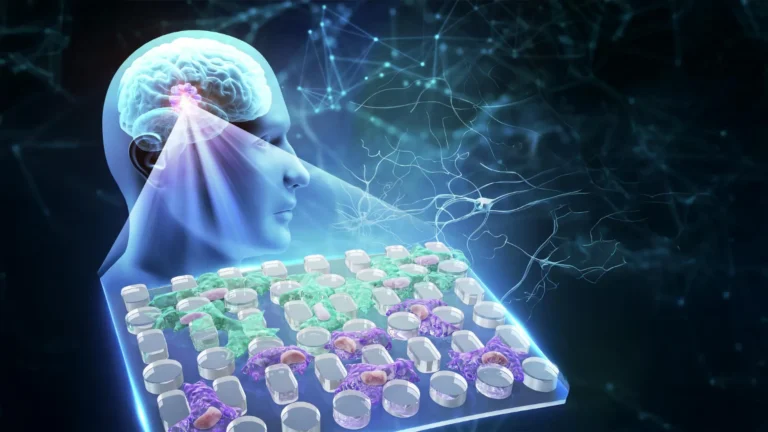
Half a century after Linus Pauling, a towering figure in 20th-century science, controversially championed extremely high doses of vitamin C as a cancer cure, modern research is cautiously revisiting his claims, revealing a more nuanced and complex picture than was initially understood. While Pauling’s initial assertions, particularly regarding oral supplementation, were largely dismissed by the medical establishment, contemporary studies suggest that under specific conditions, vitamin C can indeed exhibit potent effects, behaving less like a benign nutrient and more akin to a therapeutic agent. This re-evaluation underscores the often-unforeseen pathways of scientific discovery, where bold hypotheses, even if initially flawed, can lay the groundwork for future breakthroughs.
A Nobel Laureate’s Bold Proposition and the Scientific Backlash
Linus Pauling, a two-time Nobel Prize winner—one in Chemistry for his work on the nature of the chemical bond and another for Peace—was renowned for his intellectual rigor and groundbreaking contributions to molecular biology and quantum chemistry. His profound insights into the structure of proteins and the fundamental nature of chemical bonds reshaped scientific understanding. However, in the latter part of his illustrious career, Pauling turned his formidable intellect towards a more controversial pursuit: advocating for megadoses of vitamin C (ascorbic acid) as a means to prevent and treat cancer.
His crusade gained significant traction in the 1970s when he collaborated with Scottish physician Ewan Cameron. Together, they administered exceptionally high doses of vitamin C to patients diagnosed with advanced, incurable cancers. Their treatment protocol involved initial intravenous infusions, followed by oral supplementation in tablet form. According to their published findings, patients receiving vitamin C showed notable improvements compared to control groups who did not receive the supplement. These improvements were reported to include extended survival times and enhanced quality of life, with some patients experiencing survival durations several times longer than anticipated.
These compelling claims, however, did not go unchallenged within the scientific and medical communities. The prevailing medical consensus at the time viewed vitamin C as a crucial nutrient essential for various bodily functions, including collagen synthesis and immune support, but not as a potent anti-cancer agent. The notion of "megadosing" was met with skepticism, with many medical professionals questioning the scientific basis and potential safety of such high intake levels.
The Mayo Clinic Trials: A Definitive Rebuttal?
In an effort to rigorously test the efficacy of Pauling’s hypothesis, two large-scale, randomized controlled trials were conducted by the esteemed Mayo Clinic, a leading non-profit medical research institution in the United States. These trials aimed to provide objective data on whether high-dose vitamin C could indeed extend the lives of cancer patients. The results of these trials, published in the late 1970s and early 1980s, were unequivocal: they found no statistically significant difference in survival rates between patients who received vitamin C orally and those who received a placebo.
The Mayo Clinic trials, meticulously designed and executed, concluded that oral vitamin C supplementation did not offer any tangible benefit in terms of prolonging life for cancer patients. For the majority of oncologists and the broader medical establishment, these findings served as a decisive blow to Pauling’s claims. Vitamin C was largely relegated to the category of unproven "alternative" therapies, and Pauling’s advocacy was often characterized as a regrettable misstep by a brilliant mind venturing outside his area of expertise, a prime example of the "halo effect"—where admiration for genius in one domain can lead to an unwarranted acceptance of pronouncements in unrelated fields. Pauling’s eventual death from prostate cancer at the age of 93 further fueled this narrative, with some viewing his passing as a confirmation of the limitations of his vitamin C hypothesis.
The Crucial Distinction: Intravenous vs. Oral Administration
However, a critical detail that was overlooked by many in the initial critiques and defenses of the Mayo Clinic trials was the fundamental difference in the administration method of vitamin C. Pauling and Cameron’s initial studies involved intravenous (IV) administration of vitamin C, at least in the early stages of treatment. The subsequent Mayo Clinic trials, conversely, exclusively utilized oral tablets. This distinction is paramount due to the physiological limitations of oral absorption.
The human gastrointestinal tract has a finite capacity to absorb vitamin C. Once a certain modest daily dosage is reached, the body’s uptake significantly plateaus. Ingesting a large number of vitamin C tablets, while seemingly delivering a massive dose, will not proportionally increase the concentration of vitamin C in the bloodstream. The excess is largely excreted.
Intravenous administration, however, bypasses the digestive system entirely. This allows for the delivery of much higher concentrations of vitamin C directly into the bloodstream. Studies have shown that IV infusions can elevate blood levels of vitamin C to tens or even hundreds of times higher than what can be achieved through oral supplementation. It is at these pharmacologically high concentrations that vitamin C’s biological behavior dramatically shifts.
Vitamin C’s Dual Nature: Antioxidant to Pro-oxidant
At the physiological levels typically achieved through diet and standard oral supplementation, vitamin C functions primarily as a powerful antioxidant. It plays a vital role in neutralizing harmful free radicals, unstable molecules that can damage cells and contribute to chronic diseases, including cancer. This antioxidant capacity is crucial for maintaining cellular health and integrity.
However, at the supra-pharmacological concentrations achieved through intravenous administration, vitamin C undergoes a remarkable transformation. Instead of solely acting as an antioxidant, it can exhibit pro-oxidant properties, particularly in the microenvironment of tumors. Laboratory studies have demonstrated that high-dose vitamin C can facilitate the generation of hydrogen peroxide (H2O2), a reactive oxygen species. While hydrogen peroxide can be harmful, cancer cells, often characterized by rapid proliferation, poor oxygenation in their core, and a heightened state of metabolic stress, are particularly vulnerable to its damaging effects.
Cancer cells are already under significant oxidative stress due to their aggressive growth and metabolic demands. Their internal antioxidant defense systems are frequently overwhelmed. Introducing a sudden surge of hydrogen peroxide, generated by high-dose vitamin C, can push these stressed cancer cells past a critical threshold. The resulting oxidative damage can impair their DNA, disrupt their energy production machinery, and ultimately trigger programmed cell death (apoptosis). Crucially, normal, healthy cells, which are typically under less stress and possess more robust antioxidant defenses, are more resilient to this oxidative assault and are more likely to survive. In this context, very high-dose intravenous vitamin C functions not as a simple nutrient, but as a selective cytotoxic agent, analogous to a mild chemotherapy drug, with the key caveat that these therapeutic concentrations are unattainable through oral intake.
Emerging Evidence: A Second Look at Intravenous Vitamin C
The current landscape of research into high-dose intravenous vitamin C for cancer treatment is still in its nascent stages, characterized by promising but often mixed findings. Small-scale clinical trials have explored the use of IV vitamin C in patients with aggressive and difficult-to-treat cancers, including ovarian, pancreatic, and brain tumors. A significant observation from these studies is that many patients are able to tolerate high doses of IV vitamin C administered multiple times per week with manageable side effects. However, potential complications can arise, particularly in individuals with pre-existing kidney conditions or rare inherited metabolic disorders, underscoring that this is not a universally benign therapy to be administered without strict medical supervision.
Some preliminary studies have suggested that incorporating vitamin C infusions into standard chemotherapy regimens may lead to modest improvements in patient survival or help mitigate some of the debilitating side effects associated with chemotherapy, such as fatigue, pain, and nausea. Conversely, other trials have failed to demonstrate a clear benefit, highlighting the heterogeneity of responses and the need for further investigation. The existing body of evidence is largely derived from small and varied trials, making it premature to draw definitive conclusions about its efficacy in prolonging life for the general cancer patient population.
However, one consistent and encouraging signal emerging from these studies relates to the improvement in patients’ quality of life. Patients receiving vitamin C infusions alongside conventional chemotherapy often report a reduction in fatigue, a decrease in pain levels, and a lessening of treatment-related symptoms like nausea. For individuals grappling with advanced cancer, even if not a cure, these improvements in well-being can be profoundly meaningful.
Beyond its potential cytotoxic effects, laboratory investigations are also hinting at more intricate roles for vitamin C in cancer biology. It is known to be a cofactor for enzymes involved in epigenetic modifications—the complex process of "marking" and regulating gene expression without altering the underlying DNA sequence. These epigenetic changes are critical in cancer development and progression, influencing cellular differentiation, proliferation, and responses to environmental cues like low oxygen levels, a common characteristic of tumor microenvironments.
In some experimental settings, elevated vitamin C levels have been observed to inhibit the aggressive growth of cancer cells and enhance their susceptibility to other anti-cancer therapies. Furthermore, there are nascent, albeit speculative, suggestions that vitamin C might play a role in bolstering the immune system’s ability to recognize and target tumor cells, a concept aligned with emerging immunotherapeutic strategies in oncology.
A Partial Vindication: Pauling’s Insight and the Path Forward
Reflecting on Linus Pauling’s controversial advocacy, the most balanced assessment is that he was partly correct, though he significantly overstated the promise and did not fully grasp the underlying mechanisms. His promotion of oral vitamin C tablets as a panacea for cancer, based on the results of studies that involved intravenous administration, proved to be an overreach. Rigorous clinical trials have not substantiated the claim that high-dose oral vitamin C improves survival for established cancers, nor was it a universal remedy for a broad spectrum of illnesses as he sometimes suggested.
However, Pauling was not entirely mistaken in his intuition that vitamin C could hold a special, potent role in cancer treatment. He possessed a prescient understanding that very high doses, when delivered intravenously, would exert distinct biological effects that differed markedly from conventional nutritional supplementation. Modern research has validated this insight, confirming that IV vitamin C achieves substantially higher blood concentrations and engages in unique cellular activities.
What remains elusive are large-scale, definitive randomized controlled trials that conclusively demonstrate a significant and consistent prolongation of life for most cancer patients treated with high-dose intravenous vitamin C. Until such evidence is robustly established, IV vitamin C should be regarded as an experimental therapy. It holds sufficient promise to warrant continued rigorous scientific investigation, but it is not yet proven enough to supplant established, evidence-based standard cancer therapies. Any application of this treatment should be confined to carefully controlled clinical trials or supervised medical settings, rather than being marketed as a general "immune boost" or wellness intervention.
The narrative surrounding vitamins and their role in cancer treatment continues to evolve. The story of vitamin C and cancer serves as a potent reminder that scientific progress is rarely linear. A bold hypothesis, followed by flawed initial studies, a period of intense scientific debate and backlash, and then, years later, a more measured and meticulous return to the original question, is a recurring pattern in scientific discovery.
While Linus Pauling may never receive complete vindication for all his claims, his legacy is not solely one of delusion. In his fervent pursuit, he may have, however imperfectly, glimpsed a sliver of scientific truth long before the methodologies and understanding were in place to fully uncover and validate it. The ongoing research into intravenous vitamin C represents the scientific community’s diligent effort to meticulously explore that glimpsed truth, separating genuine therapeutic potential from unsubstantiated enthusiasm.