



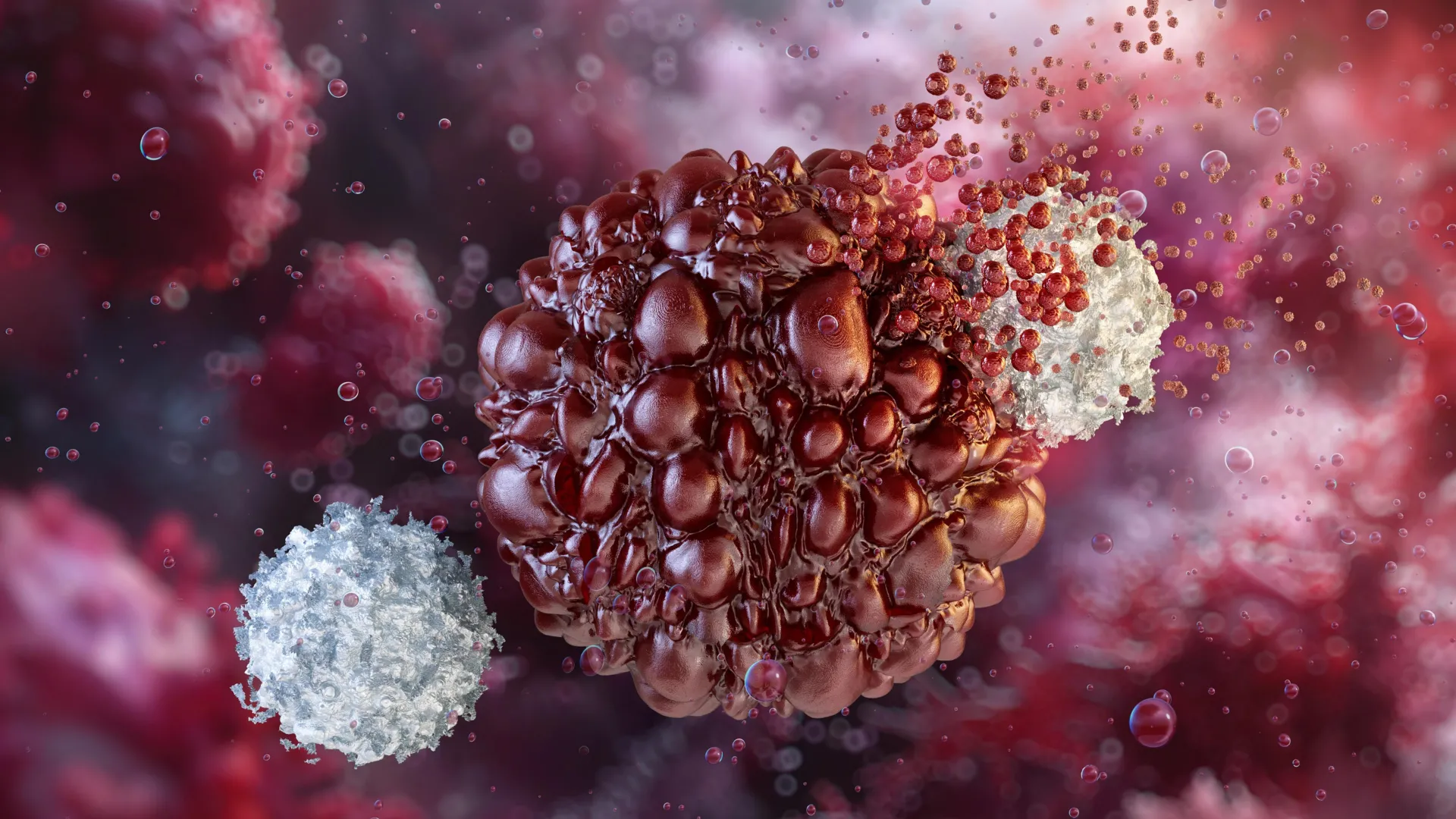
Scientists at Nagoya University in Japan have unearthed a critical role for complement C3, an immune molecule with an evolutionary history predating the development of circulatory systems, in enhancing the efficacy of cancer immunotherapy. Their groundbreaking research, published in the esteemed journal Nature Communications, reveals that C3’s ability to bolster anti-cancer immune responses is contingent on its localized production within the tumor microenvironment, rather than its presence in the bloodstream. This discovery opens exciting avenues for developing novel therapeutic strategies to overcome resistance to current immunotherapies, particularly for patients whose tumors exhibit insufficient C3 production.
The study, led by Assistant Professor Yuki Miyai of the Graduate School of Medicine at Nagoya University, challenges long-held assumptions about the function of complement C3 in the context of cancer. While C3 is well-established as a key player in the innate immune system, circulating throughout the body to combat infections, its specific contributions within the complex landscape of a tumor have remained largely enigmatic. The Nagoya University team’s findings suggest that this ancient molecular sentinel possesses a distinct, localized function that is vital for enabling the immune system to effectively infiltrate and attack cancerous cells.
The Evolutionary Roots of a Crucial Immune Player
Complement C3 is a cornerstone of the complement system, a network of proteins essential for immune defense. Its evolutionary lineage stretches back over 500 million years, appearing in even the simplest multicellular organisms like sponges and jellyfish. In higher vertebrates, including humans, the liver is the primary production site for C3, which is then released into the systemic circulation. Once in the bloodstream, C3 initiates a cascade of events that mark pathogens for destruction by immune cells and can directly lyse (burst) certain bacteria.
However, the research conducted by Miyai and his colleagues focused on a less understood aspect of C3 biology: its production and function directly within tissue environments, particularly within the intricate ecosystem of a developing tumor. "Cancer tumors are surrounded by normal cells called fibroblasts," explained Miyai in a statement accompanying the research. "Until now, the role of complement C3 produced by these cancer-associated fibroblasts within tumor tissue was not known." This gap in knowledge prompted the investigation into whether local C3 production could exert a different, perhaps more targeted, effect on the tumor microenvironment compared to its systemic counterpart.
Local C3: A Gatekeeper Against Immune Suppression
The central finding of the Nagoya University study is that C3 synthesized within the tumor microenvironment acts as a critical barrier, preventing the accumulation of immunosuppressive myeloid cells. These myeloid cells, often recruited by tumors, create an environment that shields cancer cells from immune attack by dampening the activity of cytotoxic T lymphocytes and other anti-tumor immune cells. By inhibiting the infiltration of these immune-suppressing cells, locally produced C3 effectively "clears the path" for the body’s immune system to recognize and eliminate cancer cells.
The researchers meticulously investigated this phenomenon through a series of sophisticated experiments. They utilized genetically modified mice that allowed them to precisely control the source of C3. By either reducing the systemic production of C3 (mimicking a scenario where liver production is compromised) or blocking the local production of C3 by tumor-associated fibroblasts, they could isolate the impact of each source.
A pivotal experiment involved administering an anti-PD-1 antibody, a common and highly effective form of cancer immunotherapy. In mice where liver-produced C3 was significantly reduced (by 90%), the immunotherapy drug maintained its full efficacy. This demonstrated that circulating C3 was not the primary driver of the treatment’s success. The crucial distinction emerged when the researchers engineered tumors to prevent fibroblasts from producing C3. In this scenario, the same immunotherapy treatment became markedly less effective, even though the overall level of circulating C3 in the bloodstream decreased by a mere 9%. This stark contrast underscored the paramount importance of C3’s local production at the tumor site.
Miyai elaborated on the underlying mechanism: "What determined the efficacy of the immunotherapy treatment was not the C3 in the blood, but the local C3 produced at the tumor site. When this C3 breaks down, it forms a fragment called iC3b that stops harmful myeloid cells from entering the tumor. As a result, immunotherapy is more likely to work." This breakdown product, iC3b, is believed to interfere with the signaling pathways that attract immunosuppressive myeloid cells, thereby maintaining a more permissive environment for anti-tumor immunity.
Targeting Resistance: A New Frontier in Immunotherapy
The implications of this discovery are profound, particularly for the significant proportion of cancer patients who do not respond to existing immunotherapies. Many cancers develop resistance to these treatments by actively suppressing the immune system within the tumor microenvironment. The Nagoya University team’s findings suggest a potential strategy to overcome this resistance by artificially boosting local C3 levels or mimicking its action.
In a subsequent phase of their research, the scientists explored whether they could replicate the beneficial effects of local C3 in tumors that were inherently resistant to immunotherapy. They developed and tested a therapeutic agent designed to mimic the function of C3 by blocking the infiltration of immunosuppressive myeloid cells into tumors. This experimental approach proved remarkably successful. The drug not only enabled immunotherapy to exert its effects against previously resistant tumors but also significantly extended the survival rates of the treated mice.
This proof-of-concept study suggests that interventions aimed at enhancing local C3 activity could represent a novel therapeutic class for overcoming immunotherapy resistance. Such strategies could potentially benefit a wider range of cancer patients, including those with difficult-to-treat malignancies or those who have relapsed after initial treatment.
Clinical Corroboration: Insights from Human Lung Cancer Samples
To validate their findings in a clinical setting, the researchers analyzed tumor samples from patients diagnosed with lung cancer. This patient cohort provided real-world data that strongly supported the conclusions drawn from their mouse models. The analysis revealed a significant correlation between higher levels of C3 within the tissue surrounding cancer cells and improved treatment outcomes, including longer survival times.
Specifically, approximately half of the lung cancer patients who exhibited high local C3 levels responded positively to immunotherapy treatment. In stark contrast, none of the patients with lower levels of local C3 showed a response. Crucially, similar to the experimental findings in mice, the levels of C3 detected in the bloodstream of these patients did not correlate with their response to treatment. This clinical data provides compelling evidence that local C3 production is a critical determinant of immunotherapy success in humans, mirroring the precise observations made in laboratory studies.
Future Directions and Broader Implications
The Nagoya University research team is now focused on translating these promising findings into tangible clinical applications. Their immediate next steps involve investigating methods to artificially increase C3 levels within tumors and determining the optimal timing and dosage for such interventions. This includes exploring various drug delivery mechanisms and combination therapies.
Beyond the direct application to cancer immunotherapy, the study also hints at the broader significance of locally produced C3 in various physiological processes. The researchers believe that a deeper understanding of C3’s localized activities could illuminate our knowledge of other crucial biological functions, such as wound healing and the intricate regulation of inflammation. The complement system, often viewed primarily as a systemic defense mechanism, may play a more nuanced and spatially defined role in maintaining tissue homeostasis and health.
The implications of this research extend to the future of personalized medicine. By measuring local C3 levels in tumor biopsies, clinicians may be able to identify patients who are most likely to benefit from current immunotherapies or those who would be better candidates for novel treatments that target local C3 activity. This could lead to more precise and effective treatment strategies, minimizing the administration of ineffective therapies and optimizing patient outcomes.
In summary, the discovery that complement C3, an ancient component of the immune system, plays a vital role in enabling cancer immunotherapy when produced locally within tumors represents a significant leap forward in our understanding of cancer biology and immunology. The Nagoya University team’s meticulous research, supported by compelling clinical data, offers a beacon of hope for developing new and more effective ways to combat cancer, particularly for those patients who currently face limited treatment options. The ongoing research into harnessing the power of local C3 promises to reshape the landscape of cancer immunotherapy in the years to come.