This evolution in car care was highlighted during the recent Autocar Drivers of Change awards, where Sean Kimberlin, the RAC’s Mobile Mechanic of the Year, served as a guest speaker. Kimberlin’s insights provided a window into a profession that is as much about human psychology and customer service as it is about torque wrenches and diagnostic software. While corporate success is often measured in hard metrics such as lead conversions and profit margins, Kimberlin noted that for the mobile mechanic, the ultimate KPI is often the hospitality of the client. The "tea and biscuits" metric, while seemingly lighthearted, represents a deeper shift in the relationship between the mechanic and the motorist: a move toward transparency, trust, and localized service.
The Evolution of the Mobile Service Model
The concept of the mobile mechanic is not entirely new, but its current scale and technical capability represent a significant departure from the "man with a van" operations of previous decades. Historically, mobile services were limited to emergency repairs—changing a flat tire, jump-starting a dead battery, or performing temporary fixes to get a vehicle to a "real" garage. Today, the infrastructure has matured to the point where major players like the RAC, the AA, and various independent startups can perform roughly 80% of the tasks traditionally reserved for brick-and-mortar establishments.
The catalyst for this growth was the COVID-19 pandemic, which forced a total re-evaluation of service delivery. During lockdowns, traditional garages faced capacity constraints and social distancing hurdles. Mobile mechanics, operating in open-air environments (driveways), provided a safer, more efficient alternative. Post-pandemic, the demand has not receded; instead, it has intensified. Data from the automotive aftermarket suggests that the mobile car repair market in the UK is projected to grow at a compound annual growth rate (CAGR) of over 5% through 2030, driven by the increasing complexity of modern lives and the desire for frictionless service.
A Chronology of the Shift: From Roadside to Doorstep
To understand the current state of the industry, one must look at the timeline of its development:
- Pre-2010: The Emergency Era. Mobile mechanics were primarily breakdown patrols. Their goal was recovery or "get-you-home" repairs. High-level servicing required a hydraulic lift and a static workshop.
- 2010–2018: The Digital Integration. The rise of smartphone apps and GPS tracking allowed companies to dispatch technicians more efficiently. Independent platforms like ClickMechanic began to aggregate local mobile talent, making it easier for consumers to find and book services online.
- 2019–2022: The Pivot to Maintenance. Major organizations like the RAC began rebranding their mobile units. They invested in "van-based workshops" equipped with specialized oil extraction pumps, advanced diagnostic computers, and the ability to carry out full manufacturer-spec servicing on-site.
- 2023–Present: The EV and Tech Transition. Mobile mechanics are now being trained in IMI (Institute of the Motor Industry) Level 3 and 4 certifications to handle Electric Vehicles (EVs). The focus has shifted from mechanical repair to software updates and high-voltage system health checks.
The Mechanics of the "Driveway Garage"
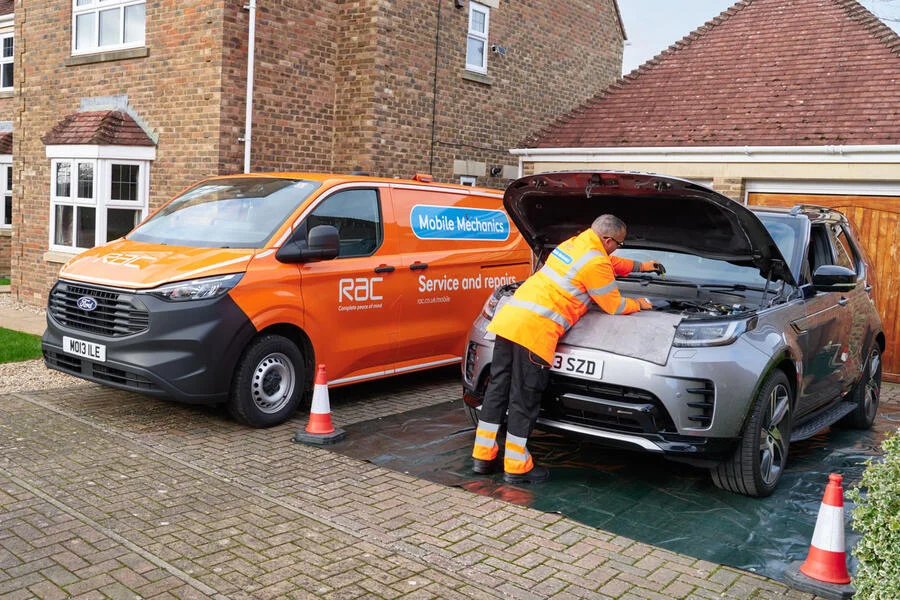
Modern mobile units are marvels of logistical engineering. A standard RAC mobile mechanic’s van is equipped with a comprehensive suite of tools that allow for oil changes, brake pad and disc replacements, battery swaps, and even complex sensor calibrations. By using vacuum-based oil extraction systems, mechanics can remove old engine oil through the dipstick tube, eliminating the need for a traditional lift and minimizing the risk of spills on a customer’s property.
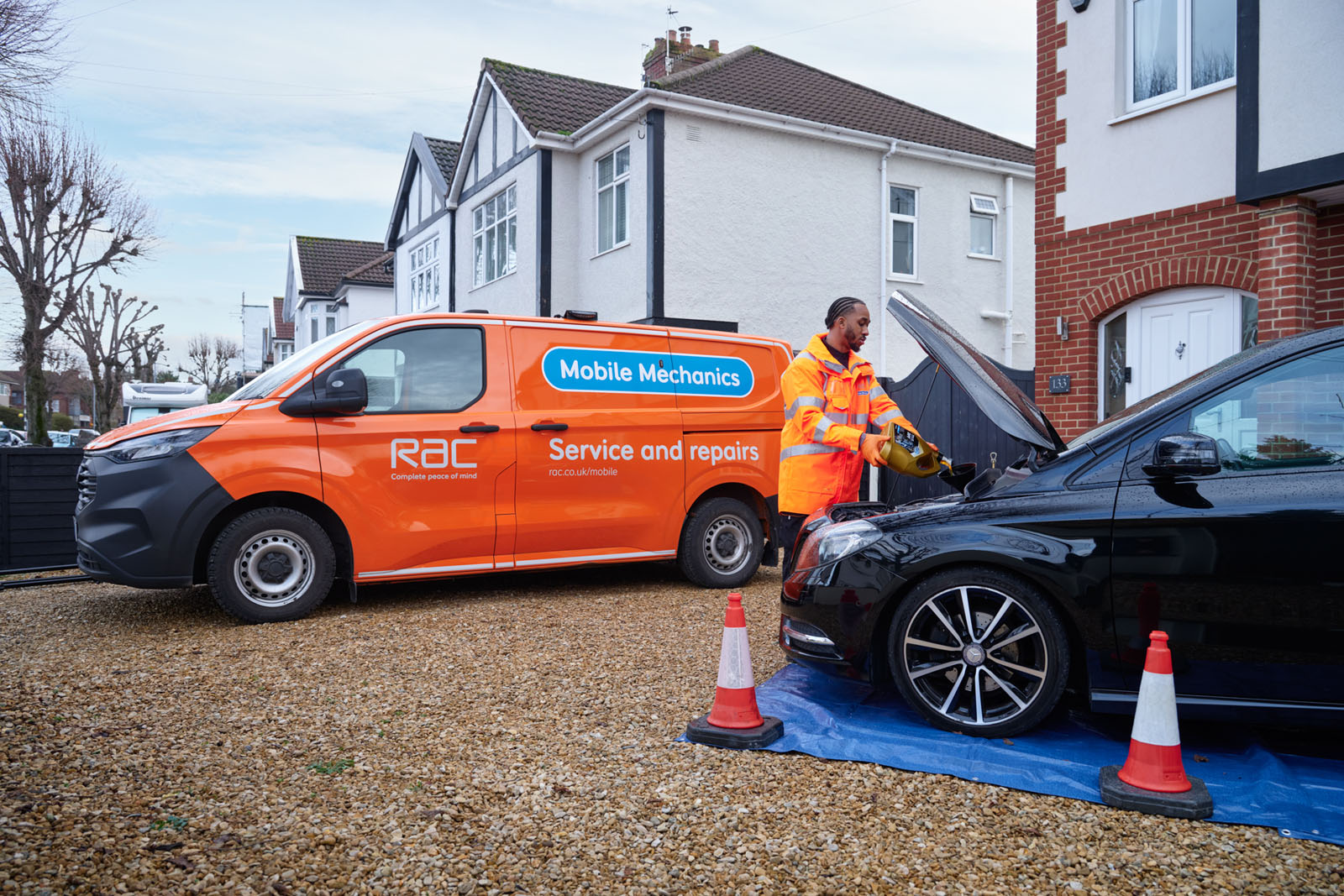
Sean Kimberlin’s role as "Mobile Mechanic of the Year" underscores the high level of skill required for this work. Unlike a workshop mechanic who can walk over to a colleague for a second opinion or access a communal tool chest, the mobile technician is a solo operator. They must be a diagnostic expert, a master of logistics, and a customer relations specialist all at once. The "Drivers of Change" award recognizes this multifaceted expertise, highlighting how these individuals are not just fixing cars but are changing the operational DNA of the automotive industry.
Supporting Data: Why Consumers are Switching
The move toward mobile servicing is backed by compelling consumer data. A recent industry survey indicated that "time-saving" was the primary motivator for 65% of customers choosing mobile mechanics. On average, a traditional garage visit consumes three to four hours of a customer’s day when including travel and waiting time. In contrast, a mobile service requires zero travel time for the owner.
Furthermore, the transparency of the "driveway garage" model addresses a long-standing issue in the automotive sector: consumer trust. According to data from the Motor Ombudsman, "lack of transparency" remains a top complaint regarding traditional repair shops. When a mechanic works on a car in the owner’s driveway, the "black box" of the workshop is removed. Customers can see the parts being replaced and speak directly to the person doing the work, which builds a level of rapport that is difficult to achieve over a service desk counter.
Economic Implications for the Aftermarket
The rise of mobile servicing has profound implications for the economics of the UK’s £21 billion automotive aftermarket. For companies like the RAC, the mobile model offers a way to bypass the massive overhead costs associated with maintaining a network of physical properties. High business rates, utility bills, and the rising cost of commercial real estate in the UK have made the traditional garage model increasingly difficult to scale.
However, the shift also presents challenges. Traditional garages often rely on "upselling"—identifying additional repairs once a car is on the lift—to maintain profit margins. Mobile mechanics must operate on a more fixed-price, transparent basis. There is also the challenge of the "difficult job." Tasks involving heavy engine work, gearbox removals, or structural welding still require a controlled environment with heavy machinery. As a result, the industry is moving toward a hybrid model where mobile units handle the high-volume, routine maintenance, while "hubs" or "centers of excellence" handle the deep-level repairs.
Official Responses and Industry Outlook
Industry leaders have been quick to recognize the permanence of this trend. In statements following the Autocar awards, representatives from the RAC emphasized that their investment in mobile technology is a response to a fundamental change in how people view car ownership. For many modern drivers, a car is a utility, and its maintenance should be as invisible and non-disruptive as a software update on a phone.
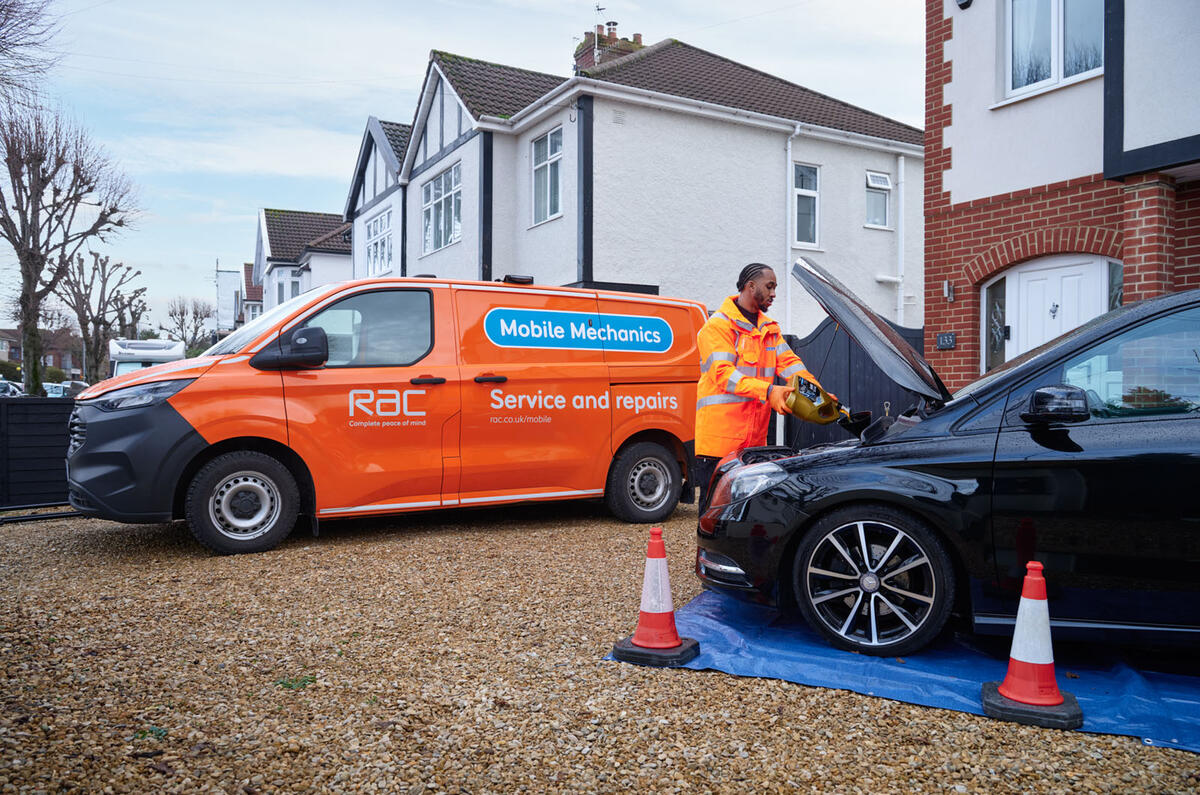
Analysts from the IMI have also noted that the "mechanic of the future" looks very different from the mechanic of the past. "We are seeing a convergence of IT skills and traditional mechanical skills," one analyst noted. "The mobile mechanic is essentially a mobile IT consultant who happens to work on a 1.5-ton piece of hardware. The training programs we are implementing now are focused heavily on data interpretation and electrical safety."
The Future: EVs and Autonomous Systems
Looking ahead, the mobile mechanic model is uniquely positioned to handle the transition to Electric Vehicles. EVs have fewer moving parts than internal combustion engine (ICE) vehicles—no spark plugs, no exhaust systems, and no complex multi-speed transmissions. However, they require more frequent software interventions and specialized cooling system maintenance.
The "garage of the future" will likely not be a building at all, but a sophisticated, data-driven service that arrives at your door before you even realize your car needs attention. Predictive maintenance, powered by telematics, will allow companies like the RAC to identify a failing battery or a worn brake sensor remotely. They will then dispatch a mobile technician like Sean Kimberlin to the vehicle’s location, performing the repair while the owner is at work or asleep.
The success of the mobile mechanic is a testament to the power of consumer-centric innovation. By moving the service to the customer, rather than forcing the customer to the service, the RAC and its contemporaries are not just fixing cars; they are reclaiming time for their clients. As the automotive world continues to evolve toward electrification and increased connectivity, the driveway—once just a place to park—is set to become the most important "stall" in the modern garage. The "tea and biscuits" provided to mechanics like Kimberlin are more than just a snack; they are a symbol of a new, more personal era of automotive care.