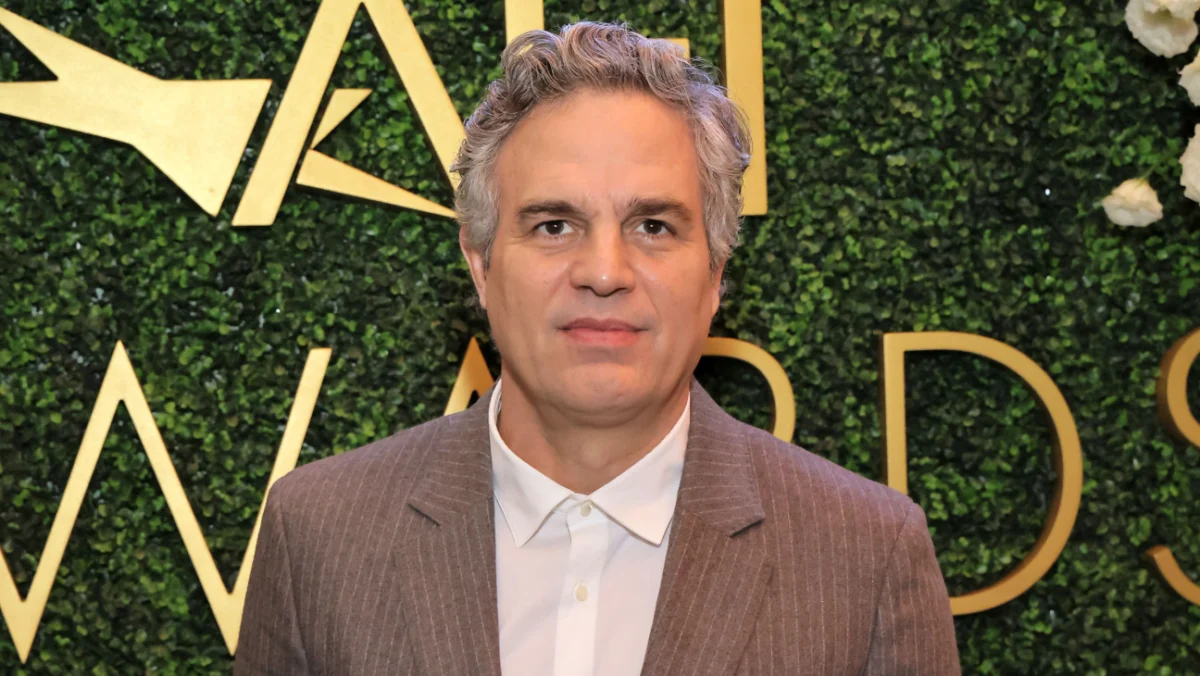
The escalating dispute between actor Mark Ruffalo and Paramount Studios has reached a critical juncture, with Ruffalo vehemently rejecting the studio’s assertion that his recent comments linking Larry Ellison’s Oracle to the Israel-Gaza war were "antisemitic." The controversy, which initially stemmed from Ruffalo’s vocal opposition to the proposed $111 billion merger between Paramount and Warner Bros. Discovery (WBD), has broadened to encompass accusations of prejudice and a fundamental misunderstanding of his political stance. Ruffalo maintains that his criticism is directed at specific corporate actions and governmental policies, not at the Jewish people as a whole.
The Genesis of the Dispute: Oracle, Tech, and the Conflict
The friction began when Mark Ruffalo shared a video clip on social media featuring Safra Catz, former CEO of Oracle, discussing "profoundly scary technologies" developed by the company. Ruffalo contextualized this clip by alleging that these technologies played a role in what he described as a "genocide" in Gaza, fueled by an "apartheid system of oppression powered by Oracle." His remarks were amplified through an Instagram story, where he further expressed concern that such advanced technologies might be integrated into one of the world’s largest media conglomerates, ostensibly referring to the potential Paramount-WBD merger. He criticized the proposed deal, stating that moguls were "crushing workers and consolidating the wealth of the world for their own power and concentrated dominance."
This statement ignited a strong response from Paramount. In a lengthy official reply, the studio not only urged for a de-escalation of the rhetoric but directly labeled Ruffalo’s comments as "antisemitic." A spokesperson for Paramount stated, "We are, as always, troubled when antisemitic tropes are invoked in purported service of a business dispute. Words like ‘genocide’ and ‘apartheid,’ applied to a corporate transaction, aren’t just wrong — they’re a bridge too far, and they cheapen the very real suffering those words are meant to describe." Paramount emphasized that they "don’t tolerate prejudice of any kind, against anyone" and expressed hope that the merger would be judged on its "legal merits, not underlying bias." They called for "less rhetoric, more understanding," framing their position as one of good faith.
Ruffalo’s Firm Rebuttal: Separating Criticism from Prejudice
In a direct and forceful response posted on X (formerly Twitter) on Saturday morning, Mark Ruffalo categorically denied the antisemitism accusation. "The accusation that I am antisemitic is appalling and fundamentally dishonest," he declared. Ruffalo articulated a clear distinction between critiquing political actions and exhibiting animosity towards an entire religious or ethnic group.
"Criticizing the actions of the Israeli prime minister, a military technology contract or the executives who supply it is not the same as criticizing Jewish people," Ruffalo explained. He lamented that "critical and necessary dialogue is then dishonestly framed as being anti-Israel." To further clarify his position, he added, "To be clear, my views come from my own political convictions and should never be interpreted as hostility toward Jewish people, for whom I have deep love and respect. Everything I know about acting, activism and humanism has been profoundly shaped by the Jewish friends, colleagues and loved ones who have been integral and family throughout every point of my life."
This nuanced position underscores Ruffalo’s argument that his objections are rooted in his political convictions and his concerns about corporate influence and the ethical implications of technology in conflict zones, rather than any form of religious or ethnic prejudice.
The Broader Context: The Paramount-Warner Bros. Discovery Merger and Antitrust Scrutiny
The controversy surrounding Ruffalo’s comments is interwoven with the complex and protracted saga of the proposed merger between Paramount Global and Warner Bros. Discovery. This potential consolidation, valued at approximately $111 billion, has faced significant hurdles, most notably an antitrust lawsuit filed by 12 state attorneys general. Paramount has indicated that this lawsuit is the sole remaining impediment to the deal, as global regulatory bodies have reportedly granted their clearances.
The lawsuit’s primary concern revolves around the potential for increased market concentration and its impact on competition and consumer choice within the media landscape. Critics, including Ruffalo, have voiced apprehension about a single entity gaining substantial control over prominent media assets like CNN, HBO, and other Warner Bros. properties. The involvement of foreign investment in the deal has also raised questions about potential influence on editorial decisions and national security implications, prompting calls for thorough governmental review from lawmakers across the political spectrum.
Key Stakeholders and Evolving Legal Landscape
The antitrust lawsuit has garnered attention from various political figures and regulators. California Governor Gavin Newsom, Attorney General Rob Bonta, and Los Angeles Mayor Karen Bass have all expressed support for settlement talks, with Newsom noting that discussions were actively underway. This suggests a potential avenue for resolving the legal impasse and allowing the merger to proceed, albeit under potentially revised terms. The involvement of figures like Xavier Becerra, a California Democratic gubernatorial candidate, further highlights the political sensitivity surrounding the deal.
The fact that global regulators have cleared the merger, while an antitrust lawsuit persists in the United States, points to the intricate nature of modern corporate transactions and the varying legal frameworks governing them. The ongoing settlement talks indicate a recognition by the parties involved that a negotiated resolution might be more feasible than a protracted legal battle.
Analyzing the Implications: Corporate Power, Ethical Technology, and Public Discourse
The exchange between Mark Ruffalo and Paramount raises critical questions about the intersection of corporate power, the ethical deployment of technology, and the nature of public discourse in an era of heightened geopolitical tensions. Ruffalo’s framing of Oracle’s technology as "profoundly scary" and its alleged role in the conflict in Gaza touches upon a broader societal concern regarding the military applications of advanced technology and the responsibility of corporations in their development and deployment.
The accusation of antisemitism, while vehemently denied by Ruffalo, reflects a sensitive and often contentious aspect of discussions surrounding the Israeli-Palestinian conflict. The use of terms like "genocide" and "apartheid," when applied to corporate transactions, can indeed be perceived as inflammatory and may overshadow the substantive business and political arguments at hand. Paramount’s response underscores the desire to keep the debate focused on the legal and financial merits of the merger, free from what they deem to be prejudiced rhetoric.
Ruffalo’s counter-argument, however, emphasizes the interconnectedness of these issues. He posits that scrutinizing the business practices of entities like Oracle, particularly their involvement in surveillance technology and government contracts, is a "fair and necessary" part of evaluating a mega-merger. His concern about "foreign money whose influence on editorial decisions has never been fully explained" highlights a legitimate worry about the transparency and accountability of powerful media conglomerates.
The Path Forward: Scrutiny, Dialogue, and Corporate Responsibility
The ongoing saga involving Mark Ruffalo, Paramount, and the proposed merger serves as a stark reminder of the complex challenges facing the media industry and the broader societal implications of corporate consolidation. As the antitrust lawsuit continues to be a focal point, the public discourse surrounding the deal will likely remain intense.
Ruffalo’s insistence on the need for bold examination of all facets of the merger—from technological implications and foreign influence to the consolidation of wealth and power—suggests a call for greater transparency and accountability from corporations involved in such significant transactions. The debate also underscores the importance of distinguishing between legitimate criticism of political actions and policies, and prejudice against any group. As the settlement talks progress, the outcome of this legal and public relations battle could set important precedents for future media mergers and the ethical considerations surrounding corporate involvement in sensitive global issues. The public will be watching to see if the proposed merger is ultimately judged on its merits, or if it becomes a casualty of a complex web of business, politics, and public opinion.