Cancer immunotherapy has revolutionized the treatment landscape for numerous malignancies, offering new hope and significantly improving outcomes for many patients. However, pancreatic cancer has persistently lagged behind, demonstrating a remarkable resistance to these once-promising therapeutic strategies. A primary impediment to effective immunotherapy in pancreatic cancer lies in the tumor microenvironment, which often creates a hostile, "cold" environment that actively repels and neutralizes immune cells crucial for launching a successful anti-cancer attack. This recalcitrance has made pancreatic cancer one of the most challenging diseases to treat, with a historically poor prognosis.
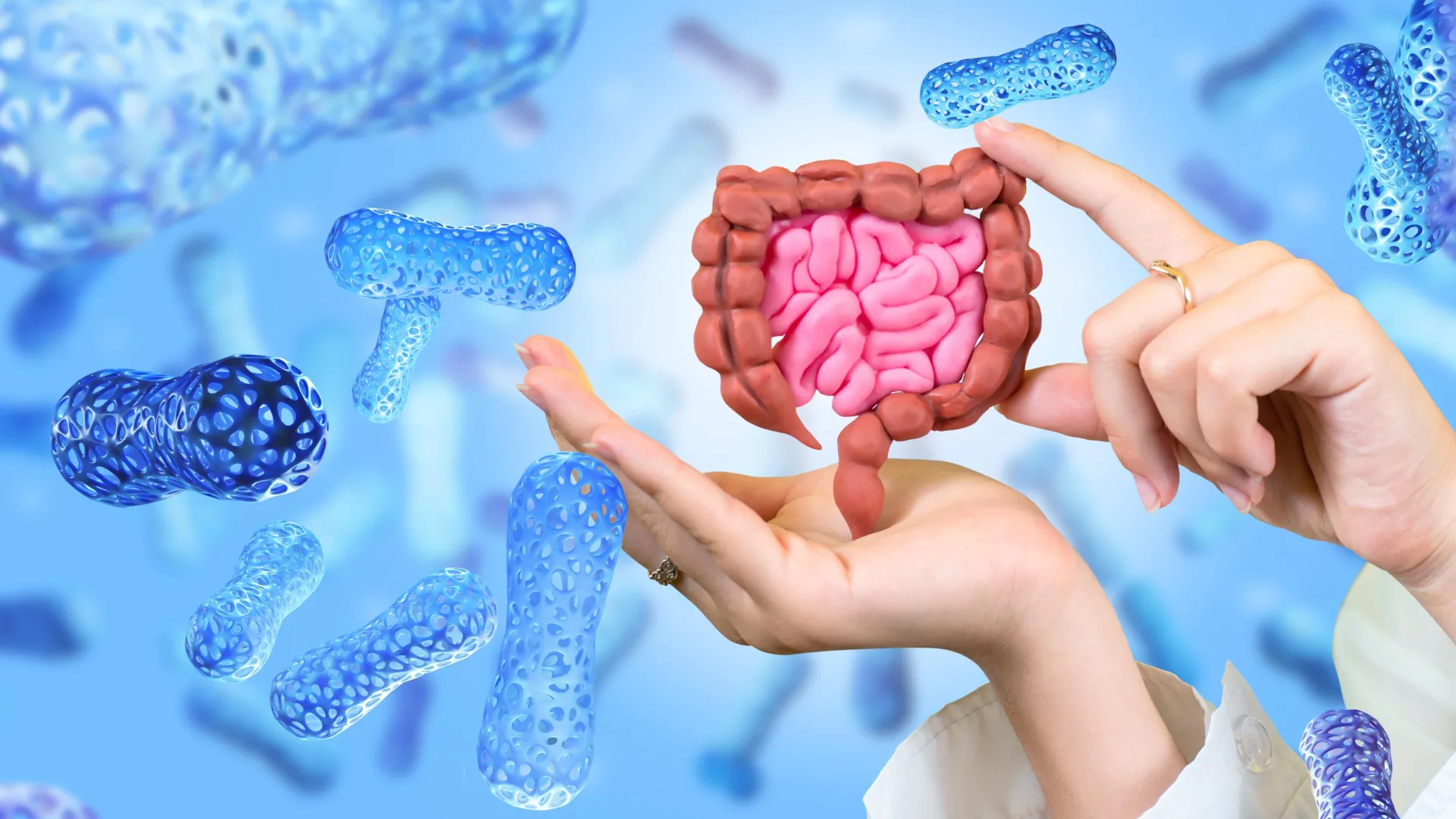
Now, researchers at the University of Chicago have unveiled a groundbreaking approach that may finally tip the scales against this formidable foe. Their innovative strategy, detailed in a recent publication in the esteemed journal Science Advances, harnesses the power of a genetically engineered probiotic bacterium, Bifidobacterium longum, to deliver potent immune-stimulating treatment directly to the heart of pancreatic tumors. This engineered strain, dubbed BifidoSumIL-2, represents a significant leap forward in the quest to reawaken the immune system’s dormant power against pancreatic cancer.
A Novel Trojan Horse: Bacteria as Targeted Drug Delivery Systems
The core of this new therapy lies in its ingenious design: using a bacterium as a living, microscopic delivery vehicle for a therapeutic agent. BifidoSumIL-2 is a modified strain of Bifidobacterium longum, a beneficial probiotic commonly found in the human gut, known for its safety profile and established presence in everyday consumables like yogurt. The researchers have engineered this bacterium to carry and release a specifically designed immune-modulating molecule, a modified form of interleukin-2 (IL-2), directly within the tumor.
"A big unmet medical need has been pancreatic cancer, and so that was going to be our mountain to climb," stated Dr. Ralph Weichselbaum, MD, the Daniel K. Ludwig Distinguished Service Professor and Chair of Radiation and Cellular Oncology at the University of Chicago, underscoring the critical importance of this research.
Interleukin-2 (IL-2) is a naturally occurring cytokine that plays a vital role in immune system function, particularly in activating T cells, which are key players in identifying and destroying cancer cells. However, conventional systemic administration of IL-2 has been plagued by significant drawbacks. It can trigger widespread immune activation, leading to severe, potentially life-threatening side effects. Furthermore, it can paradoxically stimulate regulatory T cells, which actively suppress anti-tumor immune responses, thereby counteracting its intended therapeutic effect.
To circumvent these limitations, the UChicago team employed SumIL-2, a meticulously engineered variant of IL-2. This modified molecule is designed to preferentially activate cancer-fighting T cells (cytotoxic T cells) while minimizing the stimulation of regulatory T cells. The true innovation, however, lies in encapsulating SumIL-2 within Bifidobacterium longum. This clever maneuver concentrates the therapeutic payload directly at the tumor site, dramatically reducing systemic exposure and the associated risks of off-target immune activation.
The Science Behind the Selectivity: Exploiting Tumor Microenvironment Characteristics
The choice of Bifidobacterium as a delivery system is not arbitrary; it is rooted in the bacterium’s unique biological characteristics that naturally favor tumor targeting. Bifidobacterium are obligate anaerobes, meaning they thrive in environments with very low oxygen levels. This physiological preference aligns perfectly with the hypoxic (low-oxygen) conditions commonly found within the dense microenvironment of many solid tumors, including pancreatic tumors. Healthy tissues, in contrast, generally have higher oxygen concentrations, rendering them less hospitable for these bacteria.
"Bifidobacterium is an obligate anaerobe, so it doesn’t grow in the presence of oxygen," explained Dr. Mark Mimee, PhD, Assistant Professor of Microbiology at the University of Chicago. "When the bacteria are injected systemically, they are cleared from healthy tissues with abundant oxygen. Inside the low-oxygen regions of tumors, however, they can become active."
This inherent selectivity allows the engineered bacteria to act as localized, on-demand drug factories. Once administered and having navigated to the tumor, they begin to proliferate and produce SumIL-2 precisely where it is needed most. This targeted approach maximizes therapeutic efficacy while minimizing the potential for systemic toxicity.
The development of this complex therapeutic required a highly interdisciplinary collaboration. Scientists from diverse fields, including microbiology, synthetic biology, oncology, and immunology, pooled their expertise. "This was a highly interdisciplinary effort," Dr. Mimee emphasized. "We had to bring together people who understand bacteria, people who understand tumors, and people who understand the immune system to make something like this possible."
Preclinical Success: Promising Results in Animal Models
In rigorous preclinical studies conducted in animal models, BifidoSumIL-2 demonstrated remarkable efficacy. The engineered bacteria preferentially accumulated within pancreatic tumors, where they effectively stimulated anti-tumor immune activity. This localized immune activation led to a significant slowdown in tumor growth. Crucially, the therapy also appeared to reshape the tumor microenvironment in a favorable manner, characterized by an increase in the activity of cancer-fighting CD8+ T cells, which are critical for eliminating malignant cells.
The impact of BifidoSumIL-2 became even more pronounced when it was combined with established cancer treatments. When administered alongside chemotherapy, radiotherapy, or conventional immunotherapy (specifically an anti-PD-L1 agent), the bacterial therapy significantly enhanced tumor control and prolonged survival rates compared to each treatment administered alone.
"This combination potential is one of the study’s most important findings; BifidoSumIL-2 not only works by itself — it works with radiotherapy, chemotherapy, and immunotherapy," Dr. Weichselbaum affirmed, highlighting the versatility and synergistic potential of this novel approach.
Challenges and Future Directions: Towards Human Trials
While the preclinical data are highly encouraging, the journey from laboratory discovery to clinical application is a long and complex one. BifidoSumIL-2 has not yet been tested in human subjects. Future research will be essential to thoroughly evaluate its long-term safety profile in humans, investigate the possibility of unintended effects on healthy tissues, and determine the durability and longevity of the induced immune response. Furthermore, the researchers aim to explore alternative delivery methods, such as oral administration, which could offer greater convenience for patients compared to injections.
The team is also keen to investigate the compatibility of this bacterial therapy with emerging pancreatic cancer treatments, including targeted therapies such as KRAS inhibitors, which are becoming increasingly important in managing specific subtypes of the disease. Understanding how BifidoSumIL-2 interacts with these newer modalities could unlock even more potent therapeutic combinations.
The Rise of "Bugs as Drugs": A Paradigm Shift in Therapeutics
This pioneering work by the University of Chicago team is a significant contribution to the rapidly growing field of "bugs as drugs." This innovative paradigm involves engineering beneficial microorganisms, such as probiotics, to serve as living therapeutic agents. By programming these microbes to home in on diseased tissues and produce therapeutic compounds directly at the site of illness, scientists aim to achieve unprecedented levels of treatment localization. This approach holds the promise of delivering potent therapies with enhanced efficacy and drastically reduced systemic side effects, representing a potential paradigm shift in how we approach a wide range of diseases, not just cancer.
The implications of this research extend beyond pancreatic cancer. The principles of using engineered probiotics for targeted drug delivery could be adapted to treat other cancers with similarly resistant microenvironments or even a variety of non-cancerous diseases where localized therapeutic intervention is desired. The ability to harness the body’s own microbial inhabitants as sophisticated drug delivery systems offers a powerful new avenue for medical innovation.
A Commitment to Advancing Cancer Care
The study, titled "Engineered probiotic Bifidobacterium for tumor-targeted pancreatic cancer therapy," received crucial support from the Ludwig Foundation and the National Institutes of Health, underscoring the significant investment in tackling challenging diseases like pancreatic cancer.
The research team included a multidisciplinary group of scientists from the University of Chicago, including Jaehyun Lee, Kaiting Yang, Christina Nowicki, Wei Liu, Emile Naccasha, and Hua Liang. Additional contributions came from Zhichen Sun at the University of Texas Southwestern, Dallas, and Yang-Xin Fu at Tsinghua University, Beijing, China, highlighting the global nature of scientific collaboration in addressing critical health challenges.
This advancement aligns with the University of Chicago Medicine’s ongoing commitment to leading the charge in cancer care and research. The institution is set to inaugurate the AbbVie Foundation Cancer Pavilion in April 2027. This state-of-the-art, freestanding facility in Chicago is poised to become a beacon for advanced diagnostics, groundbreaking treatments, and rapid translation of scientific discoveries into patient care, further solidifying UChicago Medicine’s position at the forefront of the fight against cancer. The development of therapies like BifidoSumIL-2 exemplifies the innovative spirit driving these advancements.