A groundbreaking yearlong study has revealed a compelling alternative to traditional antibiotic treatments for severe periodontitis. Researchers have found that a regimen combining omega-3 fatty acids and low-dose acetylsalicylic acid (ASA), commonly known as aspirin, performed nearly as effectively as a course of antibiotics in patients with advanced gum disease. This discovery holds significant implications for reducing the reliance on antibiotics, a critical development in the ongoing global battle against antimicrobial resistance.
The extensive research, a collaborative effort involving scientists from Albert Einstein Israelite Hospital, Guarulhos University (UNG), the University of Taubaté (UNITAU), the Ribeirão Preto School of Dentistry at USP (FORP-USP) in Brazil, and Harvard University in the United States, was recently published in the prestigious Journal of Periodontology. The findings suggest that this novel therapeutic approach could offer a viable treatment option for selected patients, potentially mitigating the risks associated with prolonged antibiotic use.
The Devastating Impact of Severe Periodontitis
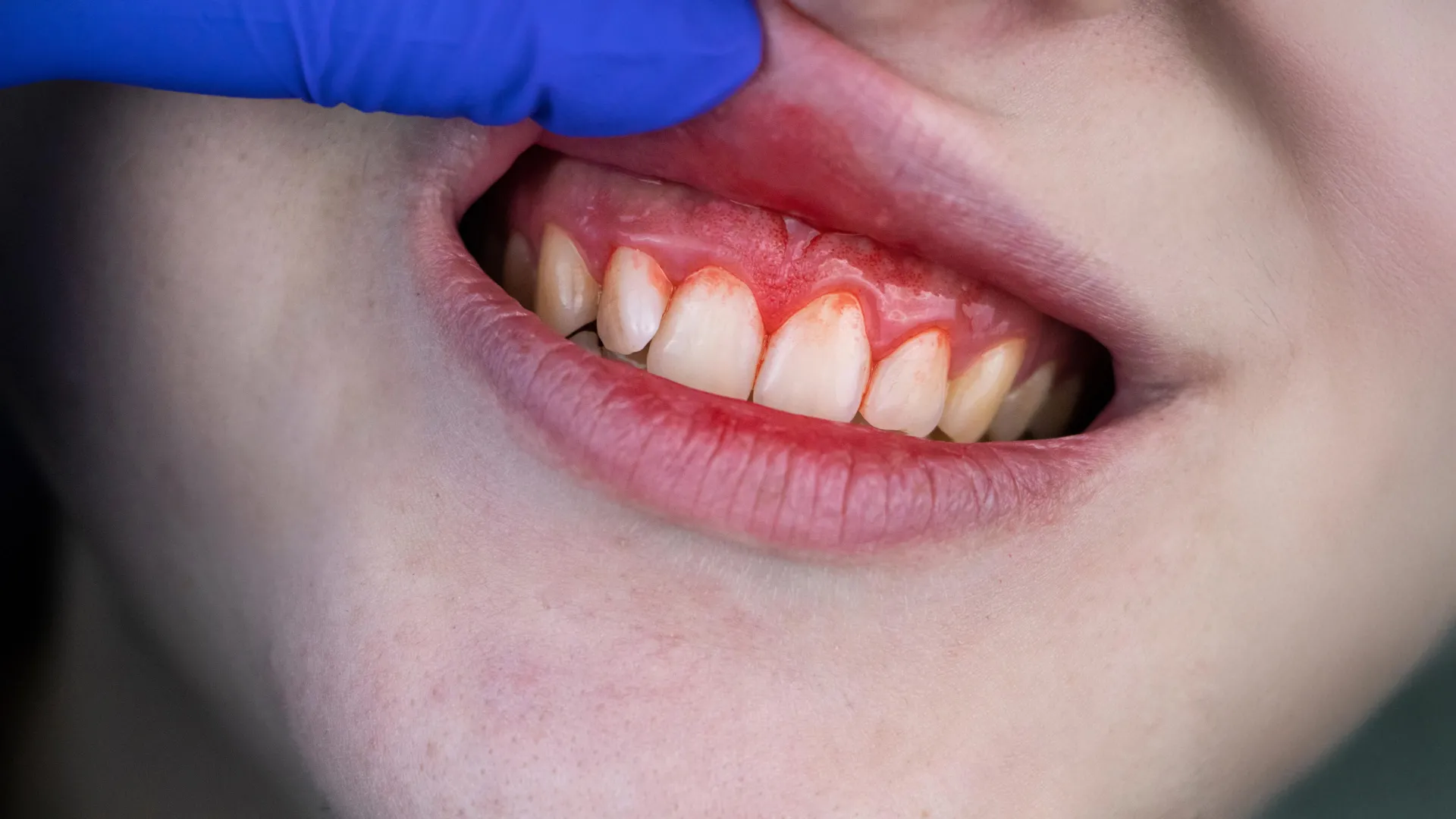
Periodontitis, a chronic inflammatory disease, poses a significant threat to oral health and can have far-reaching consequences for overall well-being. It originates from the accumulation of bacteria beneath the gumline, which triggers an inflammatory response that progressively damages the tissues supporting the teeth. In its advanced stages, this destructive process can lead to the erosion of alveolar bone, causing teeth to loosen and ultimately resulting in tooth loss. This can significantly impair a person’s ability to eat, speak, and maintain their overall quality of life.
"Patients experiencing severe periodontitis often present with deep periodontal pockets, which serve as breeding grounds for the specific bacteria implicated in the disease’s progression. Managing this condition is exceptionally challenging," stated Dr. Nádia Cristina Castro dos Santos, the study’s first author and a professor and researcher at Einstein. These deep pockets are notoriously difficult to clean effectively with standard oral hygiene practices and even professional cleanings.
The clinical study, generously supported by FAPESP (projects 20/05874-2 and 20/05875-9), enrolled 109 individuals diagnosed with advanced periodontitis. These participants were meticulously monitored over a full year to assess the efficacy of various treatment strategies. The need for effective treatments that minimize adverse effects and combat resistance is paramount, given the escalating global concern over antimicrobial resistance, which threatens to undermine modern medicine’s ability to treat infections.
A Comparative Analysis of Four Treatment Strategies
To rigorously evaluate the effectiveness of different therapeutic approaches, the study participants were randomly assigned to one of four distinct treatment groups. A fundamental component of care for all participants was subgingival instrumentation, commonly referred to as scaling and root planing. This essential procedure involves the meticulous removal of bacterial plaque, calculus (tartar), and other irritating deposits from the root surfaces of teeth below the gumline. It is considered the cornerstone of non-surgical periodontal therapy.
The critical differentiator between the groups lay in the additional therapeutic interventions they received alongside the standard scaling procedure.
-
Group 1: Control Group: Participants in this group received placebo versions of the experimental treatments. This included placebo capsules designed to mimic the appearance of antibiotics, omega-3 supplements, and ASA. This group served as a baseline to isolate the effects of the active interventions.
-
Group 2: Antibiotic Therapy: This group was administered a standard 14-day course of a combination of metronidazole and amoxicillin. This antibiotic regimen is recognized for its potent antibacterial action and has a substantial body of scientific evidence supporting its use in managing severe periodontitis. The prescribed dosage was three times daily for the duration of the two-week treatment period.
-
Group 3: Omega-3 and ASA Therapy: In this group, participants received three grams of omega-3 fatty acids daily, supplemented by a daily low dose of aspirin. This regimen was sustained for a period of six months. The rationale behind this combination was to explore the anti-inflammatory and tissue-repairing potential of these agents.
-
Group 4: Combined Therapy: This group received a dual approach, initially undergoing the 14-day antibiotic treatment (metronidazole and amoxicillin) while simultaneously adhering to the six-month regimen of omega-3 and low-dose ASA. The researchers aimed to determine if combining antibiotics with the omega-3/ASA protocol would yield superior outcomes.
The progress of all participants was systematically assessed at three, six, and twelve months following the initiation of their respective treatments. This longitudinal monitoring allowed researchers to observe both short-term and long-term therapeutic effects.
Remarkable Equivalence: Omega-3 and Aspirin Mirror Antibiotic Efficacy
The study’s results after one year yielded a particularly striking finding. In the group treated with antibiotics, approximately 58% of patients achieved the predefined clinical success target. This target was specifically defined as maintaining no more than four remaining deep periodontal pockets (defined as probing depths of 5 mm or greater).
Astonishingly, the group receiving the combination of omega-3 fatty acids and low-dose ASA achieved a nearly identical success rate, with 57.7% of participants meeting the same clinical objective. This level of performance is remarkable and directly challenges the long-held assumption that antibiotics are the sole effective treatment for severe cases.
In stark contrast, participants who received only the standard scaling and placebo treatment demonstrated significantly poorer outcomes. Only 23.1% of this control group managed to reach the established clinical goal. This substantial difference underscores the necessity of adjunct therapies beyond basic mechanical debridement in managing severe periodontitis.
Perhaps one of the most surprising observations was that the group receiving both antibiotics and the omega-3/ASA regimen did not exhibit any additional clinical benefit compared to those who received either therapy alone. This suggests that the additional omega-3 and ASA intervention, when combined with antibiotics, did not provide synergistic advantages, indicating that the alternative therapy might be sufficient in many cases.
"The routine use of antibiotics is not considered the ultimate gold standard of treatment," explained Dr. Castro dos Santos. "While metronidazole and amoxicillin can deliver good results in the most severe cases, their application warrants careful, case-by-case evaluation due to the inherent risks associated with promoting bacterial resistance and the potential for adverse side effects." These side effects can range from gastrointestinal disturbances to allergic reactions, making the exploration of alternatives a priority.
Building on Previous Research: The Promise of Omega-3
These groundbreaking findings are not entirely without precedent. They build upon a growing body of research that has explored the anti-inflammatory properties of omega-3 fatty acids and their potential role in managing inflammatory conditions, including periodontal disease.
An earlier study, also supported by FAPESP and published in Scientific Reports, investigated the effects of omega-3 supplementation in an animal model. In that research, conducted on rats, omega-3 supplementation was found to effectively reduce both inflammation and bone loss associated with periodontal disease. The beneficial effects were particularly pronounced when omega-3 supplementation was combined with physical exercise. While this animal study could not definitively establish the same effects in humans, it provided crucial preliminary evidence that omega-3 fatty acids might indeed influence the inflammatory pathways implicated in oral diseases.
Understanding the Mechanism: Resolving Inflammation Naturally
Dr. Castro elaborated on the unique way omega-3 fatty acids exert their effects, distinguishing them from conventional anti-inflammatory medications. Instead of merely suppressing specific inflammatory pathways, omega-3s are metabolized into specialized pro-resolving mediators (SPMs). These molecules actively promote the natural resolution of inflammation and facilitate tissue repair processes within the body.
Low-dose acetylsalicylic acid (ASA) was incorporated into the study design due to its known ability to enhance the production of these inflammation-resolving molecules. The researchers hypothesized that by combining omega-3 fatty acids with ASA, they could potentially amplify the body’s innate capacity to manage and overcome the persistent inflammation characteristic of periodontitis.
"Our initial hypothesis was that the combination of antibiotics with omega-3 would be the most effective in controlling periodontitis in these patients," Dr. Castro admitted. "We also anticipated that the results from the omega-3 and ASA group might be slightly less impressive than those from the antibiotic group. The outcome was genuinely surprising, as the two therapies demonstrated remarkably similar efficacy. This opens a significant avenue for this approach to become a recognized treatment option for patients."
Enduring Benefits: The Long-Term Impact of Omega-3 and ASA
Adding another layer of intrigue to the study’s findings, the researchers observed that the positive clinical effects observed in the omega-3 and ASA group persisted long after the treatment regimen had concluded. Participants who had completed their six-month course of omega-3 and ASA continued to exhibit clinical improvements comparable to those seen at the end of treatment, even up to six months after supplementation had ceased.
Dr. Castro suggested that this sustained benefit might be attributed to the therapy’s potential to alter the body’s fundamental inflammatory response. By modulating how the body handles inflammation, it could lead to more enduring therapeutic outcomes. The exact mechanisms behind this long-lasting effect are still under active investigation by the research team.
Dr. Magda Feres, the study’s lead author and a distinguished full professor at the Harvard School of Dental Medicine and the Graduate Program in Dentistry at UNG, emphasized the broader implications of these findings. "The combination of omega-3 and low-dose aspirin achieved clinical benefits comparable to those of the metronidazole and amoxicillin protocol," she stated. "This presents a genuine alternative for individuals who cannot tolerate or are contraindicated for antibiotics, particularly patients with allergies or intolerance to these medications."
A Crucial Step Towards Reducing Antibiotic Use
The prospect of treating severe periodontitis without resorting to antibiotics is particularly significant in light of the escalating global public health crisis of antimicrobial resistance. This phenomenon occurs when bacteria evolve to withstand the effects of antibiotics, rendering infections increasingly difficult to treat. Consequently, reducing the unnecessary and inappropriate use of antibiotics is a critical public health objective.
"Demonstrating that it is possible to manage severe periodontitis by modulating the body’s own inflammatory response is novel and highly relevant information," commented Dr. Feres. "This approach helps to preserve precious antibiotics for situations where they are truly indispensable, safeguarding their efficacy for future generations."
The Path Forward: More Research is Needed
Despite the overwhelmingly positive and promising results, the researchers are careful to emphasize that omega-3 and aspirin should not yet be considered a routine replacement for antibiotics in the management of severe periodontitis. The current clinical trial was conducted on a cohort of patients who did not present with significant systemic or other oral health complications.
Further extensive research will be imperative to validate these findings in broader and more diverse patient populations. Establishing clear criteria for identifying which patients are most likely to benefit from the omega-3/ASA therapy, as opposed to traditional antibiotic treatments, will be a key focus of future studies.
Additionally, the research team is currently conducting detailed microbiological analyses to gain a deeper understanding of the changes occurring within the periodontal pockets during different treatment regimens. Preliminary findings from these analyses suggest that the alternative therapies may not only reduce the presence of specific bacteria associated with periodontal disease but also promote the growth of beneficial microorganisms linked to healthier gum environments.
"This represents an important step forward, but it is not the definitive conclusion," Dr. Feres concluded. "Therefore, the message is one of cautious optimism: we have identified a promising, scientifically plausible alternative to antibiotics in select cases. However, its widespread adoption as a routine replacement will necessitate further robust evidence." The ongoing investigations into the precise mechanisms of action and the long-term outcomes will be crucial in shaping the future of periodontal treatment.