



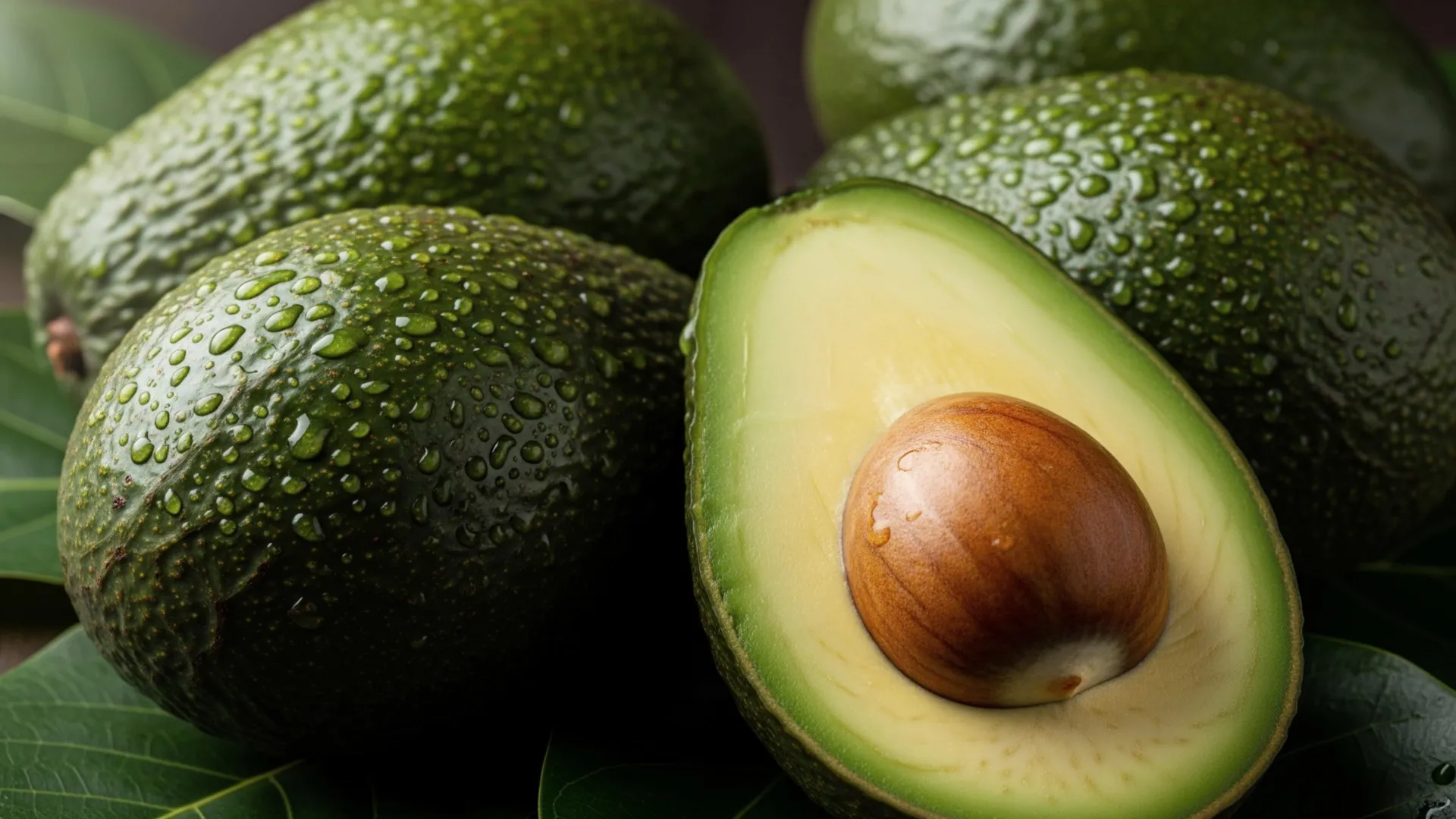
New research spearheaded by scientists within the Penn State Department of Nutritional Sciences suggests that incorporating a single avocado into the daily diet could lead to a modest reduction in heart disease risk for adults struggling with obesity. The findings, published in the esteemed Journal of Clinical Lipidology, offer a promising avenue for individuals seeking manageable dietary changes to improve cardiovascular health. This study builds upon previous work, providing further evidence for the beneficial effects of avocado consumption, particularly concerning key markers of heart disease risk.
Unpacking the Link: LDL Particles and Cardiovascular Well-being
The core of the new research lies in its examination of low-density lipoprotein (LDL) particles. While LDL cholesterol, commonly referred to as "bad cholesterol," is a well-established risk factor for cardiovascular disease, the concentration and size of LDL particles offer a more nuanced perspective on an individual’s risk. The Penn State team discovered that daily avocado consumption was significantly associated with a lower concentration of these LDL particles in the bloodstream.
These particles are the carriers of cholesterol throughout the body. A higher number of LDL particles, even if the total LDL cholesterol level appears similar to someone with fewer particles, can signify a greater risk of developing heart disease. This is because smaller LDL particles are more prone to infiltrating the arterial walls, a crucial step in the development of atherosclerosis, or plaque buildup. This plaque narrows and stiffens blood vessels, impeding the efficient flow of blood and placing additional strain on the cardiovascular system, particularly during periods of increased demand such as exercise or stress.
Janhavi Damani, a postdoctoral scholar at Penn State and the study’s first author, emphasized the practical implications of this finding. "If people want to improve the quality of their diet, making one small change might be a more feasible strategy than attempting to change their entire diet," Damani stated. "For people with obesity, including avocados in their daily diet might be a good starting place." This sentiment highlights a growing understanding in nutritional science that incremental, sustainable dietary shifts can be more effective for long-term health management than radical overhauls.
The research team underscored a critical distinction between LDL cholesterol levels and LDL particle count. A standard cholesterol test might report a person’s total LDL cholesterol, but it doesn’t necessarily reveal the number of particles carrying that cholesterol. This is where the new study’s focus on particle concentration becomes particularly relevant. Damani illustrated this with a compelling analogy: "Imagine two people with the same high levels of LDL cholesterol. Person A carries their cholesterol in fewer, larger LDL particles, and Person B carries their cholesterol in more, smaller LDL particles. Person B’s heart disease risk would be higher because their overall particle count is higher even though a test of their LDL cholesterol would look identical." This highlights a potential blind spot in traditional lipid profiles, especially for individuals with abdominal obesity, where this risk factor is often amplified.
The Habitual Diet and Avocado Trial: A Foundation for New Insights
The current analysis draws data from a larger, six-month clinical trial known as the Habitual Diet and Avocado Trial. This trial, which included 786 adult participants aged 25 and older, was designed to assess the impact of daily avocado consumption on cardiovascular health markers in individuals with obesity. To qualify for the study, men needed a waist circumference exceeding 40 inches, while women were eligible with a waist circumference greater than 35 inches.
The trial employed a randomized controlled design. Approximately half of the participants were instructed to maintain their usual dietary habits and physical activity routines, serving as the control group. The remaining participants were also asked to continue their normal lifestyles but were provided with one avocado to consume daily. This approach aimed to isolate the effect of the avocado itself within a real-world dietary context, acknowledging that participants’ overall eating patterns were not rigidly controlled beyond the addition of the avocado.
Earlier findings from the Habitual Diet and Avocado Trial had already indicated that daily avocado consumption did not lead to significant reductions in body weight or waist circumference among participants with obesity. However, these initial results did suggest a positive impact on LDL cholesterol levels, laying the groundwork for the more detailed analysis of LDL particle concentrations in the subsequent research.
Quantifying the Benefit: A Modest Yet Meaningful Reduction
The recent study delved deeper by comparing blood samples collected from participants at both the beginning and the end of the six-month trial. The results were striking: among those who consumed one avocado daily, LDL particle concentrations experienced a decrease of 49 nanomoles per liter. The researchers translated this biochemical change into a tangible health outcome, estimating that this reduction corresponds to an approximate 4% decrease in the overall risk of heart disease.
While acknowledging that this 4% reduction is modest when compared to the more substantial risk reductions (14-29%) associated with comprehensive dietary improvements, Damani emphasized its significance. "Four percent is a modest reduction compared with the 14-29% lower heart disease risk associated with improving the overall diet," she stated. "However, it is a step in the right direction." This perspective is crucial, as it recognizes that even incremental gains can contribute to a broader strategy for cardiovascular disease prevention and management.
Importantly, the observed improvement in LDL particle levels was consistent across the diverse participant group. Factors such as sex, race, ethnicity, age, and body mass index did not significantly alter the likelihood of individuals experiencing this benefit. This suggests that the positive effects of daily avocado consumption on LDL particle concentration may be broadly applicable to a wide spectrum of adults with obesity, regardless of their demographic background.
The researchers responsibly advised individuals to consult with a registered dietitian nutritionist or physician for personalized dietary recommendations before implementing any significant changes. This emphasizes the importance of integrating such findings into a comprehensive and individualized approach to health and wellness.
Real-World Impact: Avocado’s Role in Uncontrolled Diets
A significant strength of this latest research is its demonstration of benefits within a "real-world" dietary setting. Previous studies, including earlier work from Penn State, had also shown that avocado consumption could lower LDL cholesterol and LDL particle levels. However, in those earlier experiments, researchers meticulously controlled every aspect of participants’ diets.
Kristina Petersen, an associate professor of nutritional sciences and the senior author of the current study, highlighted this distinction. "Penn State researchers demonstrated several years ago that avocado consumption could reduce LDL cholesterol and levels of LDL particles," Petersen explained. "But in that study, the researchers controlled participants’ entire diets throughout the experiment. This study demonstrated benefits in the real world, where people’s diets are much less predictable. In the course of people’s normal lives, avocado consumption still contributes to a healthier diet."
This finding is particularly encouraging for public health initiatives and individual dietary planning. It suggests that the inclusion of a single, manageable food item like an avocado can positively influence cardiovascular health markers even when the rest of a person’s diet is not perfectly optimized. While the benefit observed was modest and did not extend to weight loss in this specific study, the improvement in a key indicator of heart disease risk represents a tangible step forward.
The broader implications of this research extend to the concept of dietary interventions for chronic disease prevention. The findings support the idea that focusing on adding nutrient-dense foods, rather than solely on restriction, can be an effective strategy. Avocados, rich in monounsaturated fats, fiber, and various vitamins and minerals, are a prime example of such a food. Their inclusion may displace less healthy food choices, thereby contributing to an overall healthier dietary pattern.
The Science Behind LDL Particles and Arterial Health
To further appreciate the significance of the study’s findings, a deeper understanding of LDL particle dynamics is beneficial. LDL cholesterol, a waxy, fat-like substance, is essential for various bodily functions. However, when LDL cholesterol levels become elevated, it can lead to an accumulation of plaque within the arteries. This process, known as atherosclerosis, is a primary driver of cardiovascular disease, including heart attacks and strokes.
The size of LDL particles plays a crucial role in their atherogenicity – their potential to cause atherosclerosis. Smaller, denser LDL particles (often referred to as Pattern B) are considered more harmful than larger, buoyant LDL particles (Pattern A). This is because smaller particles are more likely to penetrate the arterial endothelium, the inner lining of blood vessels. Once inside, they can become oxidized and trigger an inflammatory response, contributing to the formation and progression of atherosclerotic plaques.
Conversely, larger LDL particles are less likely to penetrate the arterial wall and are generally considered less atherogenic. Therefore, a reduction in the concentration of smaller, denser LDL particles, as observed in the avocado-eating group, represents a significant improvement in cardiovascular risk profile. This nuance is critical because individuals can have the same total LDL cholesterol level but vastly different particle profiles, leading to disparate cardiovascular risks. The Penn State study effectively illuminated how a dietary intervention could favorably shift this particle profile.
Expert Commentary and Future Directions
The research team expressed optimism about the potential for avocado consumption to play a role in preventive cardiology. While acknowledging that avocados are not a magic bullet, they represent a practical and enjoyable dietary addition that can contribute to improved cardiovascular health. The study’s senior author, Petersen, reiterated the importance of this "real-world" evidence. "This study demonstrated benefits in the real world, where people’s diets are much less predictable," she noted. "In the course of people’s normal lives, avocado consumption still contributes to a healthier diet."
The research was supported by the Avocado Nutrition Center, an organization dedicated to promoting scientific research on the health benefits of avocados. This collaboration highlights the growing interest from various stakeholders in understanding and validating the nutritional advantages of this popular fruit.
Looking ahead, further research may explore the optimal frequency and quantity of avocado consumption for maximal cardiovascular benefit, as well as investigate the specific bioactive compounds within avocados that contribute to these positive effects. Understanding the synergistic interactions between avocados and other dietary components could also yield valuable insights. Additionally, longer-term studies are needed to confirm whether the observed reduction in LDL particle concentration translates into a statistically significant decrease in actual cardiovascular events over extended periods.
The contribution of other researchers to this study is also noteworthy, including Penny Kris Etherton, retired Evan Pugh University Professor of Nutritional Sciences at Penn State; Nirupa Matthan of the Jean Mayer USDA Human Nutrition Research Center on Aging at Tufts University; Zhaoping Li of the David Geffen School of Medicine at the University of California, Los Angeles; Joan Sabaté of the School of Public Health at Loma Linda University; and David Reboussin of the Wake Forest University School of Medicine. This multidisciplinary collaboration underscores the complexity and breadth of research required to advance our understanding of diet and health.
In conclusion, the findings from Penn State offer a compelling case for the inclusion of avocados in the daily diets of adults with obesity. While the benefits are described as modest, they represent a tangible and accessible step towards improved heart health, particularly by favorably impacting LDL particle concentrations. This research reinforces the principle that small, consistent dietary changes can have a meaningful cumulative effect on well-being, providing a beacon of hope for individuals seeking practical strategies to mitigate their risk of cardiovascular disease.