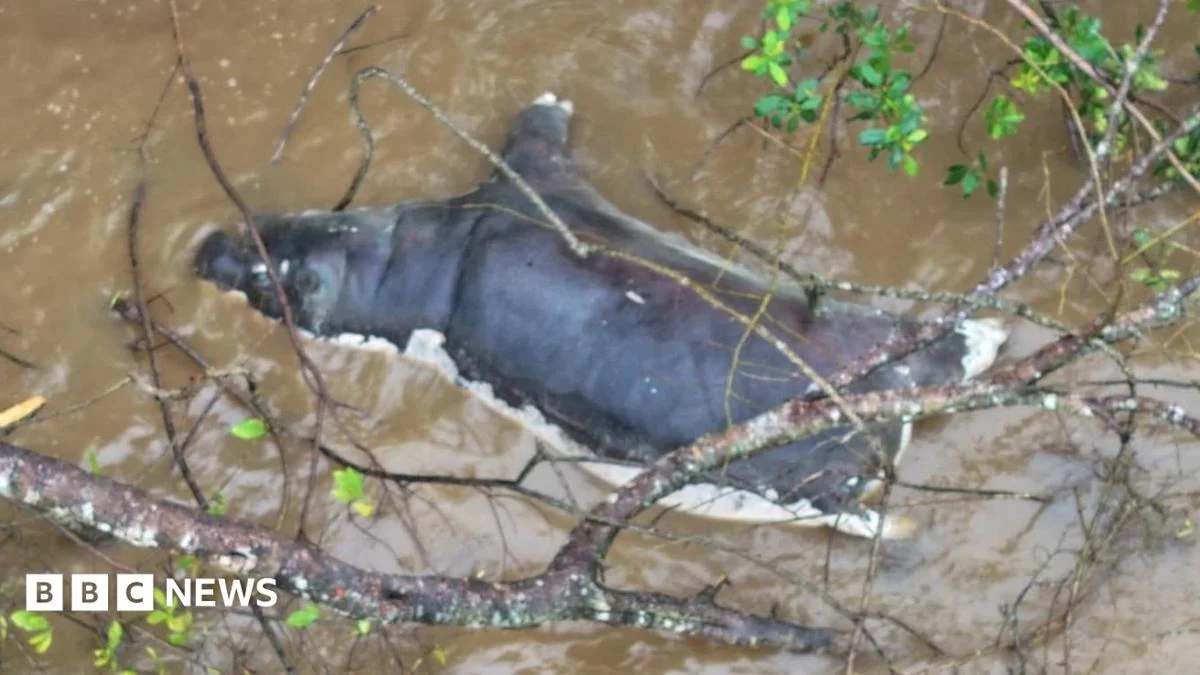
Authorities in Zambia have issued a stern public health alert, urging citizens to refrain from consuming meat sourced from wild animals following a confirmed anthrax outbreak that has claimed the lives of dozens of iconic wildlife species, including hippos, elephants, buffalo, and a crocodile. The escalating crisis underscores the persistent public health and ecological challenges posed by zoonotic diseases in regions where human populations frequently interact with wildlife and depend on natural resources for sustenance. As of the latest reports, at least 12 individuals have been confirmed to have contracted anthrax after consuming infected wildlife carcasses in the Munyamadzi River area, a stark reminder of the direct human health risks associated with such outbreaks.
The disaster management agency, through its officials, confirmed over the past weekend the alarming rate of wildlife fatalities and subsequent human infections. The affected individuals are currently receiving medical treatment, and fortunately, no human deaths have been reported in this specific outbreak, although the situation remains fluid and under close monitoring. This incident highlights a critical interface where food security, traditional practices, and public health converge, often with perilous consequences for communities reliant on bushmeat.
The Current Outbreak: A Detailed Overview
The latest anthrax outbreak is centered within the Munyamadzi Game Management Area (GMA) in Muchinga Province, a region known for its rich biodiversity and significant wildlife populations. Since July of the current year, the Disaster Management and Mitigation Unit (DMMU) of Zambia has recorded the deaths of a staggering 46 hippos, eight elephants, five buffaloes, and one crocodile. These numbers represent a significant loss to the country’s wildlife heritage and signal a potentially broader environmental contamination with the anthrax bacterium.
Norman Chipakupaku, the national coordinator for the DMMU, expressed profound concern regarding the human dimension of the crisis. "The sad story about the deaths of this wildlife is that the carcasses ended up being eaten by the local people – that’s what they depend on for their food," Chipakupaku stated, articulating the deeply entrenched socio-economic factors that often drive communities to consume potentially hazardous meat. This dependence on wild meat, particularly in remote areas where alternative protein sources are scarce and expensive, creates a direct pathway for zoonotic disease transmission to humans. The DMMU and other governmental bodies are actively working to ascertain the full geographical extent of the current outbreak, with intensified surveillance and laboratory investigations ongoing across the affected and neighboring regions.
Anthrax: An Endemic Threat to Zambia’s Ecosystems and Public Health
Anthrax, caused by the bacterium Bacillus anthracis, is a severe zoonotic disease that poses a recurrent threat in Zambia. The bacterium is notorious for its ability to form resilient spores that can survive in soil for decades, making it particularly challenging to eradicate. These spores become active when ingested or inhaled by animals, primarily grazing herbivores, or when they enter the body through cuts or wounds. Once activated, the bacteria multiply rapidly, producing potent toxins that can lead to sudden death in animals.
Zambia’s ecological landscape, characterized by vast floodplains, national parks, and Game Management Areas, provides ideal conditions for the persistence and resurgence of anthrax. The country’s seasonal cycles, including periods of drought followed by heavy rains, can concentrate animals around limited water sources or expose spores in disturbed soil, facilitating outbreaks. Hippos, in particular, are frequently implicated in anthrax outbreaks in Zambia and other parts of Southern Africa due to their semi-aquatic lifestyle, grazing habits, and tendency to congregate in large numbers, making them susceptible to rapid transmission within their populations. When these animals die, their carcasses become highly infectious, serving as a dangerous source of contamination for other animals and humans.
Human infection typically occurs through contact with infected animals or contaminated animal products. The most common form in humans is cutaneous anthrax, characterized by skin lesions, but gastrointestinal anthrax (from consuming contaminated meat) and inhalational anthrax (from inhaling spores) are far more severe and often fatal if not treated promptly. The fact that 12 people have developed the disease after consuming wildlife meat confirms gastrointestinal exposure, underscoring the critical need for public education on safe food handling and consumption practices.
A Recurring Crisis: Historical Context and Chronology of Outbreaks
The current outbreak, while serious, is not an isolated incident but rather part of a recurring pattern of anthrax crises in Zambia. The disease is indeed endemic, meaning it is consistently present within the animal populations of the region, leading to periodic flare-ups that challenge public health and wildlife conservation efforts.
-
2011 Outbreak: One of the most significant documented outbreaks occurred in 2011. This event saw more than 500 human cases reported across the country, with five fatalities directly linked to the consumption of meat from infected hippos. This particular outbreak served as a stark precursor, highlighting the severe consequences of consuming contaminated bushmeat and the rapid potential for human infection. The widespread nature of the 2011 event underscored the challenges in controlling the spread of the disease across diverse geographical areas and within communities.
-
2023 Outbreak: Just last year, Zambia experienced what authorities described as an "unprecedented outbreak" of anthrax. This widespread crisis affected nine out of the country’s ten provinces, demonstrating an alarming geographical reach. The 2023 outbreak resulted in four human deaths, further solidifying anthrax’s status as a major public health concern. The extensive provincial spread in 2023 suggested systemic challenges in surveillance, rapid response, and community-level preventative measures. This pattern of recurrent and increasingly widespread outbreaks indicates a need for more robust, sustained interventions rather than reactive emergency responses. The current outbreak, starting in July, follows closely on the heels of the 2023 crisis, suggesting that the underlying conditions for anthrax emergence and spread remain prevalent and potentially exacerbated.
These historical events provide critical context, illustrating the persistent threat anthrax poses and the consistent link between wildlife deaths, human consumption of infected meat, and subsequent human illness and mortality. They also highlight the socio-economic vulnerabilities that compel communities to engage in high-risk behaviors.
Government and Inter-Agency Response
In response to the current situation, Zambian authorities have implemented a multi-pronged strategy to mitigate the immediate risks and prevent further spread. The DMMU, in collaboration with the Ministry of Health, the Department of National Parks and Wildlife (DNPW), and the Ministry of Livestock and Fisheries, is spearheading these efforts.
- Public Health Warnings: The primary and most urgent message disseminated is a strict warning to the public against consuming meat from any animal that has died naturally or from unknown causes. This directive extends to a ban on selling, distributing, or handling such meat. Health officials are emphasizing the severe health risks associated with contact with potentially infected carcasses.
- Suspension of Hunting: To curb potential exposure and prevent the harvesting of infected animals, authorities have called for an immediate suspension of hunting activities in the affected Munyamadzi Game Management Area and surrounding regions. This measure is crucial to allow time for comprehensive epidemiological investigations to determine the full extent of the disease and associated risks to both humans and wildlife.
- Surveillance and Reporting: The public has been strongly urged to report any instances of dead wild animals to local authorities or DNPW officials. This active surveillance is vital for prompt carcass disposal, environmental decontamination, and tracking the disease’s progression. Veterinary and wildlife health teams are on the ground, conducting surveillance and collecting samples for laboratory analysis to confirm anthrax and monitor its strain.
- Treatment and Containment: For the 12 infected individuals, medical treatment is being provided, likely involving antibiotics, which are highly effective against anthrax if administered early. Health facilities in the affected areas have been alerted to remain vigilant for new cases and to implement strict infection control protocols.
- Public Awareness Campaigns: Recognizing the critical role of community engagement, efforts are underway to intensify public awareness campaigns. These campaigns aim to educate local populations about the dangers of anthrax, safe practices for animal husbandry, and the importance of adhering to official warnings. Messaging is being tailored to local contexts, often leveraging traditional communication channels to ensure maximum reach and understanding.
The Human Dimension: Food Security, Livelihoods, and Cultural Practices
The statement by Norman Chipakupaku, highlighting that local people consume these carcasses because "that’s what they depend on for their food," encapsulates a profound socio-economic reality. Many rural communities in Zambia, particularly those residing near wildlife-rich areas like GMAs, face significant challenges related to food security and economic hardship. For these communities, bushmeat is not merely a delicacy but a crucial, often primary, source of protein and an integral part of their diet and livelihood.
The economic pressures can be immense, pushing individuals to take risks that might otherwise be avoided. The immediate need for sustenance often overrides the awareness or understanding of long-term health risks associated with diseases like anthrax. Furthermore, traditional practices and cultural norms surrounding the utilization of wildlife can be deeply ingrained, making behavioral change a slow and complex process. When a large animal like a hippo or an elephant dies, its sheer size represents a significant amount of meat that, to a struggling family, could mean the difference between hunger and sustenance for weeks. This stark reality poses a formidable challenge for public health authorities attempting to enforce prohibitions on carcass consumption. Addressing this dimension requires not just warnings but also sustainable alternative livelihood options, improved access to affordable protein sources, and culturally sensitive educational programs.
Broader Impact and Implications
The anthrax outbreak in Zambia extends far beyond immediate human infections and wildlife deaths, carrying significant broader implications for public health, wildlife conservation, economic stability, and national policy.
- Wildlife Conservation: The loss of dozens of animals, including significant numbers of hippos and elephants, represents a substantial blow to Zambia’s wildlife populations. While hippos are not currently endangered, large-scale die-offs can impact local population dynamics and ecosystem health. Elephants, however, are a protected and iconic species, and even a few deaths contribute to the ongoing challenges of their conservation. Repeated outbreaks can lead to localized extinctions or severely fragmented populations, disrupting ecological balance and threatening biodiversity.
- Public Health System Strain: A widespread human outbreak would place immense pressure on Zambia’s healthcare system, particularly in rural areas where medical facilities may be limited. The cost of diagnosis, treatment, and public health interventions can divert resources from other essential health programs.
- Economic Impact: Zambia relies heavily on its natural resources, including wildlife tourism, which is a significant source of foreign exchange and employment. An ongoing anthrax crisis, particularly if it spreads to major tourist areas, could deter international visitors, leading to a substantial loss of revenue for the tourism sector, affecting local businesses, tour operators, and communities dependent on tourism-related livelihoods. The cost of animal culling (if necessary), carcass disposal, and disease control measures also represents a considerable economic burden.
- Food Security and Livelihoods: Beyond the immediate health risks, the ban on bushmeat consumption exacerbates existing food security challenges for communities that rely on it. Without viable, accessible, and affordable alternative protein sources, these communities face increased vulnerability to hunger and malnutrition. This situation underscores the need for integrated development approaches that consider both conservation and human well-being.
- Policy and Prevention: The recurring nature of these outbreaks highlights the critical need for a more robust, proactive, and integrated "One Health" approach. This framework recognizes that human health is intricately linked to animal health and environmental health. Effective prevention strategies must involve collaboration between public health, veterinary services, wildlife management, and environmental agencies. This includes enhancing disease surveillance capabilities, establishing rapid response teams, implementing routine wildlife health monitoring, developing community-based early warning systems, and investing in long-term public education and alternative livelihood programs.
Challenges and the Path Forward
The vast geographical scale of Zambia, coupled with limited resources and infrastructure in remote areas, presents formidable challenges to effective disease surveillance and rapid response. Ensuring consistent public awareness and compliance with health advisories across diverse linguistic and cultural groups also requires sustained effort and innovative communication strategies.
Moving forward, a comprehensive strategy is essential. This includes:
- Strengthening "One Health" Initiatives: Fostering greater collaboration and resource sharing among human, animal, and environmental health sectors.
- Enhanced Surveillance and Diagnostics: Investing in laboratory capacity and training for rapid identification of anthrax in both animals and humans.
- Community Engagement: Developing and implementing culturally sensitive education programs that empower communities with knowledge about anthrax prevention and safe practices, while also exploring sustainable alternative food sources.
- Carcass Management: Establishing clear protocols and resources for the safe and rapid disposal of infected animal carcasses to prevent further environmental contamination and human exposure.
- International Cooperation: Seeking technical and financial assistance from international partners to bolster national capacities in disease control and prevention.
The ongoing anthrax outbreak in Zambia is a severe reminder of the delicate balance between human activities, wildlife health, and environmental integrity. The urgent response by authorities, coupled with a concerted effort towards long-term preventative measures and community empowerment, will be crucial in mitigating the immediate crisis and building greater resilience against future outbreaks, safeguarding both Zambia’s people and its precious wildlife heritage.