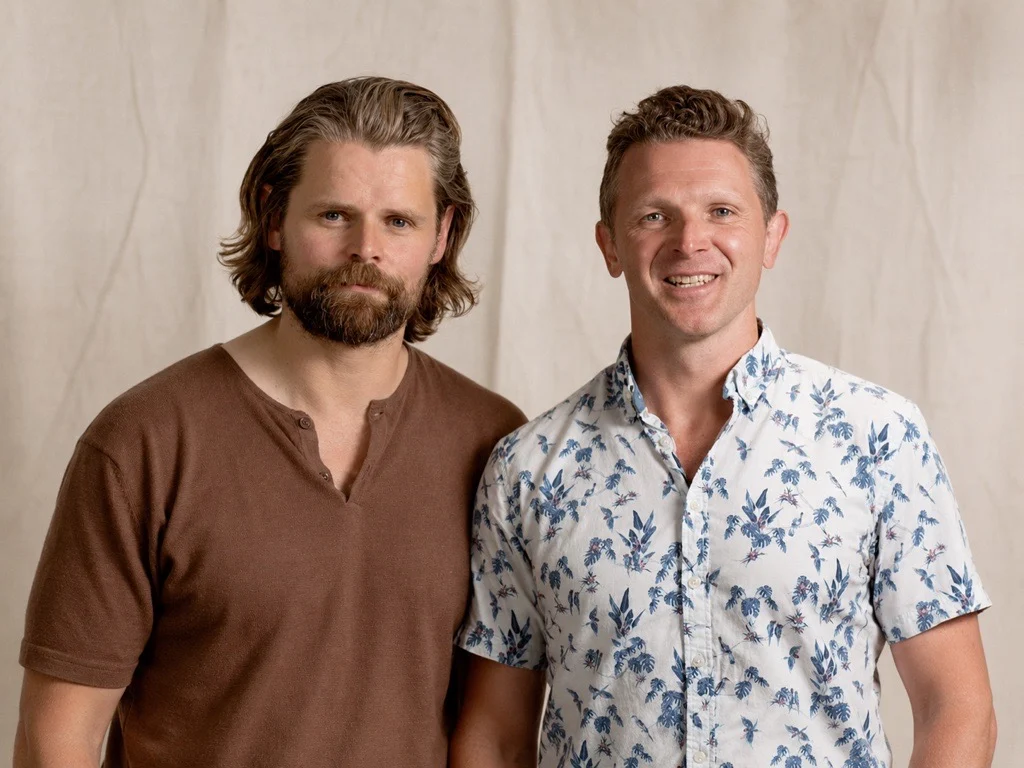
Black Tomato, the high-end luxury tour operator renowned for its bespoke and often experimental travel itineraries, has undergone a significant corporate restructuring by transferring 75% of its business into an Employee Ownership Trust (EOT). The transition, which was finalized in early July and communicated to the company’s workforce this week, marks a pivotal shift in the brand’s governance and financial structure. Under the terms of the new arrangement, the company’s original founders have retained a 25% minority stake through a newly established B share class, according to 2024 articles of association filed with Companies House. This specific share structure ensures that while the majority of the economic value is now held for the benefit of the employees, the founding team maintains essential decision-making power and strategic oversight of the brand’s direction.
The move represents a strategic effort to preserve the company’s unique culture and operational "spirit" while providing a clear path for long-term succession. Co-founder Tom Marchant, in an exclusive discussion regarding the transition, characterized the establishment of the Black Tomato Employee Ownership Trust as a "smart way of evolving the business." He emphasized that the primary motivation was to instill confidence within the staff that the company’s boutique approach to luxury travel would remain protected from external acquisition or corporate dilution. Furthermore, the EOT structure offers employees a tangible financial upside "down the line," aligning the workforce’s interests with the sustained profitability and growth of the agency.
The Structural Mechanics of the Black Tomato EOT
The transaction was guided by the professional services firm Grant Thornton, which conducted an independent valuation of Black Tomato to determine the fair market price for the 75% stake sold to the trust. While the specific valuation figures remain undisclosed, the shift to an EOT is a significant financial milestone for a company that has remained largely independent since its inception in 2005. The use of an EOT is a growing trend in the United Kingdom, facilitated by the Finance Act 2014, which provides tax incentives for business owners to transfer a majority of their shares to an employee trust.
The retention of 25% of the business by founders Tom Marchant, James Rice, and Andrew Tucker via the B share class is a critical detail of the deal. In many EOT transitions, founders exit the business entirely over a period of years. However, the Black Tomato model suggests a desire for institutional continuity. By holding B shares, the founders maintain a level of control that allows them to steer the brand’s creative and strategic vision, ensuring that the "Black Tomato" identity—built on hyper-personalized and "rare" experiences—is not compromised during the transition to collective ownership.
A Timeline of the Transition
The evolution toward employee ownership was not an overnight decision but rather the culmination of several months of internal assessment and financial planning. The following timeline outlines the key stages of the transition:
- Late 2023 – Early 2024: The founding partners began exploring succession and growth models that would avoid a traditional private equity buyout, which often leads to aggressive scaling and potential brand dilution.
- Spring 2024: Grant Thornton was engaged to lead the valuation process and structure the Employee Ownership Trust. This involved rigorous audits of the company’s financial health and future earnings projections.
- July 2024: The legal transaction was completed. The 75% stake was officially transferred to the Black Tomato Employee Ownership Trust.
- August 2024: Updated articles of association were published via Companies House, detailing the new share classes and governance protocols.
- September 2024: The transition was formally announced to the company’s global workforce, marking the beginning of the new era of employee-led operations.
The Strategic Context of Employee Ownership in Travel
The travel industry, particularly the luxury segment, is heavily dependent on human capital. The expertise of travel designers, the strength of local relationships, and the quality of customer service are the primary drivers of value for a brand like Black Tomato. By moving to an EOT model, the company is effectively "locking in" its talent. In a post-pandemic labor market where high-level travel consultants are in high demand, offering a stake in the business serves as a powerful retention tool.
Employee Ownership Trusts offer several distinct advantages that align with Black Tomato’s business model:
- Cultural Preservation: Unlike a sale to a larger travel conglomerate, an EOT allows the company to maintain its independent identity and boutique ethos.
- Tax Efficiency: In the UK, the sale of a controlling interest to an EOT can be exempt from Capital Gains Tax for the sellers, provided certain conditions are met. Additionally, employees can receive annual tax-free bonuses of up to £3,600.
- Stability for Clients: High-net-worth clients often value the consistency of their relationships with travel advisors. An EOT reduces the risk of staff turnover and provides clients with the assurance that the company is not being prepared for a quick flip or merger.
Financial Performance and Market Positioning
Black Tomato operates in a high-growth sector of the travel industry. According to recent market analysis, the global luxury travel market was valued at approximately $1.3 trillion in 2023 and is projected to reach over $2.7 trillion by 2032, growing at a compound annual growth rate (CAGR) of roughly 8%. Black Tomato has carved out a niche within this market by focusing on "experience-first" travel, exemplified by products such as "Get Lost"—a service where travelers are dropped in unknown locations with satellite equipment—and "Blink," which creates temporary, luxury "pop-up" camps in remote areas.
The company’s ability to command high price points and maintain a loyal client base has made it a resilient player. While the company does not publicly disclose its full revenue figures, industry estimates suggest that bespoke operators of Black Tomato’s scale have seen a 20-30% increase in average booking values since 2022. This financial stability likely contributed to a favorable valuation during the Grant Thornton audit, providing a solid foundation for the EOT to service any debt incurred during the acquisition of the shares from the founders.
Official Responses and Internal Impact
The reaction within the company has been described as overwhelmingly positive. For the staff, many of whom have been with the agency for over a decade, the transition represents a recognition of their contribution to the brand’s success. While the founders remain at the helm in a managerial capacity, the fiduciary responsibility of the trust is to act in the best interests of the employees.
"This is about the long game," said a source close to the company’s leadership. "The founders have always viewed Black Tomato as a creative project as much as a business. They didn’t want to see it swallowed up by a larger entity that might not understand why we do things like ‘Get Lost.’ The EOT ensures that the people who understand the brand best—the employees—are the ones who will benefit from its future."
Industry observers note that this move may set a precedent for other independent luxury agencies. As the founders of many "lifestyle" travel brands reach retirement age or look for exit strategies, the EOT model provides a viable alternative to the traditional M&A (mergers and acquisitions) route.
Implications for the Luxury Travel Landscape
The decision by Black Tomato to opt for employee ownership rather than a traditional sale reflects a broader trend toward "conscious capitalism" and sustainability in the luxury sector. For the modern luxury traveler, the ethics and structure of the companies they patronize are becoming increasingly important. A company owned by its employees often conveys a message of fairness, quality, and long-term commitment that resonates with high-net-worth individuals.
From an operational standpoint, the B share class structure is particularly noteworthy. It allows the founders to solve the "liquidity problem"—extracting value from the business they built—without losing the ability to innovate. This hybrid model—majority employee-owned but founder-led—could become a blueprint for other creative firms in the travel and hospitality space.
However, the transition is not without its challenges. The EOT must manage the financial obligation of paying out the founders over time, which requires consistent profitability. Furthermore, the shift in corporate mindset from "employees" to "owners" requires a significant internal cultural adjustment. Black Tomato will need to implement transparent communication channels and financial literacy programs to ensure that staff members understand how their daily work impacts the value of the trust.
Conclusion and Future Outlook
As Black Tomato moves into this new chapter, the focus remains on expansion and innovation. The company has recently expanded its presence in the United States and continues to invest in technology to enhance its bespoke service offerings. The establishment of the EOT provides a stable backdrop for these growth initiatives, ensuring that the company’s "spirit and approach" remain the cornerstone of its operations.
By prioritizing institutional independence and employee welfare, Black Tomato has positioned itself as a forward-thinking leader in the travel industry. The move secures the legacy of its founders while empowering the next generation of travel experts to take the brand into a new era of luxury exploration. In an industry often characterized by consolidation and commoditization, Black Tomato’s shift to an employee-owned model is a bold assertion of the value of independence and the enduring power of a founder-led vision.