The evolution of the automotive industry is currently undergoing a fundamental paradigm shift that extends far beyond the transition from internal combustion engines to electric propulsion. As global regulatory frameworks tighten and consumer expectations regarding environmental stewardship rise, manufacturers are being forced to look past tailpipe emissions to address the total environmental impact of a vehicle’s existence. This holistic approach, known as Life Cycle Analysis (LCA), considers every stage of a vehicle’s life, from the extraction of raw materials and the energy consumed during assembly to the emissions generated during its operational years and its eventual dismantling and recycling. BMW Group has positioned itself at the forefront of this movement, utilizing the upcoming X5 series as a primary case study for how deep-tier decarbonization can be achieved through meticulous supply chain management and circular economic principles.
The Science of Life Cycle Analysis in Modern Manufacturing
For over two decades, automotive engineers and environmental scientists have dedicated significant resources to quantifying the "cradle-to-grave" carbon footprint of vehicles. This endeavor has resulted in the creation of sophisticated Life Cycle Analysis databases, which allow manufacturers to simulate the environmental impact of various design choices long before a physical prototype is built. By utilizing these databases, BMW has been able to integrate sustainability into the earliest stages of the product development process for the new X5.
The German Technical Inspection Association (TÜV) has played a critical role in validating BMW’s internal data, ensuring that the claims regarding carbon reduction are grounded in rigorous, third-party verified methodology. While the specific total carbon footprint figures remain proprietary until the official market launch, BMW has disclosed that its strategic interventions during the development phase have successfully reduced the vehicle’s CO2 equivalent (CO2e) emissions by approximately 40% compared to previous production standards. This reduction is not the result of a single breakthrough but is instead the cumulative effect of hundreds of incremental improvements across the entire value chain.
Structural Sustainability: The Role of Green Steel and Aluminum
One of the most significant contributors to a vehicle’s embodied carbon is the production of primary metals. Historically, the steel and aluminum industries have been among the most carbon-intensive sectors due to their reliance on coal-fired blast furnaces and high-energy electrolysis. To combat this, BMW has radically altered its sourcing strategy for the X5’s structural components.
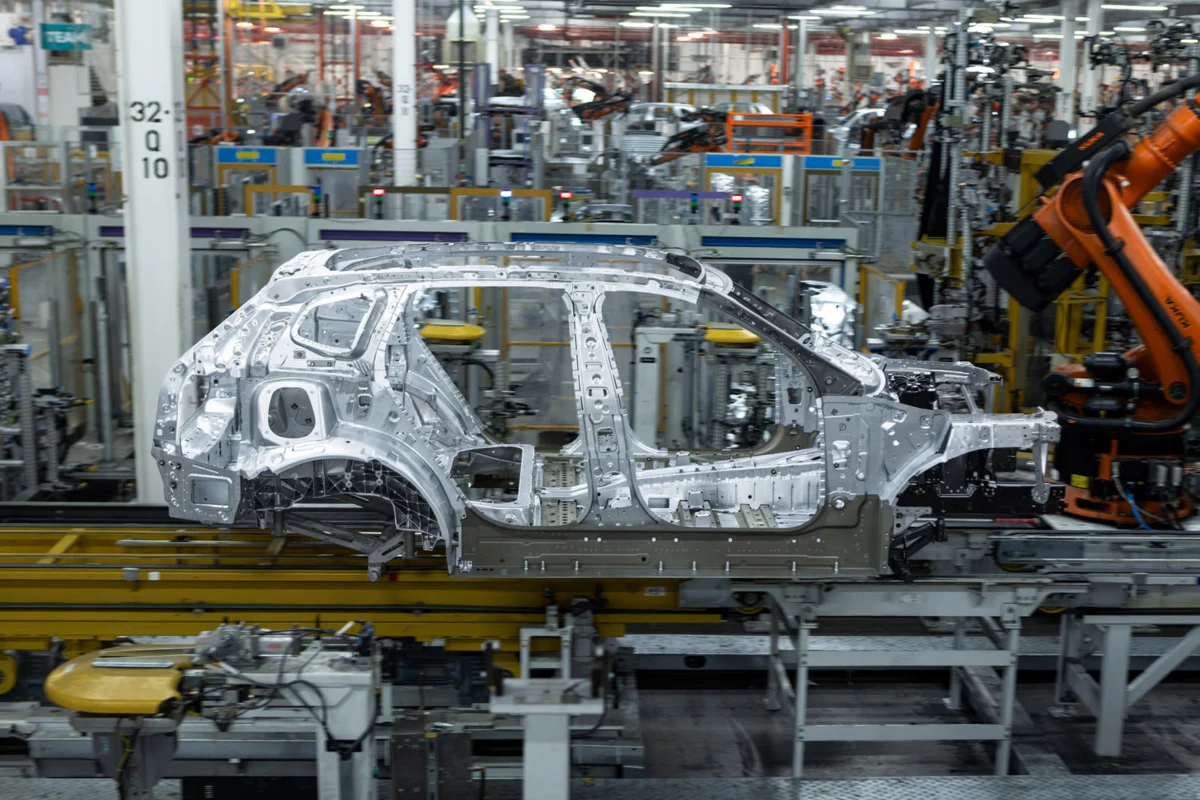
Approximately 50% of the steel utilized in the body of the new X5 is produced via Electric Arc Furnace (EAF) technology. Unlike traditional blast furnaces that rely on iron ore and coking coal, EAFs utilize a high proportion of recycled steel scrap and can be powered entirely by renewable energy. This shift significantly lowers the carbon intensity of the vehicle’s frame. Furthermore, the use of secondary materials—raw materials recovered from previous use cycles—has been expanded across the vehicle’s interior and chassis.
Aluminum components, which are essential for reducing vehicle weight and improving efficiency, have also seen a manufacturing overhaul. Key parts such as wheel rims, wheel supports, rear axle supports, and brake calipers are now produced using renewable energy for both the electrolysis process and the final casting. In the production of the X5’s doors, BMW has implemented a "closed-loop" system. This process ensures that 35% of the aluminum used is sourced from either external recycling streams or from the press shop’s own waste, which is immediately fed back into the production cycle to minimize the need for virgin material.
Interior Innovation and the Circular Economy
The drive for sustainability extends into the cabin, where traditional luxury materials are being replaced or augmented by high-performance recycled synthetics. A notable example is the headliner material, which is now crafted from 100% recycled polyethylene terephthalate (PET), sourced largely from post-consumer plastic bottles. This transition serves a dual purpose: it diverts plastic waste from landfills and reduces the demand for petroleum-based virgin plastics.
When viewing the vehicle as a whole, the scale of material recovery is substantial. Approximately one-third of the iX5 60 xDrive is composed of secondary raw materials. In terms of physical mass, this equates to roughly 940 kilograms of the vehicle’s total weight being derived from recycled or repurposed sources. This level of circularity represents a significant milestone for the luxury SUV segment, which has traditionally struggled with high material consumption.
Battery Technology: The Transition to Gen6
As the industry moves toward electrification, the environmental focus has shifted toward the battery pack—the most carbon-intensive component of an electric vehicle (EV). BMW’s transition from its fifth-generation (Gen5) battery technology, currently found in models like the iX, to the new Gen6 architecture marks a major leap in decarbonization.
The Gen6 battery project has focused on two primary areas: material sourcing and manufacturing energy. By increasing the proportion of secondary cobalt, lithium, and nickel in the battery cells, BMW reduces the environmental and ethical risks associated with primary mining. Furthermore, the company has mandated that its cell manufacturers and producers of anode and cathode materials utilize 100% renewable energy during the production process.
The data indicates that these efforts have yielded a 28% reduction in CO2e emissions per watt-hour of battery capacity compared to the Gen5 units. This improvement is crucial for shortening the "carbon debt" period of the electric variant, which is the amount of time or mileage an EV must be driven before its total lifecycle emissions fall below those of a comparable internal combustion engine (ICE) vehicle.
Operational Efficiency and the "Use Phase"
While manufacturing accounts for the "embodied" carbon, the "use phase" remains a critical component of the LCA. BMW’s projections for the iX5 60 xDrive suggest a rapid transition to carbon neutrality relative to traditional powertrains. Depending on variables such as the local electricity grid’s carbon intensity and the owner’s annual mileage, the iX5 is expected to achieve a CO2e advantage over a comparable ICE model after just one to two years of operation.
This accelerated parity is a testament to the efficiency of the electric drivetrain and the reduction in manufacturing emissions. For consumers in regions with high proportions of renewable energy in their national grids, the environmental "break-even" point could occur even sooner, making the X5 series one of the most ecologically competitive offerings in its class.
Chronology of BMW’s Decarbonization Roadmap
The sustainable innovations seen in the new X5 are part of a broader, multi-decade strategy.
- 2000s-2010s: BMW began intensive research into Life Cycle Analysis, establishing the databases that now inform design decisions.
- 2013: The launch of the BMW i3 introduced the concept of a "born electric" vehicle with a heavy emphasis on carbon-fiber-reinforced plastic (CFRP) and recycled interior materials.
- 2020: BMW Group announced its "Greenest Electric Car" initiative, committing to a 40% reduction in CO2 emissions per vehicle across the entire life cycle by 2030 (based on 2019 levels).
- 2023: Integration of Gen6 battery technology and expanded use of EAF steel in core models like the X5.
- 2025 and Beyond: The upcoming "Neue Klasse" platform is expected to further institutionalize these circular economy principles, aiming for a "secondary first" approach to material selection.
Industry Implications and Regulatory Context
BMW’s focus on LCA comes at a time of significant regulatory pressure in the European Union and globally. The EU’s Corporate Sustainability Reporting Directive (CSRD) and the upcoming "Battery Passport" regulations will soon require all manufacturers to provide transparent, verifiable data regarding the carbon footprint and material origin of their vehicles. By proactively validating its processes with the German Technical Inspection Association, BMW is positioning itself to meet these requirements well ahead of the legal deadlines.
Industry analysts suggest that this move toward "total transparency" will become a competitive necessity. As more cities implement zero-emission zones and governments consider "embedded carbon" taxes at borders (such as the EU’s Carbon Border Adjustment Mechanism), the ability to prove a low-carbon manufacturing pedigree will directly impact a brand’s market share and profitability.
Expert Analysis: The Future of Luxury Manufacturing
The transition to a circular economy in the automotive sector represents one of the greatest engineering challenges of the 21st century. Critics have often argued that luxury SUVs are inherently unsustainable due to their size and weight. However, the data provided by BMW suggests that through sophisticated material science and renewable energy integration, the environmental impact of these vehicles can be mitigated significantly.
The use of 940kg of secondary materials in a single vehicle is not merely a technical achievement; it is a signal to the global supply chain that there is a massive, consistent demand for high-quality recycled metals and plastics. This demand is expected to drive further investment in recycling infrastructure, eventually lowering the cost of "green" materials for the entire industry.
In conclusion, the new BMW X5 serves as a blueprint for the future of the automotive industry. By addressing the environmental implications of manufacturing, use, and end-of-life disposal with equal rigor, BMW is demonstrating that the path to a greener future requires a fundamental redesign of how cars are built, not just how they are powered. As the X5 moves toward its official launch, the industry will be watching closely to see if these sustainability milestones can be scaled across the entirety of the BMW fleet and whether competitors can match this comprehensive approach to decarbonization.