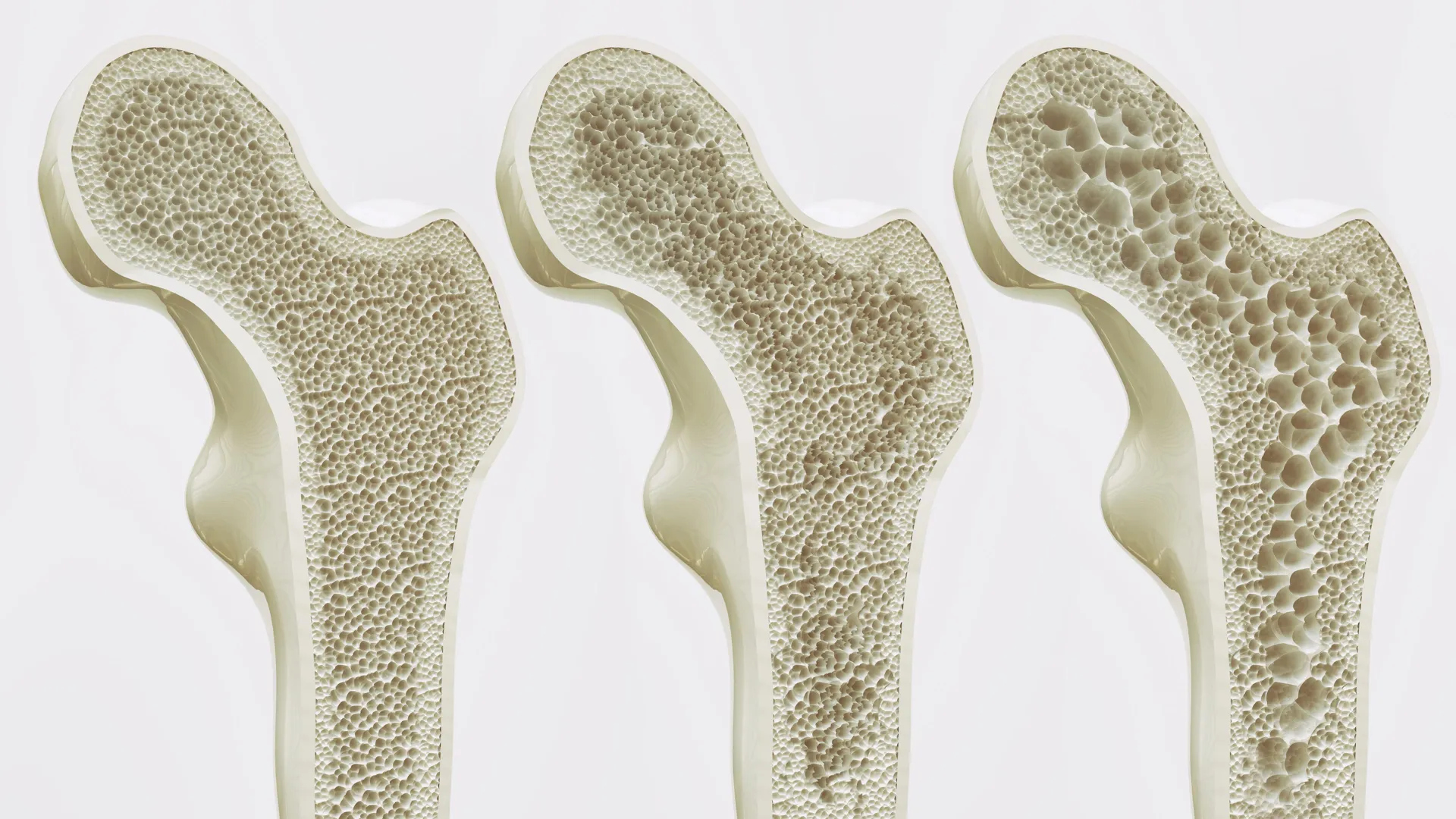
A comprehensive review of nearly 70 randomized controlled trials, published in the prestigious The BMJ, has cast significant doubt on the efficacy of calcium and vitamin D supplements for preventing falls and fractures in the general older adult population. The findings suggest that for the vast majority of seniors, these widely recommended supplements provide minimal to no clinically meaningful benefit, prompting a re-evaluation of current public health guidance and clinical practice.
The Pervasive Concern of Falls and Fractures in Aging
Falls represent a critical public health challenge as individuals enter their later years. The statistics are stark: approximately one in every three adults aged 65 and older experiences a fall annually. These incidents are not merely minor inconveniences; they can initiate a cascade of serious health consequences. Fractures, particularly hip fractures, are a common and devastating outcome, leading to prolonged pain, a significant decline in mobility and independence, a reduced quality of life, and in many instances, necessitate a move to residential care facilities. The economic burden is also substantial, with falls and fall-related injuries costing healthcare systems billions of dollars each year. Consequently, identifying and implementing effective strategies for fall and fracture prevention remains a paramount public health objective.
A Long-Standing Belief in Bone Health Supplements
For decades, calcium and vitamin D have been the cornerstones of recommendations aimed at preserving bone health, particularly for older adults. Calcium, as a primary structural component of bone tissue, is essential for maintaining bone density and strength. Vitamin D plays a crucial role in this process by facilitating the body’s absorption of calcium from the digestive tract and supporting the intricate metabolic processes that regulate bone remodeling. This fundamental understanding has fueled widespread public and professional acceptance of supplementation as a proactive measure against age-related bone fragility.
However, despite this deeply ingrained belief, a nuanced picture has emerged from scientific inquiry. Previous systematic reviews of the existing literature have generally concluded that taking calcium supplements alone or vitamin D supplements alone does not demonstrably reduce the risk of fractures. The evidence has been more inconsistent when the two nutrients are taken in combination, and uncertainty has persisted regarding vitamin D’s ability to meaningfully impact fall incidence.
The Rise of Supplementation Despite Unanswered Questions
Notwithstanding these lingering questions and the often-inconclusive research findings, vitamin D supplements, frequently paired with calcium, have continued to be widely recommended by healthcare professionals, integrated into clinical guidelines, and endorsed by regulatory agencies. This trend is further evidenced by a substantial increase in vitamin D prescriptions in recent years, indicating a growing reliance on supplementation as a default strategy for bone health. This widespread adoption, often occurring without definitive proof of broad efficacy, underscores the need for rigorous, large-scale evidence synthesis.
A Deep Dive into the Evidence: 69 Randomized Trials Under Scrutiny
To address the persistent uncertainties, a team of researchers based in Canada embarked on an extensive review, meticulously examining the results from 69 randomized controlled trials (RCTs). These trials collectively involved a substantial cohort of 153,902 adult participants, making this one of the largest meta-analyses on the topic to date.
Randomized controlled trials are considered the gold standard in clinical research for evaluating the effectiveness of interventions. Their design, which involves randomly assigning participants to receive either the intervention (e.g., supplements) or a control (e.g., placebo or no treatment), is crucial for minimizing bias and ensuring that any observed differences in outcomes can be confidently attributed to the intervention itself, rather than other confounding factors.
The reviewed trials compared the effects of calcium supplements, vitamin D supplements, or a combination of both against a placebo or no treatment. The primary focus of the research team was to determine whether these interventions could reduce the incidence of fractures and falls among the study participants. The researchers employed established methodologies to assess the quality of the included studies and the certainty of the evidence, accounting for potential biases that could influence the results.
Minimal Impact on Fracture Risk Identified
After establishing rigorous thresholds for what constitutes a clinically meaningful benefit, the researchers analyzed the aggregated data. Their findings revealed that for the general population of older adults, calcium and vitamin D supplements, individually or in combination, offered little to no significant protection against experiencing any type of fracture.
Specifically, the evidence supporting the lack of effect for calcium supplements was based on moderate certainty evidence derived from 11 trials involving 9,067 participants. For vitamin D supplements, the conclusion of little to no meaningful benefit was supported by high certainty evidence drawn from 36 trials encompassing 92,045 participants. When calcium and vitamin D were administered together, high certainty evidence from 15 trials with 51,126 participants also indicated a similar lack of substantial impact on fracture rates.
This pattern of minimal effectiveness extended to specific fracture types, including hip fractures, as well as to the prevention of falls. Across these analyses, the evidence, largely rated as moderate to high certainty, consistently pointed towards a negligible effect of calcium, vitamin D, or combined supplementation.
Acknowledging Important Caveats and Exceptions
The researchers were careful to highlight certain limitations within their analysis. They acknowledged that some aspects of their meta-analysis were based on a relatively small number of trials or participants, which necessitates a cautious interpretation of those specific findings.
Furthermore, the study authors emphasized that their conclusions may not be universally applicable. Individuals with specific underlying bone disorders, such as Paget’s disease or osteogenesis imperfecta, or those undergoing medical treatment for osteoporosis, may have distinct physiological needs and responses to supplementation. Therefore, these groups should not assume that the general findings of this review directly apply to their individual circumstances.
Despite these caveats, the consistency of the results remained a significant strength of the study. The researchers performed sensitivity analyses, adjusting for various factors such as age, sex, history of previous fractures or falls, and average dietary calcium intake. The broad consistency of the findings across these adjustments further strengthened the confidence in their overall conclusions.
Re-evaluation of Routine Supplementation Recommended
Based on the robust evidence synthesized in their review, the researchers explicitly stated that "the evidence does not support routine supplementation with calcium or vitamin D, or combined supplementation to prevent fractures and falls." They went further, asserting that clinicians, guideline development panels, and regulatory agencies "should re-evaluate their general recommendations for calcium and vitamin D supplementation in light of current evidence."
In a linked editorial accompanying the The BMJ publication, independent researchers echoed these sentiments. They pointed out that while this large meta-analysis provides a crucial overview, more rigorous and sufficiently powered trials are still warranted to investigate whether supplementation might offer specific benefits to individuals who are at exceptionally high risk of falls and fractures. Such populations might include those with severe vitamin D deficiency or specific medical conditions predisposing them to bone fragility.
Shifting Focus to Proven Interventions: Exercise Takes Center Stage
The editorial authors strongly advocated for a paradigm shift in public health and clinical practice, suggesting that greater attention and funding should be directed towards interventions that have already demonstrated significant and meaningful benefits in preventing falls and related injuries.
Foremost among these proven strategies is exercise. Programs focusing on balance training and resistance exercises are particularly effective in enhancing muscle strength, improving proprioception (the body’s awareness of its position in space), and bolstering overall physical stability. These physical improvements directly translate to a reduced likelihood of stumbling and falling.
Multifaceted approaches that integrate several preventive measures are also highlighted as highly beneficial. These comprehensive programs can include tailored exercise regimens, thorough assessments of the home and surrounding environment to identify and mitigate potential fall hazards, and personalized education sessions designed to address an individual’s specific risk factors and provide practical strategies for fall prevention.
A New Perspective on Fall and Fracture Prevention
In conclusion, the findings from this extensive review suggest that the prevalent strategy of relying on calcium and vitamin D supplements as a primary means of preventing falls and fractures in older adults may be misguided for the general population. The evidence indicates that for most seniors, these supplements offer negligible protection. This landmark research compels a critical re-examination of current guidelines and underscores the importance of prioritizing evidence-based interventions, particularly exercise and multifactorial risk reduction programs, in the ongoing effort to safeguard the health and well-being of our aging population. The path forward in fall and fracture prevention likely lies not solely in pills, but in active engagement with strategies that demonstrably enhance physical resilience and safety.